Every country that has rejected Trump’s calls to join war in Middle East

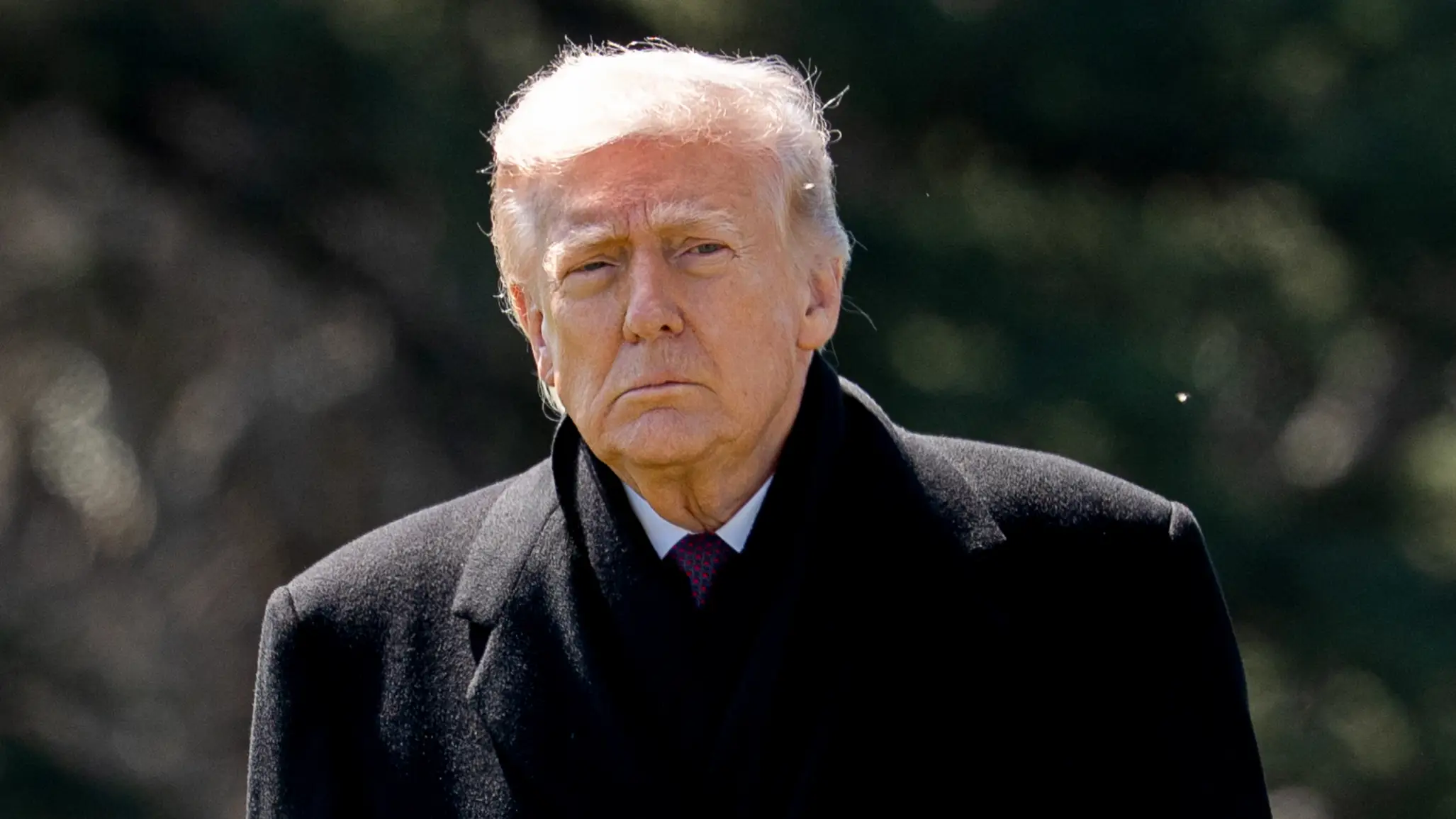
Several countries have now rejected United States President Donald Trump's calls to join the conflict in the Middle East.
Late last month (28 February), the US and Israel launched a joint attack on Iran, killing the nation's Supreme Leader Ayatollah Ali Khamenei.
Since then, the 79-year-old Republican has called for ships to be sent to the Strait of Hormuz to help secure the waterway.
Iran has effectively shut the vital oil and gas shipping route by targeting vessels in response to the US-Israeli air strikes.
Advert
Trump has called for countries, including the UK, to join a mission to protect shipping.
"I’m demanding that these countries come in and protect their own territory because it is their territory," he recently told reporters aboard the Air Force One. "It’s the place from which they get their energy."
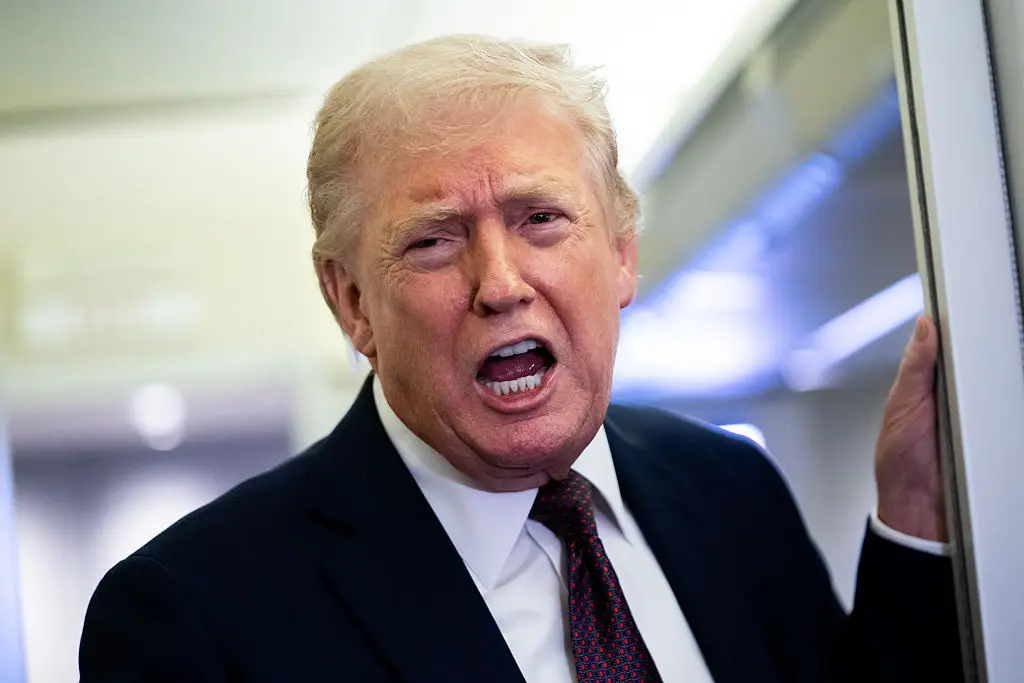
And, earlier this week, Trump reiterated his plea by taking to Truth Social to call for countries to help secure the Strait.
He penned: "We get less than one percent of our oil from the [Strait of Hormuz] and some countries get much more... We want them to come and help us."
However, the president later shared a follow-up, seemingly backtracking on his previous remarks.
"[W]e no longer ‘need,’ or desire, the NATO Countries’ assistance – WE NEVER DID! Likewise, Japan, Australia, or South Korea," Trump said. "In fact, speaking as President of the United States of America, by far the Most Powerful Country Anywhere in the World, WE DO NOT NEED THE HELP OF ANYONE!"
A number of nations have rejected Trump's demands, expressing scepticism over his plans in the Middle Eastern region, including action in the Strait of Hormuz.
United Kingdom
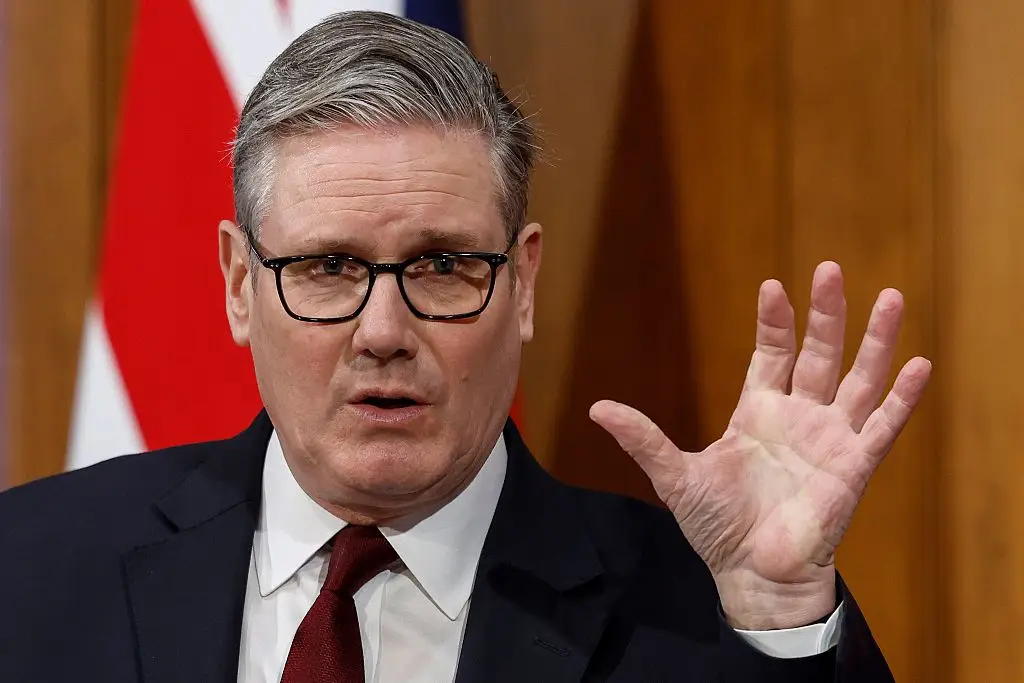
Prime Minister Keir Starmer, who has so far resisted the US president’s demands, explained: "We’re working with all of our allies, including our European partners, to bring together a viable collective plan that can restore freedom of navigation in the region as quickly as possible and ease the economic impacts."
Trump shot back, claiming the UK’s approach to the conflict was 'terrible'.
"I was very surprised with the United Kingdom, because the United Kingdom, two weeks ago, I said, 'Why don’t you send some ships over' and he really didn’t want to do it. I said 'You don’t want to do it? We’ve been with you. You’re our oldest ally and we spend a lot of money on Nato and all of these things to protect you'," he said.
The president added: "I think it’s terrible. I was very surprised."
Speaking to reporters in the White House on Monday (16 March), he said the US had considered Britain the 'Rolls-Royce of allies' and described Starmer as a 'very nice guy', but insisted the response to the war had been 'very disappointing'.
Germany
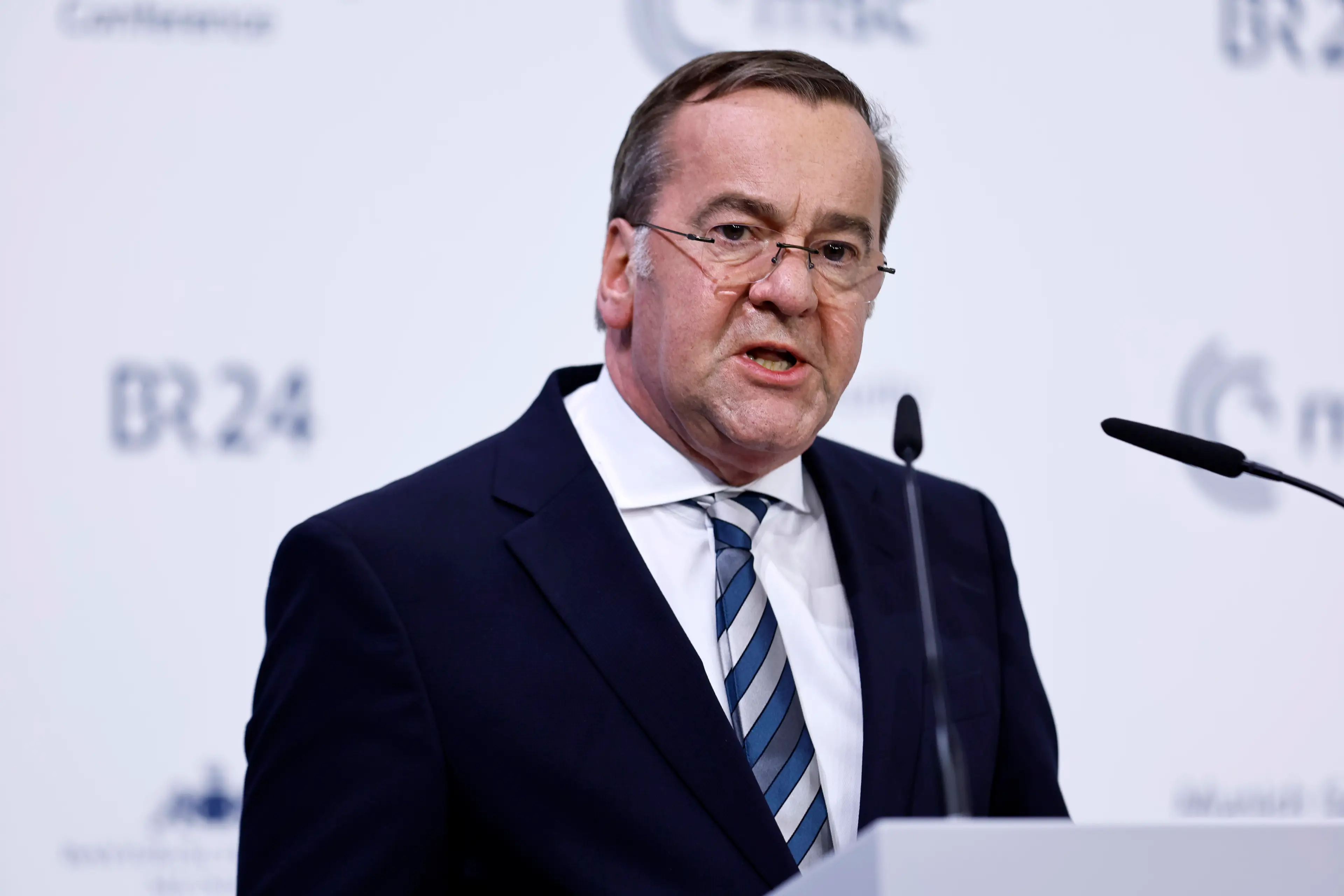
German defence minister Boris Pistorius also dismissed Trump's request and downplayed warnings made by the world leader that failing to come to the US' aid could have consequences for the Nato alliance.
"This is not our war. We have not started it. What does Donald Trump expect a handful or two handfuls of European frigates to do in the Strait of Hormuz that the powerful US navy cannot do?" he said.
Meanwhile, a spokesperson for German chancellor Friedrich Merz added: "It is not Nato’s war.
"Nato is an alliance to defend the alliance area. The United States did not consult us before this war, and so we believe this is not a matter for Nato or the German government."
Italy
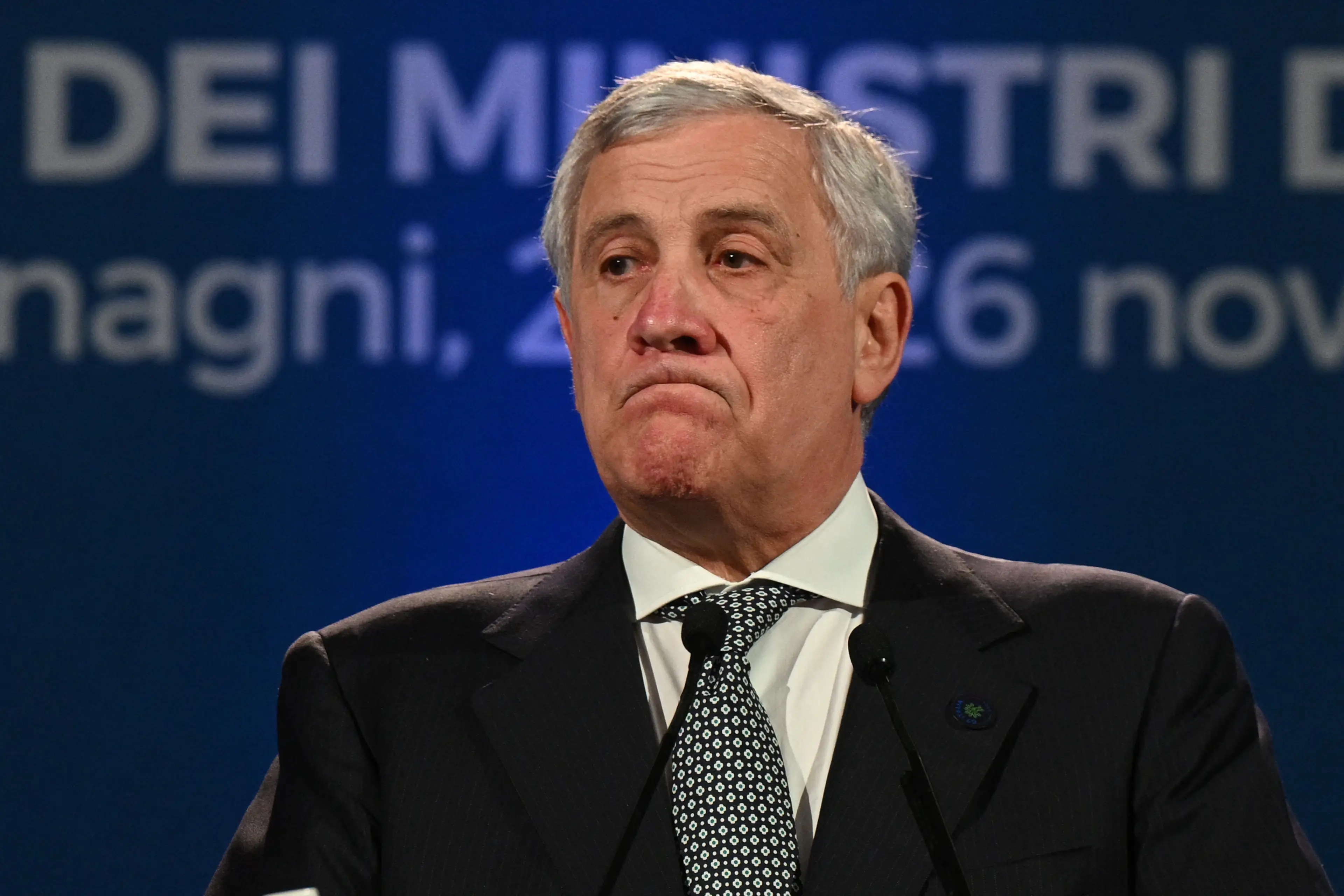
Italy’s foreign minister Antonio Tajani has stated that diplomacy was the right way to solve the crisis in the strait and there were no naval missions Italy was involved in that could be extended to the area.
"As far as Hormuz is concerned I believe diplomacy needs to prevail," he told reporters.
Tajani claimed that Italy is involved in defensive naval missions in the Red Sea, adding: "But I don’t see any missions that can be extended to Hormuz."
Japan
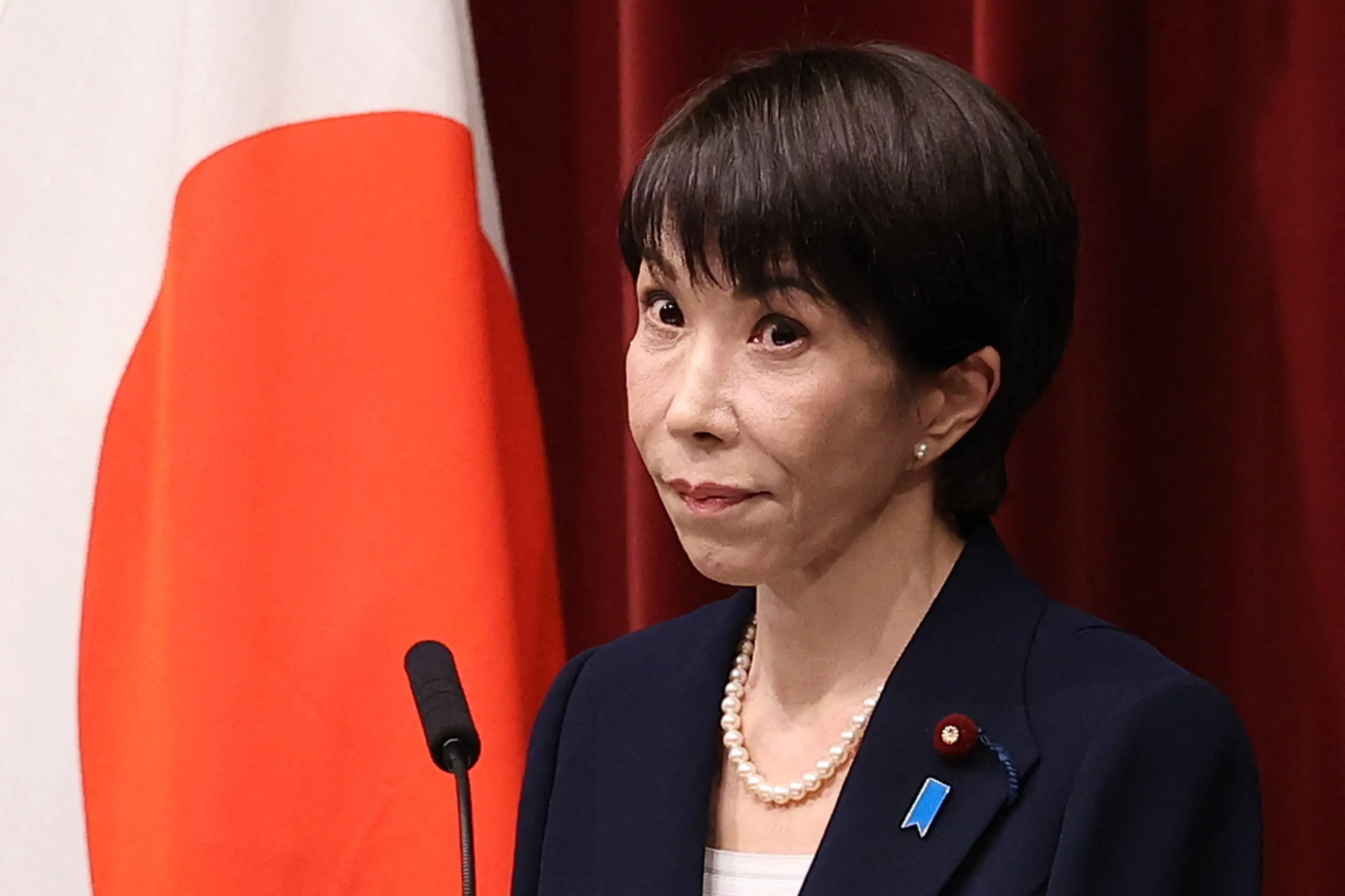
"We have not made any decisions whatsoever about dispatching escort ships. We are continuing to examine what Japan can do independently and what can be done within the legal framework," Japanese prime minister Sanae Takaichi said.
"Legally speaking, this is very difficult. We are carefully examining what can be done within the scope of current laws and what is the best course of action at this time. At the same time, we are continuing to engage with Iran to help de-escalate the situation while also exchanging information with various countries," Takaichi told lawmakers.
Australia

"We’ve been very clear about what our contribution is to requests and so far that is to the UAE [United Arab Emirates] obviously providing aircraft to assist with defence particularly given the number of Australians that are in that area in particular," transport minister Catherine King said.
"We won’t be sending a ship to the Strait of Hormuz," she added. "We know how incredibly important that is but that’s not something we’ve been asked or we’re contributing to."
France
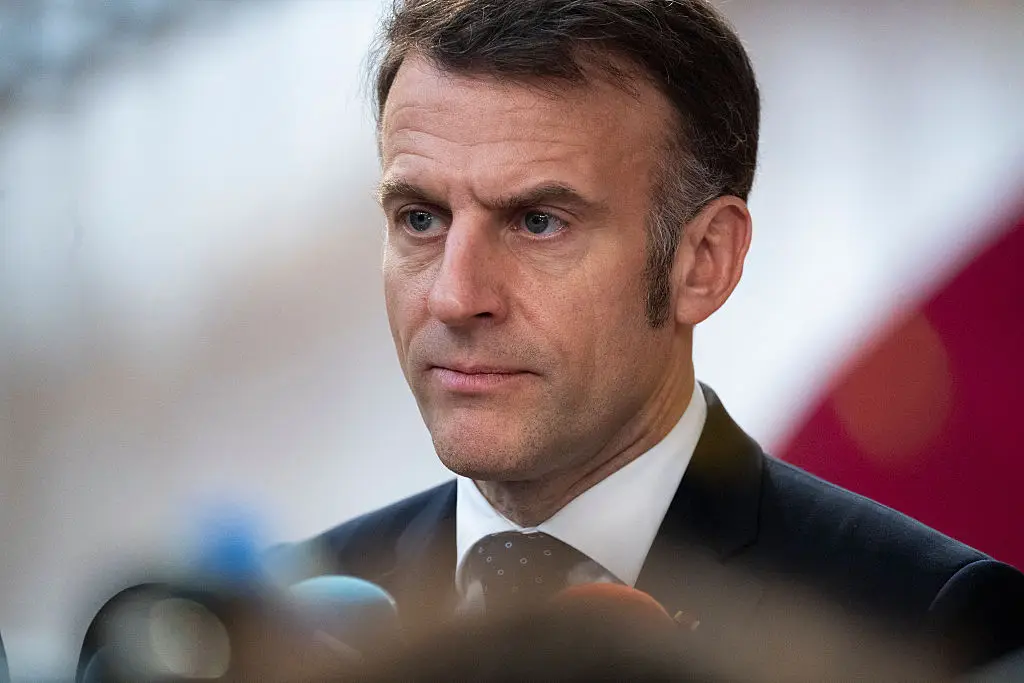
France is holding its line with military posture staying defensive, with no shift towards escalation.
"Posture has not changed: defensive it is," the French foreign ministry said in a post on X on Monday.
Netherlands
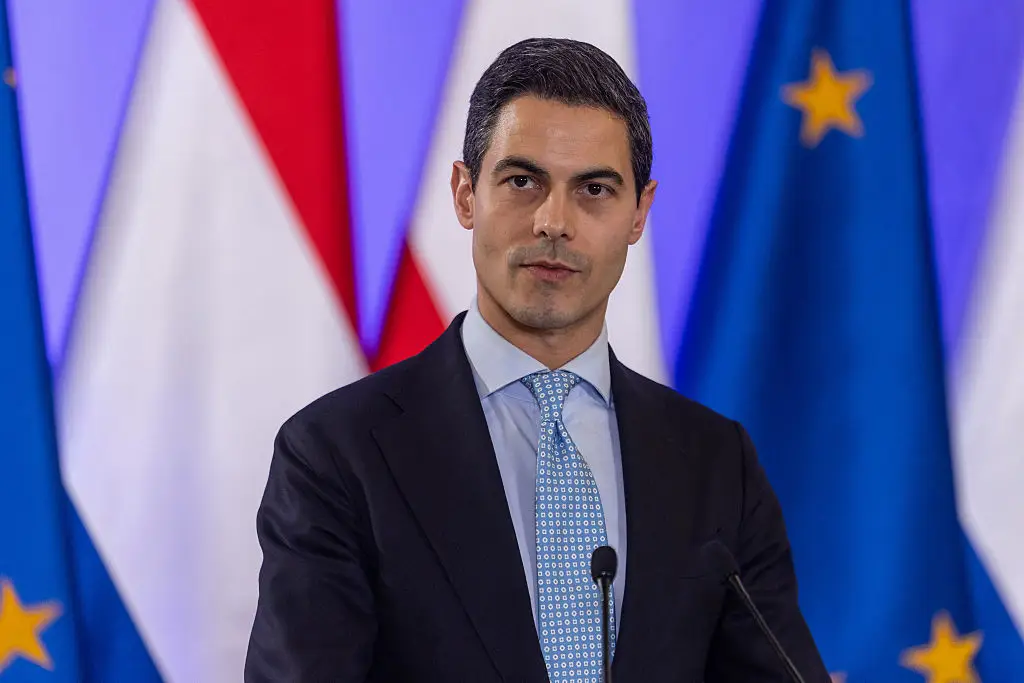
Dutch prime minister Rob Jetten has outlined that any operation in the strait would be complex and slow to get off the ground, saying it is 'very difficult to launch a successful mission there in the short term', per the country’s ANP news agency.
Luxembourg
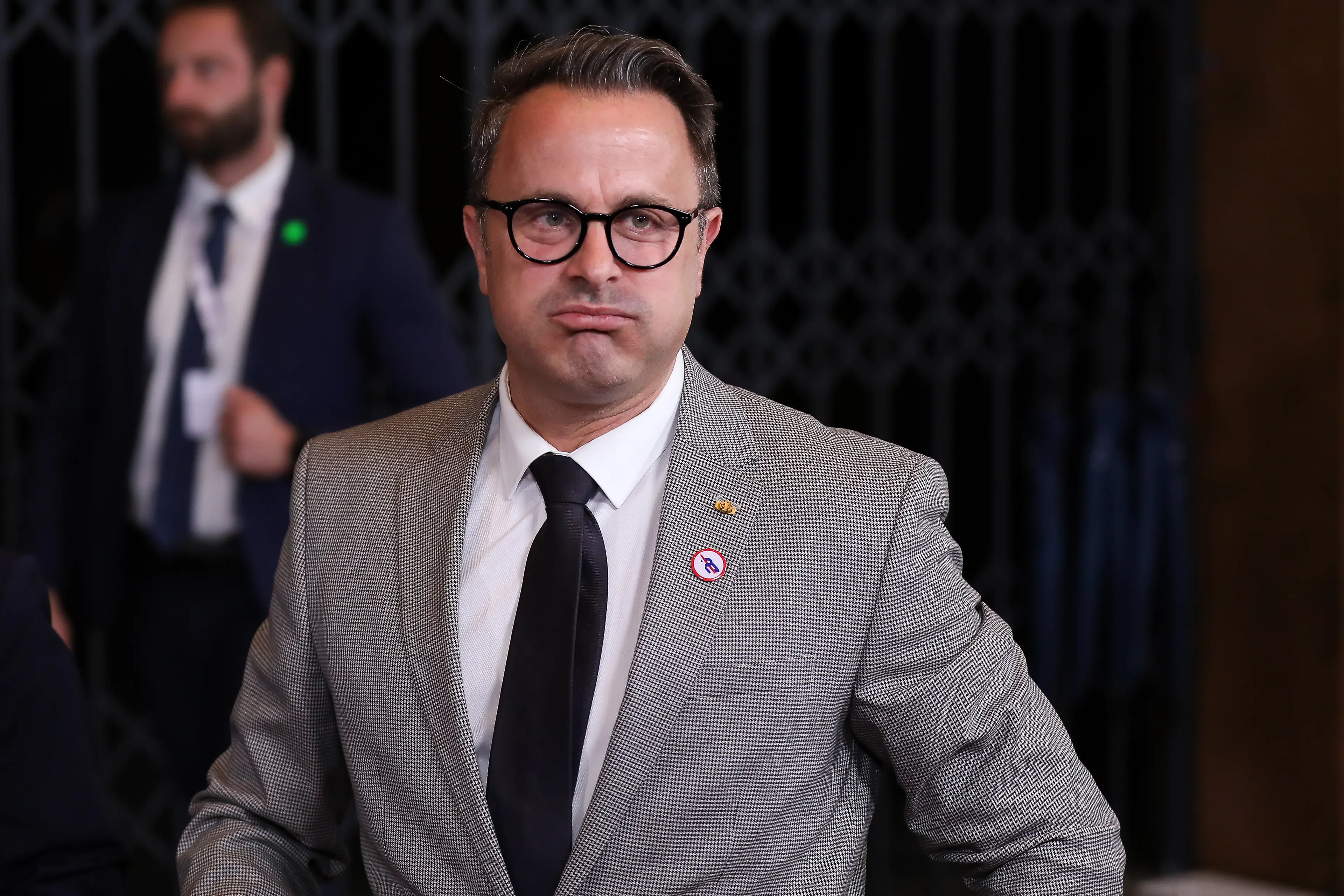
Luxembourg has shown clear resistance to pressure from Washington and has no plans to get involved with deputy prime minister Xavier Bettel saying: "With satellites, with communications, we are very happy to be useful. But don't ask us with troops and with machines."
He added: "Blackmail is also not what I wish for."
Greece
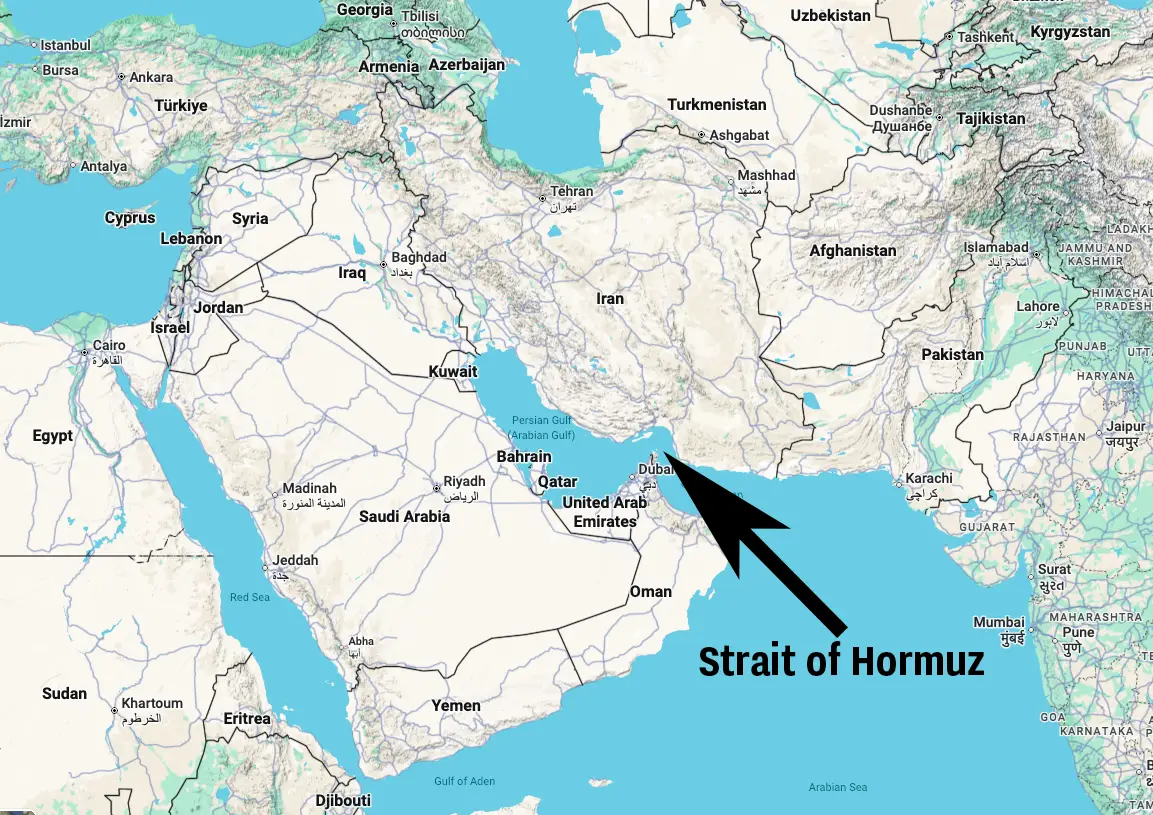
Greece would not take part in any military operations in the Strait of Hormuz, government spokesman Pavlos Marinakis said.
Denmark
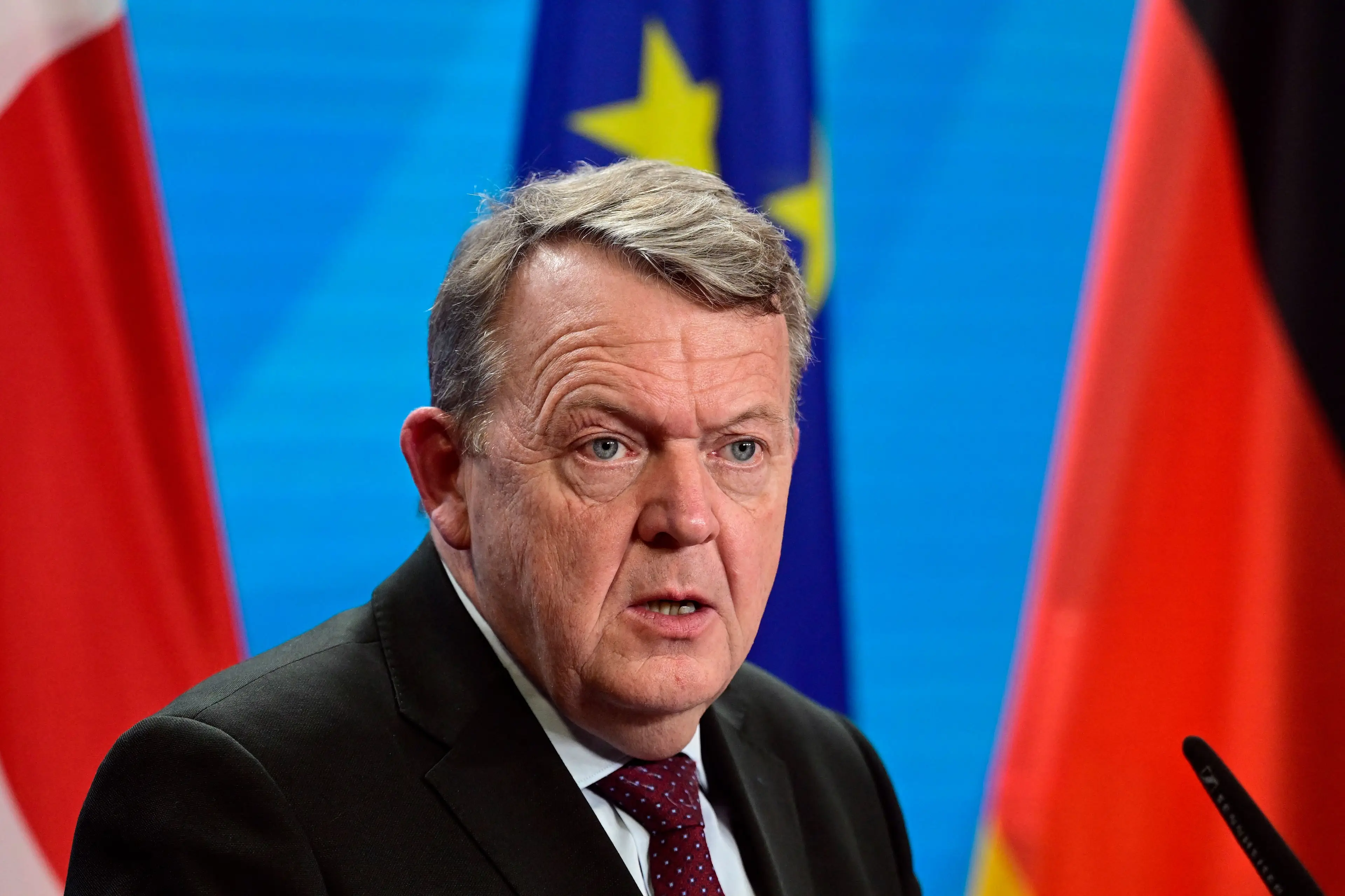
"Even if we don’t like what’s going on," foreign minister Lars Løkke Rasmussen said, before adding: "I think it’s wise to keep an open mind on whether Europe in some way can contribute, but with a view towards de-escalation."
Topics: Donald Trump, Iran, Israel, News, Politics, US News, World News, UK News, Europe
 Rhiannon Ingle