The US just officially left the World Health Organisation - here's what it really means

Following its creation in 1948, the United States was one of the first countries to join the esteemed World Health Organisation (WHO).
Yesterday (22 January), under Republican leader Donald Trump's instruction, America pulled out of the health group, criticising the organisation for being too 'China-centric' during the previous coronavirus pandemic.
Unsurprisingly, the controversial move has sparked mass questioning across the country, with many citizens concerned that it'll put the US on the back-foot when it comes to global health crises.
The specialised health agency forms part of the United Nations, and coordinates responses to international public health outbreaks and emergencies.
Advert
The aim of the WHO is to achieve the highest possible level of health for all the world's people by combating the spread of infectious diseases, promoting global physical and mental well-being, and setting international health standards.
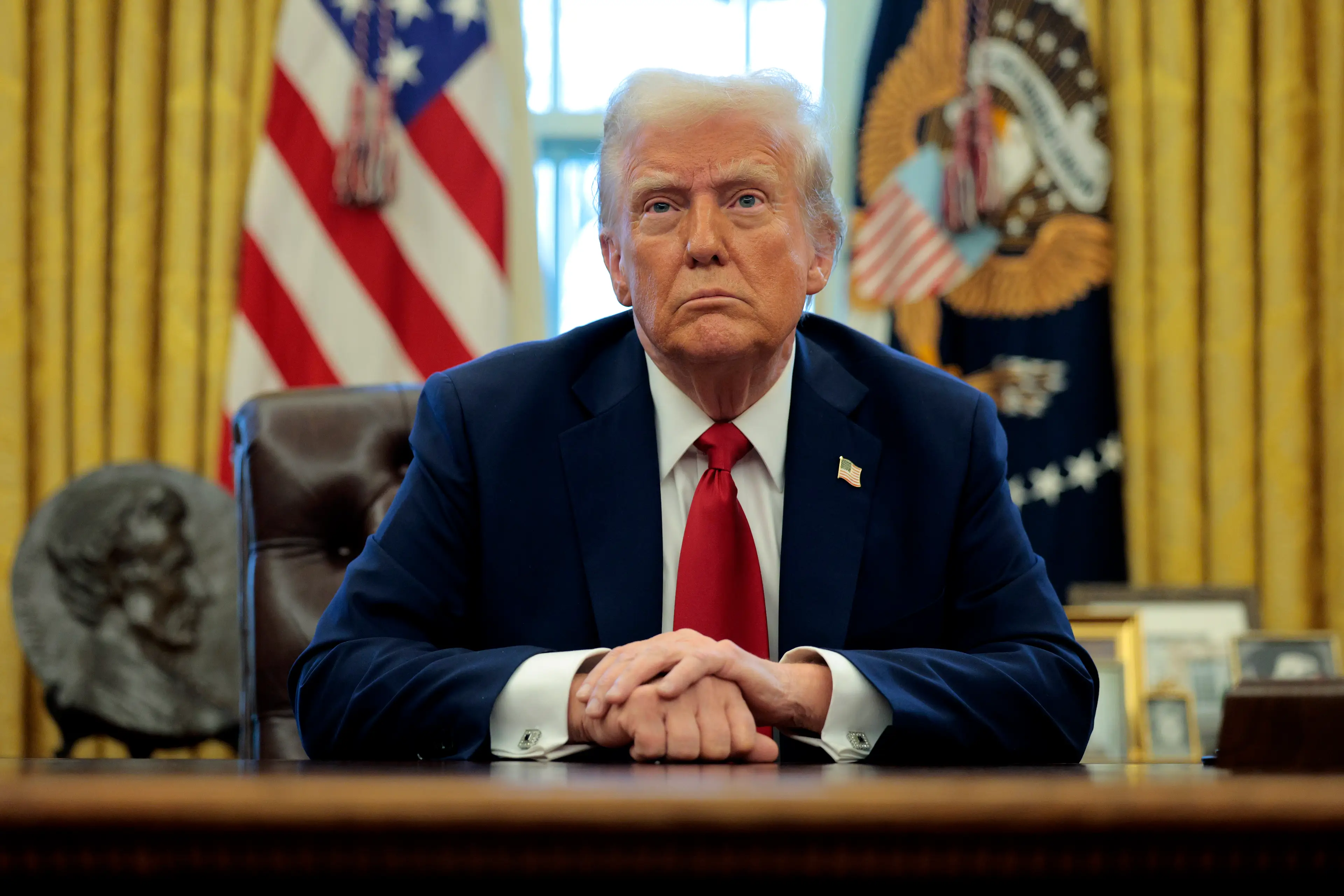
Leaders do this by providing technical assistance to countries, setting international health standards, collecting data on worldwide health issues, improving the teaching of public health.
So far, the WHO has played a major role in eradicating deadly diseases like smallpox, the near-banishing of polio, and the developing of a vaccine specifically targeted to treat ebola.
Headquartered in Geneva, Switzerland, only sovereign states have been permitted to join the organisation since its set-up following WWII.
America's withdrawal from the WHO explained
No clause allowing members to withdraw was ever set up - but when they decided to join decades ago, the American Congress bartered for an option to leave in the future, if the country was to provide a year's notice and had fulfilled its financial obligations before hand.
Trump issued his notice to leave the organisation last year, upon his inauguration into the White House for a second term.
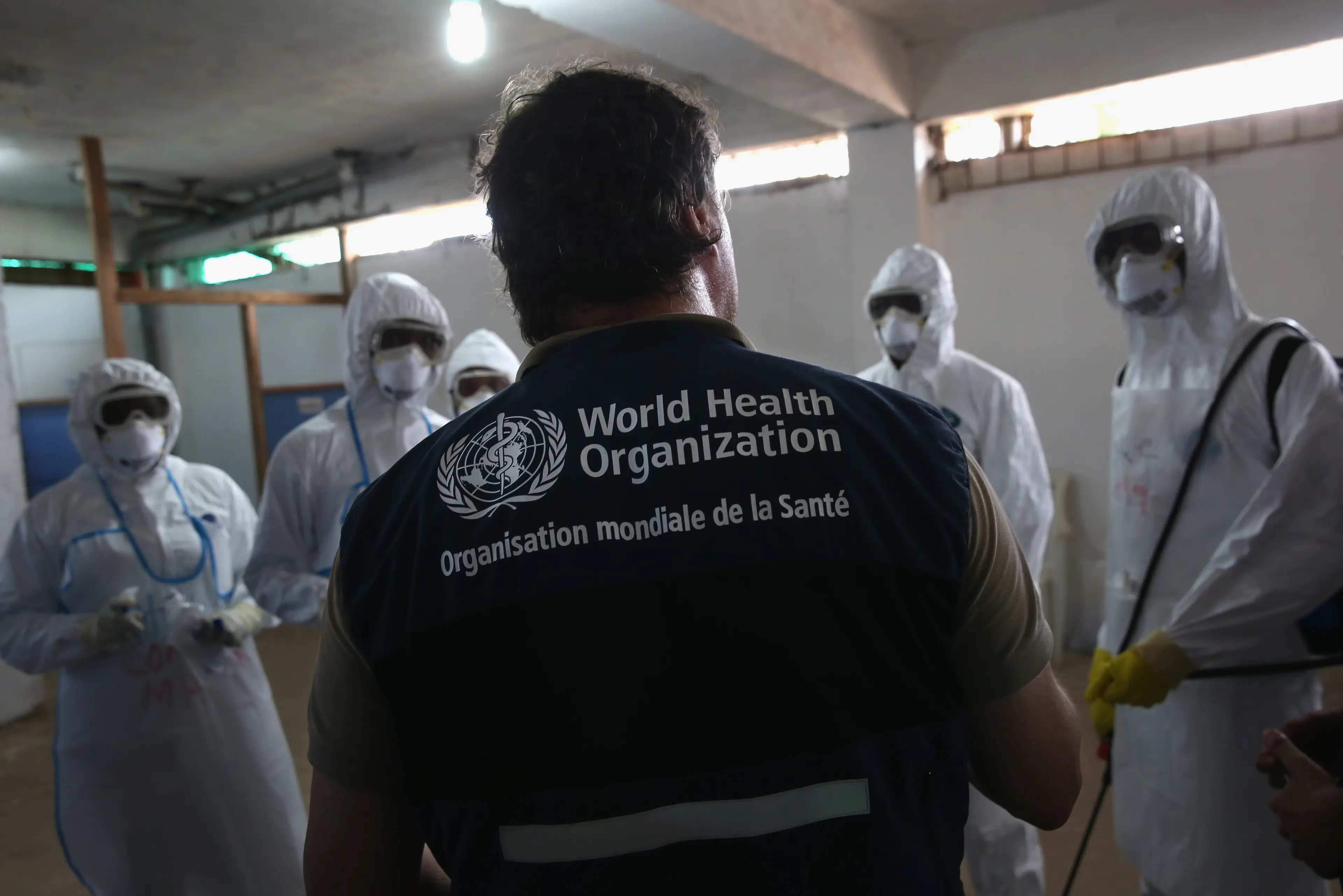
"The WHO tarnished and trashed everything that America has done for it," a joint statement from US Health Secretary Robert F Kennedy and Secretary of State Marco Rubio read at time.
The pair also claimed WHO had 'abandoned its core mission and acted repeatedly against the interests of the United States', adding: "Going forward, US engagement with the WHO will be limited strictly to effectuate our withdrawal and to safeguard the health and safety of the American people."
It's worth noting, however, that right-wing leader Trump is yet to pay his outstanding payments, which came from 2025, and the final year of his Democratic predecessor Joe Biden's term, in 2024.
What impact could the US' departure from the WHO have?
Since joining, the US has been the largest funder to the WHO, contributing every year through both assessed and voluntary contributions.
As such, experts predict it'll have a detrimental impact on health in both America, and the wider world.
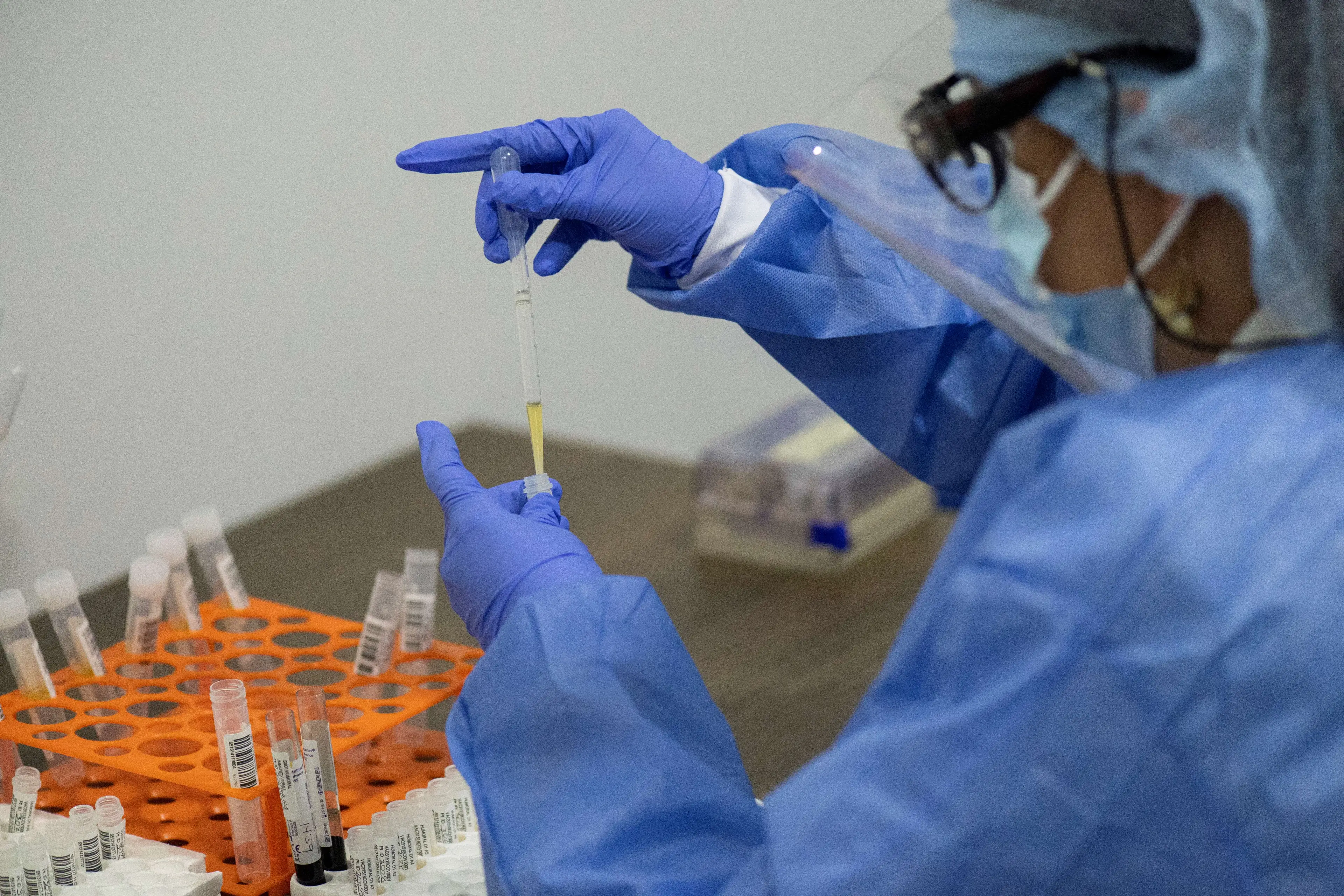
According to reports, we could observe US scientists unable to access databases that are vital when it comes to monitoring infection rates of conditions that could breakout in America, like influenza and Covid.
Furthermore, being that the WHO makes recommendations to vaccine manufacturers when it comes to which specific strains of these virus should be targeted each year, these American scientists might not be kept in the loop with any major changes.
On this, Dr. Jeanne Marrazzo - CEO of the Infectious Diseases Society of America, and ex-director of the National Institute of Allergy and Infectious Diseases - told Time magazine: "By pulling out, we are not just losing our ability to provide data, but also to contribute to the dialogue and make sure we have a say in understanding why the flu vaccine is being composed in the way it is every year.
"It takes the seat at the table away from us. And those tables are where global health decisions are made."
The move is also expected to harm the way health officials in the States prepare for and respond to emerging disease threats.
"We are not going to know when the next concerning outbreak of pneumonia happens, and we won’t be able to prepare with a drug or vaccine or whatever response is appropriate," Marrazzo continued.
"We won’t be able to tell [Americans] who travel abroad about health risks. I’m worried about missing sentinel events because we pulled back."
How have WHO officials responded?
Firstly, it's likely that some WHO leaders will fight the move in response to money being owed by the States.
The organisation's principal legal officer Steven Solomon told press last week (13 Jan), that this will be addressed an an executive board meeting in February, claiming 'we look forward to member states discussing this'.
Solomon added: "Because these questions of withdrawal - questions of the conditions, the promise, and agreement reached between the US and World Health Assembly - these are issues reserved for member states, and not issues WHO staff can decide."
Elsewhere, he went on to insist: "While there is an open question when and how withdrawal happens, there is not an open question about what the constitution says about WHO’s overall mission.
"The constitution sets out the objective for the organisation, of health for all people, wherever they live and without discrimination."
It looks as though, however, WHO's Director-General, Dr Tedros Ghebreyesus is already willing to forgive some aspects of 79-year-old Trump's decision.
Agreeing, Dr. Judd Walson - chair of international health at the Johns Hopkins Bloomberg School of Public Health - claimed the organisation has 'signalled - very intentionally', that they wish 'to continue to work with' America.
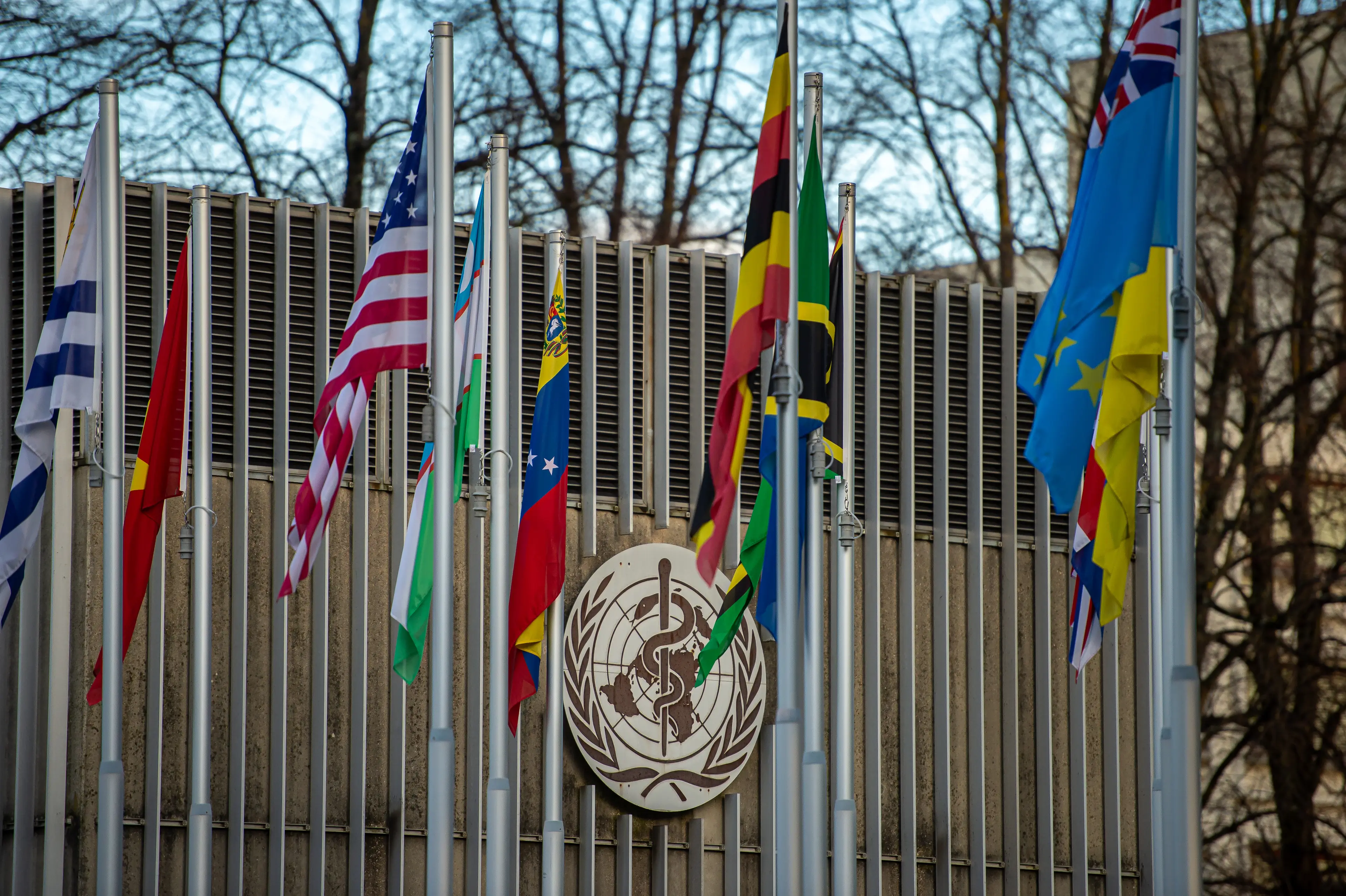
He added: "The flag of the United States continues to fly outside the WHO building [in Geneva], and that’s not a mistake. It’s a very intentional signal that they welcome us to re-engage."
What have critics said?
As we say, Trump's decision has also sparked worldwide backlash from authority figures in health, like Michael Osterholm - director of the Center for Infectious Disease Research - who told Time it's 'one of the most penny-wise and billion-dollar-foolish' political moves in history.
He predicted that, while American researchers will likely retain communication with their WHO colleagues, it may see health-related coordination go out of the window, using the yearly flu vaccine update as an example.
"The flu world has always been very close globally," Osterholm continued. "I am quite convinced that there will be unofficial information-sharing among this group. The question is, at what point does that information have to be official in order for companies to take action deciding which vaccine strains they are going to use?"
Elsewhere, though Walson claimed his colleagues at the WHO have already confirmed that they'll keep up contact with him, as Osterholm pointed out, this doesn't necessarily guarantee cohesion between American and the rest of the world.
Of his continued research, the former insisted: "[They said] as a US citizen, I still have the capacity to participate in the workings of the WHO. And there are scientists and technical experts engaging to continue to maintain our access [to the WHO] at the individual level."
Walson noted, though: "Clearly we have lost the coordination of all of these activities, but we will still have some engagement."
Topics: Health, World News, US News, News, Politics, Donald Trump, Real Life, True Life
 Rhianna Benson