Donald Trump's threat to Iran had hidden meaning, psychologist reveals

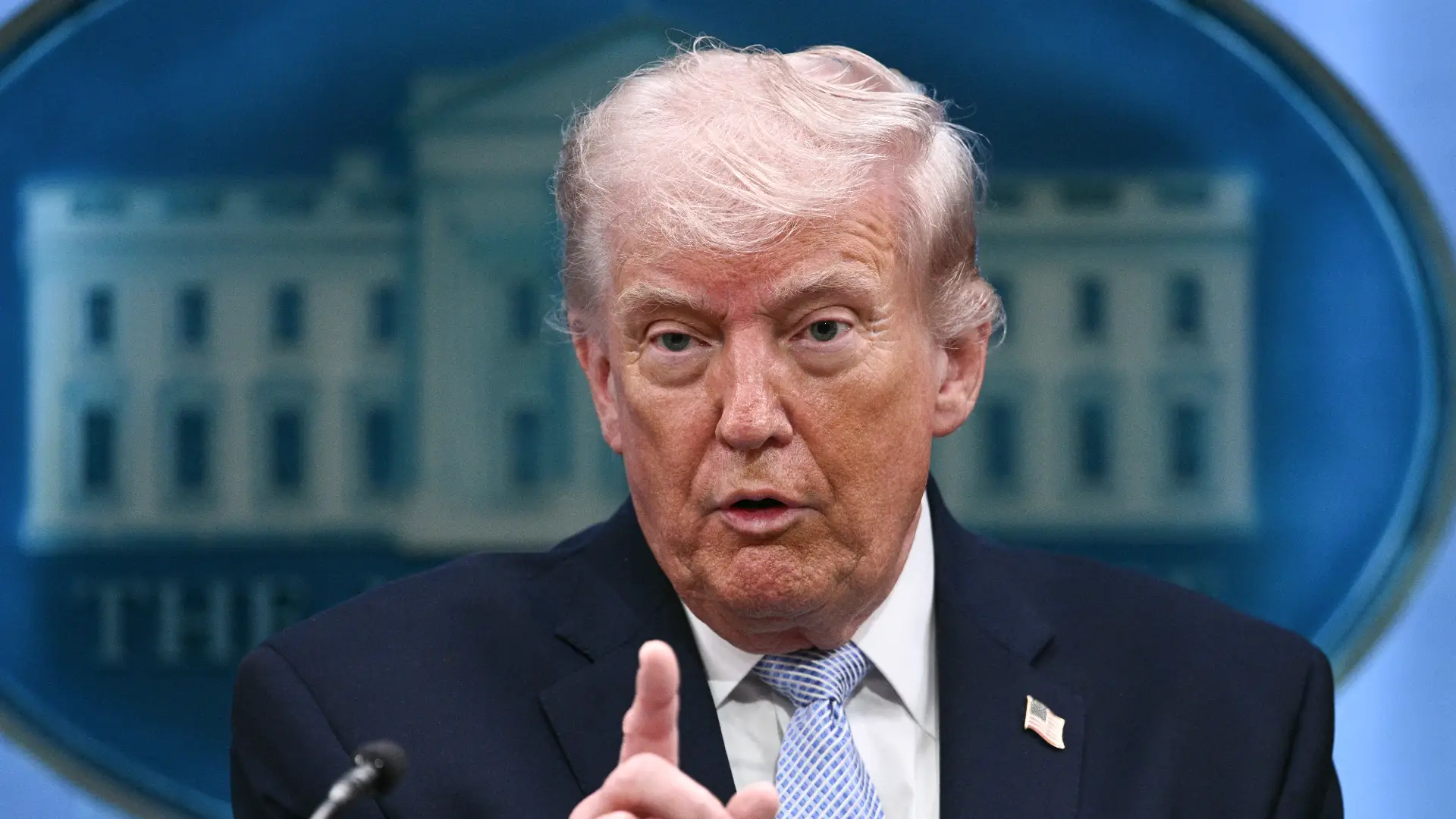
A clinical psychologist has broken down a lethal threat Donald Trump gave to Iran earlier this, believing the President may have had several motives.
Taking to Truth Social on Tuesday (7 Apr), Trump warned that a 'whole civilisation' of Iranians 'will die tonight', if they refused to make a deal on the reopening of the Strait of Hormuz.
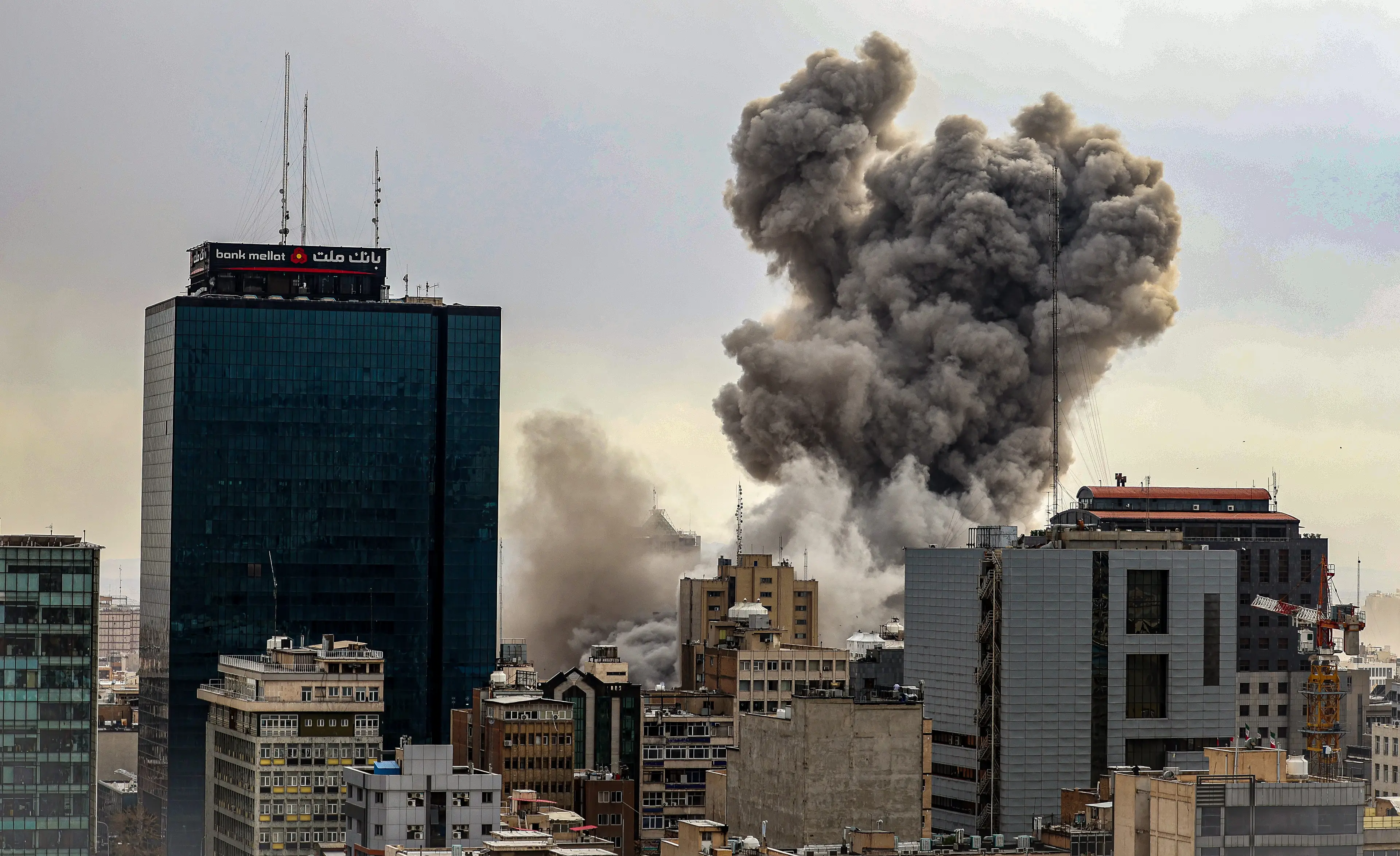
He'd previously told Iranian leaders they had until 8pm Washington-time to make a decision on the crucial waterway, which has remained closed since US-Israeli forces launched an attack on the country in February.
"I don’t want that to happen, but it probably will," the 79-year-old wrote. "However, now that we have Complete and Total Regime Change, where different, smarter, and less radicalised minds prevail, maybe something revolutionarily wonderful can happen, WHO KNOWS?
Advert
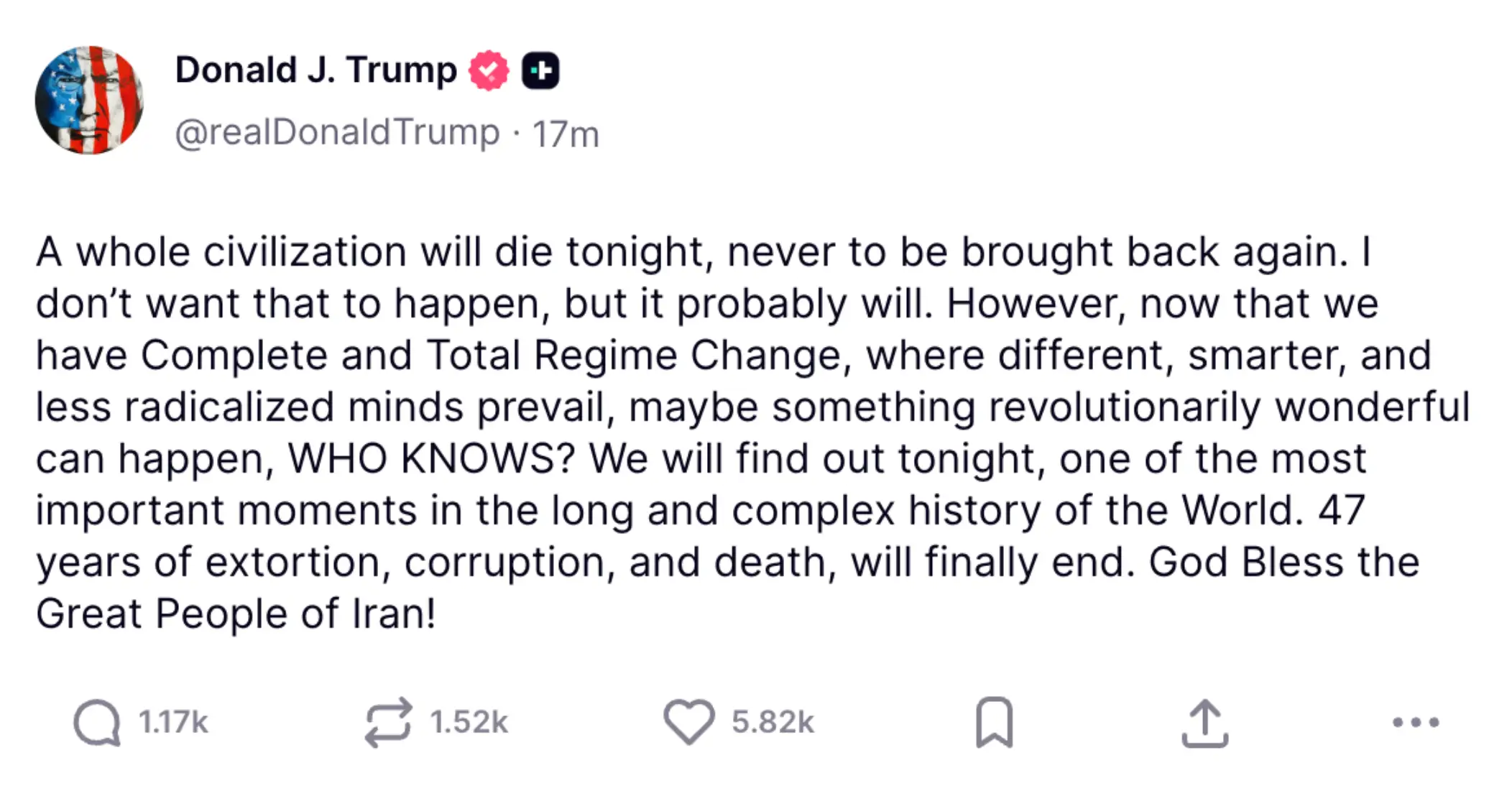
"We will find out tonight, one of the most important moments in the long and complex history of the World."
The Republican leader concluded: "47 years of extortion, corruption, and death, will finally end. God Bless the Great People of Iran!"
Making a speech at the White House the day prior, Trump had claimed: "We have an active, willing participant on the other side. They would like to be able to make a deal. I can't say any more than that. They have till tomorrow. We'll see what happens.
"I believe they're negotiating in good faith. I guess we'll find out."
Thankfully for citizens, a deal was struck by leaders in Tehran on Tuesday, prior to the deadline.
It is expected that agreement will result in the long-awaited restoration of oil prices that have fluctuated astronomically since the conflict kicked off, as well as put an end to jet fuel shortages.
Despite Trump later hailing the deal as a a 'big day for world peace', Dr Tracy King, a clinical psychologist told The Mirror there's a reason why the politician opted to make his final threat against Iran as dramatic as it was.
She noted the 'military drama, triumph, punishment, and command' Trump included in his statement was likely entirely calculated.
"That matters because repeated extreme language changes how people take things in," Dr King continued. "It reduces the room for proportion. It narrows the space for critical thought.
"It pushes people towards awe, fear, excitement or alarm before they have had time to weigh anything calmly."
The psychologist also unpacked Trump's constant use of the word 'I', especially when delivering a speech in public.
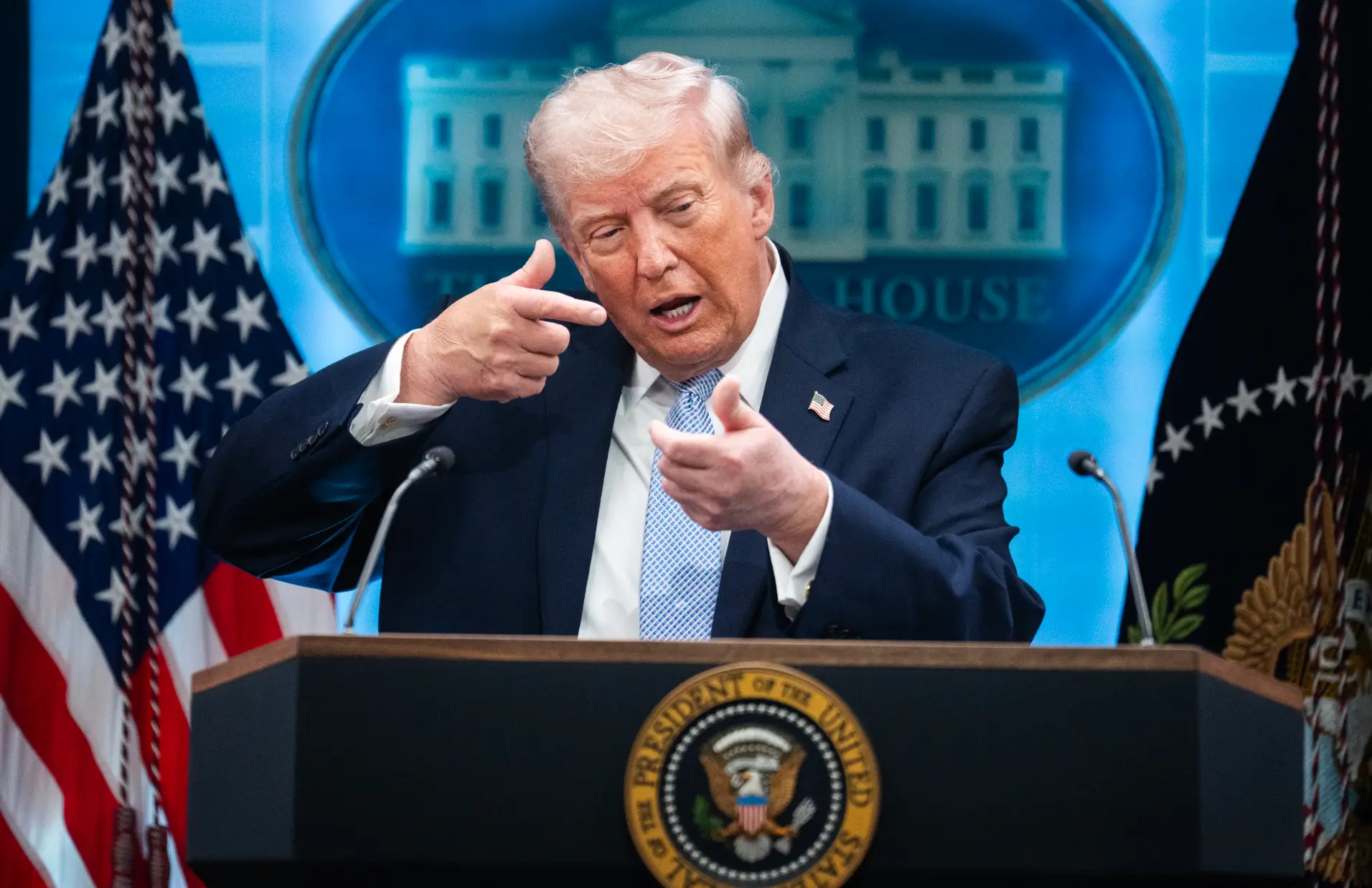
"Even though the speech is about the rescue and the bravery of others, it keeps coming back towards him. What he watched. What impressed him. What he thought. What he valued. What he will do," she explained.
"So the speech is not just about military success, but it also puts him back at the centre of events," she said. "It works as a restoration of status.
"If he feared rumours had briefly made him look weak, absent or physically vulnerable, the speech answers that by placing him in the middle of power, action and command.
"To the American public, the message seems to be: do not see me as weak, absent or diminished. See me as the man at the centre of force, rescue, retaliation and control."
Dr King also believes Trump penned his online message in the way he did to create the impression of his unpredictability.
"To those he is at war with, the message is harsher. It says uncertainty is part of the strategy," she noted. "He can hold back, create confusion, and then hit hard," she said. "He appears to want to be felt as unpredictable, forceful and willing to escalate.
"That is psychologically useful in war because it keeps opponents guessing and makes them worry not only about military power, but about his threshold for using it."
Topics: Donald Trump, US News, Politics, News, Iran, World News
 Rhianna Benson