
What to do if you're feeling anxious about the idea of World War Three

As tensions in the Middle East continue rising and the threat of WW3 seems to draw ever closer, mental health experts are sharing guidance on the most beneficial means of processing head-spinning political affairs.
For those out of the loop, on Saturday (28 February), US and Israeli leaders, Donald Trump and Benjamin Netanyahu, launched a 'massive' missile attack on Iran in a bid to wipe out the country's totalitarian leadership.
The pair claimed the assault - which killed Iran's Supreme Leader, Ayatollah Ali Khamenei - was aimed at stopping the Islamic Republic's oppression of its own people, after demonstrators taking part in nationwide protests earlier this year were met with severe punishment by the nation's leaders.
Trump, 79, and Netanyahu, 76, also admitted they hoped the missiles would destroy Iran's controversial nuclear programme.
Advert
Responding, new Iranian leaders fired weapons of their own at US-Israeli troops, hitting areas across the United Arab Emirates, Jordan, Israel, Bahrain, Kuwait and Qatar.
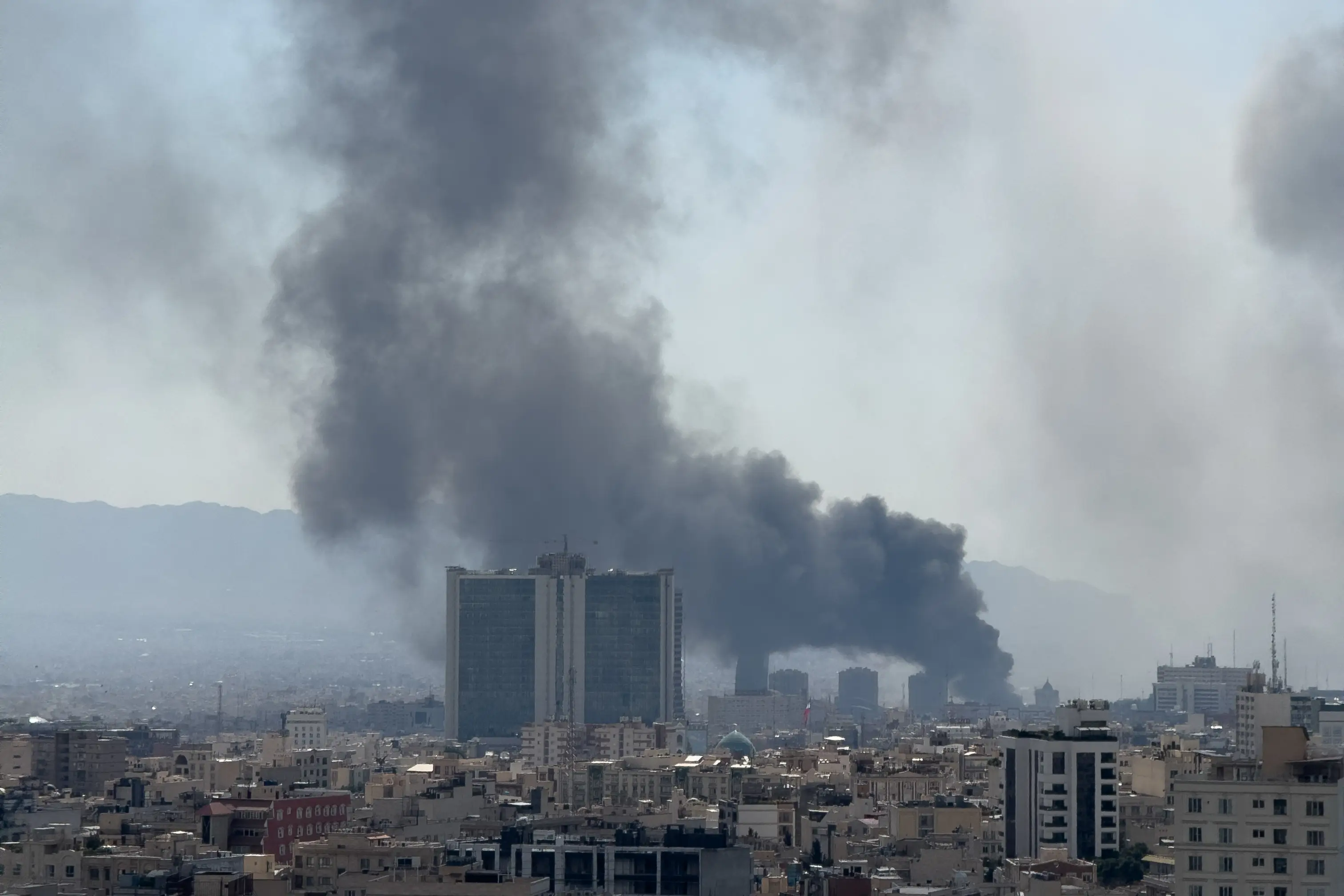
Playing their hand again, Trump and Netanyahu continued dropping bombs of their own in these regions, continually contributing to the growing death toll in the Middle East.
Unsurprisingly, the events of the last four days have seen images of death and destruction splashed across global headlines.
And it's not just crises from the Middle East that have left news consumers on tenterhooks.
There's also the ongoing invasion of Ukraine by Russia, worsening violence across Sudan, the Sahel region, and Myanmar, humanitarian and economic disasters, global warming and the ever-looming threat of AI.
As we say, however, in light of these headline-hitting factors, several mental health charities have rallied together to offer guidance on how to push past overwhelming concerns regarding the current political climate.
'Know your limits'
More than anything, experts at the Mental Health Foundation believe consumers of hard-hitting news should be aware of their limits. "Ask yourself, 'How much information and disturbing world news am I currently taking in? And how does it make me feel?’," their experts advise.

If you find your mind is ceaselessly wandering to the possibility of warfare, or you can't open your phone without pounding the words 'latest update' into the search bar, these could be signs it's time to take a mental break from international relations.
Experts advise that, in these gut-wrenching moments, purposefully mute your news notifications and unfollow social media accounts that distribute the latest political goings on.
"Over and above those," they add. "Try to be intentional in how you are consuming news, and, as much as you can, avoid long 'scrolling through' sessions.
"Try to accept that, although we may want to help or change the current global and national situation, some of these things may be out of our control."
In agreement with this sentiment, experts from Stay Well advised news consumers to turn their attention to things they can control, like eating healthily, getting enough sleep, and checking in on loved ones, all of which contribute to improved well-being.
"To deal with worry or stress war may cause, focus on what you can control," their team explained. "It’s completely normal to feel uncertain. To combat it, take care of your health, lessen exposure to negative news, and practice accepting your emotions.

"Regularly exercise, eat well, and prioritise sleep. To take your mind off stress or worry, try doing activities that make you feel good. If you’re feeling lonely, check in with your friends and family.
"Getting back to the basics is important when managing anxiety symptoms. Think about how you’re sleeping, if you’re drinking enough water, if you’re moving your body every day (if you’re able-bodied and can do so), eating well, etc. Sleep issues can often manifest as depression or anxiety symptoms."
'Reach out'
If this advice is easier said than done, or if you work in an industry where an up-to-date knowledge of the world's current affairs is required, some experts suggest trying to use your anxiety in this arena for good.
"If the horror or uncertainty of the news is bringing about feelings of anxiety, fear, helplessness or isolation, remember that there are always other people who are feeling the exact same way right now," the charity site emphasises.
Putting this guidance into action, they say, could mean getting involved in volunteering ops, taking part in local grassroots campaigns or joining community groups, or requesting to join a Facebook group dedicated to a certain issue close to your heart.
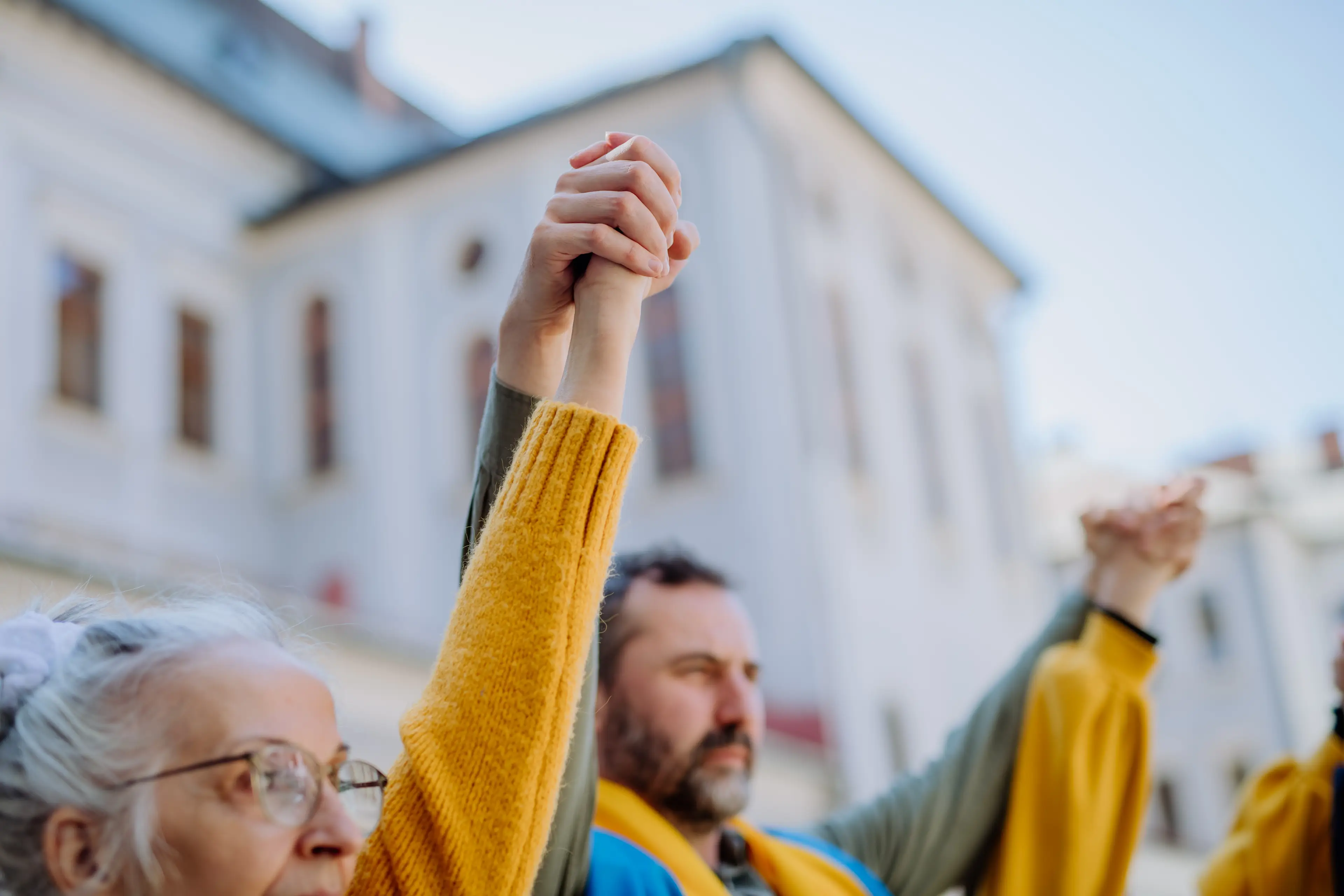
If your investment in global crises means you're unable to focus on daily activities, this may also be an indicator that it's time to use your voice.
'Act'
"You may feel powerless if you have opinions on what is happening in the world but can't express them," experts explain. "You may feel powerless if you don’t know what to do with your opinions or passion for change."
In these cases, charity professionals suggest exploring ways to get involved in a political community, take part in a safe, organised rally, or join relevant events or global debates.
"Civic and political activism may make you feel more empowered and give you an avenue to express your thoughts in a constructive way," they add.
Topics: News, World News, UK News, US News, Mental Health, Donald Trump, Iran, Israel
 Rhianna Benson