Trump administration proposes removal of strict regulations against ‘forever toxins’ in water

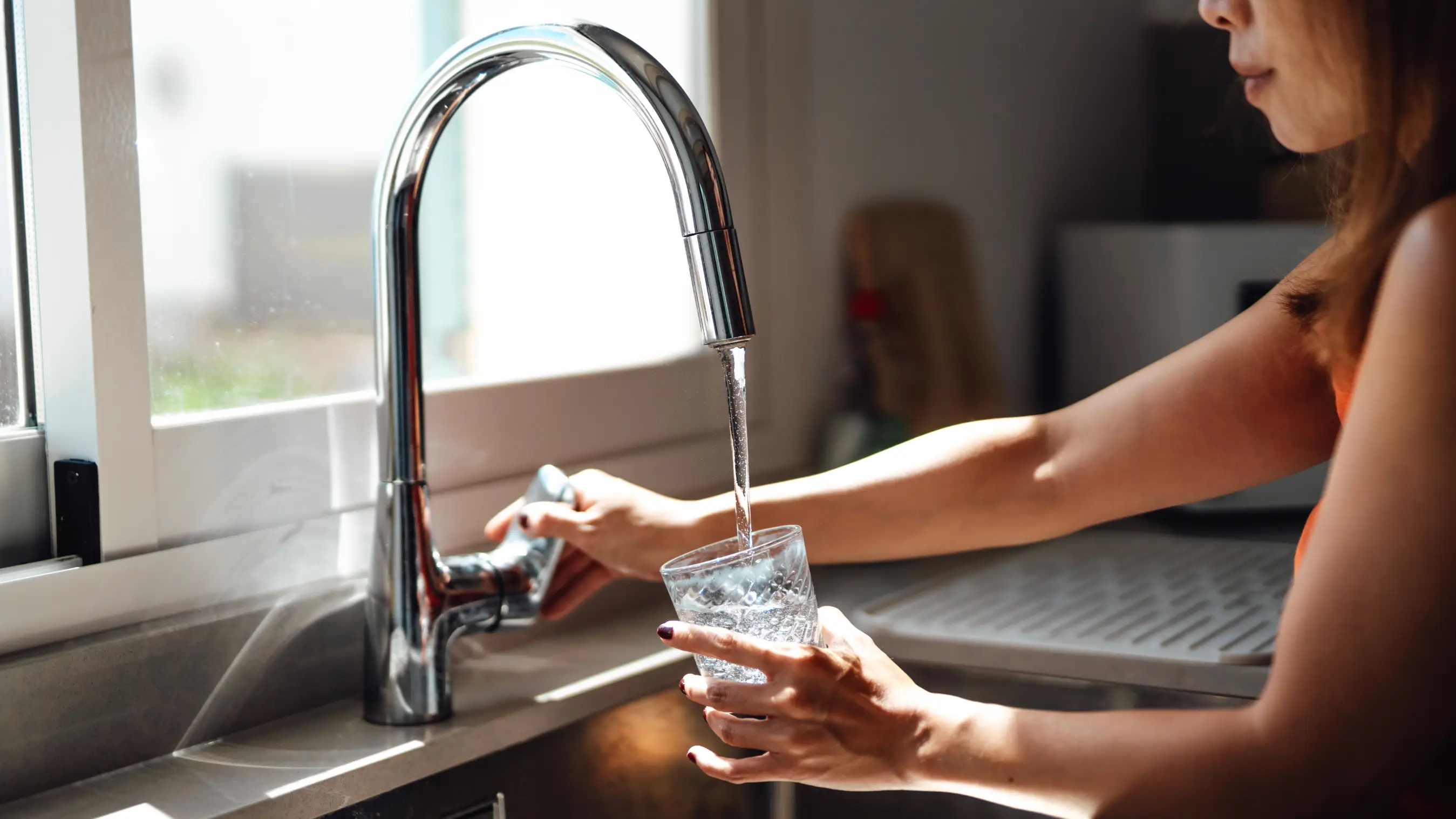
Donald Trump's administration has announced a controversial plan to scrap his predecessor Joe Biden’s limits on ‘forever chemicals’ in drinking water.
The Environmental Protection Agency announced plans on Monday (18 May) to repeal the current limits on four types of PFAs, while delaying regulations on another two.
For context, PFAs (per-and poly fluoroalkyl substances) are a chemical family consisting of at least 5,000 individual substances.
They are sometimes referred to as ‘forever chemicals’ because of their persistence in the environment.
Advert
The EPA previously concluded that they have been linked to cancer, obesity, thyroid disease, high cholesterol, decreased fertility, liver damage, hormone disruption, and damage to the immune system.
They’re used to manufacture many domestic products, due to their ability to repel both grease and water.
The news of the proposed changes was announced during a press conference on Monday, in which the EPA administrator, Lee Zeldin, and US health secretary, Robert F Kennedy Jr, revealed their plan.
Zeldin said: “The Trump EPA is committed to Make America Healthy Again by ensuring clean air, land, and water – and by taking on Pfas the right way, across the full life cycle and built to last.”
He added: “That means rules grounded in gold-standard science and the Safe Drinking Water Act, support for water systems on the front lines, and action to stop PFAS pollution at the source before it ever reaches a tap.
“The Biden administration cut corners and failed to follow the law. We are fixing that error with standards water systems can actually implement and that will hold up to scrutiny, while addressing PFOA and PFOS, two of the best-studied PFAS with well-documented health impacts.”
Now, after accusing Biden of ‘cutting corners’ when he established the landmark limits on six of the substances in 2024, the EPA and Trump administration have outlined plans to ‘rescind and restart’ regulations on four PFAS.
CNN reports that these chemicals include perfluorononanoate (PFNA), perfluorohexanesulfonic acid (PFHxS), and hexafluoropropylene oxide dimer acid (HFPO-DA).
However, the rule change proposal needs to go through a lengthy approval process that could take years and be challenged in court.
The EPA told Tyla that once it has 'taken final action to correct the previous administration’s procedural foul,' it will 'take steps to follow through on its commitment to evaluate additional PFAS in drinking water for future regulation'.
While the EPA 'cannot pre-determine the outcome, it is possible that the result could be more stringent requirements'.
The agency claims that the Biden EPA’s PFAS regulations for PFOA and PFOS 'mandated totally unrealistic and unworkable timelines,' arguing that 'many water systems simply need more time to comply with drinking water limits on PFOA and PFOS'.

The EPA said: "Without additional time for this work, costly violations could be levied while doing nothing to actually protect water quality. This extra time not only allows utilities to build out necessary upgrades while keeping rates down, but it also allows the cost of PFOA and PFOS removal technologies to come down via technological advancements and production efficiencies.
"This means cost-savings for everyday Americans paying their water bills."
The agency also pointed out that it is upholding the current National Primary Drinking Water Standards for PFOA and PFOS, adding: "The science on those two chemicals is among the strongest of any drinking water contaminant the agency can regulate, and we’re working to enhance practical implementation and correct potential failures of the Biden-Harris Administration to follow the clear requirements of the Safe Drinking Water Act."
The EPA outlines that the federal exemption framework is the mechanism for providing drinking water systems with an additional two years to comply with the enforceable limits for PFOA and PFOS.
The agency said: "This would apply in states, territories, and Tribes that have not obtained primacy for those MCLs. These exemptions can help ensure that drinking water systems have time to take the steps needed to comply by April 2031. The logic here is simple – no one is helped by unworkable regulations that raise costs while delivering zero benefits."

Finally, it highlights that the proposed mechanism 'does not change the PFOA and PFOS MCLs established in the 2024 PFAS NPDWR, which remain 4.0 parts per trillion (ppt) each,' adding that, likewise, all monitoring and reporting of sample results are required to be met according to the timeframes under the final April 2024 PFAS NPDWR'.
The proposed regulations are now open for two months of public comment before being finalized, The Independent reports.
Public health advocates have condemned the proposed changes, including Dr Anna Reade, director of Pfas advocacy at Natural Resources Defense Council.
As reported by The Guardian, she warned: “Zeldin and Kennedy are trying to sell potions out of the back of a covered wagon. The millions of Americans demanding safe drinking water are not going to fall for their hocus pocus.”
While David Andrews, chief science officer for the Environmental Working Group, told The Washington Post: "I don’t see how you put a positive light on this.
"Ultimately, I see this as a betrayal of public health and the mission of making America healthier. Safe and clean drinking water should be a right for everyone in this country.”
Tyla has contacted the White House and the EPA for comment.
Topics: Donald Trump, Joe Biden, Environment, Politics, US News, Health
 Madison Burgess