Full list of 75 countries Trump's administration has just banned from entering US

The Trump administration has just released a list of 75 countries, the residents of whom will no longer be permitted to enter the United States under severe new visa restrictions.
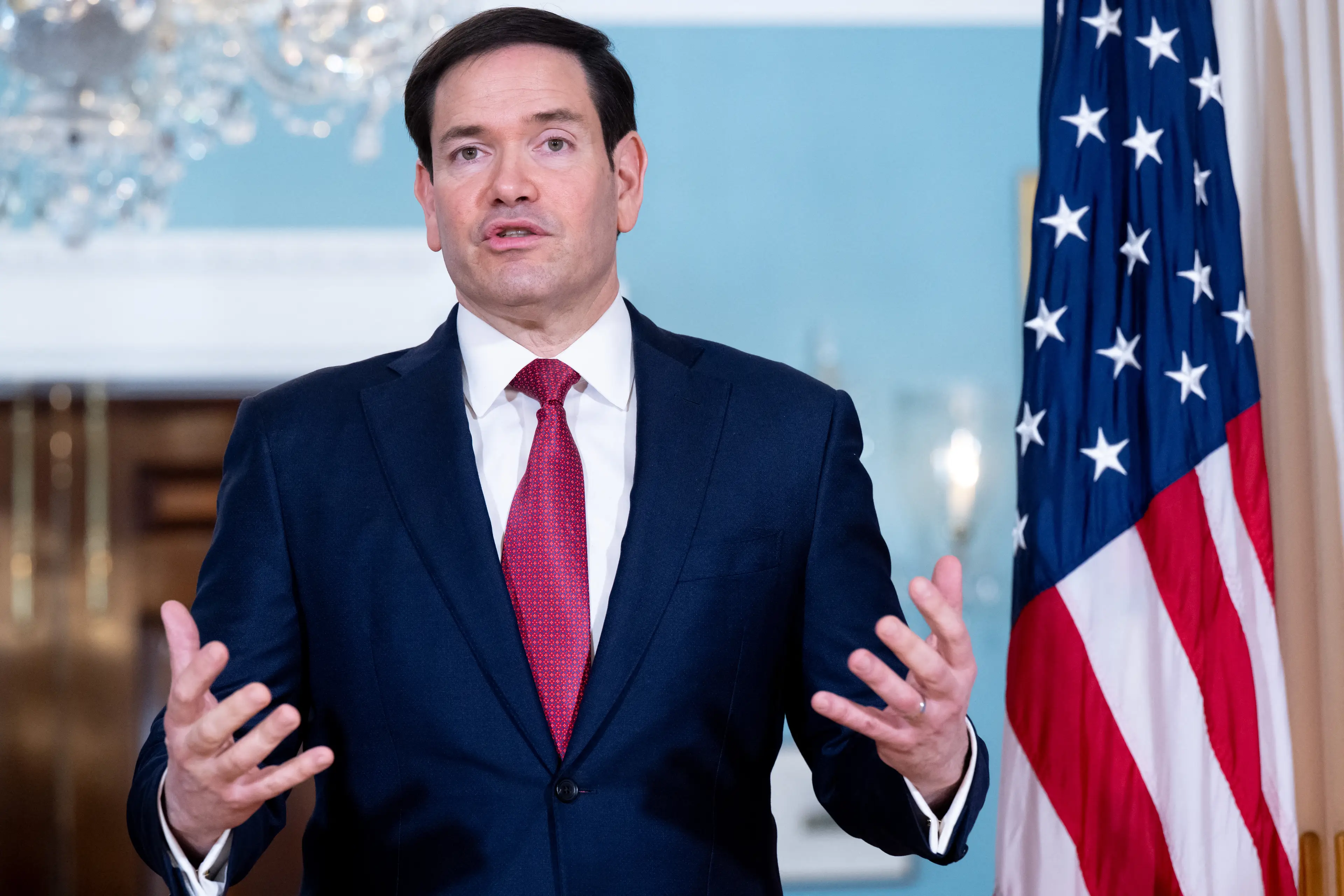
During an Oval Office meeting on Wednesday (14 January), Marco Rubio announced that, under the president's authority, consular offices would no longer be approving official documentation from nations they believe have been 'extracting wealth from the American people'.
The freeze will be enacted from 21 January, while the State Department reassesses 'screening and vetting’ procedures', and will last until it conducts a 'reassessment of immigrant visa processing'.
A spokesperson for Homeland Security issued an explanation on X, writing: "The State Department will pause immigrant visa processing from 75 countries whose migrants take welfare from the American people at unacceptable rates.
Advert
"The freeze will remain active until the US can ensure that new immigrants will not extract wealth from the American people."
The announcement continued: "The pause impacts dozens of countries - including Somalia, Haiti, Iran, and Eritrea - whose immigrants often become public charges on the United States upon arrival.
"We are working to ensure the generosity of the American people will no longer be abused. The Trump Administration will always put America First."
Which countries have been affected by the visa pause?
The list of countries now banned from entering the States includes Afghanistan, Albania, Algeria, Antigua and Barbuda, Armenia, Azerbaijan, Bahamas, Bangladesh, Barbados, Belarus, Belize, Bhutan, Bosnia, Brazil, Burma, Cambodia, Cameroon, Cape Verde, Colombia, Cote d’Ivoire, and Cuba.
It also sees citizens of the Democratic Republic of the Congo banned, along with those from Dominica, Egypt, Eritrea, Ethiopia, Fiji, Gambia, Georgia, Ghana, Grenada, Guatemala, Guinea, Haiti, Iran, Iraq, Jamaica, Jordan, Kazakhstan, Kosovo, Kuwait, and Kyrgyzstan.
Also exempt are immigrants attempting to gain entry from Laos, Lebanon, Liberia, Libya, Moldova, Mongolia, Montenegro, Morocco, Nepal, Nicaragua, Nigeria, North Macedonia, Pakistan, Republic of the Congo, Russia, Rwanda, Saint Kitts and Nevis, Saint Lucia, Saint Vincent and the Grenadines, Senegal, Sierra Leone, Somalia, South Sudan, Sudan, Syria, Tanzania, Thailand, Togo, Tunisia Uganda, Uruguay, Uzbekistan and Yemen.
This isn't the first ban of its kind to be implemented by Trump, who was sworn into the White House for the second time last January.
Back in June, the 79-year-old Republican signed a proclamation either banning or restricting the citizens of an initial 12 countries from entering the States in a bid to protect America from 'foreign terrorists' and other security threats.
This included Afghanistan, Burma, Burundi, Chad, Cuba, Equatorial Guinea, Eritrea, Haiti, Iran, Laos, Libya, Republic of the Congo, Sierra Leone, Somalia, Sudan, Togo, Turkmenistan, Venezuela and Yemen.
Six months later, in December, he expanded his travel ban to over 30 countries - though, Department of Homeland Security's Kristi Noem did not specify which would be added to the list.
The latter ruling was made in response to the fatal shooting of a member of the National Guard in Washington DC in November by a man identified as an Afghan national who arrived in the US during 2021 under a resettlement program that Trump administration figures claim lacked adequate security screening.
Of the newly-added countries, Noem told Fox News: "If they don’t have a stable government there, if they don’t have a country that can sustain itself and tell us who those individuals are and help us vet them, why should we allow people from that country to come here to the United States?"
Topics: World News, News, US News, Politics
 Rhianna Benson