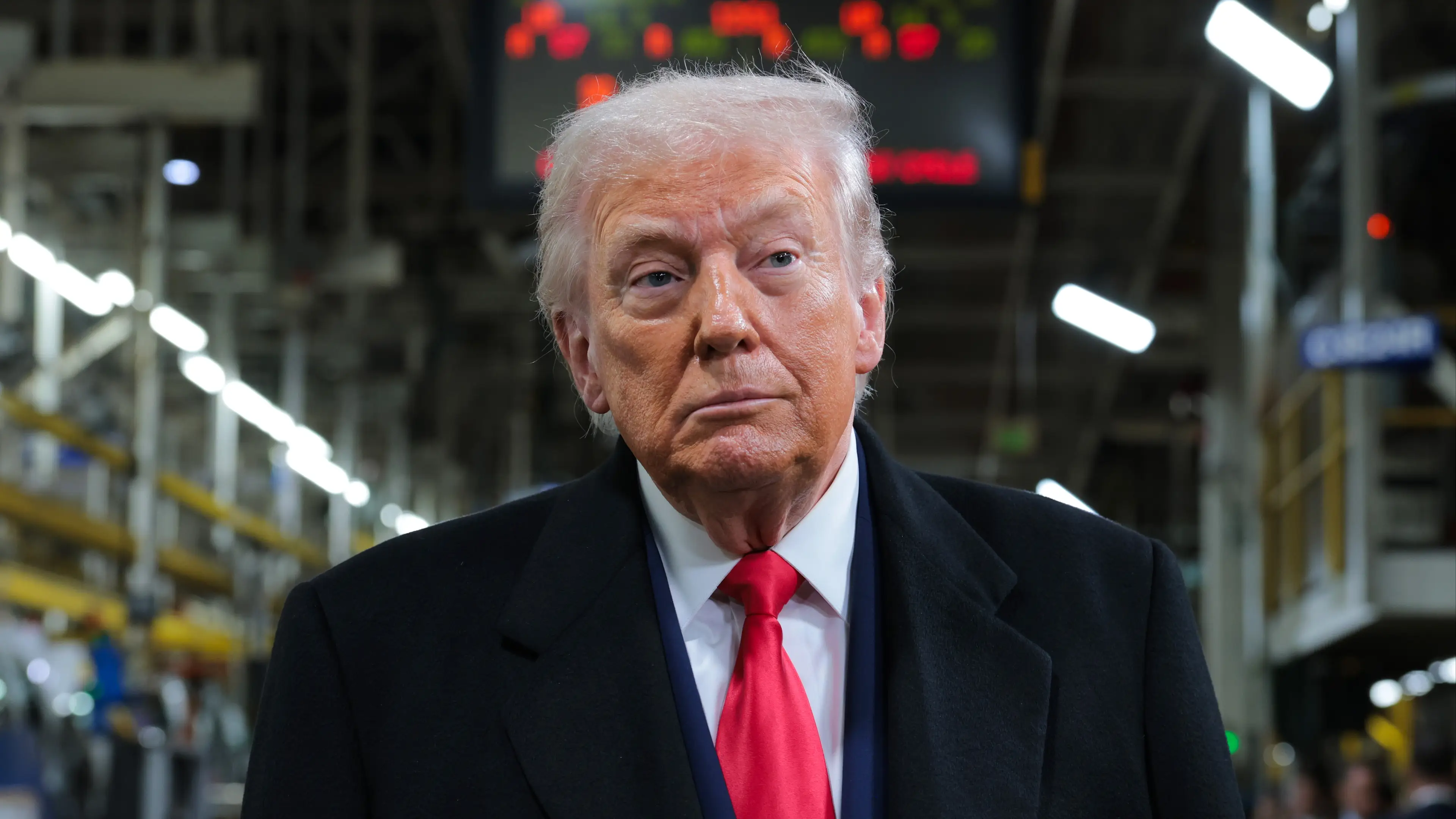
US responds to fears Trump's indefinite travel ban on 75 countries will affect major world event

It's been just over a week since Donald Trump's administration announced a ban on 75 countries from entering the United States, and spectators are still left with one unanswered question.
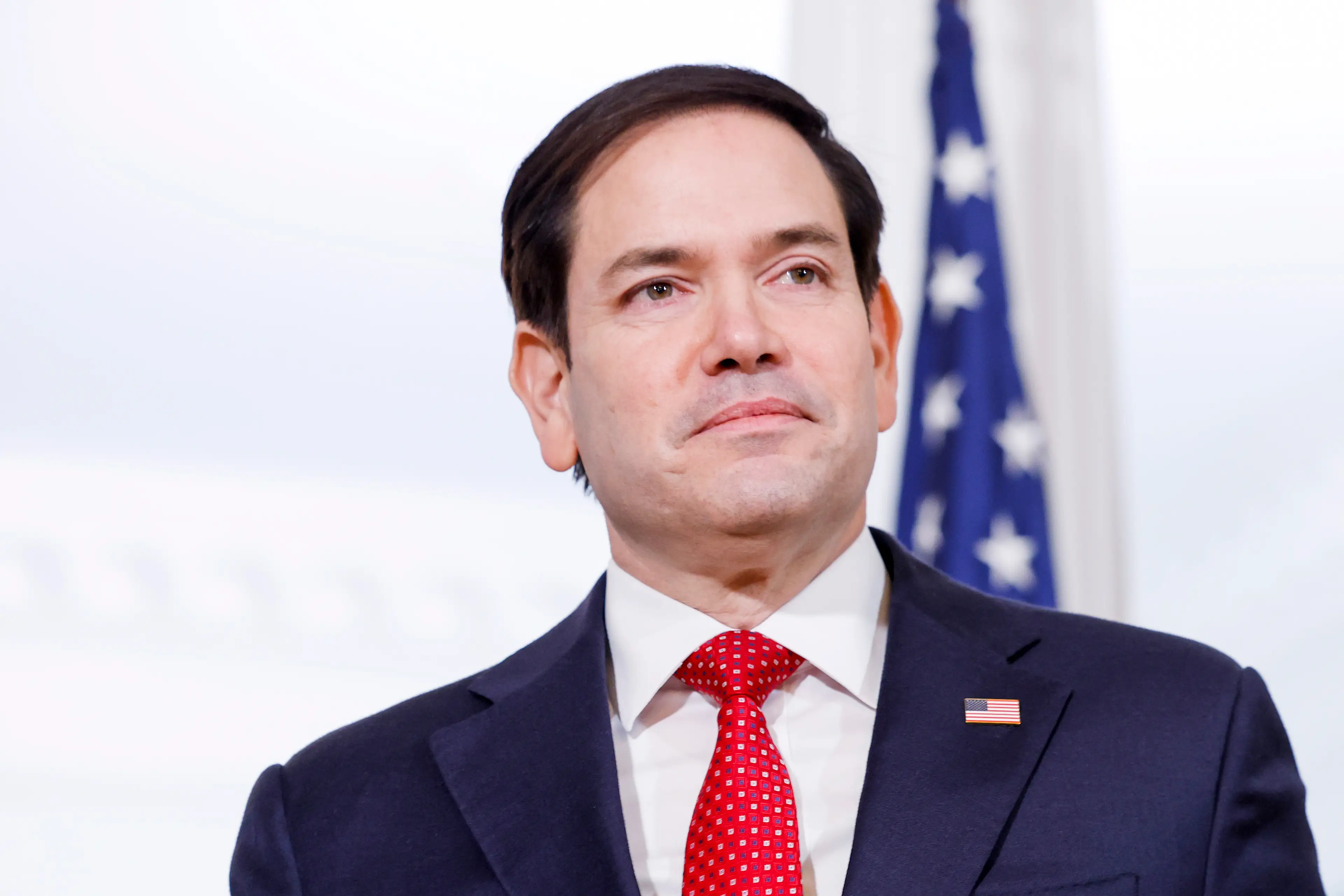
For those who missed it, the United States Secretary of State, Marco Rubio, announced on Wednesday (14 January) that consular offices would no longer approve official documentation from this list of nations.
The residents were simultaneously accused of 'extracting wealth from the American people' and would no longer be permitted to visit the US.
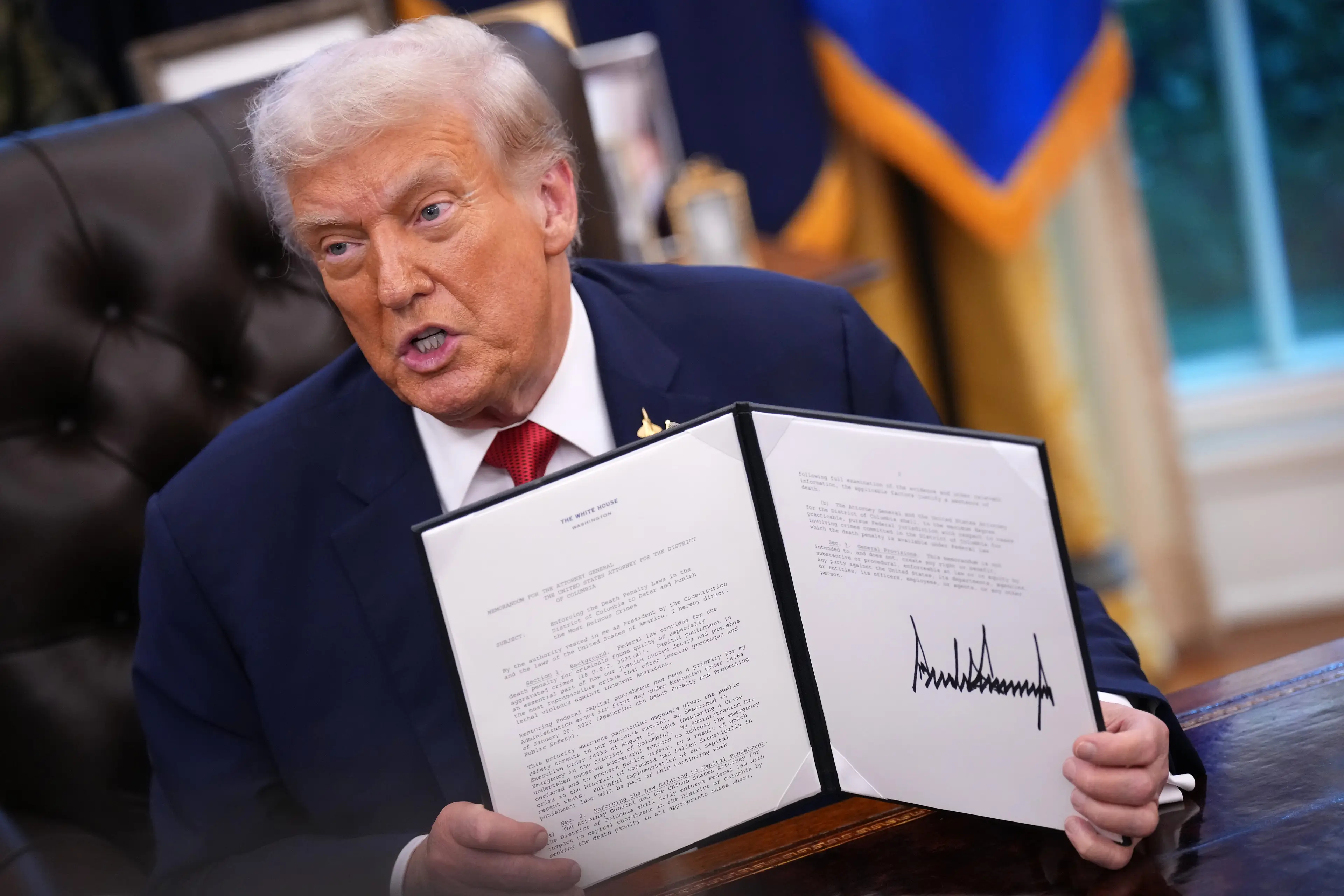
The ban was put into place just yesterday (21 Jan), and will last until 'screening and vetting’ procedures' are reassessed.
Advert
A spokesperson for Homeland Security issued an explanation on X, writing: "The State Department will pause immigrant visa processing from 75 countries whose migrants take welfare from the American people at unacceptable rates.
"The freeze will remain active until the US can ensure that new immigrants will not extract wealth from the American people."
The announcement continued: "The pause impacts dozens of countries - including Somalia, Haiti, Iran, and Eritrea - whose immigrants often become public charges on the United States upon arrival.
"We are working to ensure the generosity of the American people will no longer be abused. The Trump Administration will always put America First."
The full list of countries to be banned are: Afghanistan, Albania, Algeria, Antigua and Barbuda, Armenia, Azerbaijan, Bahamas, Bangladesh, Barbados, Belarus, Belize, Bhutan, Bosnia, Brazil, Burma, Cambodia, Cameroon, Cape Verde, Colombia, Cote d’Ivoire, Cuba, the Democratic Republic of the Congo banned, along with those from Dominica, Egypt, Eritrea, Ethiopia, Fiji, Gambia, Georgia, Ghana, Grenada, Guatemala, Guinea, Haiti, Iran and Iraq, Jamaica, Jordan, Kazakhstan, Kosovo, Kuwait, Kyrgyzstan, Laos, Lebanon, Liberia, Libya, Moldova, Mongolia, Montenegro and Morocco.
Nepal are also barred, along with Nicaragua, Nigeria, North Macedonia, Pakistan, Republic of the Congo, Russia, Rwanda, Saint Kitts and Nevis, Saint Lucia, Saint Vincent and the Grenadines, Senegal, Sierra Leone, Somalia, South Sudan, Sudan, Syria, Tanzania, Thailand, Togo, Tunisia, Uganda, Uruguay, Uzbekistan and Yemen.
Unsurprisingly, the move was met with immense backlash - especially from sports fans, given that the FIFA World Cup is set to be held across America, Canada and Mexico in just a few months.
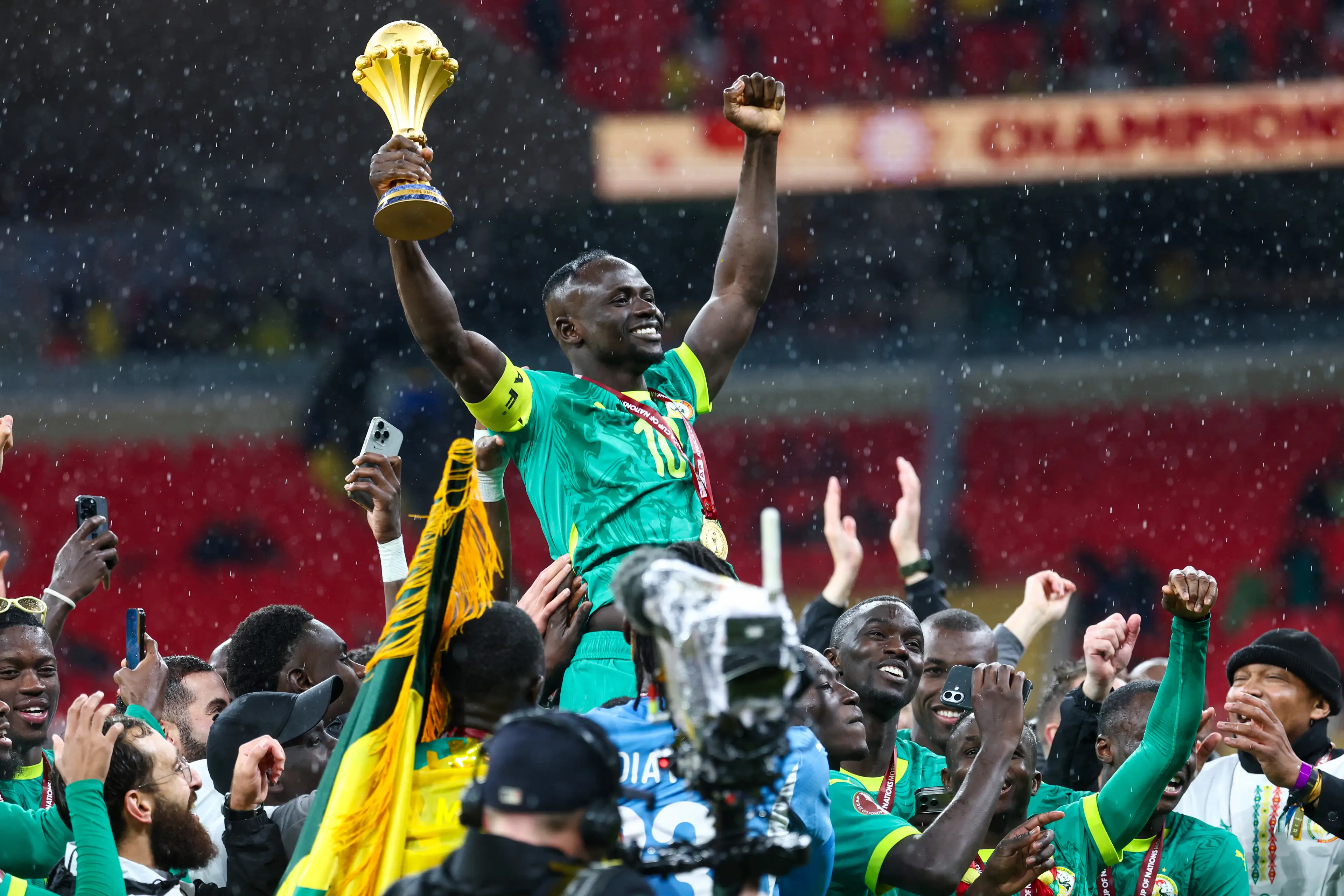
Fans of several frontrunners - from Senegal to the Ivory Coast, which recently won the Africa Cup of Nations - feared that they wouldn't be permitted to watch their favourite teams play without pre-existing visas.
Djibril Gueye, a long-time fan of Senegal - the winners of last week's tournament - told The Associated Press: "I don’t know why the American president would want teams from certain countries not to take part. If that’s the case, they shouldn’t agree to host the World Cup.
"It’s up to the United States to provide the conditions, the means, and the resources to allow the qualified countries so everyone can go and support their team."
Fatou Diedhiou, the president of a group of female Senegal fans, added: "We really want to participate, but we don’t know how. Now we just wait because the World Cup isn’t here yet, maybe they’ll change their minds. We don’t know. We wait and see."
Trump's team previously teased the introduction of a 'FIFA PASS', which would allow prioritised visa appointments for those who've already booked their tickets - although he's remained hush-hush on these since November.
Fears of fans being turned away at American borders was only further exacerbated when FIFA issued a statement earlier this year, warning fans that a match ticket wouldn't guarantee US entry.
"A match ticket does not guarantee admission to a host country, and fans should visit each country's government website today for entry requirements for Canada, Mexico and the United States," organisers claimed.
In response to urgent concerns, however, the US State Department has since provided an update, insisting that Trump's visa ban would not see football fans turned away at the border.
An official told that the ban would affect 'immigrant visas only', adding that it didn't impact visas for 'tourists, athletes and their families, and media professionals intending to travel for the World Cup'.
One individual likely to be thrilled with this promise is Zohran Mamdani, New York City's newly elected mayor, who recently expressed plans to fight for nations that have been banned, having hosted a Manhattan watch party for the Africa Cup of Nations final between Morocco and Senegal last week.

"For a long time, a love of this game, of these countries, of this tournament, is one that New Yorkers only got to experience in their own homes or in specific neighborhoods," Mamdani previously said.
"It hasn’t been one that’s been recognized by the city at large. And this is a chance to not only look at the incredible Senegalese community, the Moroccan community, and the larger African community we have in the city, but also as a chance to say that this is the city of the world and this is the world’s game.
"It’s time for those two things to be linked."
Topics: Football, Sport, US News, Donald Trump, Politics
 Rhianna Benson