Democrats introduce a bill to allow paid leave for period pain and menopause

Democrats have proposed a groundbreaking new bill to allow paid leave for period pain and menopause.
Democratic Representative Yassamin Ansari, the youngest woman in Congress, has introduced the 'H.E.R. Agenda' (Health, Equity, Rights), which has been described as 'a legislative package aimed at addressing longstanding gaps and inequities in women’s healthcare, with a focus on autonomy, pain management, and workplace protections'.
Ansari has also highlighted that the bill is not just for women and can also be utilised by men for fertility treatments and vasectomies, as well as other reproductive health issues.
In a recent TIME op-ed, Ansari opened up a little more about how her health issues have impacted her work life, writing: "I have passed out because of period pain. Even now, every month, I have days where it feels like barbed wire is tightening inside me. I’ve taken 2,000 milligrams of ibuprofen in 24 hours and still been in tears from the pain. I often end up on the bathroom floor, in the fetal position, crying, moaning, or vomiting. Still, I’ve put on a blazer and gone to work."
Advert
She continued: "I may be the youngest woman serving in Congress, but this pain is older than me, older than my mother, older than my grandmothers. They endured it in silence. Future generations shouldn’t have to.
"When we start speaking honestly about this pain, and when we finally pass policies that recognise it, we can change what’s possible for every generation that comes after us."
What does the H.E.R Agenda include?
The Reproductive Healthcare Leave Act
This would provide 12 days of paid leave for symptoms and recovery related to reproductive health conditions and procedures, including menstrual pain, menopause, endometriosis, IUD insertion, abortion care, vasectomies, and fertility treatments.
A 2019 study found 13.8% of women missed work during menstruation, while 80.7% experienced presenteeism, attending work but struggling to be productive. Another study found that 65% of people experiencing menopause reported impacts on work performance, and 18% had taken sick leave.
The bill would allow workers to manage these health needs without losing income or using limited sick leave.
The Gynaecological Pain Management Study Act
This would require the Secretary of Health and Human Services to identify barriers to pain management during and after gynaecological procedures, including IUD insertions, endometrial biopsies, and cancer screenings. The resulting report would include recommendations for legislative or administrative action.
In 2024, the American College of Obstetricians and Gynaecologists (ACOG) issued new pain-management guidelines, citing an 'urgent need' for better care. Despite proven pain-relief options, many patients report being offered only ibuprofen for procedures such as IUD insertion.
The Premenstrual Dysphoric Disorder (PMDD) Awareness and Research Act
This would direct the National Institutes of Health (NIH) to expand PMDD research, develop educational resources, and fund clinical trials for potential treatments.
PMDD affects an estimated 3.2% to 7.7% of women of reproductive age and can cause severe anger, irritability, depression, anxiety, and increased suicidal thoughts and behaviours. Despite its seriousness, PMDD is often undiagnosed or misdiagnosed, including as bipolar disorder, due to limited awareness among both clinicians and patients.
Resolution on Bodily Autonomy in Women’s Healthcare
This would formally acknowledge the history of women’s healthcare denying patient autonomy and recognise how that legacy continues to shape gynaecology and medicine today.
The resolution calls for addressing systemic reproductive injustice and prioritising women’s comfort, autonomy, and health needs in medical care.
Support for the bill
One Reddit user penned: "PLEASE, the amount of paid leave in this country is abysmal, and we’re so far behind in reproductive health!!"
"BASIC HUMANITY!" urged a second.
For any critics, a third hit out: "If you’re commenting about how this isn’t useful or a publicity stunt - as someone who has had two surgeries for endo, major flare ups including ER visits, more transvaginal ultrasounds than I can count, who once a month hobbles around my apartment in debilitating pain, who has been gaslit by doctors and authority figures about my pain again and again - please, politely, shut the f*ck up.
"For some people, the twelve days a year might be a luxury. For me, this bill would be a lifesaver."
A fourth lamented: "I want this so bad. I've taken unpaid days and had to drag myself to work so many times during my period. It makes me so sick every month due to suspected endometriosis.
"Right now, I'm stressing because I may need to take off for surgery, and I don't have enough personal time for that."
Another outlined: "My kid had endometriosis. The pain is real. I've often said if men menstruated, there would be a paid week off each month & free sanitary products in every public restroom."
And a final Redditor praised: "Hell yeah. It's something. She could have mentioned the women who have to get fibroid cysts cut out of them every so often. We talk about all these procedures as if it's getting a tooth filled; it's so much more invasive than that.
"Talking openly about this still feels almost taboo, and it shouldn't. I can imagine the old men politicians squirming at their unsavoury words. Unpleasant reality, so they keep their eyes closed."
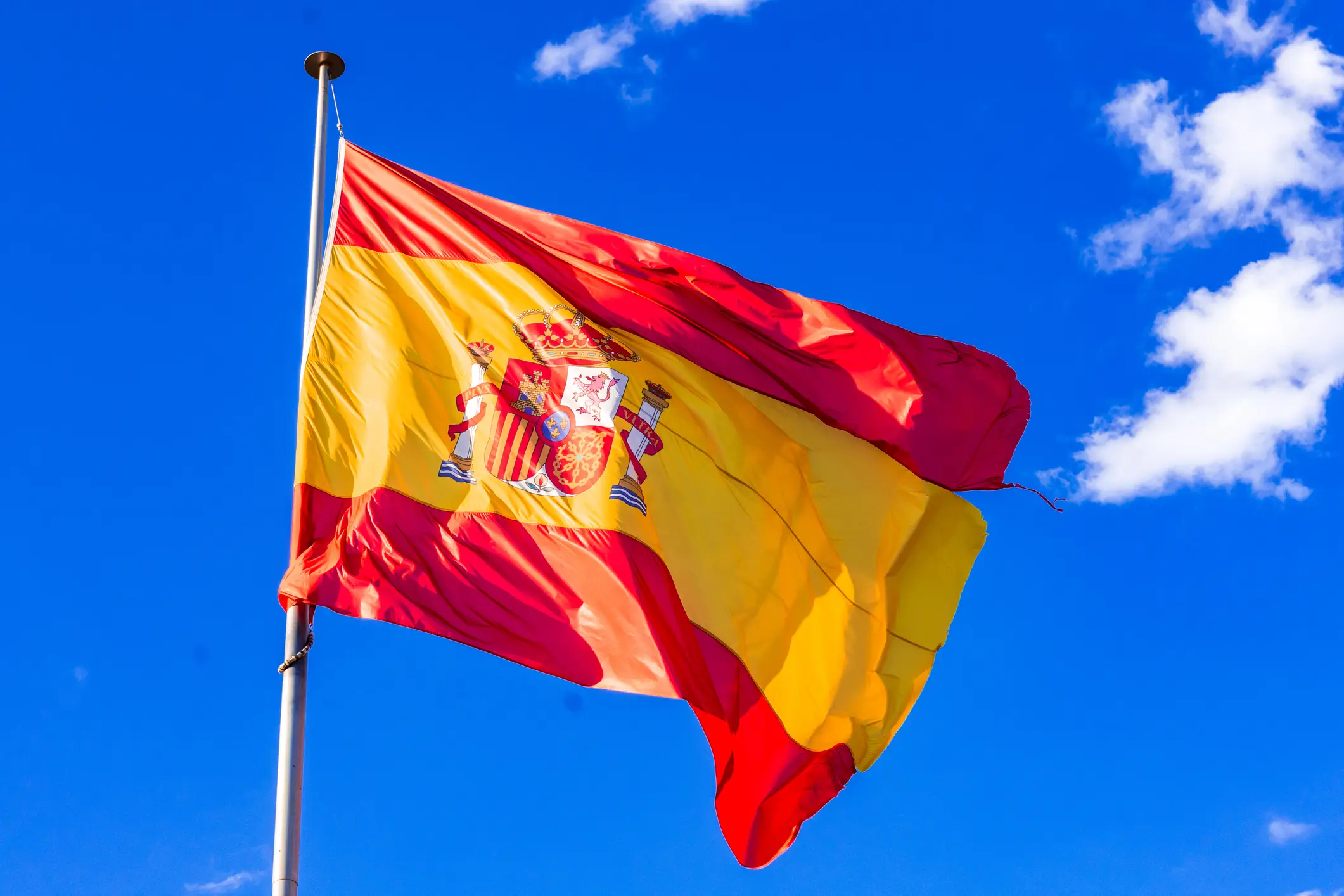
Countries with paid menstrual leave
Spain
Spain introduced paid menstrual leave in 2023 for workers experiencing severe period pain.
Leave is available with medical certification and is funded through the social security system.
Indonesia
Women are legally entitled to up to two days of menstrual leave per month.
The law dates from 2003, although implementation varies by employer.
Taiwan
Workers can take three days of menstrual leave annually.
These days are paid at the same rate as sick leave, which is generally 50% of regular pay.
Zambia
Women are entitled to one paid day off each month, commonly known as 'Mother's Day'.
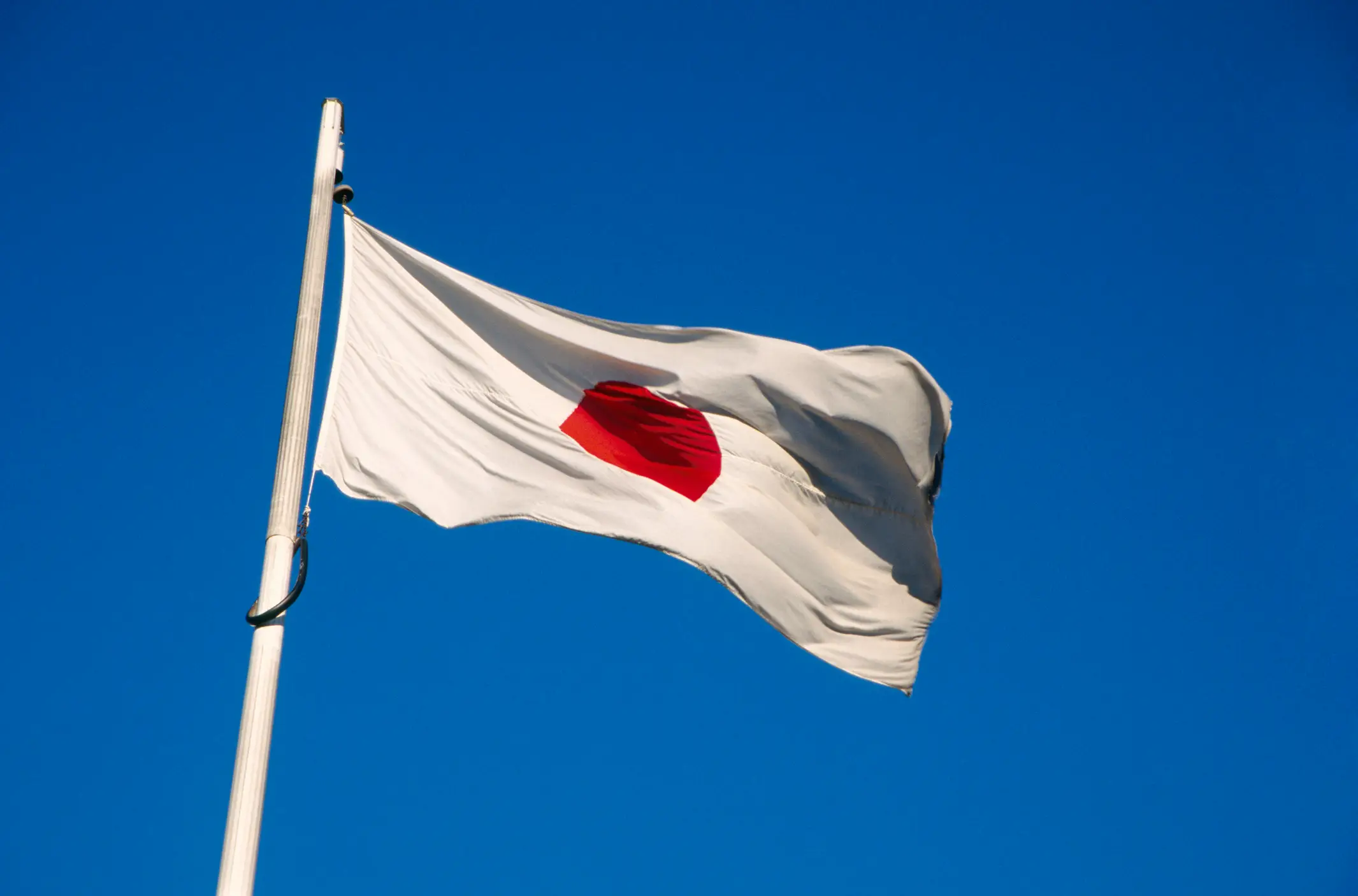
Countries with menstrual leave that is not necessarily fully paid
Japan
Workers have a legal right to menstrual leave, but employers are generally not required to pay for it. Some companies voluntarily provide paid leave.
South Korea
Employees can take menstrual leave, but it is typically unpaid under national law.
China
Some provinces and local jurisdictions offer menstrual leave arrangements, though coverage and payment vary.
Countries with paid menopause leave
There are currently no widely recognised countries with a national statutory paid menopause leave law covering all workers.
Most menopause support is provided through sickness absence policies, workplace accommodations, or employer-specific schemes.
However, there are a number of notable employer-led examples
Ireland
The Bank of Ireland introduced a paid menopause leave policy, making headlines as one of the first major employers to do so. This is not a national entitlement.
United Kingdom
Some employers offer menopause leave or menopause-related paid time off. Examples include ASOS and several local authorities. There is no national menopause leave law.
Australia
There have been proposals for paid reproductive leave covering menopause and perimenopause, but no nationwide entitlement currently exists.
Topics: Women's Health, US News, Periods, Menopause, Politics
 Rhiannon Ingle