
People who menstruate may get an extra 36 paid days of annual leave a year due to new Green Party proposal

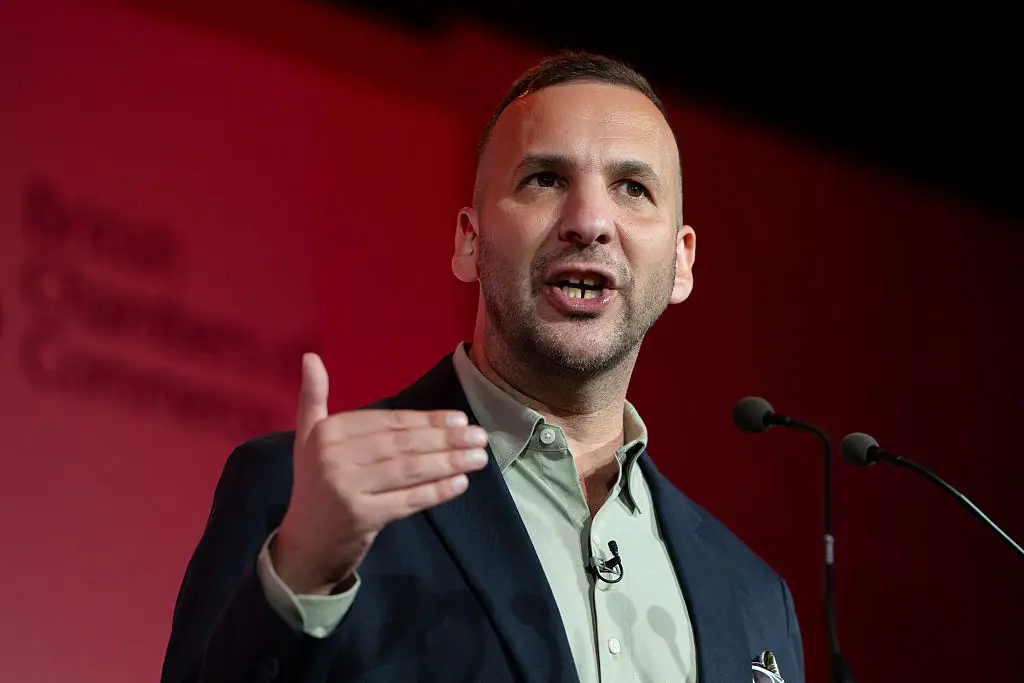
The UK's Green Party, led by Zack Polanski, is proposing an extra 36 paid days of annual leave a year for people who menstruate.
According to a new report from The Spectator, leaked documents show a motion submitted ahead of the party's Autumn Conference that would require employers to allow staff to take up to three days off each month during menstruation.
Workers wouldn't need to provide a doctor's note, and the leave would not count as sickness absence or be deducted from annual leave.
The proposal, which refers to 'workers who menstruate' rather than 'women', also calls for extended leave for those with endometriosis, adenomyosis, polycystic ovary syndrome and other related conditions.
Advert
Employees with those diagnoses would only need to provide medical evidence once a year.
If adopted, the policy would be added to the Workers' Rights and Employment section of the party's Policies for a Sustainable Society.
The motion was submitted by Allan McLeod, a male Green Party member who serves as a trade union representative for the Darlington Green Party and previously sat on the party's National Disciplinary Committee.
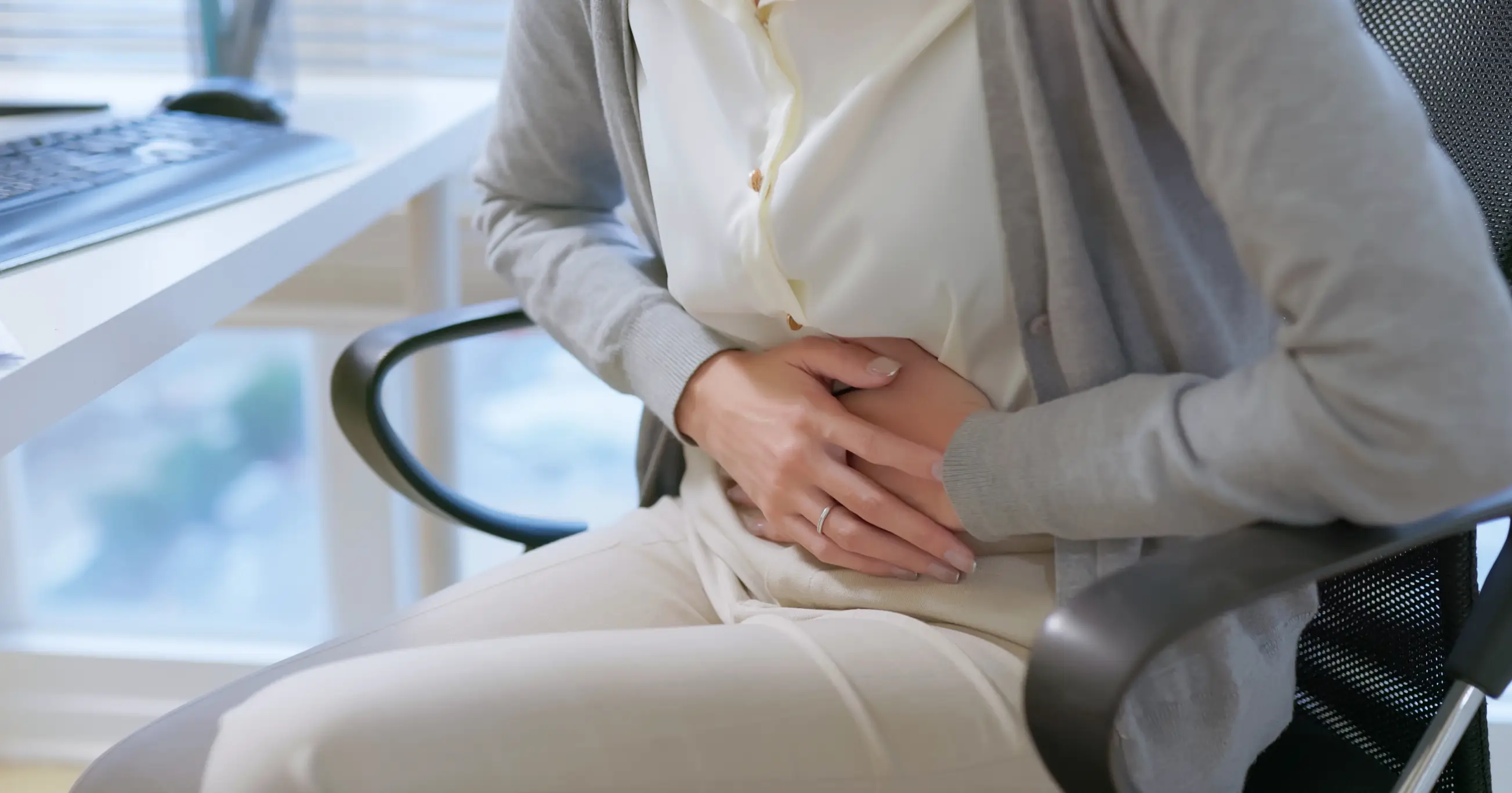
The discourse surrounding menstrual leave has been ongoing for quite some time now across the globe.
Earlier this month, Democratic Representative Yassamin Ansari proposed a groundbreaking new bill to allow paid leave for period pain and menopause.
Ansari, the youngest woman in Congress, introduced the 'H.E.R. Agenda' (Health, Equity, Rights), which has been described as 'a legislative package aimed at addressing longstanding gaps and inequities in women’s healthcare, with a focus on autonomy, pain management, and workplace protections'.
Ansari has also highlighted that the bill is not just for women and can also be utilised by men for fertility treatments and vasectomies, as well as other reproductive health issues.
Several countries already have national menstrual leave policies with paid leave, either fully or partially paid.
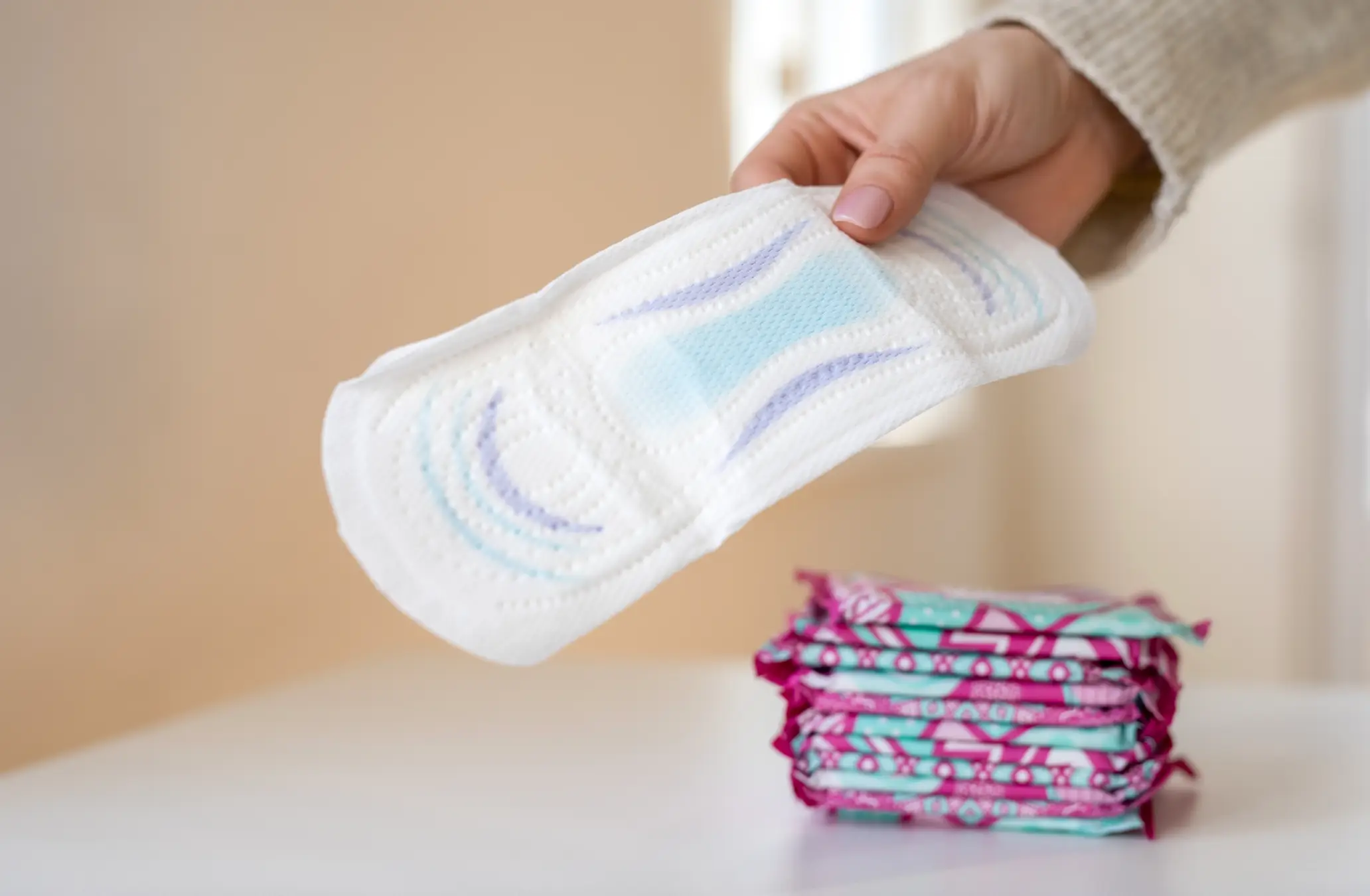
Spain introduced paid menstrual leave in 2023 for workers experiencing severe period pain.
Leave is available with medical certification and is funded through the social security system.
Meanwhile, women in Indonesia are legally entitled to up to two days of menstrual leave per month.
The law dates from 2003, although implementation varies by employer.
In Taiwan, workers can take three days of menstrual leave annually.
These days are paid at the same rate as sick leave, which is generally 50% of regular pay.
And, in Zambia, women are entitled to one paid day off each month, commonly known as 'Mother's Day'.
Tyla has reached out to Zack Polanski's office for comment.
Topics: Periods, Women's Health, UK News, Politics, Health
 Rhiannon Ingle