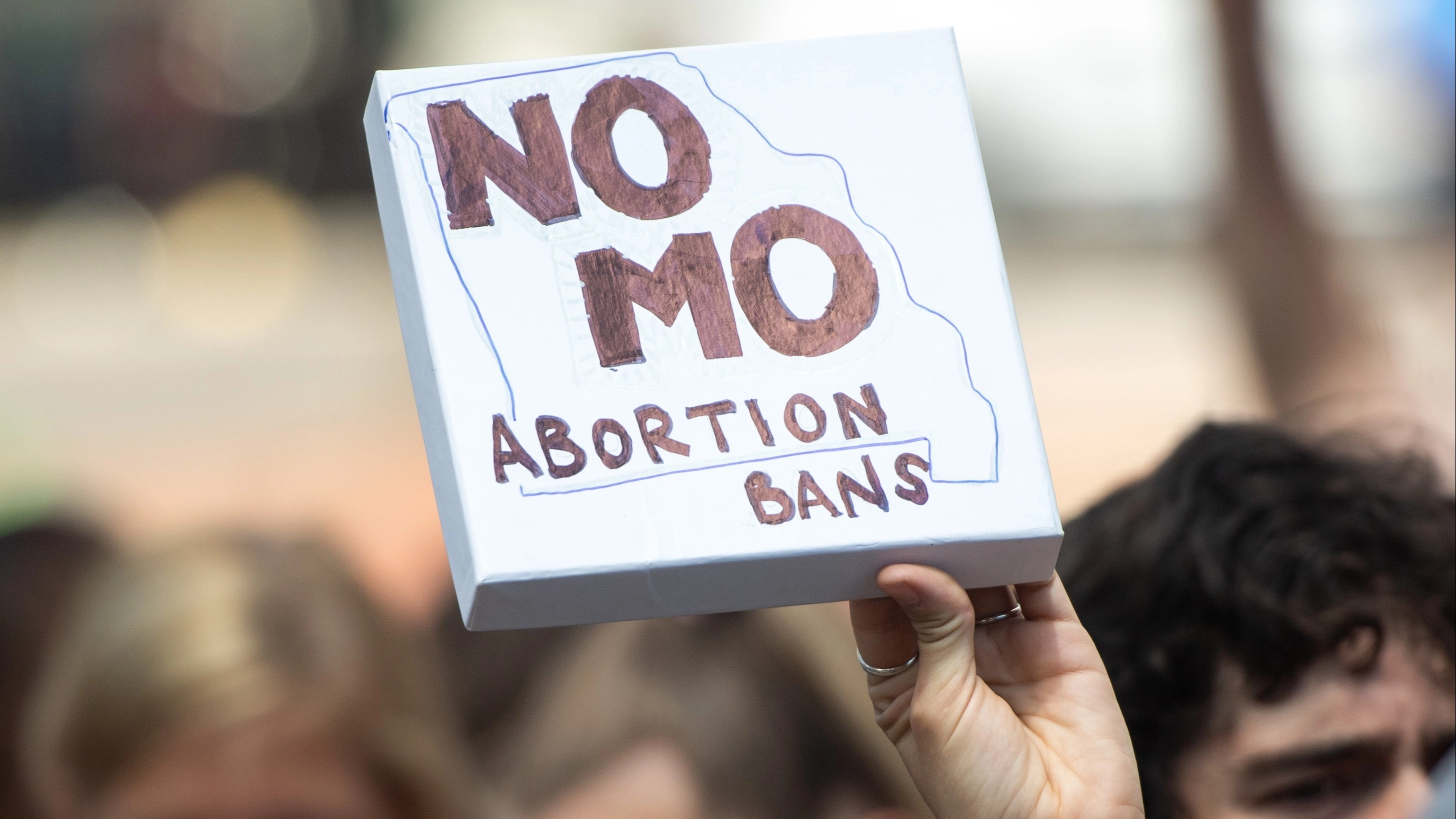
What Missouri's midterm abortion vote means for women’s rights

Voters in Missouri have rejected attempts to ban abortion in almost all cases in the first 12 weeks of pregnancy.
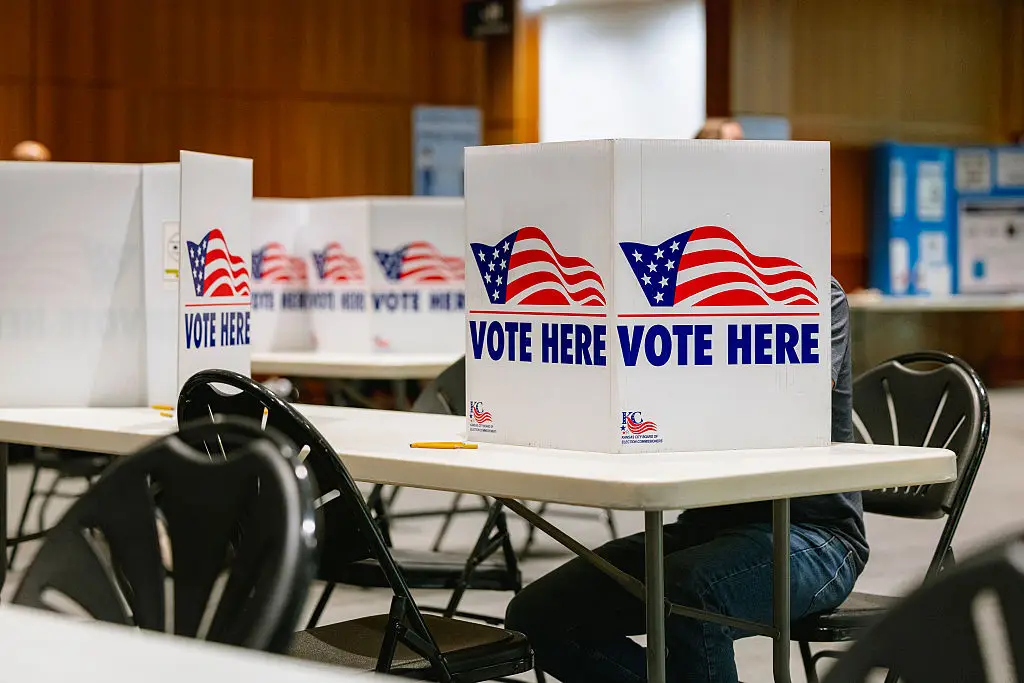
Missouri's Amendment 3, formally titled the Prohibit Abortion and Gender Transition Procedures for Minors Amendment, was put before voters on 3 November 2026 as a proposed change to the state's constitution. They rejected it by approximately 55 percent to 45 percent.
The result marks a significant setback for Republican lawmakers, who had sought to reverse protections approved by voters in 2024. Those protections enshrined abortion rights in Missouri’s state constitution, making them more difficult to remove than ordinary legislation.
The outcome means abortion protections will remain in place in Missouri.
How did Amendment 3 sought to change Missouri's abortion laws?
Since the US Supreme Court overturned Roe v. Wade in June 2022 and removed the federal constitutional right to an abortion, states have taken different approaches. Some have introduced strict abortion bans while others have moved to protect access.
Advert
Missouri's Amendment 3 would have prohibited most abortions while allowing exceptions for rape and incest up to 12 weeks of pregnancy, medical emergencies and foetal anomalies.
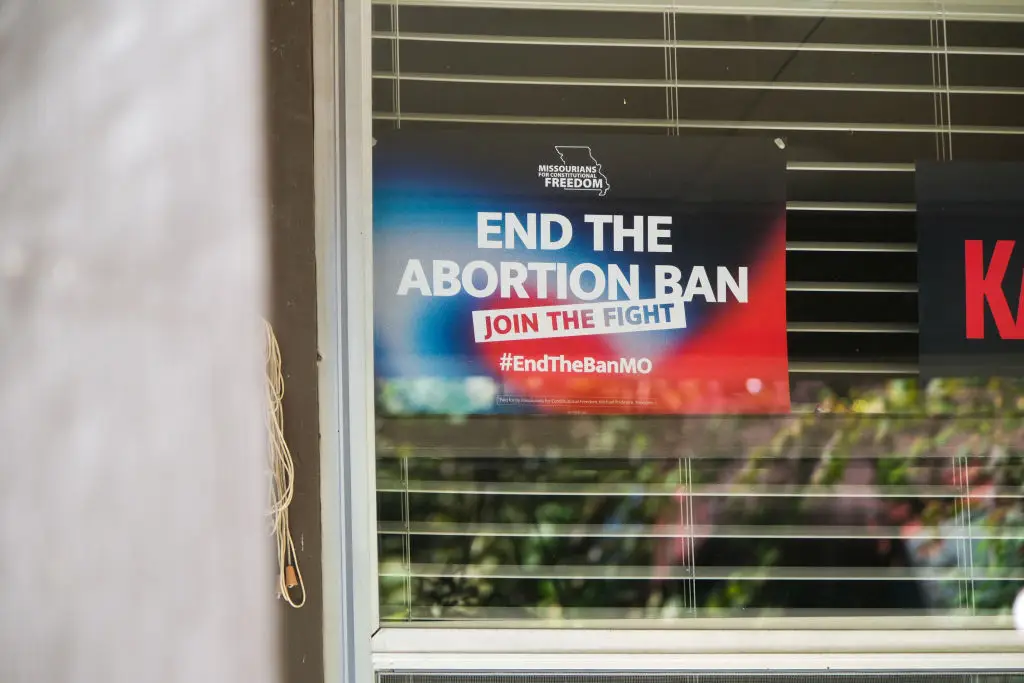
It also proposed a ban on gender-affirming care for transgender minors to be added to Missouri's state constitution. This is already banned through state legislature, though bans on puberty blockers and hormone therapy expire next year.
The result highlights the divide between Missouri's Republican-controlled government and voters on the issue of abortion.
However, the legal protection of abortion rights has not necessarily translated into easy access. Abortion in Missouri has remained heavily regulated and sporadically available.
The 19th reports that by 2022, just one clinic in the entire state, located in St. Louis, was providing abortion services.
How have both sides reacted to the result of the vote?
In a news report published by St. Louis Public Radio, Mallory Schwarz, executive director of Abortion Action Missouri, said the rejection of Amendment 3 reflected voters' opposition to political interference in personal healthcare decisions.
“People don't want politicians in their business, in their healthcare decisions,” Schwarz said.
However, Amanda Sanders, communications director for the pro-life campaign Her Health, Her Future, described the result as a 'devastating loss for women', arguing that it represented a loss for women's health and safety, children and unborn life.
Despite voters rejecting the proposal, the debate over abortion access in Missouri is unlikely to end.
Sanders said the campaign would continue its work despite the defeat. She argued that the result did not reflect a wider decline in support for anti-abortion views, saying: “We've seen a nationwide shift to the left. We still maintained a pretty competitive race. We know Missourians care about life.”
Sanders added that the issue extended beyond the ballot box, describing it as a moral rather than political question.
Schwarz said she did not expect Republican lawmakers to accept the result without further attempts to change abortion policy.
“They didn't listen to voters last time. I don't expect them to listen to voters this time,” Schwarz said.
However, Schwarz said the result sent a clear message about public support for abortion access.
 Greg Harris