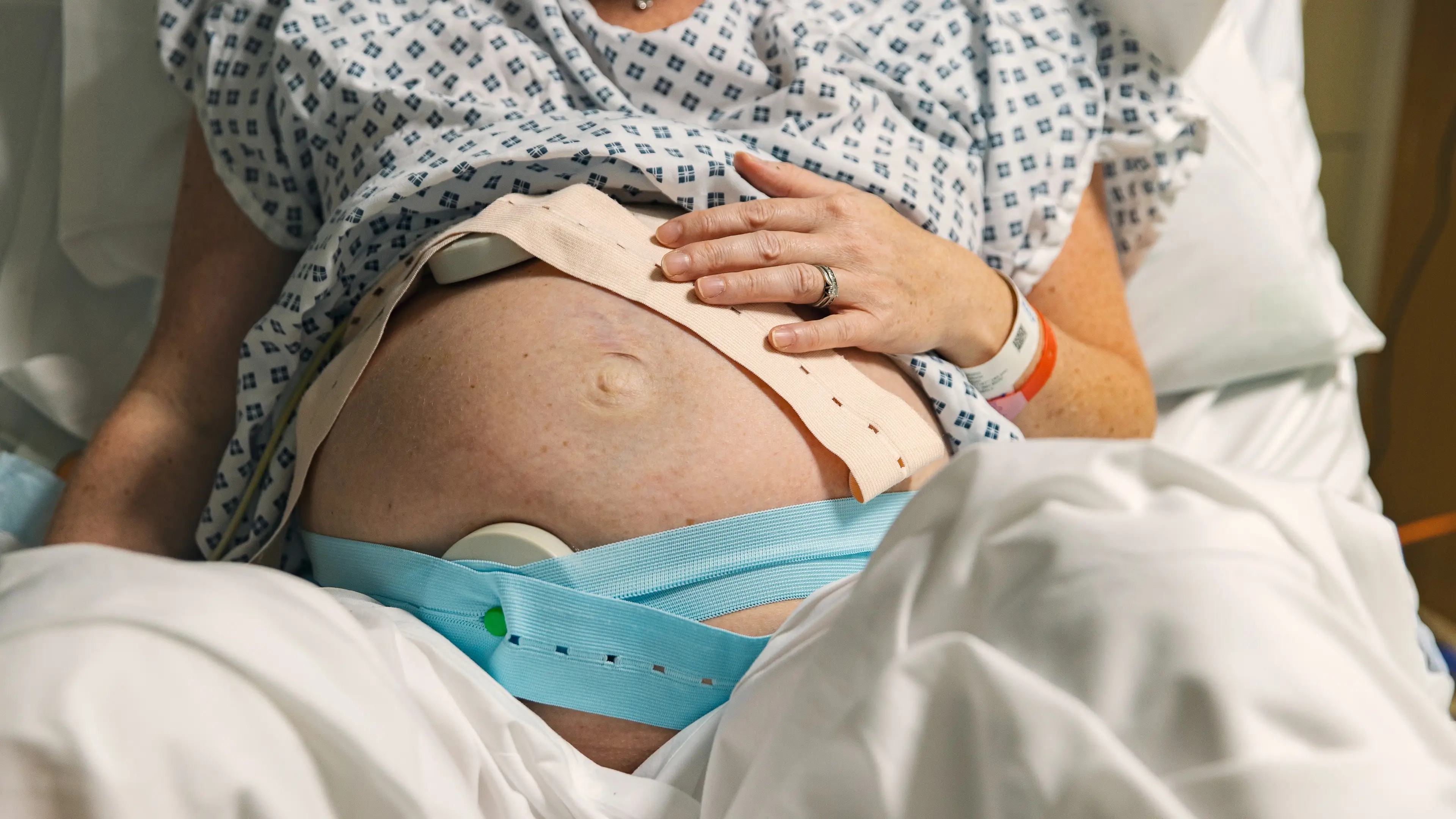
Over 500 mothers and babies harmed or died due to ‘systemic failures’ at Nottingham University Hospitals NHS Trust

Warning: This article contains discussion of baby loss which some readers may find distressing.
More than 500 mothers and babies suffered potentially avoidable harm or died because of 'deeply embedded systemic failures' at a 'toxic' hospital trust, according to a major review of maternity services at Nottingham University Hospitals NHS Trust (NUH).
The inquiry, led by senior midwife Donna Ockenden, found that trust leaders had been aware of serious problems in maternity care for years but failed to act, allowing poor practice and preventable tragedies to continue.
In her introduction to the report, Ockenden said: "We owe it to every mother, every baby and every family whose terrible experiences are recorded here that they are never repeated."
Advert
She added that 'the culture of compounding of harm needs to stop'.

The review identified 520 cases in which mothers or babies experienced potentially avoidable harm or death.
These included at least 156 baby deaths and six maternal deaths.
Among the baby deaths were 94 stillbirths and 62 neonatal deaths shortly after birth, with assessors finding causes included oxygen starvation, mismanaged labour, hospital-acquired infections and poor postnatal care.
More than 2,500 families and over 800 staff contributed to what has become the largest maternity inquiry in NHS history.
The review found repeated failures in monitoring babies, interpreting CTG traces, recognising signs of distress during labour and escalating concerns to senior clinicians.
Assessors said families were often assured lessons would be learned, yet 'similar incidents recurred repeatedly over many years'.

There was also evidence that harm was downgraded, with some families told their babies had died from natural causes when that was not the case.
The report added: "Across multiple cases and over many years, opportunities to recognise deterioration, escalate concerns and intervene appropriately were missed."
A central finding was the existence of a 'bullying and toxic culture' that persisted for years.
Staff described intimidating cliques, entrenched hierarchy, nepotism and aggressive behaviour, with one employee claiming: "Bad behaviours and toxic culture were normalised; people didn’t even recognise it… (There were) entrenched ways of behaving that were unprofessional and cruel to women on the labour ward."

Reviewers also identified 'a culture of organisational denial', with poor outcomes regularly dismissed as 'known complications'.
Staff reported pressure not to admit women in labour, while some women experienced delays in examination or transfer to labour wards because of workplace culture.
The report highlighted serious shortcomings throughout maternity care.
Women described feeling unheard when reporting reduced foetal movements or pregnancy complications. Some were discouraged from attending the hospital in person and received poor telephone assessments instead.
Communication support for women whose first language was not English was often inadequate, while staff reported racism and 'racist attitudes towards black women labelled too loud, too demanding'.
In postnatal care, reviewers found failures to identify deteriorating mothers and unwell babies and some patients were contacted by phone when face-to-face assessments were required.
"In several cases, the consequences of these failures were severe and irreversible," the report added.
Staff shortages and operational pressures were also widespread, with employees describing routine work 'beyond safe capacity'.
Managers were frequently viewed as 'invisible, unapproachable and unresponsive'.
The inquiry further examined care after death and found 'recurring examples of failure to protect the dignity of the deceased', including an early gestation baby being disposed of as clinical waste, the use of dehumanising language and failures in mortuary care.
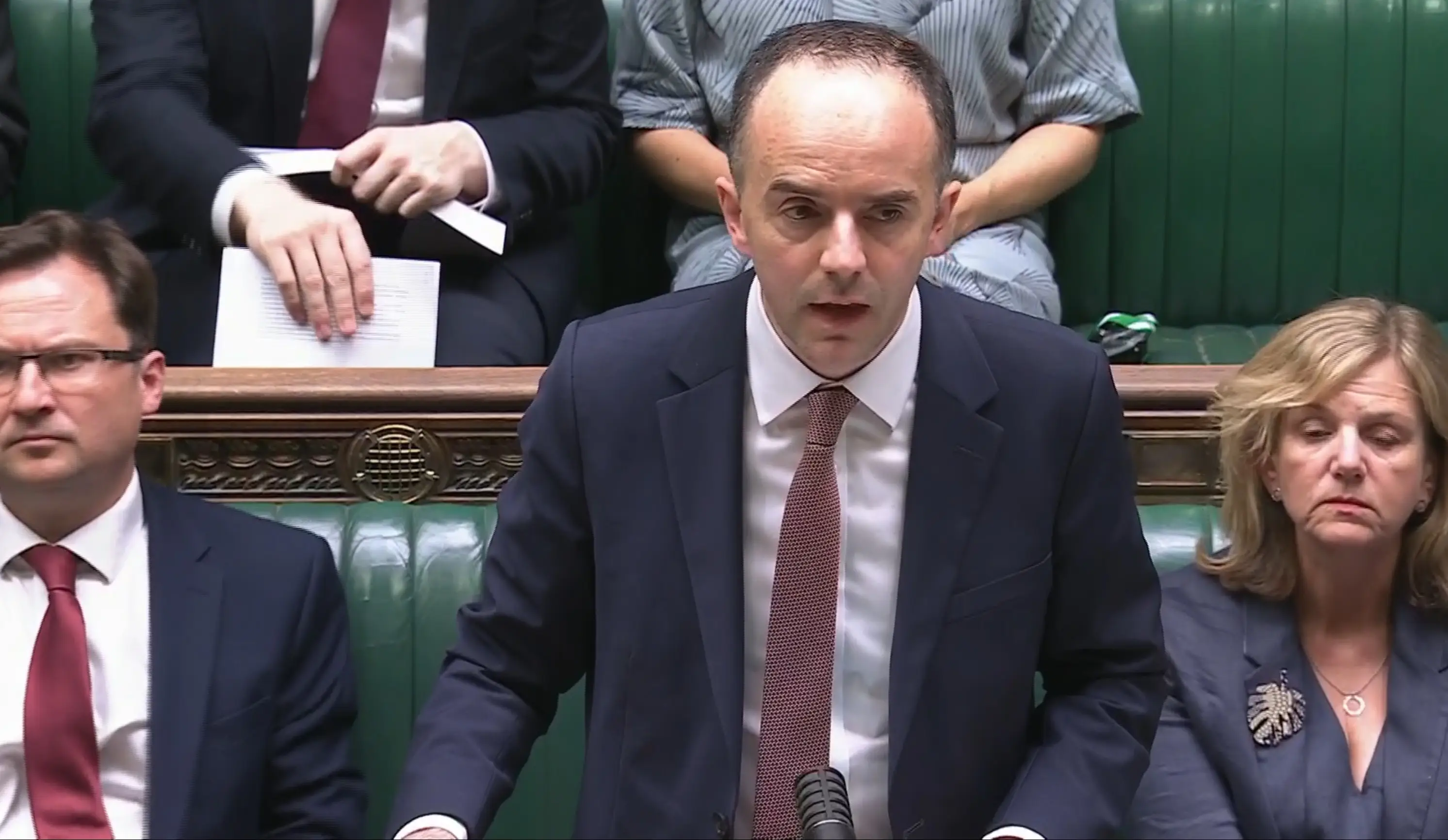
Health Secretary James Murray said the government would 'deliver lasting change' and that lessons from Nottingham would help shape a national plan to improve maternity and neonatal care.
NUH chairman Nick Carver and chief executive Anthony May apologised in an open letter, saying: "We apologise unreservedly to the women and families who have suffered harm, loss, trauma or distress while receiving care in our services.
"We failed you, and on behalf of Nottingham University Hospitals Trust, we accept responsibility for our failings."
When approached for comment, the NUH directed Tyla to its open letter statement.
If you need support and advice following a pregnancy loss, you can contact the Tommy’s team at [email protected]. You can also call them for free on 0800 014 7800, Monday to Friday, 9am to 5pm.
Topics: Pregnancy, UK News, Women's Health, Health, NHS
 Rhiannon Ingle