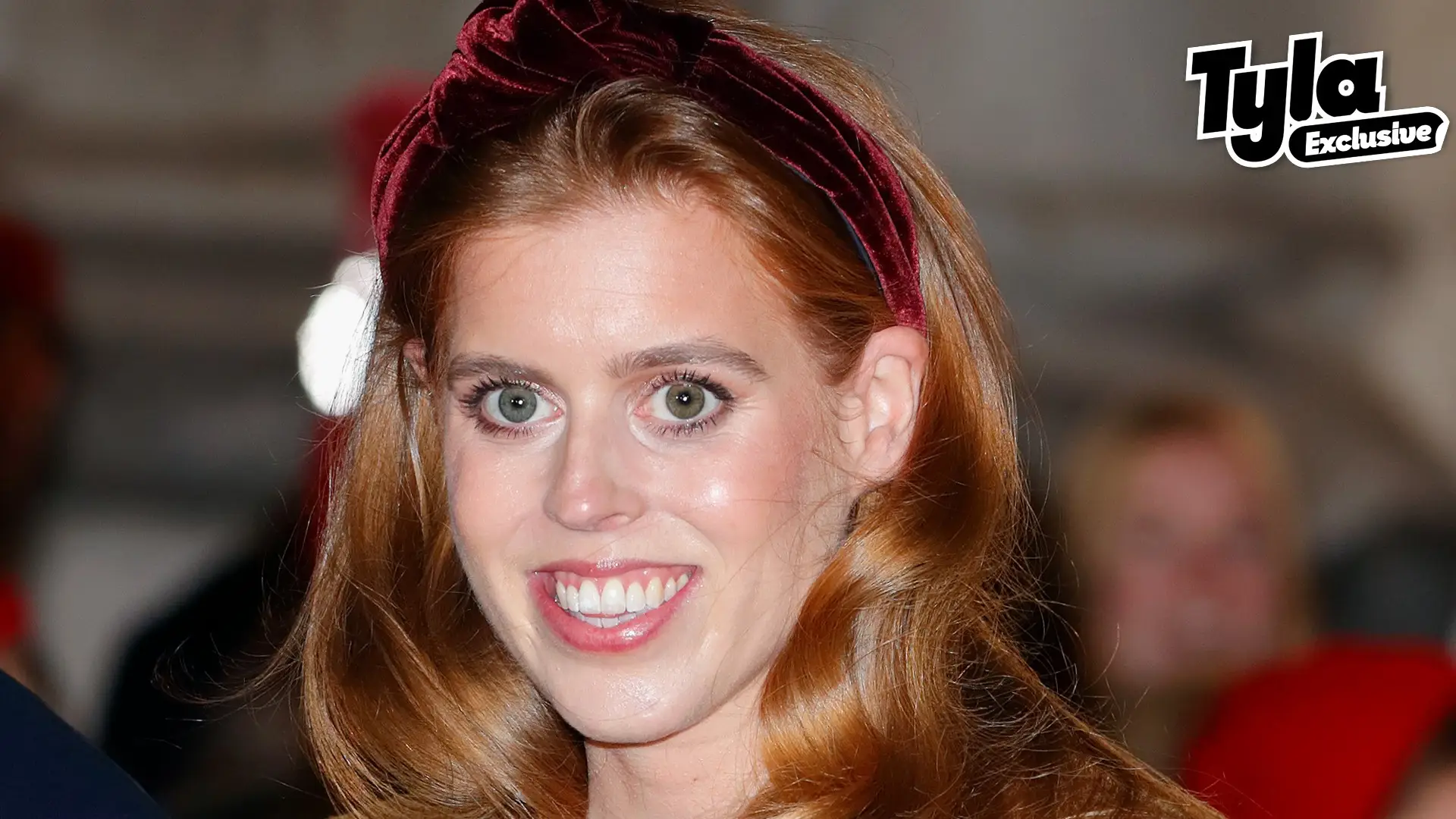
Princess Beatrice's surprising career outside the Royal Family explained

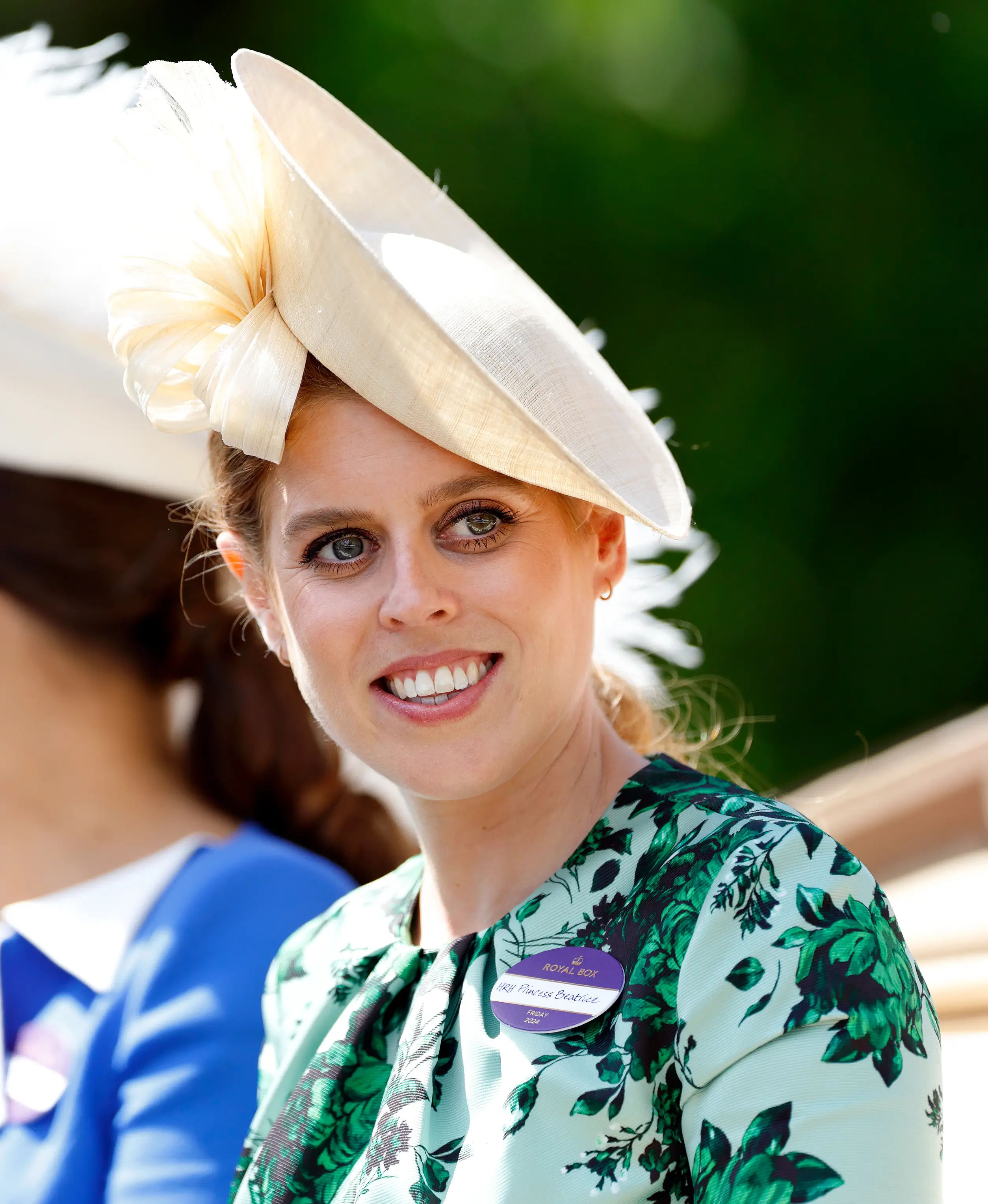
Today (8 Aug) marks the 38th birthday of Princess Beatrice - but unlike some of the Royal Family's most recognisable faces, she'll likely be marking the occasion while balancing something millions of Brits know all too well.
We are, of course, talking about her corporate career.
While other senior royals - like Prince William and Kate Middleton - dedicate their working lives to carrying out official engagements on behalf of the King, Beatrice has quietly carved out an impressive career in the business and tech arena.
Over the years, the mother-of-two has held several corporate positions, including working in partnerships and strategy roles, and currently serves as an adviser and company director.
Advert
It often leaves royal fans asking the same question - how exactly is a real-life Princess allowed to have a 'normal' job?
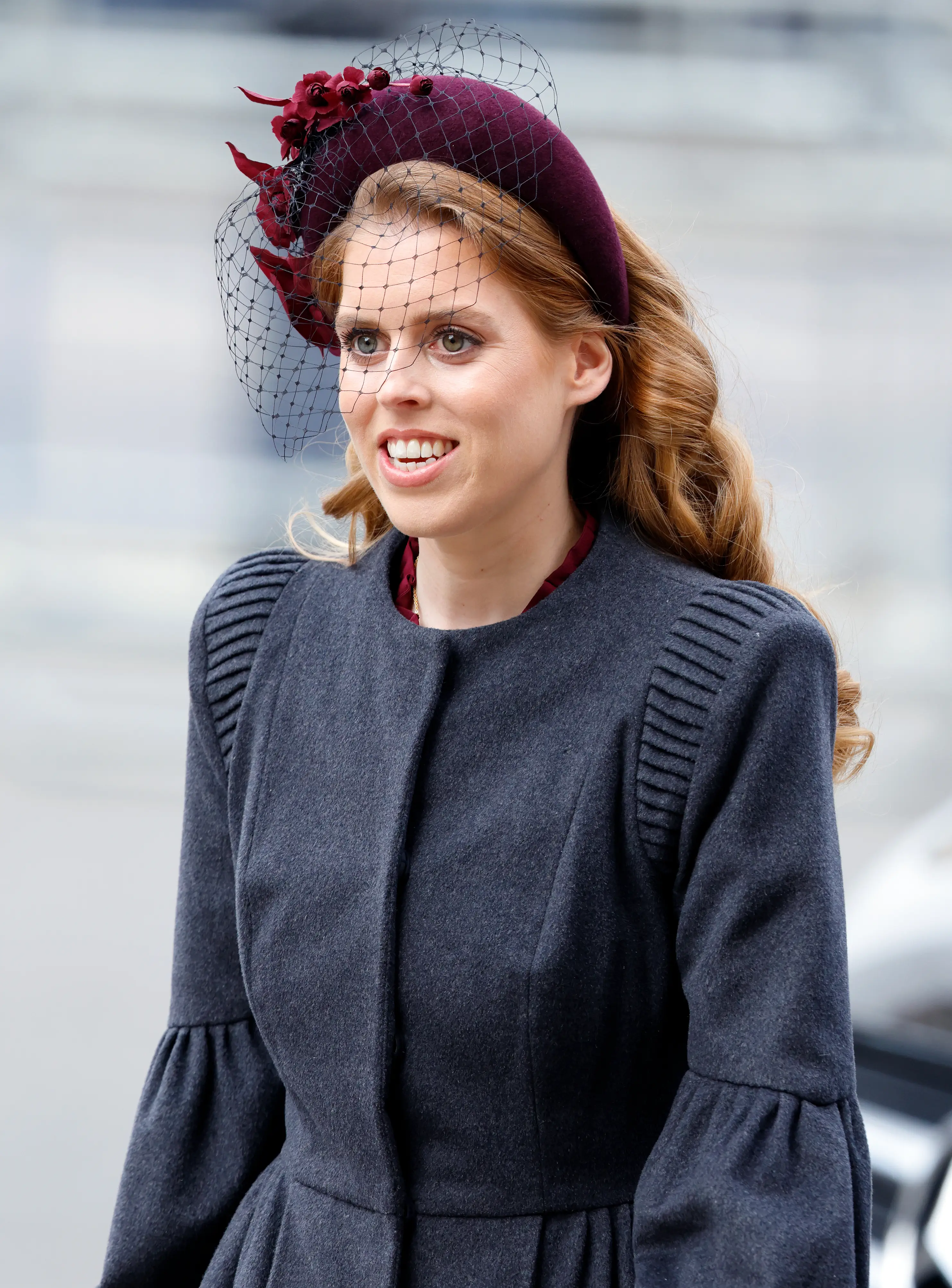
What makes her different from other royals?
As a reminder, Beatrice is the eldest daughter of Andrew Mountbatten-Windsor (formerly Prince Andrew) and Sarah Ferguson (the former Duchess of York), and is the sister of Princess Eugenie.
Interestingly, despite being rather high in the line of succession, neither sibling is what we would consider a 'senior working royal'.
Instead, the pair fall into the category of what's often referred to as a non-working royal, meaning she occasionally undertakes royal engagements, but isn't funded to carry out official duties full-time like the Wales'.
Speaking exclusively to Tyla this week, former royal butler Grant Harrold claimed that this distinction is vital for professional career aspirations.
"Princess Beatrice isn't a senior working member of the royal family," he explained in collaboration with Casino Hawks. "So, in that capacity, she doesn't really need any type of permission to take on a corporate role."
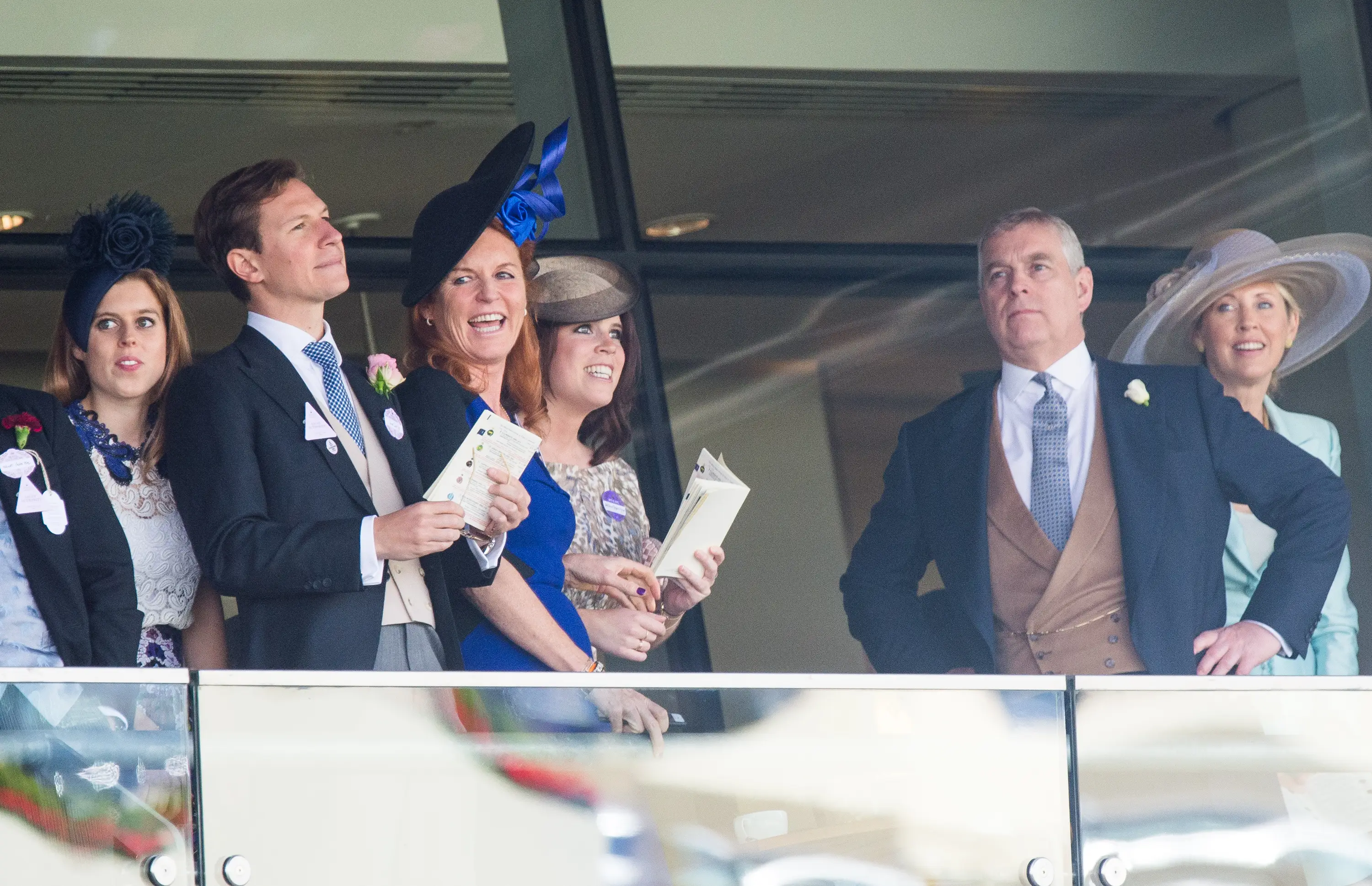
While many people might assume any member of the monarchy needs to have received the King's (or Queen's) blessing before accepting a high-profile position, Harrold says that's not quite how it works.
"I believe she would run any potential role past the family, out of goodwill and courtesy," he continued. "That being said, she wouldn't need permission as such; she would just check in and make sure the King is comfortable with the decision.
"This isn't something that the monarch approves or the Private Secretary oversees; it is completely her choice. If that is the path Princess Beatrice wants to go down, there really is no reason to stop her."
So, is she a 'nepo-Princess'?
By all accounts, Beatrice built her career gradually.
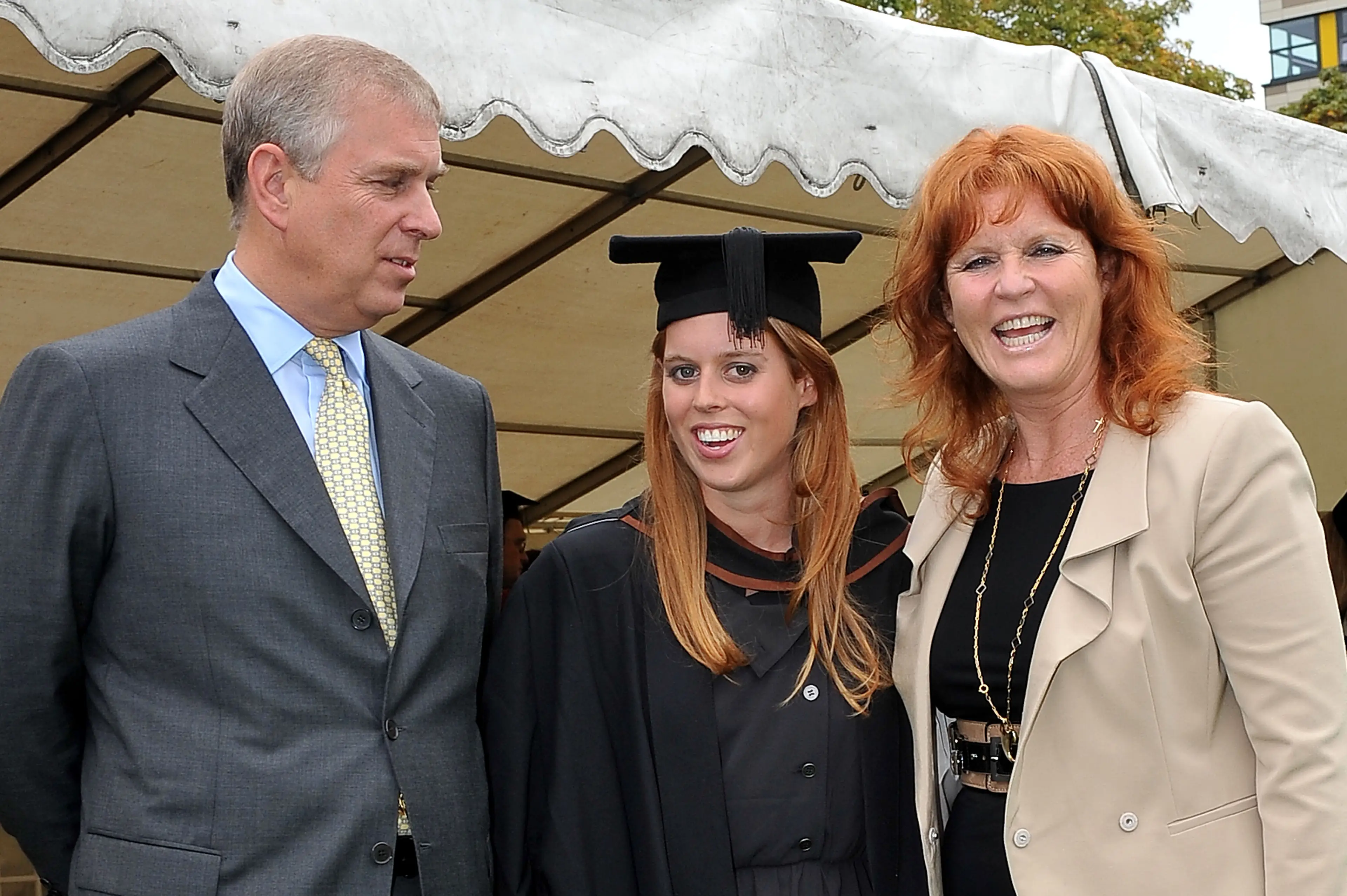
Following her graduation from Goldsmiths, University of London, which bagged her a degree in History and History of Ideas, she completed work experience at the fashion department store Selfridges, before spending time in the Foreign Office's press office.
She later became a paid intern at Sony Pictures, leaving after the 2014 cyberattack on the company.
The following year, Beatrice fled the UK - much like her cousins, Prince Harry and Meghan Markle - and relocated to the States. She set up shop in New York, where her corporate career seemingly really took off.
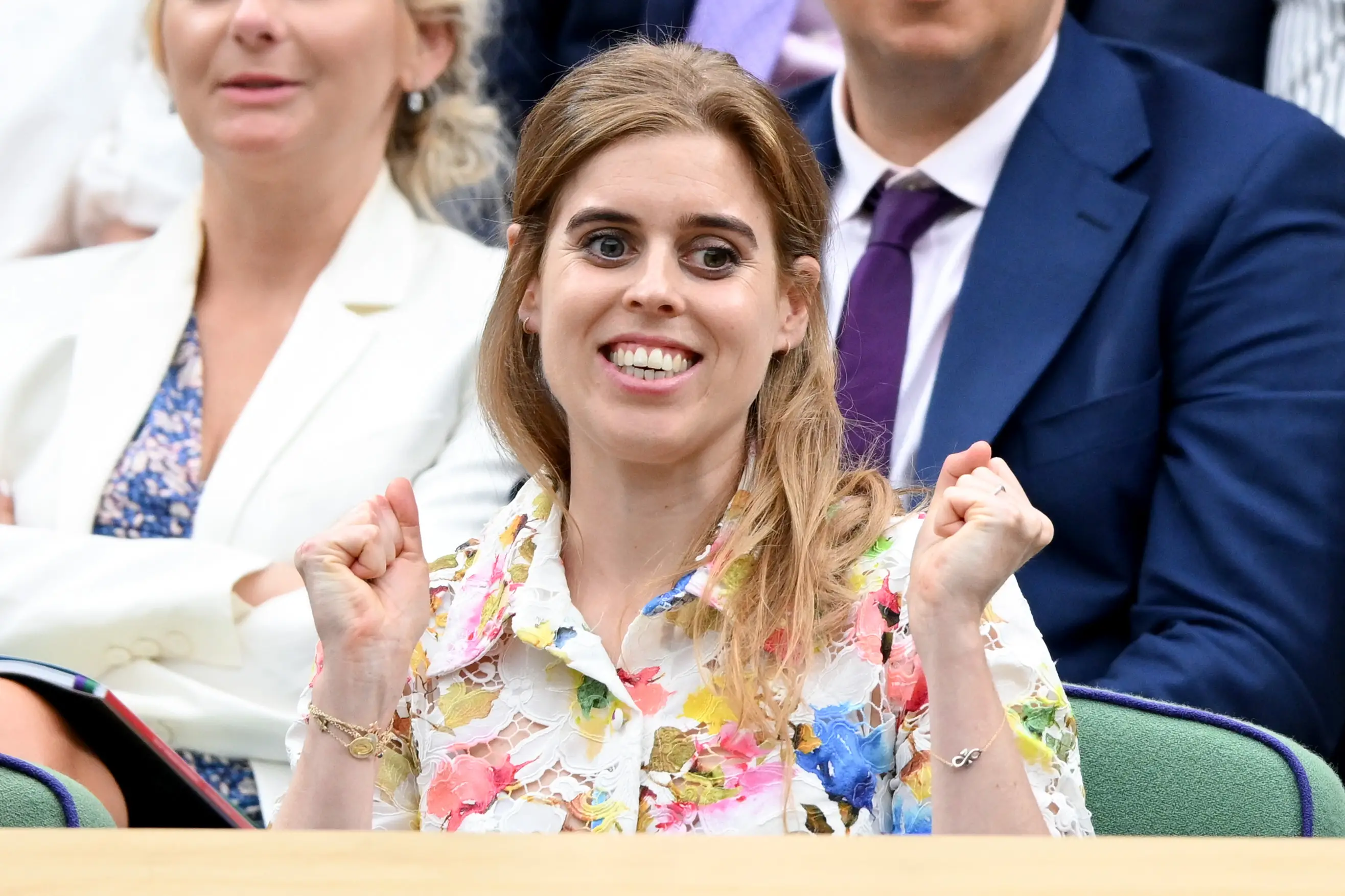
Working professionally under the name Beatrice York, she is understood to have joined the US artificial intelligence software company Afiniti, eventually rising to Vice President of Partnerships and Strategy before later becoming a Strategic Advisor.
For anyone who hasn't heard of it, the company develops AI technology designed to improve customer interactions by matching consumers with customer service agents based on behavioural data. Confused? Same.
Making things even more complicated, however, alongside her work at Afiniti, Beatrice has also held advisory positions with Scale AI and investment bank LionTree Asset Management, while more recently founding BY-EQ Limited.
The latter describes an advisory business focused on emotional intelligence in the age of artificial intelligence.
And as if that didn't keep her busy enough, she also serves as a director of Purpose Economy Intelligence Ltd, a technology and consultancy company launched in 2025.
It's a career that wouldn't look out of place among senior executives in London's tech sector.
Would she have had an interview?
According to Harrold, while it's highly likely that Beatrice's royal title would have attracted the attention of employers, he doesn't believe she'll have walked straight into executive work without the experience to show for it.
"I am sure that they use their royal titles in their professional careers, as it would be an undeniable advantage in any role," he said. "Being a member of the royal family would make you an appealing hire.
"That being said, they will want to be keen to prove themselves personally rather than just getting ahead using their titles."
In the 'real world', the hiring process for senior business positions like Vice President of Partnerships and Strategy would typically involve several interview stages with company leadership, discussions around commercial strategy and extensive background and reference checks before an offer is made.
Executive recruiters also commonly assess candidates' leadership experience, industry knowledge and ability to build commercial relationships before giving them the job.
How much do these jobs usually pay?
Unsurprisingly, the amount of money Princess Beatrice rakes in every year hasn't been made public.
That said, however, industry recruiters like Glassdoor and Experteer estimate that UK-based executives holding Vice President-level strategy or partnerships positions at international technology companies typically earn somewhere between £120,000 and £250,000 a year, with bonuses and share options often taking total compensation significantly higher.
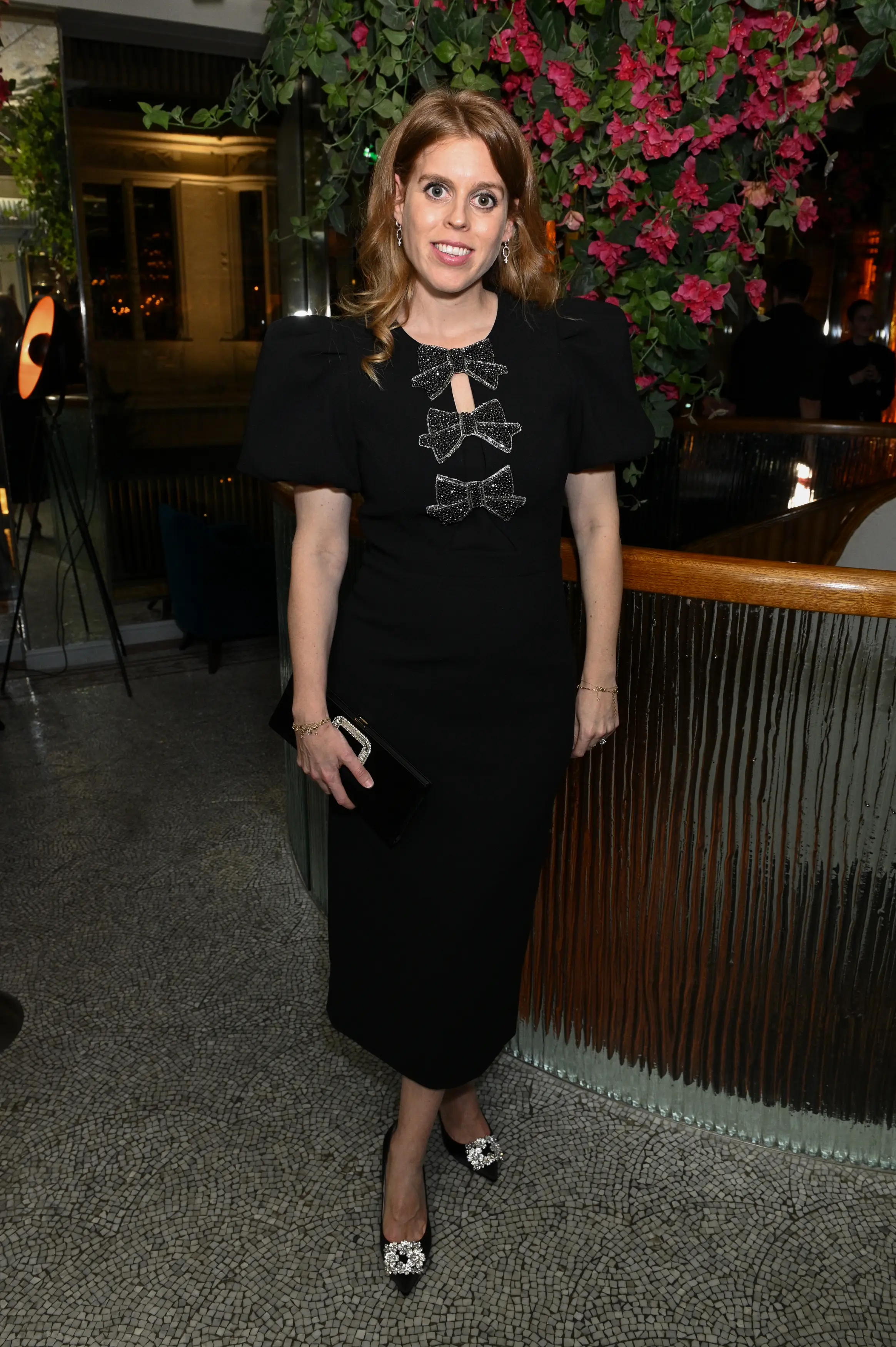
Equivalent positions at US AI firms can exceed $250,000 (£185,000) annually depending on the company and its benefits package.
Strategic advisory positions and company directorships are also commonly paid separately, meaning many senior executives hold several professional roles simultaneously.
According to Harrold, there's actually no limit to the amount of cash a non-working royal can earn for their hard work.
"There isn't really any protocol around how much a non-working royal can be paid," he explained. "Some tend to volunteer because they don't need the money - however, if they do need a salary, like anyone else, it would be based on their credentials."
If her corporate income was disproportionately high, however, he believes questions would be asked of the Firm.
"I don't think the Palace would ever have concerns if a member of the family was earning a significant corporate income," he added. "The royals have been in the process of modernising themselves, and ensuring that the family can work outside of the typical traditions is a step in the right direction."
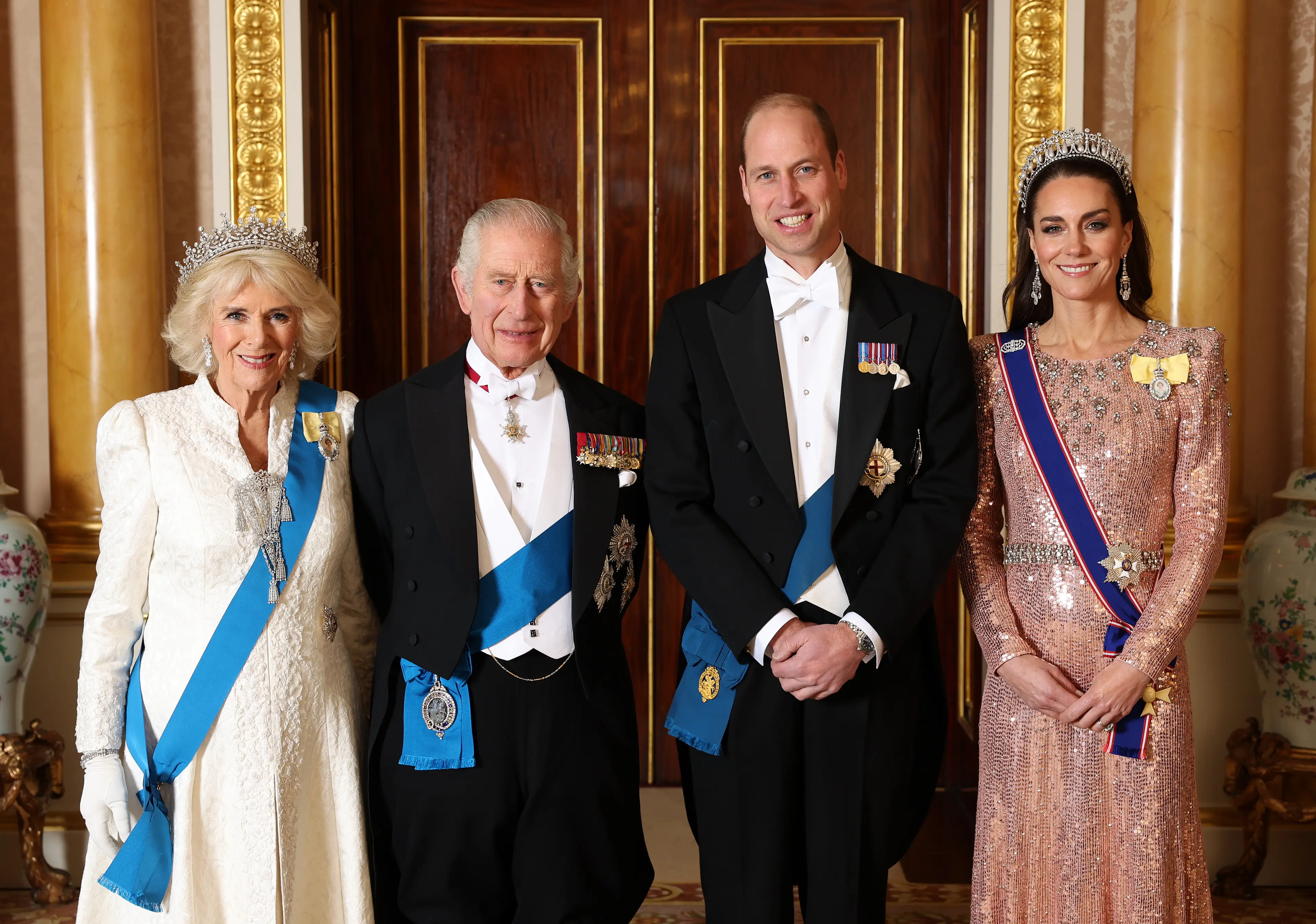
That said, however, the same freedom can't be afforded to some of Beatrice's cousins, like William and Kate.
Why doesn't this level of freedom apply across the board?
"Senior royals, like William and Catherine, have the stereotypically 'royal' jobs," he explained. "Their day-to-day is supporting engagements on behalf of the King. Those engagements can sometimes tally up to 300 or 400 a year, which is a lot of work and is seen as a full-time job."
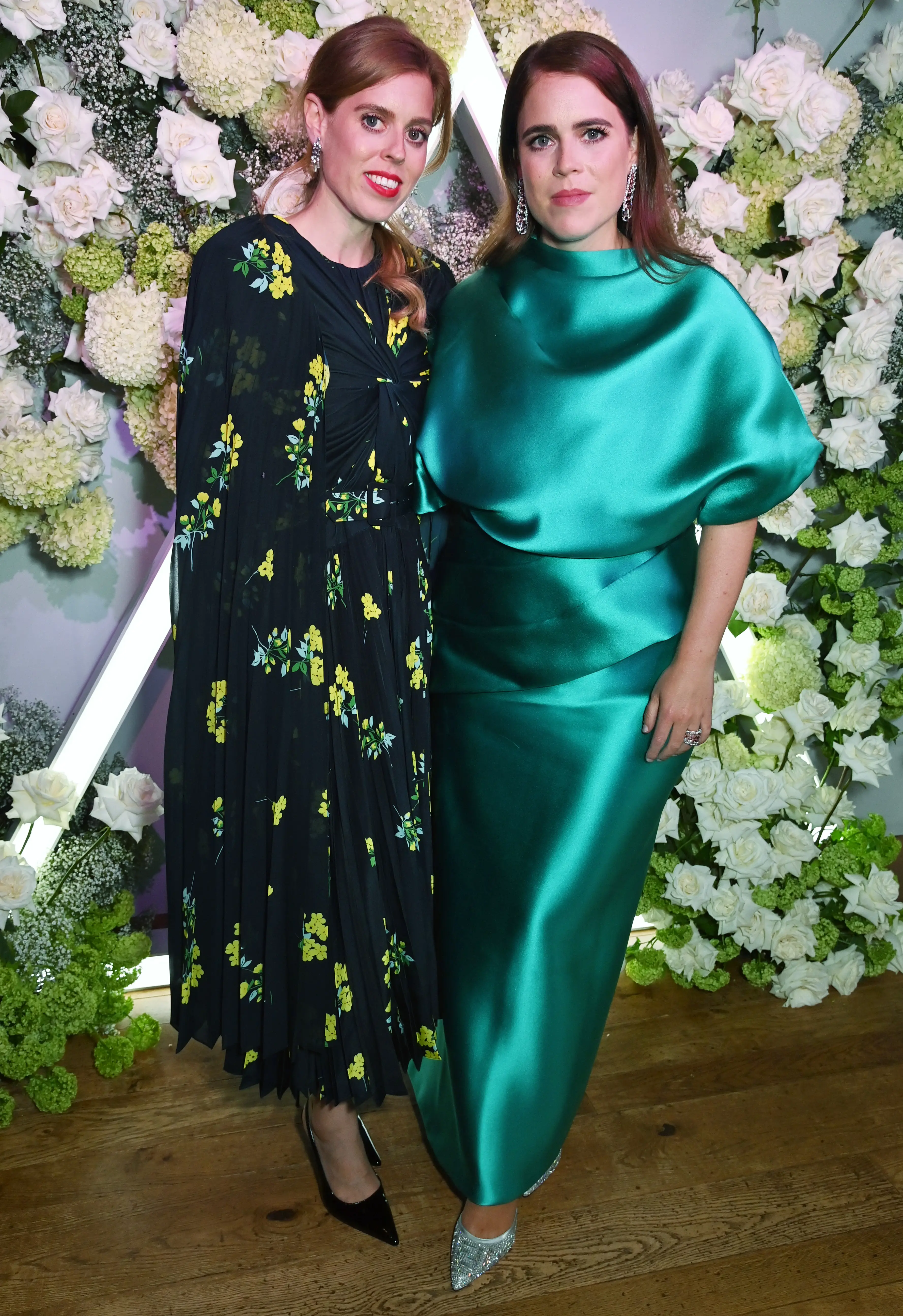
By comparison, Beatrice and Eugenie - the latter of whom works as director of the contemporary art gallery Hauser & Wirth in London - carry out far fewer official engagements, giving them the flexibility to pursue careers in other areas.
"But less senior members of the family, for example Beatrice and Eugenie, are non-working royals," Harrold continued. "They still carry out engagements; however, there are far fewer. This means they have 'normal' jobs.
"Most of them went to university and have built good careers for themselves."
This doesn't mean the sisters could have worked anywhere, however.
Any role taken on by a royal still has to align with the wider reputation of the monarchy, and there are 'clear boundaries', Harrold says.
"Anything that they put their name to has to be in line with the values, traditions and principles of the family," he added, emphasising that a career in politics would have been strictly off limits, for example.
He also believes politics would remain firmly off limits.
"They would not get involved whether they are senior working royals or not," Harrold continued. "It would ruin the family's very strong reputation of keeping out of politics and become a huge conflict of interest."
Has Beatrice ever spoken publicly about her career?
Interestingly, Beatrice herself has acknowledged that she and Beatrice are forging a path previous generations of royals never had to navigate.
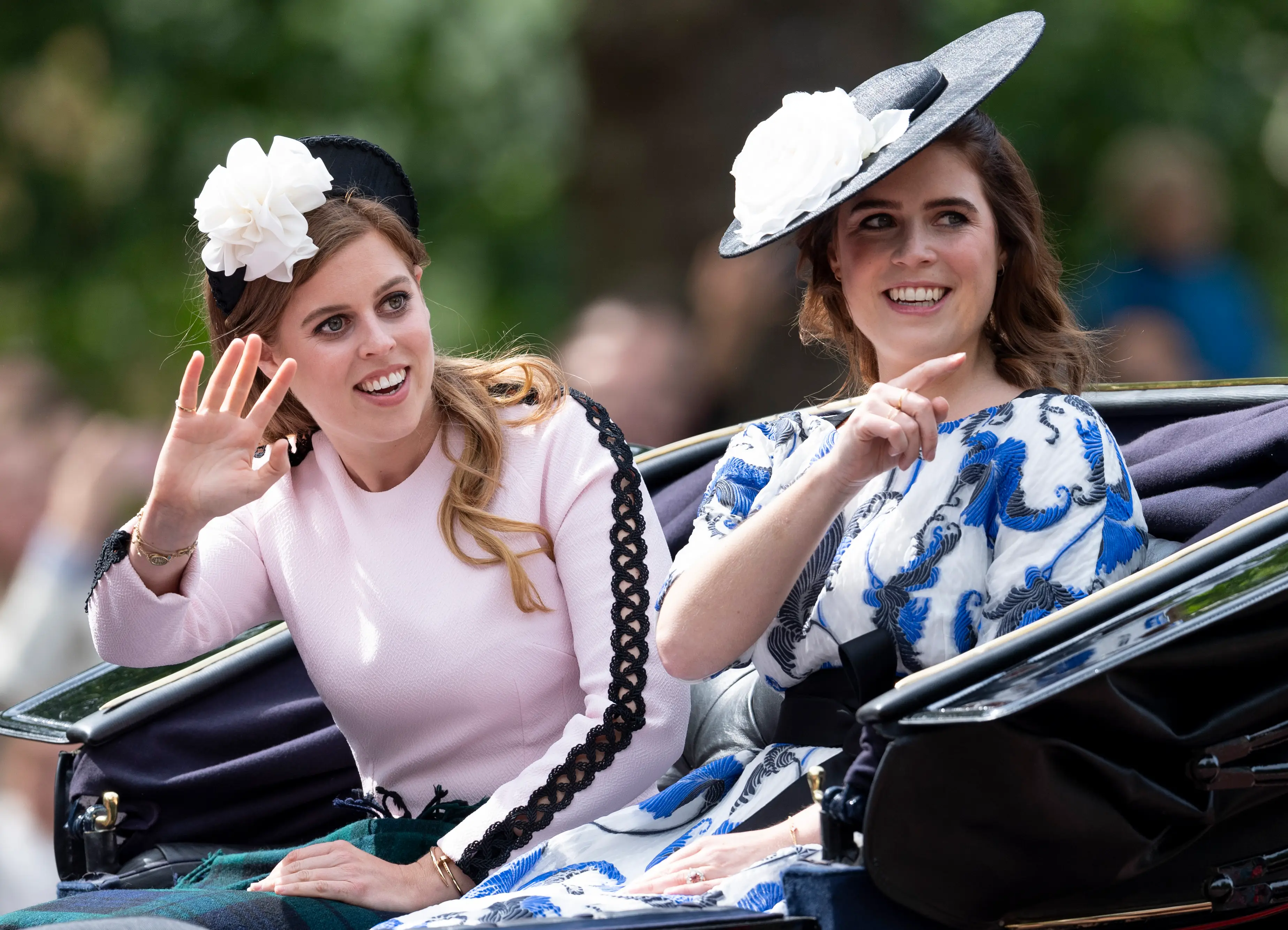
Speaking alongside her sister in a rare joint interview with British Vogue in 2018, she said: "It's hard to navigate situations like these because there is no precedent, there is no protocol.
"We are the first: we are young women trying to build careers and have personal lives, and we're also princesses and doing all of this in the public eye."
As she celebrates another birthday this weekend, Harrold believes Beatrice remains one of the clearest examples of how the monarchy has evolved.
While senior royals continue to dedicate themselves to public service full-time, the King's niece has proven it's more than possible to balance royal life with a successful corporate career, as long as they're 'mindful of how their work would reflect on the royal family', the ex-butler adds.
Topics: Princess Beatrice, Royal Family, UK News, Jobs, News
 Rhianna Benson