tyla homepage
  • News
  • Life
  • TV & Film
  • Beauty
  • Style
  • Home
  • News
    • Celebrity
    • Entertainment
    • Politics
    • Royal Family
  • Life
    • Animals
    • Food & Drink
    • Women's Health
    • Mental Health
    • Sex & Relationships
    • Travel
    • Real Life
  • TV & Film
    • True Crime
    • Documentaries
    • Netflix
    • BBC
    • ITV
    • Tyla Recommends
  • Beauty
    • Hair
    • Make-up
    • Skincare
  • Style
    • Home
    • Fashion
    • Shopping
  • Advertise
  • Terms
  • Privacy & Cookies
  • LADbible Group
  • LADbible
  • UNILAD
  • SPORTbible
  • GAMINGbible
  • UNILAD Tech
  • FOODbible
  • License Our Content
  • About Us & Contact
  • Jobs
  • Latest
  • Archive
  • Topics A-Z
  • Authors
Facebook
Instagram
X
Threads
TikTok
Submit Your Content
NASA gives update on the odds of 'city killing' asteroid impact in 2032

Home> News

Published 16:23 21 Feb 2025 GMT

NASA gives update on the odds of 'city killing' asteroid impact in 2032

The odds of the asteroid 2024 YR4 hitting Earth have fluctuated greatly over the past month

Bec Oakes

Bec Oakes

google discoverFollow us on Google Discover
Featured Image Credit: Getty Stock Images

Topics: Space, News

Bec Oakes
Bec Oakes

Advert

Advert

Advert

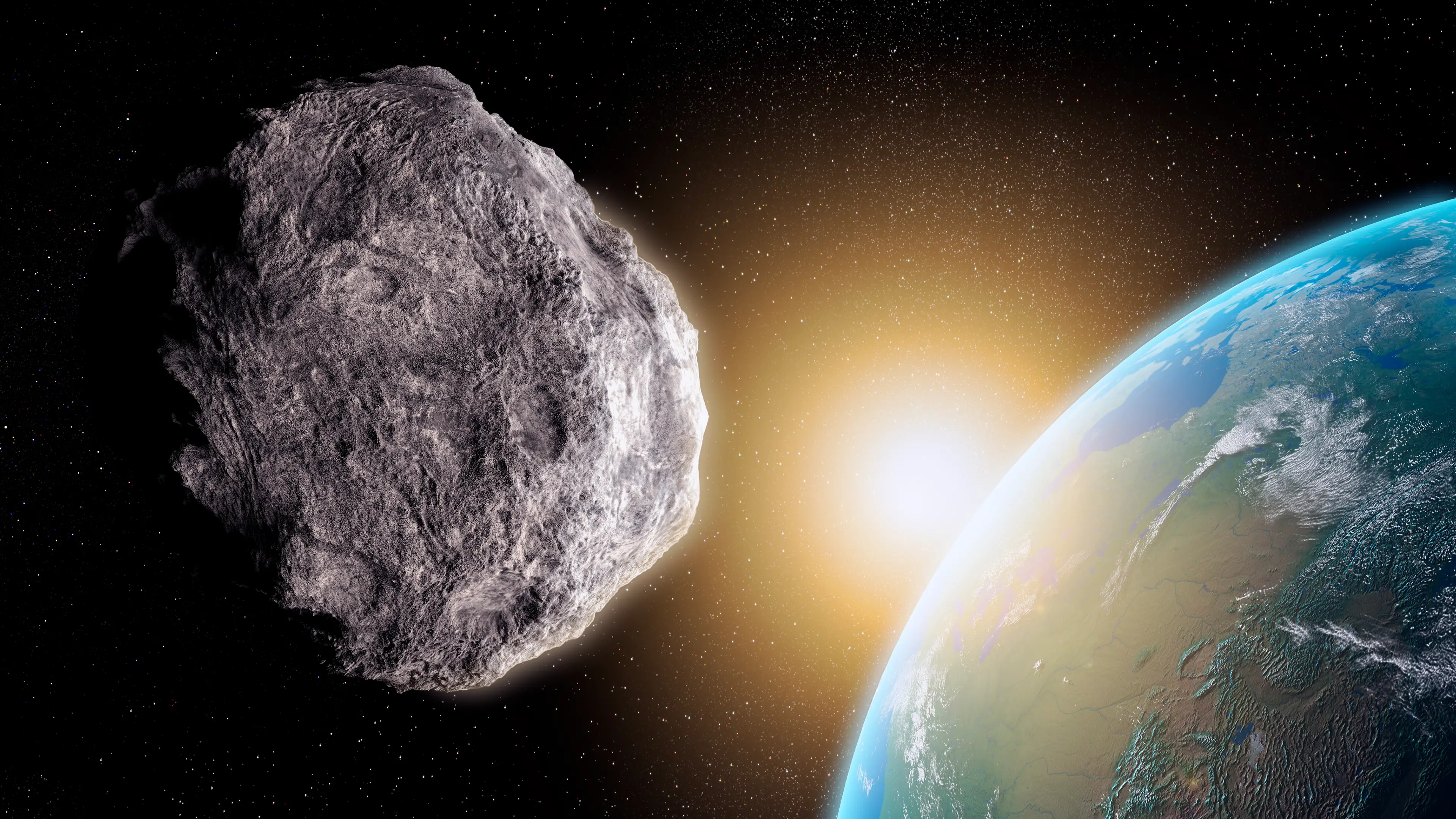
Following fluctuating odds over the past month or so, NASA has once again updated the risk factor of the 'city-killer' asteroid striking Earth in 2032.

The asteroid, which is called '2024 YR4,' was discovered late last year (27 December) by a telescope in Chile.

According to the European Space Agency (ESA), 2024 YR4 is estimated to be between 40 and 100 meters wide, big enough to potentially wipe out an entire city.

Eight densely populated cities - Bogotá, Abidjan, Lagos, Khartoum, Mumbai, Kolkata and Dhaka - have since been warned that they're on the space rock's possible hit list.

Advert
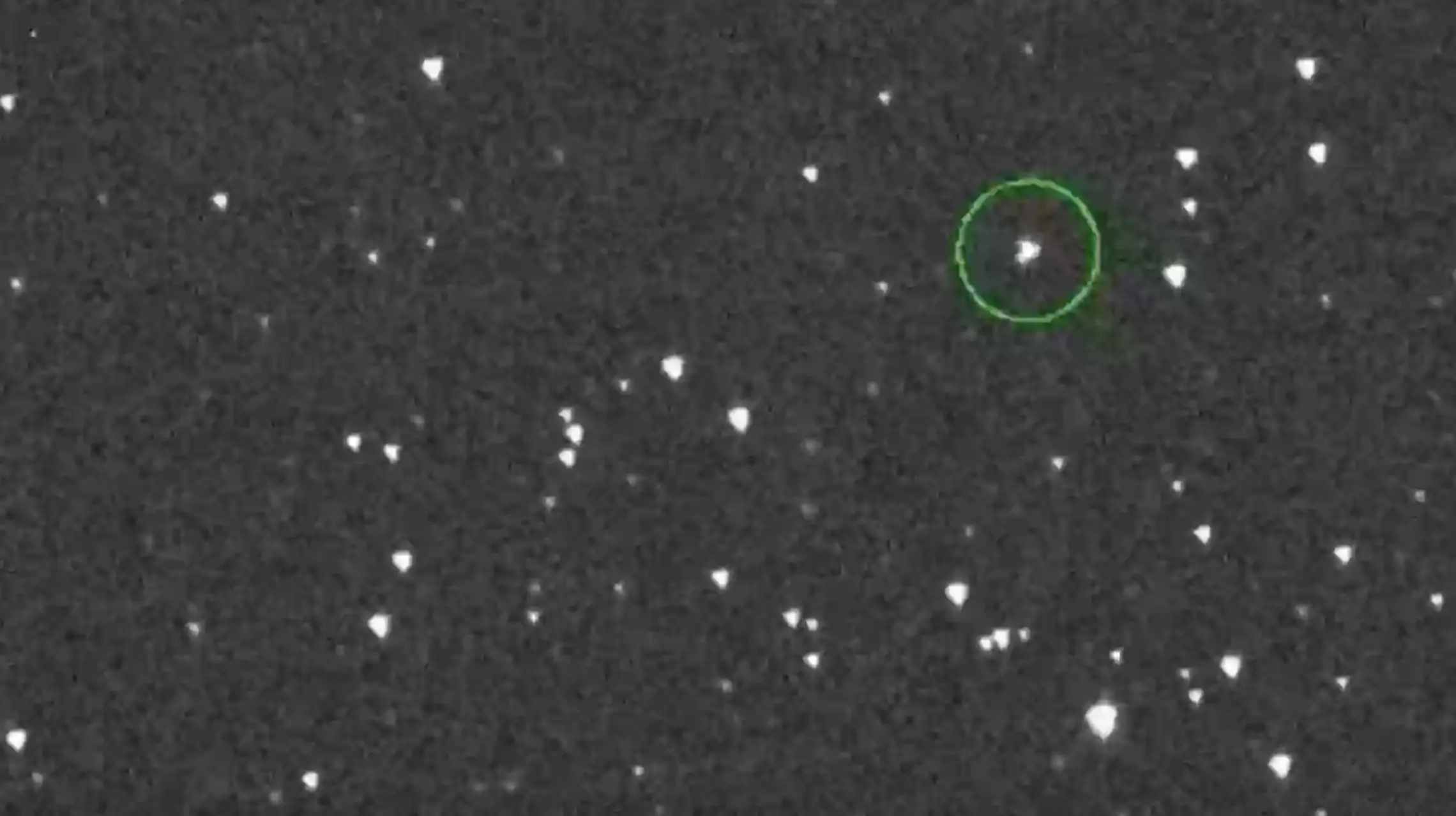
NASA has once again updated the odds of asteroid 2024 YR4 hitting Earth (X/@NASA)

Initially, scientists weren't all that concerned about the odds of the asteroid actually making impact with our planet.

In a press release published on 31 January, NASA confirmed that the asteroid 'has a more than 1% chance of impacting Earth on Dec. 22, 2032 - which also means there is almost a 99% chance this asteroid will not impact'.

Meanwhile, Catalina Sky Survey engineer and asteroid hunter, David Rankin, told Space.com that 'people should absolutely not worry about this yet', adding: "Impact probability is still very low, and the most likely outcome will be a close approaching rock that misses us."

However, the odds of impact have since changed so many times it's hard to keep track.

The space boffins first said there was a 1.2 percent chance of it striking us, which climbed to 2.3 percent, then 2.6 percent.

And, on 18 February, it once again rose to a pretty scary 3.1 percent or 1 in 32 chance, making it the highest risk level of any large asteroid since records began.
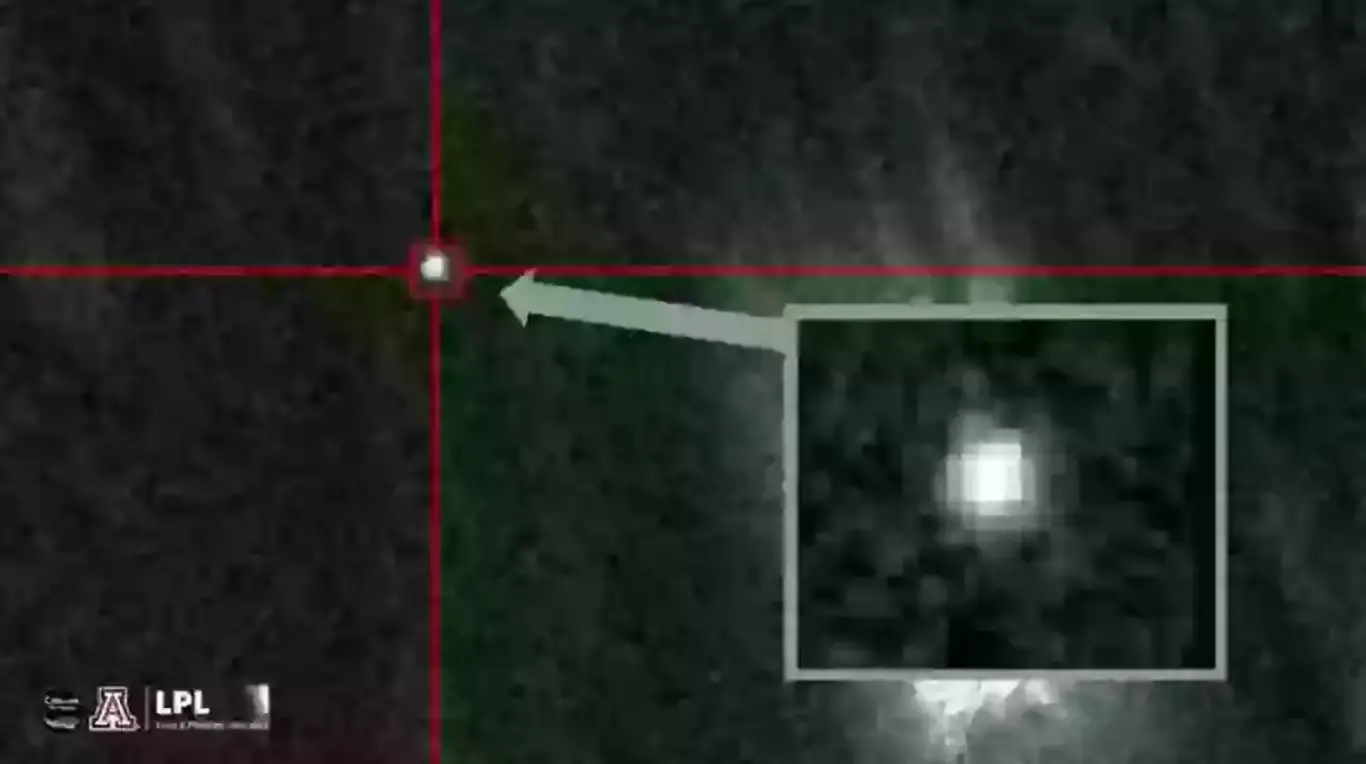
As of yesterday, NASA reports a 0.28 percent chance of impact (Catalina Sky Survey/ LPL/Dr. Wierzchos/ Bryce Bolin/Twitter/@estelsiplanetes)

At the time, Bruce Betts, Chief Scientist at Planetary Society, said: "Naturally, when you see the percentages go up, it doesn't make you feel warm and fuzzy and good."

However, he explained that as astronomers collect more data, the probability of impact will likely continue to rise before quickly dropping again.

And that's exactly what's happened.

Following a further 24 hours of observation and data collection, as of yesterday (20 February), the impact probability has plummeted back down to a tiny 0.28 percent or roughly one in 357, according to NASA, so we can all breathe a collective sigh on relief.

NASA says that the prediction of 2024 YR4's path 'improves with every observation' and they will continue to observe the asteroid until April, after which it will become too faint to detect from Earth until June 2028.

Choose your content:

14 hours ago
15 hours ago
  • Truth Social/@realDonaldTrump
    14 hours ago

    Trump’s AI-generated photo sparks dark conspiracy

    The president has since addressed the controversy and has deleted the initial 'AI Jesus' post

    News
  • Karwai Tang/WireImage/Alishia Abodunde/Getty Images
    14 hours ago

    Sharon Osbourne confirms she will attend Tommy Robinson march

    The former X Factor judge commented on Robinson's post to say she will be attending

    News
  • ANGELA WEISS / AFP via Getty Images
    15 hours ago

    Why Barron Trump is being trolled for unexpected career move

    Donald Trump's son Barron is following in his footsteps in the business world, but critics are trolling him

    News
  • Tasos Katopodis/Getty Images
    15 hours ago

    Donald Trump has alarming theory about diet soda and cancer after justifying his habit

    US President Donald Trump reportedly drinks 12 cans of Diet Coke every day and thinks fizzy drinks have a bizarre health benefit

    News
  • NASA gives terrifying update on thousands of ‘city-killer’ asteroids that could hit Earth
  • Asteroid might be hurtling towards Earth’s moon - it could have major impact
  • NASA called out over ‘bizarre’ Artemis II launch footage that left people assuming the worst
  • Ivanka Trump opens up on impact of famous parents in emotional podcast admission