
Female astronaut makes brutal NASA swipe as all-male Artemis III crew announced

NASA has named the four astronauts for its Artemis III mission in 2027 which will land humans on the Moon once again, but not everyone is pleased with the lineup.
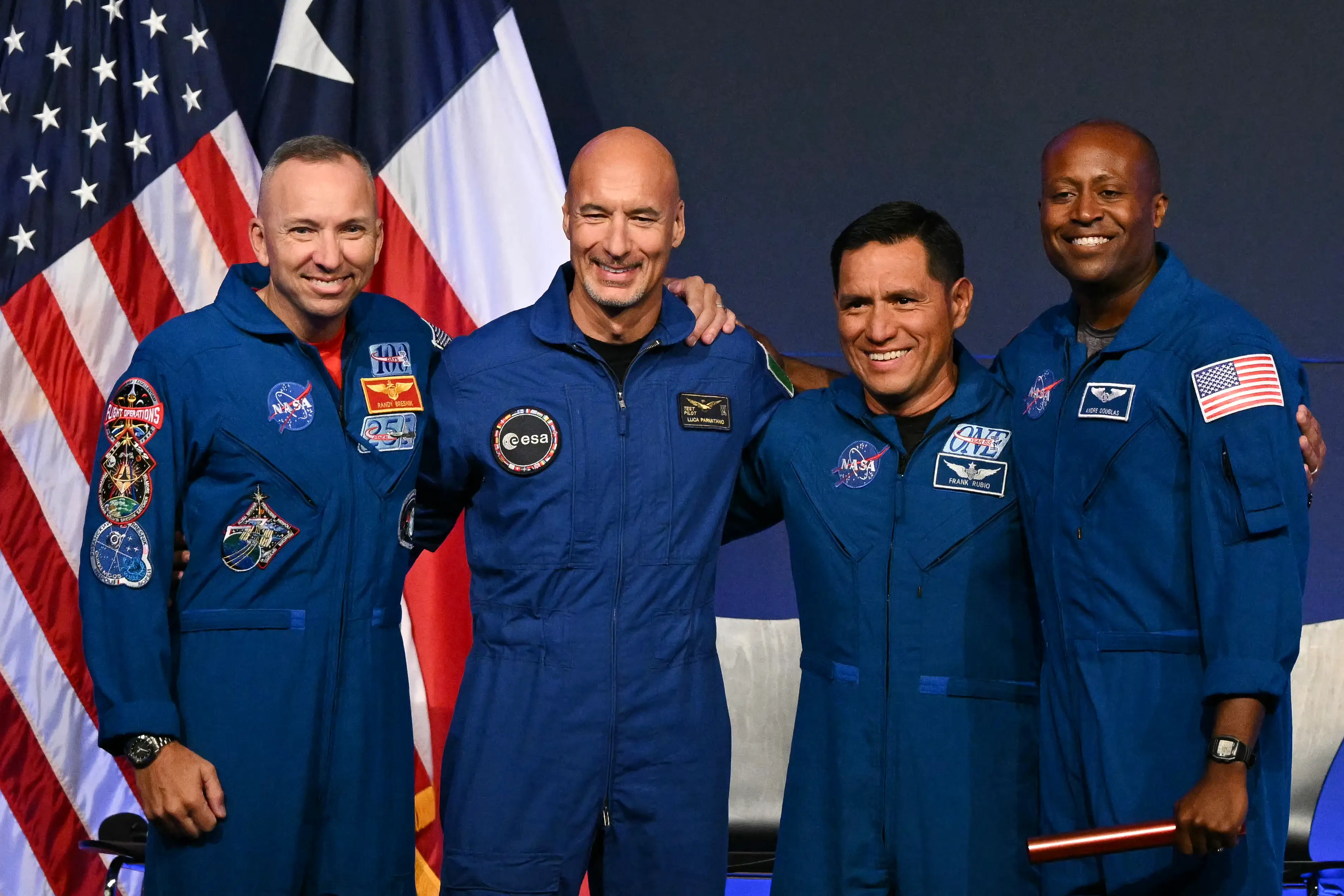
This is because the astronauts are all men - Andre Douglas, mission specialist, Frank Rubio, mission specialist, Luca Parmitano, pilot, and Randy Bresnik, commander.
NASA Administrator Jared Isaacman said Artemis II marks ‘the beginning of the future’.
The four men will launch into Earth’s orbit from the Kennedy Space Center in Florida next year aboard the Orion spacecraft atop of the Space Launch System (SLS) rocket.
Advert
“Artemis III will push the boundaries of spacecraft operations in orbit. Luca’s assignment as pilot reflects the depth of European expertise in human spaceflight and draws on his extensive operational experience in high-pressure situations,” said Josef Aschbacher, ESA’s director general.
However, one person who has spoken out against the all-male crew is MIT aerospace engineer, author, and science television host Emily Calandrelli, also known as The Space Gal. She is the 100th woman to fly to space.
She posted her reaction to the news on Instagram with a video featuring the on-screen caption: “When women defend the all male selection for NASA’s Artemis mission.” The video includes audio of the word ‘girl?’ repeated ironically.
In the caption for the post she wrote: “‘It’s a complex process and NASA chose the most qualified!’ Sure, Jan. Certainly nothing to critique or unpack here.”
However the responses to the video have been mixed. “Can we just rationalize the fact that these men are qualified for this next step? NASA made their decision and I trust that,” one person replied on Instagram.
Another user asked: “You’re telling me there wasn’t a single female candidate that was qualified enough? Nah.”
However one follower said: I am SO upset.”
Another person shared: “My daughter’s first comment was, where are the women.”
Artemis III is a test mission that helps NASA check its spacecraft systems and operations in Earth orbit. It focuses on making sure docking, coordination, and lunar landing systems work safely before future missions.
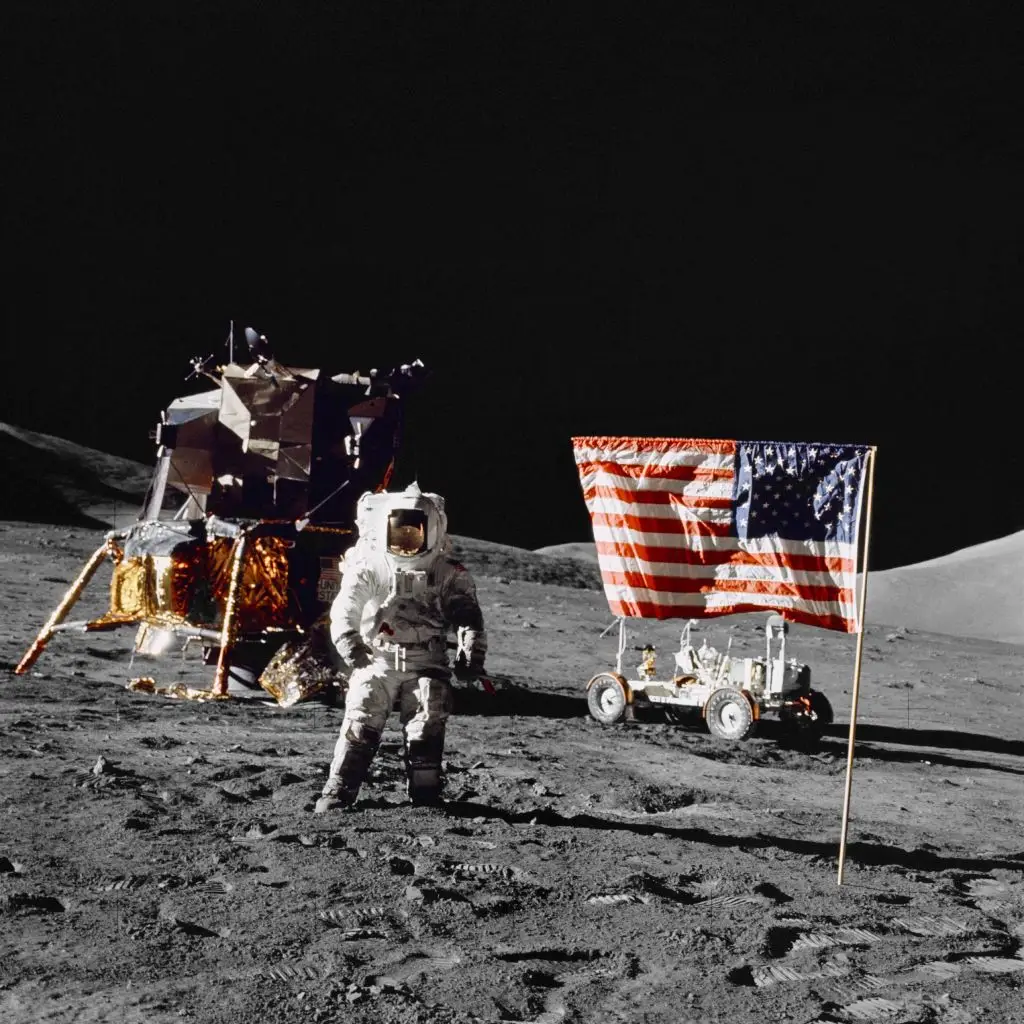
It is currently intended to be NASA’s first crewed lunar landing mission since Apollo 17 (1972).
Artemis III was redefined from a historic crewed Moon landing into a technology demonstration in Earth orbit due to delays in SpaceX’s Starship development. Starship is intended to carry astronauts from lunar orbit down to the Moon’s surface.
The change also reflects NASA’s view that the step from Artemis II’s lunar flyby to a full landing was too large, and that the docking and transfer procedures with lunar landers should first be tested in Earth orbit.
 Greg Harris