Heartwarming story behind Artemis II plushie as astronaut Victor Glover caught playing with toy

On board NASA's Orion spacecraft, the Artemis II crew have a load of different food and drink options, important scientific equipment, and some of their own personal items.
But did you know that they also have an adorable plushie mascot?
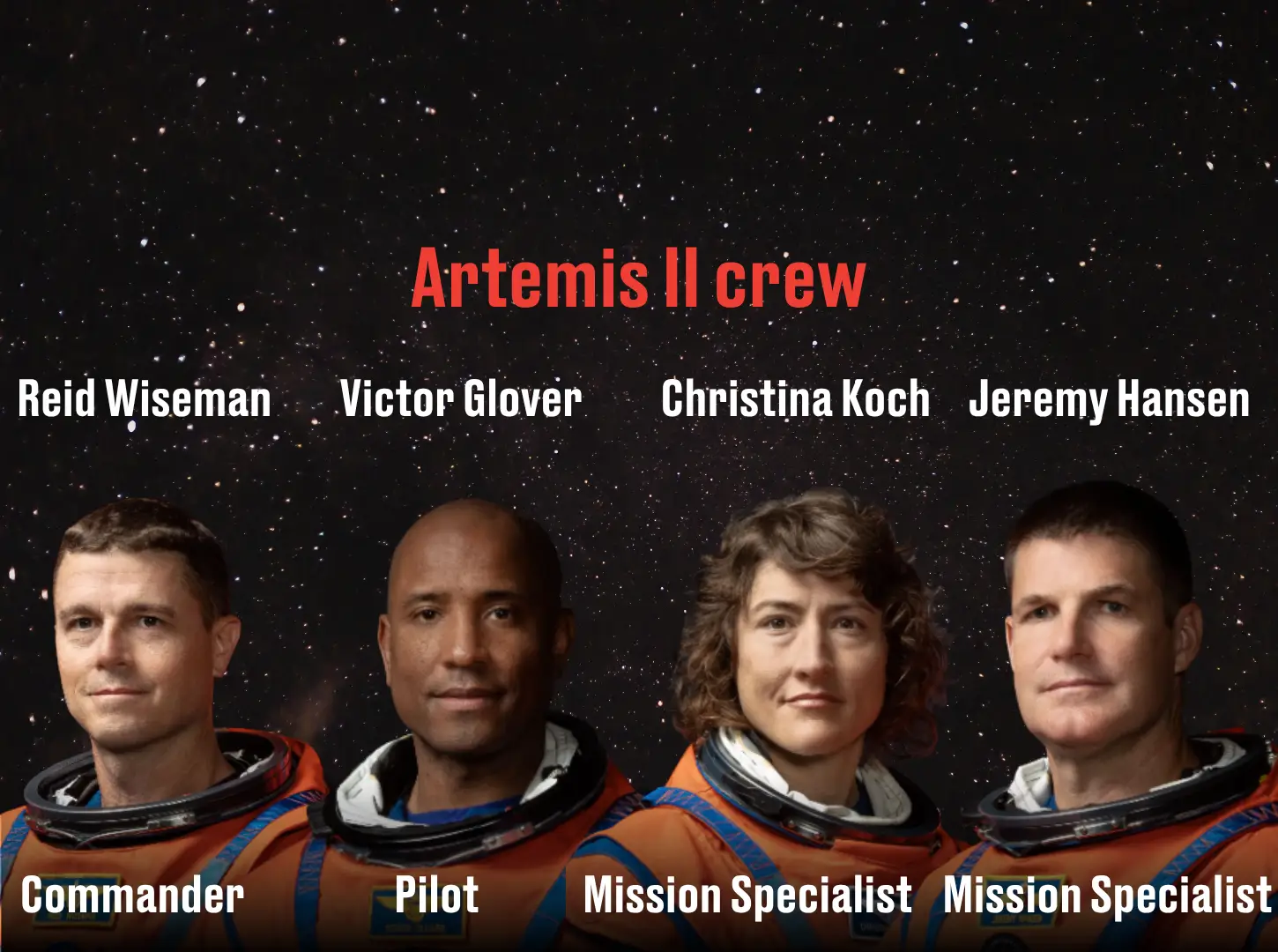
That's right, as well as Commander Reid Wiseman, pilot Victor Glover, and mission specialists Christina Koch and Jeremy Wiseman, there's actually a fourth member of the team.
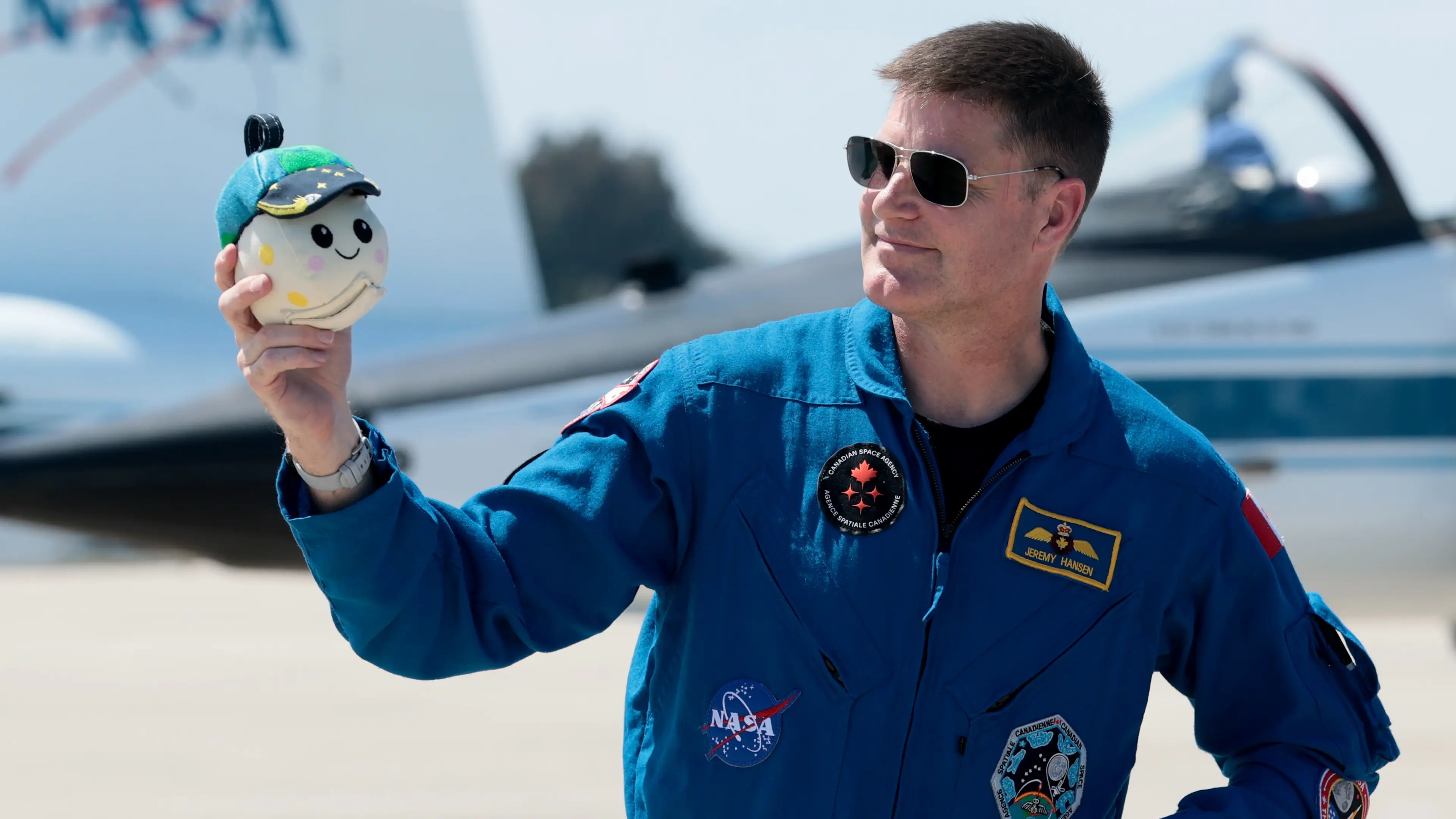
Called 'Rise,' the small addition is a little softball-sized moon plushie, wearing a baseball cap, and its design features a nod to the iconic Earthrise moment from the Apollo 8 mission in 1968.
Advert
Cleverly, it features a body which represents a spacesuit, with a hat shaped like the Earth, depicting the view of the planet rising over the lunar surface captured by astronaut William Anders.
As reported by the LA Times, the back of the cap features Neil Armstrong’s footprint from the 1969 Apollo 11 mission, and the constellation Orion is also on the rim, representing the Artemis II mission.
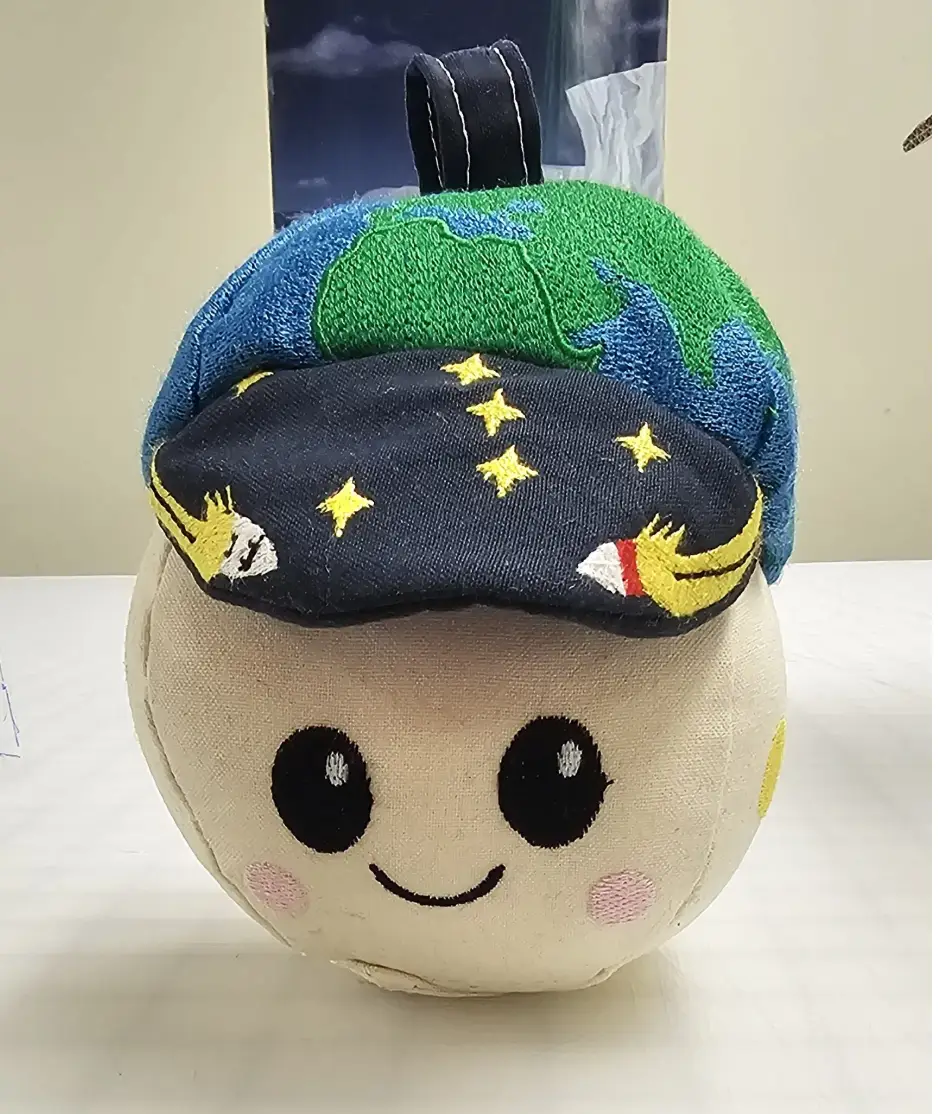
The design was pulled together by eight-year-old Lucas Ye of Mountain View, California, whose idea was selected from more than 2,600 submissions from over 50 countries, which were part of a Moon Mascot contest.
He said in a video used for the contest, “I like rockets, I like NASA, I like the solar system, I like studying about space."
As reported by The Guardian, when asked how he felt about his design being used, he responded: "Really, really, really, really, really, really, really surprised and very happy."
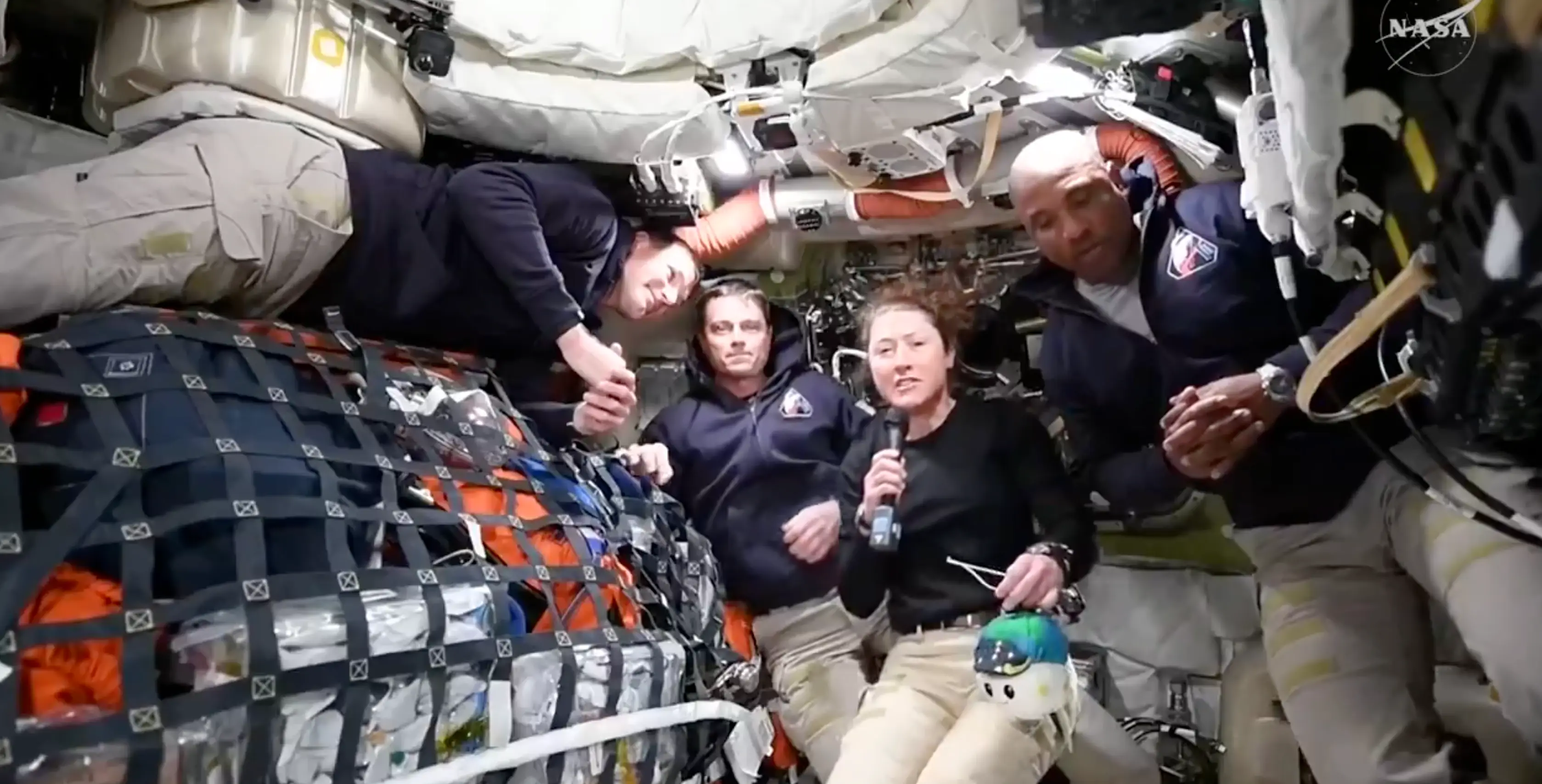
Those closely following the historic Artemis II mission around the moon noticed Rise bobbing around the spacecraft during a press conference with the astronauts on Thursday (2 April).
As they answered questions from journalists on Earth, the stuffed toy was being passed around by Koch, while another viral video showed it being played with by pilot Glover.
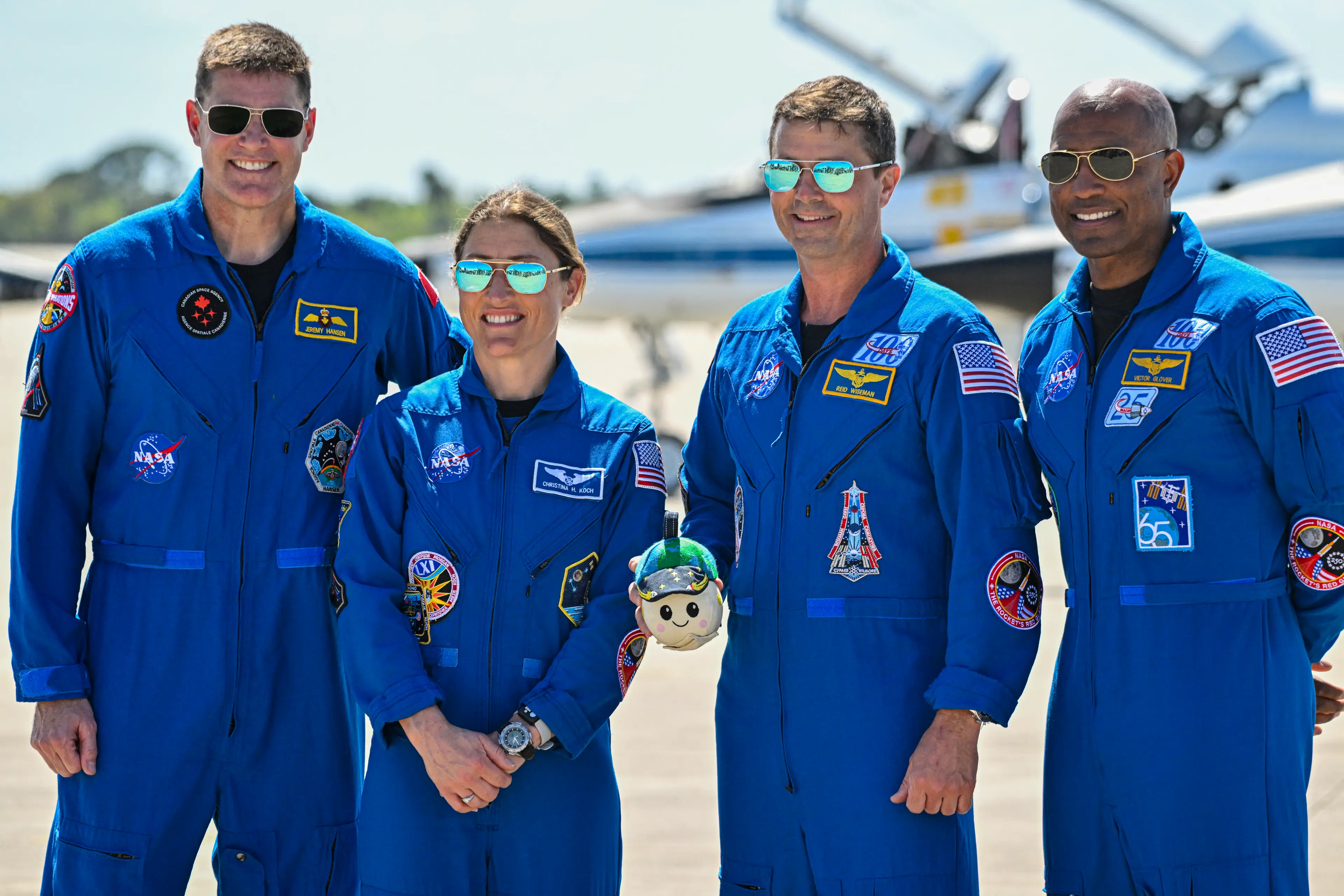
Koch, who is making history as the first woman to go to the Moon, previously explained why this specific design was chosen.
She explained: "This little guy, Rise, really resonated with us, because the theme is actually the Earthrise photo taken on Apollo 8, which is inspirational to all of us.
"It is a mission that sort of mirrors our own, and we've incorporated it into our mission patch and also into our ethos and values as a crew, so, welcome aboard, Rise."
And Rise isn't just there to bring comfort to the group, as the soft toy actually has a very important purpose.
The toy is a zero gravity indicator, aka a small plush item that typically rides with a crew to visually indicate when they are in space by floating around.
Wiseman said, as per the BBC: "In a spacecraft filled with complex hardware to keep the crew alive in deep space, the indicator is a friendly and useful way to highlight the human element that is so critical to our exploration of the universe."
As reported by The Independent, Rise is also carrying a MicroSD card which holds the names of 5.6 million people from around the world.
This was the result of part of a 'send your name to space' campaign, which allowed people to submit their names to go to the Moon.
The incredible mission marks the first time since 1972 that humans have travelled outside of the Earth's orbit.
So, next time we get an update from Orion, keep your eye out for Rise!
Artemis II timeline: When will the crew reach the Moon?
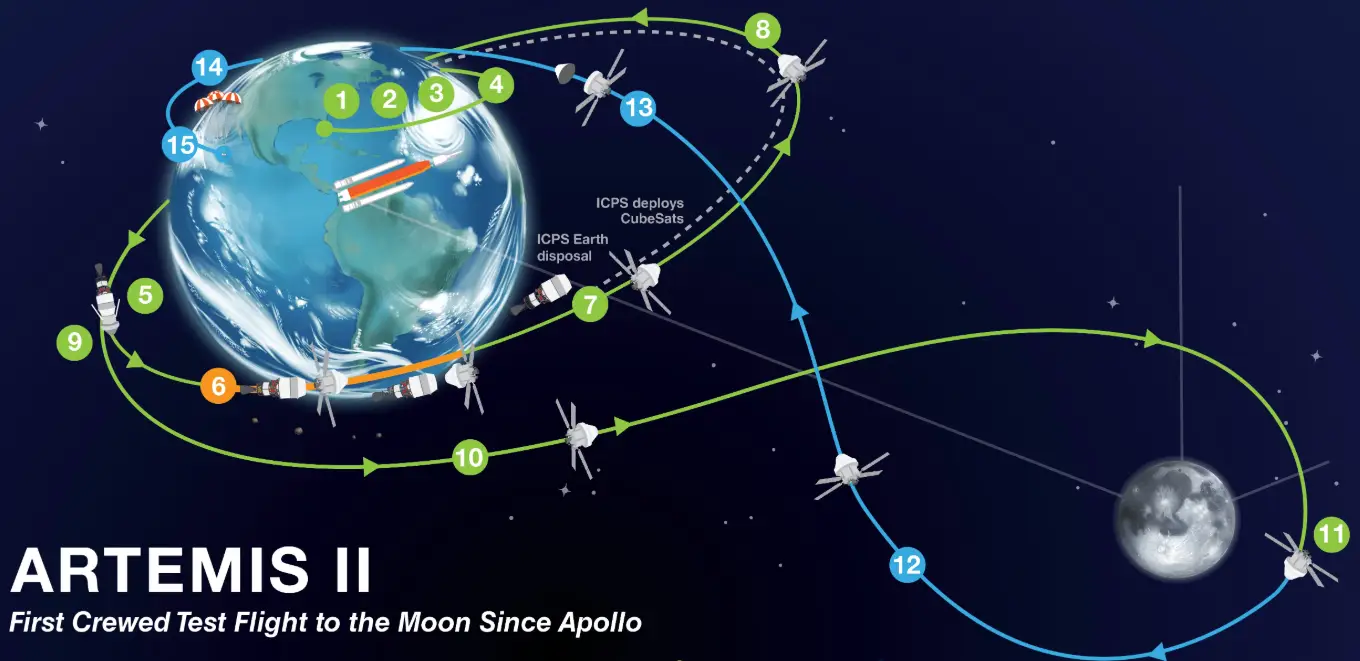
After completing the translunar injection burn, the Artemis II crew have broken free of Earth’s gravity and are now on course for the Moon.
They are set to travel 250,000 miles from Earth, further than any human has ever gone before.
But what are the key milestones over the next few days, and what should we look out for back on Earth?
Friday 3 April - Saturday 4 April
While the rest of us are enjoying a four-day weekend, astronauts Reid Wiseman, Victor Glover, Christina Koch and Jeremy Hansen will be hard at work prepping for their Moon fly-by.
They’ll be testing radio communications, and most importantly for us, taking lots of pictures out of the window of their spacecraft.
So expect some stunning photographs of the Earth and the Moon in deep space.
Sunday 5 April
As Brits tuck into their Easter Sunday roast dinners, it’s an important day for the Artemis II crew.
This is when they’ll enter the lunar sphere of influence, which means the tug of the Moon’s gravity is stronger than Earth’s.
The crew will also be testing their spacesuits to make sure they’re in tip-top shape for re-entry next week.
Monday 6 April
This is the big one! The Artemis II crew will pass around the far side of the Moon, the furthest from Earth anyone has ever gone before.
Commonly dubbed the dark side of the Moon - it isn’t actually dark and actually gets more sunlight than the side we do see.
It’s called this because, thanks to something called tidal locking, the same side of the Moon is always facing Earth, so we never get to see the other one.
The Artemis II crew will spend the day taking photographs of the lunar landscape, and there will be 40 mins where they will lose contact with Earth - which is sure to be squeaky bum time for the folks at NASA.
Tuesday 7 April - Thursday 9 April
As we grudgingly head back to work, the astronauts begin their return journey to Earth.
Tuesday is the Artemis II crew’s day off after a full-on few days - though you have to imagine entertainment is scarce in the Orion spacecraft. No Netflix, unfortunately.
On Wednesday, the crew will practice building a radiation shelter, which would be able to shield them in the event of solar flares, test compression garments which should prevent dizziness on the return to Earth, and have a go at manually piloting the spacecraft.
Friday 10 April
The Artemis II crew will be back on Earth in time for the weekend. This is the diciest section of the mission, with the Orion spacecraft exposed to temperatures of up to 1,650°C.
Once safely back in Earth’s atmosphere, parachutes will deploy and they’ll land in the Pacific Ocean off San Diego, where NASA and the US Navy will be ready to pick them up.
 Madison Burgess