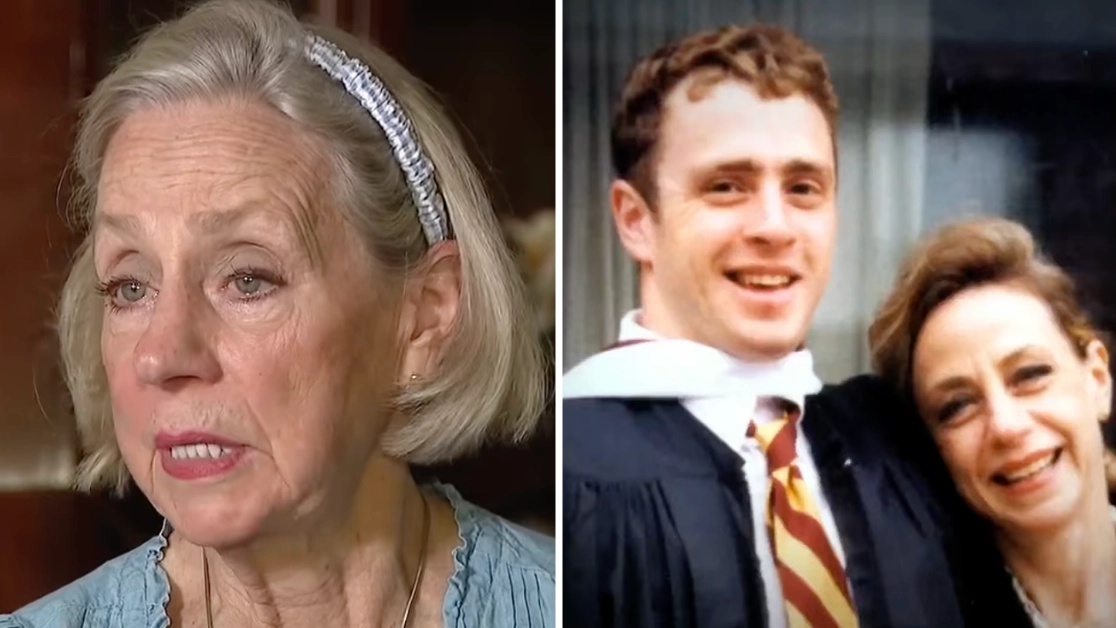
Mum of 9/11 hero 'Red Bandana Man' recalls emotional moment she discovered son had saved dozens of lives

For almost eight months after the September 11 attacks, Alison Crowther knew only that her son Welles had died at the World Trade Centre.
She knew he had been working in the South Tower when it was struck and she knew he had not come home.
What she didn’t know was that the 24-year-old equities trader had spent the final minutes of his life helping strangers escape the burning building.
That changed, when Alison read an account from a survivor who remembered being led to safety by a man wearing a red bandana.
Advert
The detail immediately stood out.
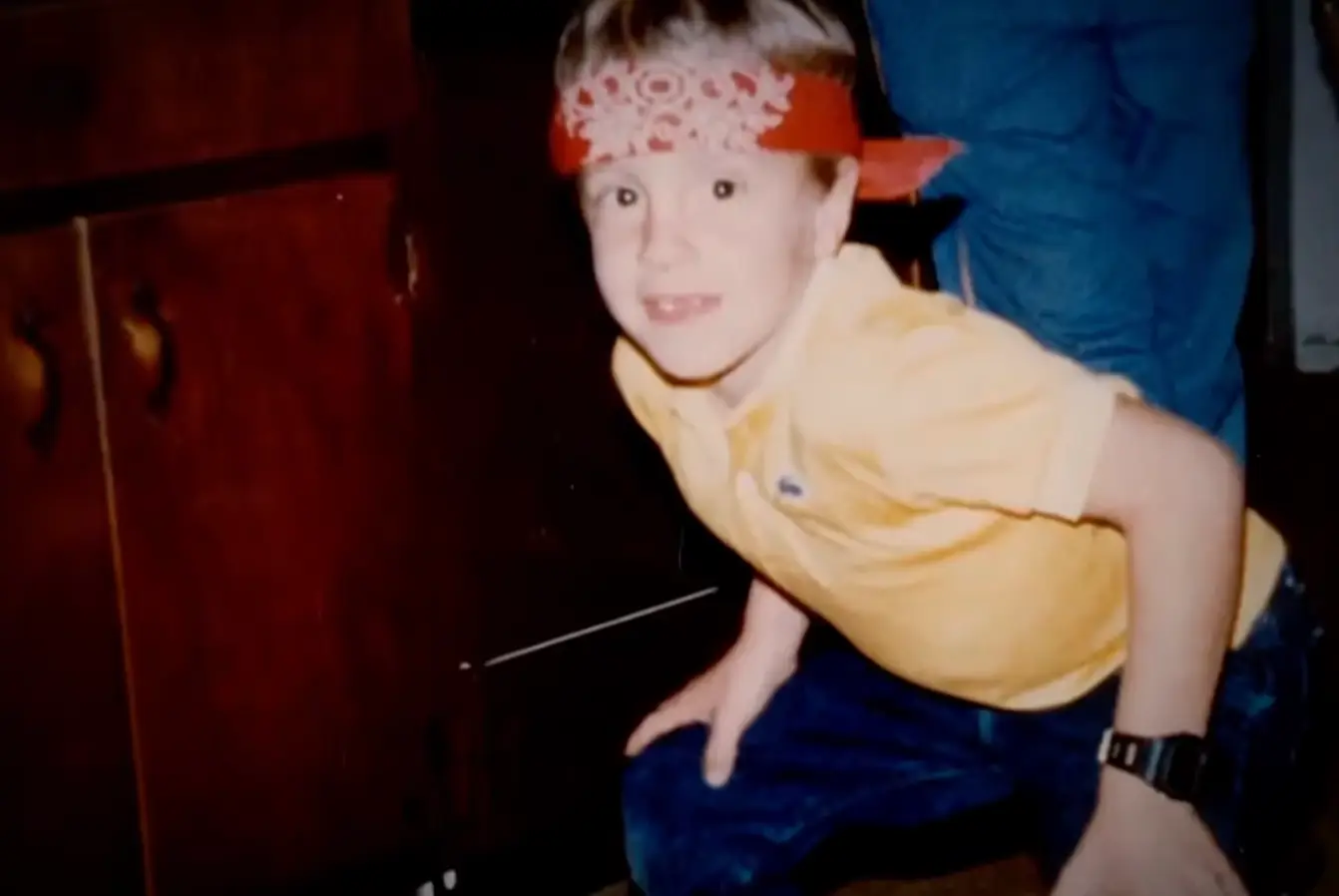
Welles had carried a red bandana since childhood, a gift from his father that he kept close to him.
Survivors subsequently confirmed to his family that the man they had followed down the tower was Welles.
The discovery transformed the family's understanding of his final moments.
It also gave a name to one of the most enduring stories of individual courage to emerge from 9/11: the story of the Man in the Red Bandana.
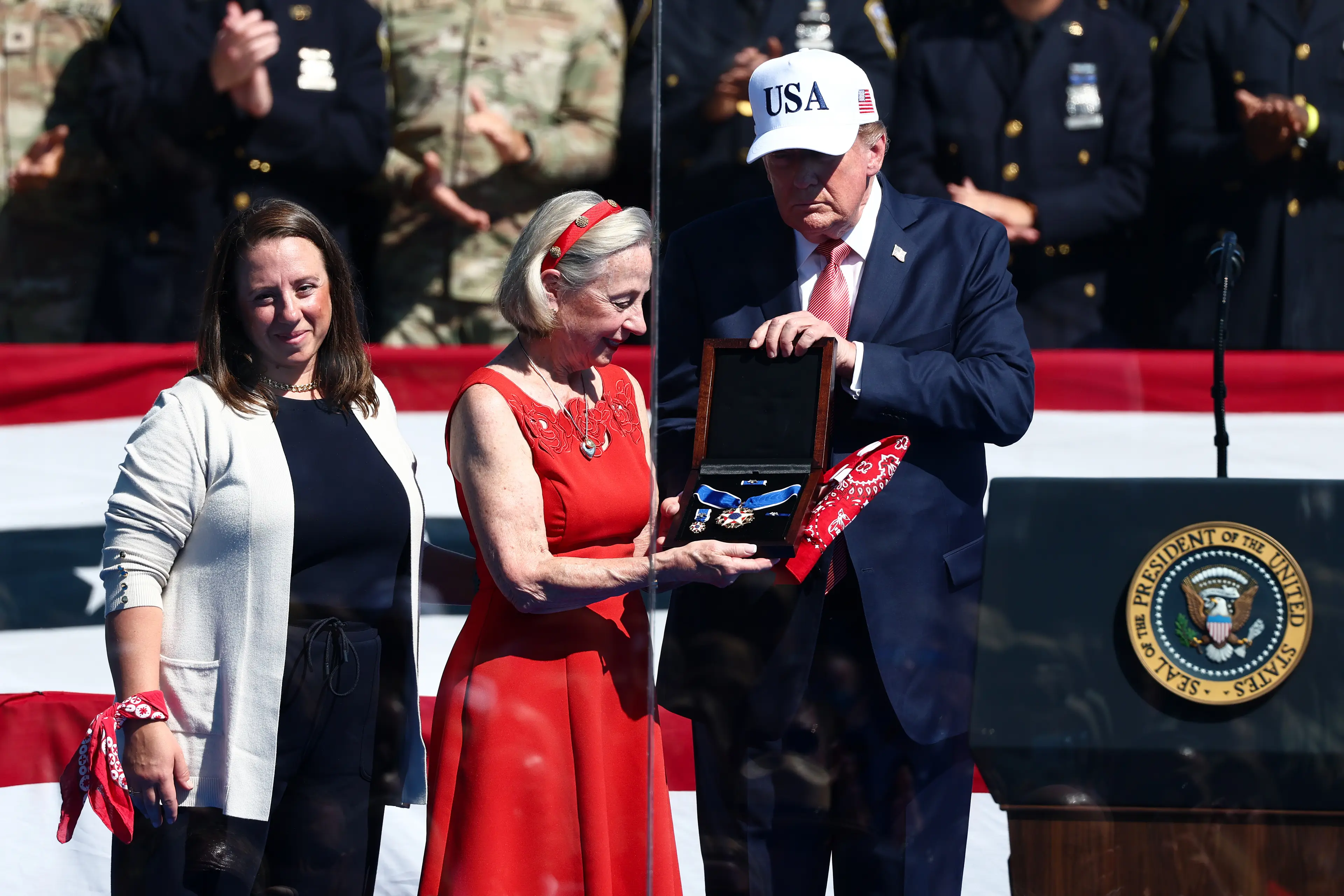
On 8 September, 25 years after the attacks, President Donald Trump posthumously awarded Welles the Presidential Medal of Freedom, the highest civilian honour in the United States.
Alison accepted the medal on his behalf along with Welles' sister Paige, at a ceremony in Washington.
Speaking at the ceremony, Alison said: “That Welles' light still shines brilliantly today, even after 25 years, is a testament to his legacy of courage, compassion and love for humanity that continues to inspire and uplift others.”
She also recalled how the events of September 11 changed the way she understood her son, according to the New York Post.
“He was no longer an equities trader on 9/11, he was a firefighter,” she said.
Welles had been a volunteer firefighter and had grown up around the fire service.
On the morning of the attacks, he was working on the 104th floor of the South Tower when American Airlines Flight 175 struck the building.
Survivors later described how he made his way to the 78th-floor sky lobby, where he encountered people who were injured and struggling to escape.
He helped them towards a functioning stairwell, carrying one woman down numerous flights before returning upstairs.
He went back into the smoke more than once.
According to accounts from survivors, Welles helped as many as 18 people escape before the South Tower collapsed at 9.59am
The red bandana became the key to identifying him.
His family had no knowledge of what he had done until Alison encountered a survivor's account months after the attacks.
She then met people who had been rescued and learned that their descriptions matched her son.
The recognition came with a painful certainty: Welles had not simply been trapped in the tower.
He had repeatedly chosen to return to danger to help others.
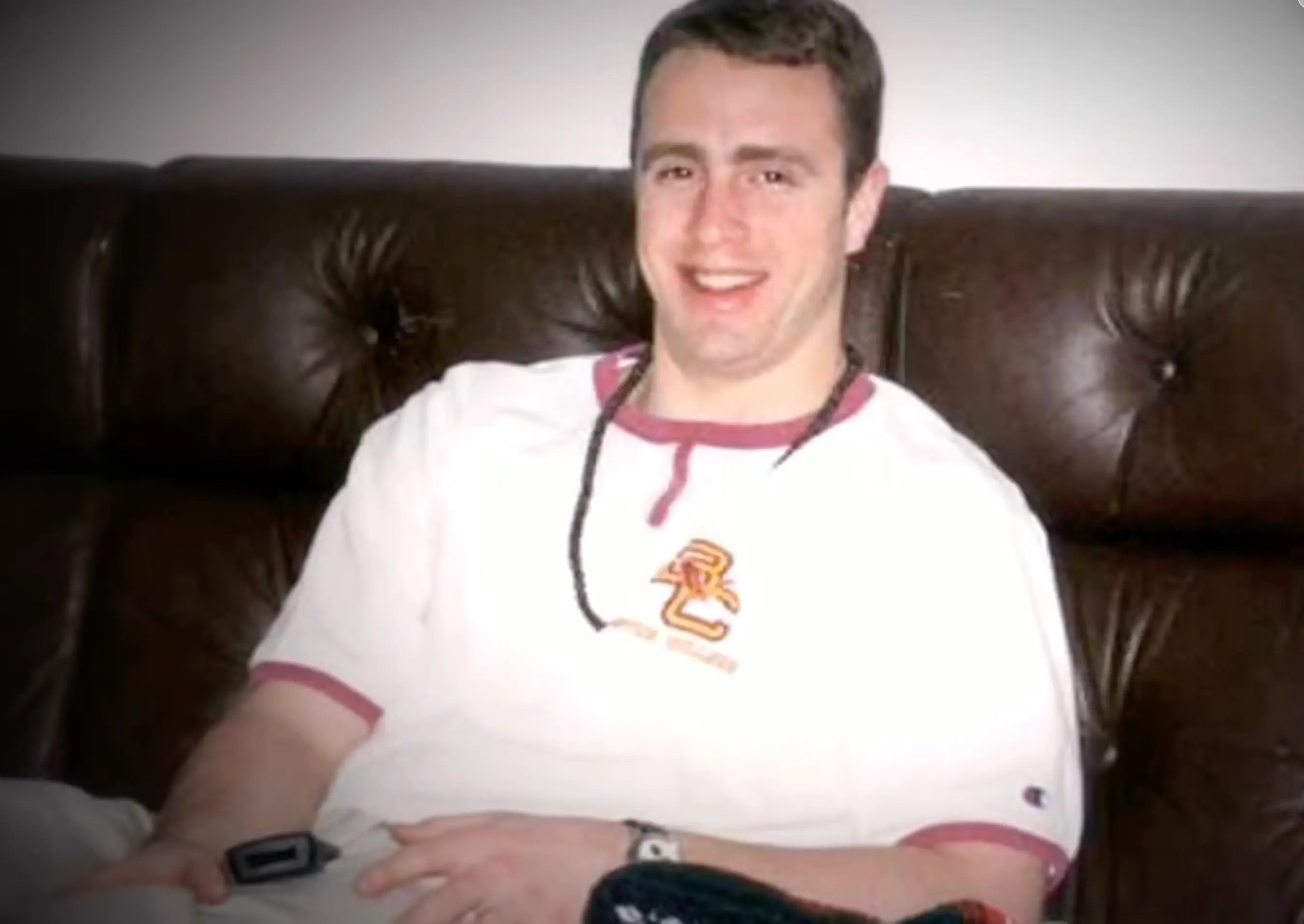
His story has since become part of the history of 9/11, remembered at the National September 11 Memorial and through the Red Bandana Project established by his family.
Former President Barack Obama also honoured Crowther during the dedication of the 9/11 Memorial Museum in 2014, recalling how survivors did not know his name at the time, but knew their lives had been saved by “the man in the red bandana”.
At this week's ceremony, Trump described the rescue effort and said Crowther had become 'more famous than me', before adding: “I don't like it. Very unhappy. But he's become much more famous than me.”
A quarter of a century after Welles disappeared into the smoke of the South Tower, his mother was once again standing in public with the evidence of what her son had done.
For Alison, the red bandana remains more than a symbol.
It was the small detail that finally allowed a grieving mother to understand how her son spent his last moments, not trying to save himself, but helping others get out alive.
 Jen Thomas