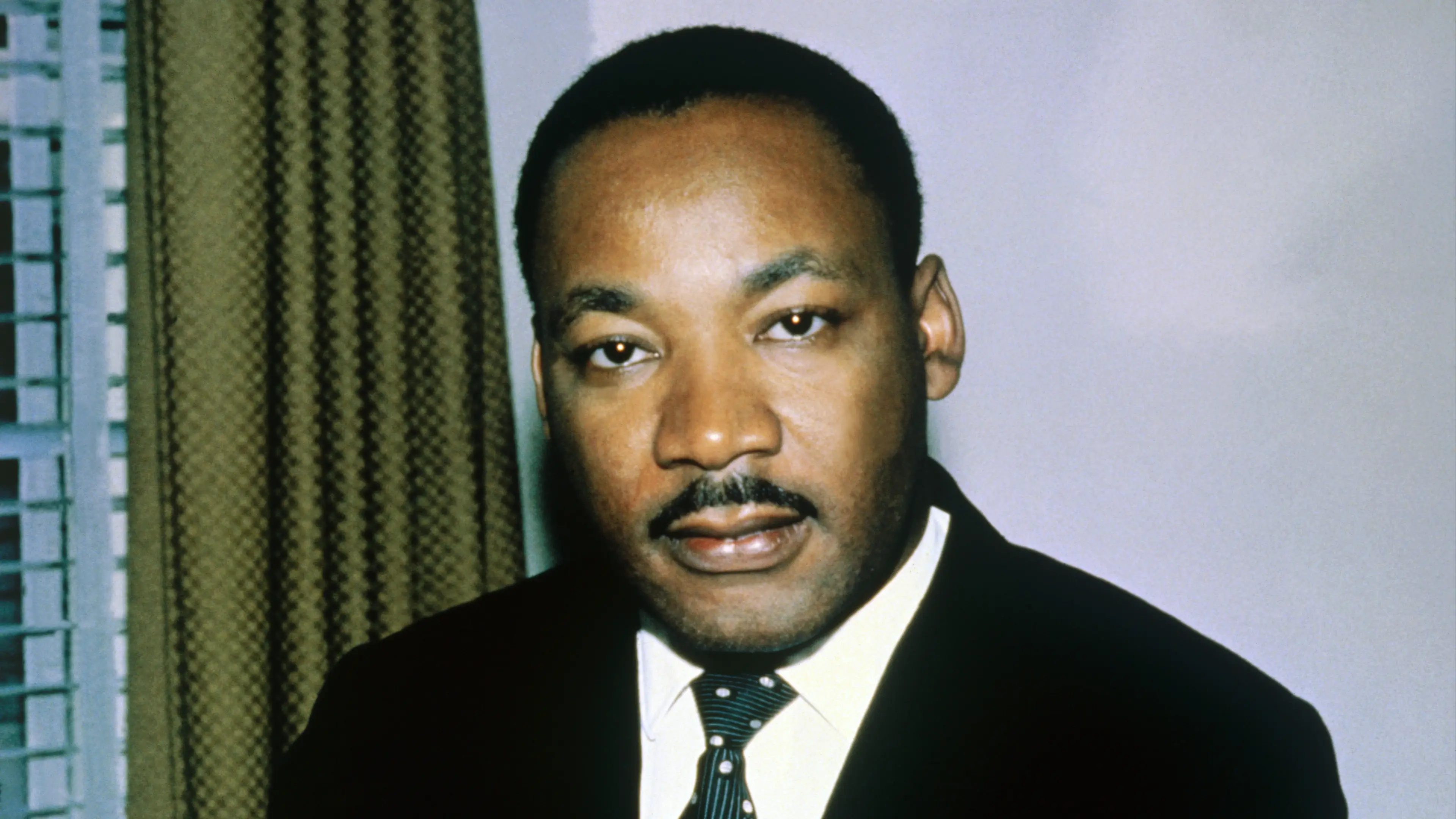
OpenAI bans Martin Luther King Jr videos following ‘disrespectful’ content

OpenAI has banned deepfake videos portraying Dr Martin Luther King Jr, following a request from his estate.
On Friday (17 October) the artificial intelligence company issued a statement announcing that due to 'disrespectful depictions,' of the civil rights activist, generating content using his likeness on its AI app Sora has been halted.
For those unfamiliar, a deepfake is a video or picture of a face, body, or voice that has been digitally altered so that they appear to be someone else, typically used maliciously or to spread false information.
AI technology allows people to input a description of physical characteristics to conjure up a totally fictionalised image.
Advert
Or, facial recognition algorithms and artificial neural networks can be used to recreate an image of a real person, and can see them placed into fictional scenarios.
What's worrying is that these deepfakes can often look so real that it can be difficult to identify that they're AI, as we've seen with recent fake videos circulating of Jake Paul.
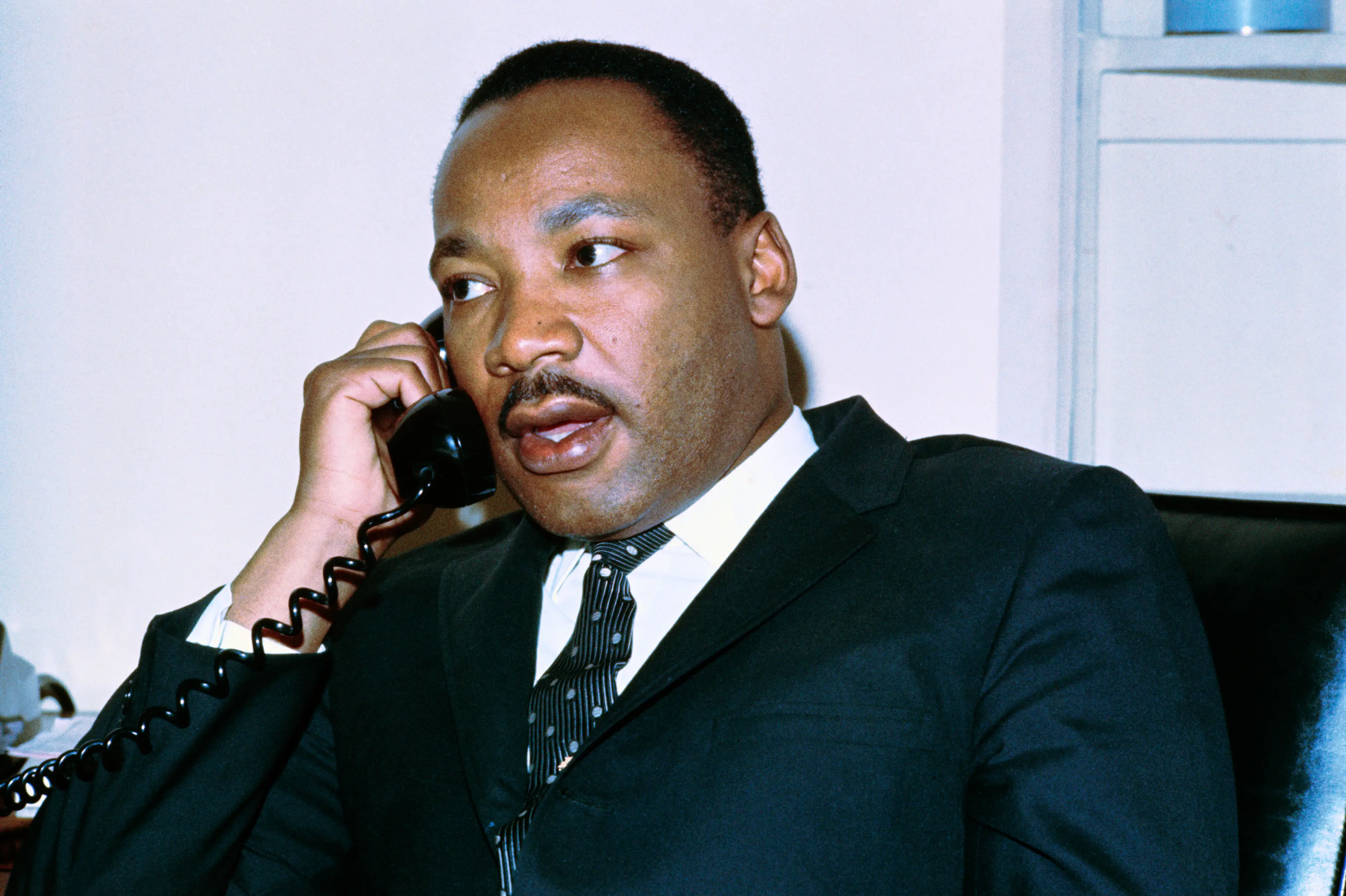
And they raise a whole slew of ethical concerns when it comes to people making deepfakes of celebrities, especially those who have passed away, like King Jr.
The statement from OpenAI, which was shared to Twitter on Friday, reads: "The Estate of Martin Luther King, Jr., Inc. (King, Inc.) and OpenAI have worked together to address how Dr. Martin Luther King Jr.’s likeness is represented in Sora generations.
"Some users generated disrespectful depictions of Dr. King’s image. So at King, Inc.'s request, OpenAI has paused generations depicting Dr. King as it strengthens guardrails for historical figures."
The statement continues: "While there are strong free speech interests in depicting historical figures, OpenAI believes public figures and their families should ultimately have control over how their likeness is used.
"Authorised representatives or estate owners can request that their likeness not be used in Sora cameos. OpenAI thanks Dr. Bernice A. King for reaching out on behalf of King, Inc., and John Hope Bryant and the AI Ethics Council for creating space for conversations like this."
As per the BBC, King Jr. is not the only one who has fallen victim to this worrying trend, as President John F. Kennedy, Queen Elizabeth II and Professor Stephen Hawking have also been subject to circulating deepfakes.
Earlier this month, Robin Williams' daughter Zelda begged people to stop making AI videos of her late dad and sending them to her.
She wrote on her Instagram stories: "Please, just stop sending me AI videos of Dad.
"Stop believing I wanna see it or that I'll understand, I don't and I won't. If you're just trying to troll me, I've seen way worse, I'll restrict and move on."
Zelda, 36, pleaded: "But please, if you've got any decency, just stop doing this to him and to me, to everyone even, full stop. It's dumb, it's a waste of time and energy, and believe me, it's NOT what he'd want."
Following the King Jr. news, some people think that OpenAI need to ban all celebrity deepfakes, rather than just those who request it.
One Twitter user penned: "Just ban the use of anyone’s likeness wtf are doing man."
While a second agreed: "They should have never allowed anyone’s likeness to be used without consent, including dead people."
Another wrote: "Then they should ban every likeness tbh," and a fourth said: "All use of celebrity likeness should be banned immediately."
Topics: Artificial intelligence, News, Celebrity, Technology
 Madison Burgess