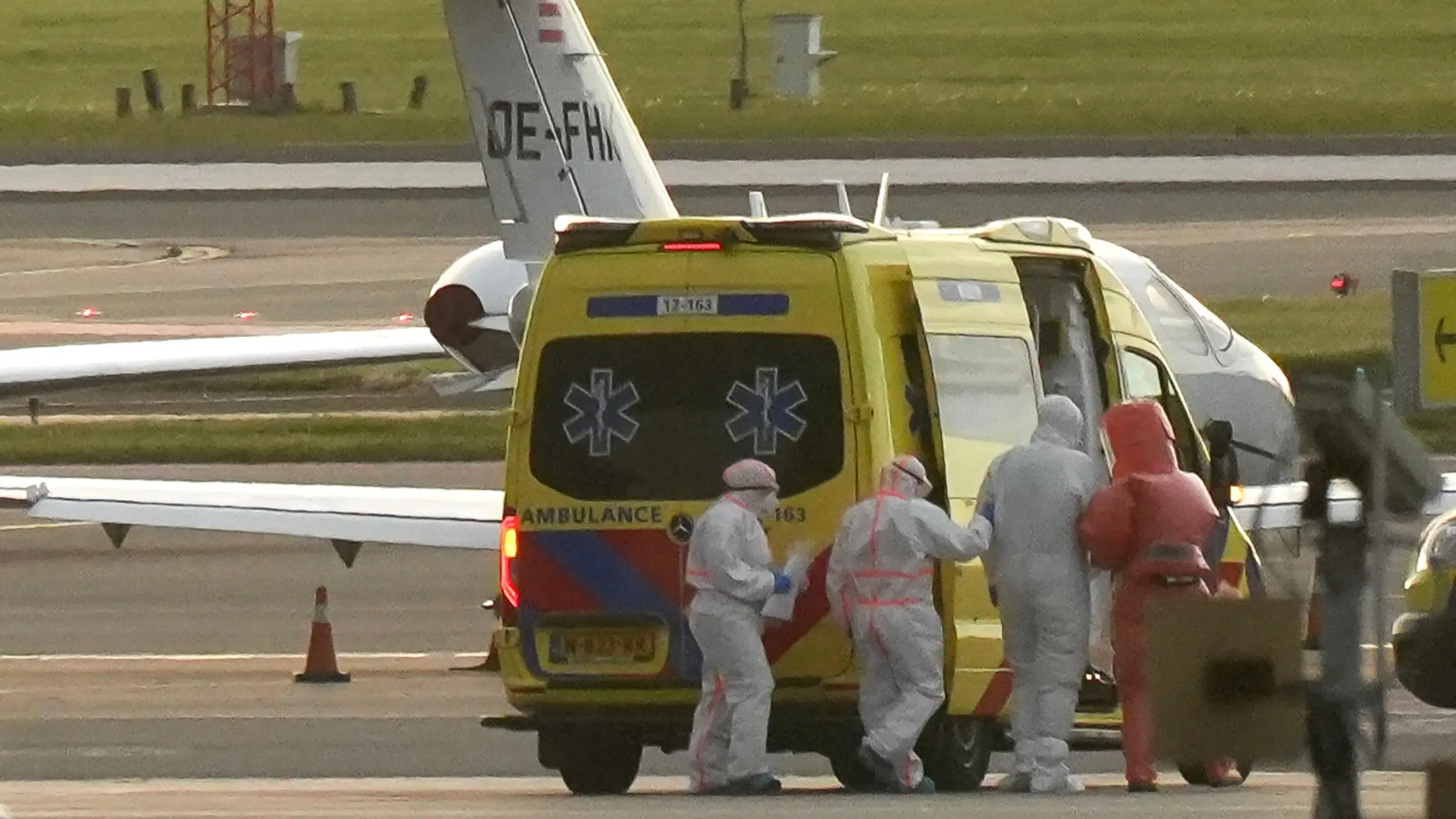
Key date that will determine if hantavirus outbreak is spreading

An expert has suggested that a key date next week could indicate whether or not the hantavirus outbreak is spreading beyond the MV Hondius passengers.
So far, only those who were aboard the Dutch cruise ship have been confirmed to have the illness.
However, due to the virus's long incubation period, it’s currently impossible to know whether the passengers who left the vessel early on April 24 have passed on the disease to others.
At least 29 passengers of 12 nationalities left the ship after the first fatality, before the outbreak was confirmed.
Advert
American US physician-scientist Dr Steven Quay told The Telegraph that generation three cases, which are essentially anyone who contracts the virus from those who were on the cruise, should start showing up around May 19 if the illness has spread.
So, that’s next Tuesday - a week on from today.

The scientist calculated this estimate by looking at how long it took to identify all of the generation two cases, those who contracted hantavirus following contact with ‘patient zero,’ aka the first person documented to be infected with a contagious disease during an outbreak.
According to the publication, the confirmed cases took an average of 22 days to become unwell.
Authorities have confirmed three new positive cases in recent days, taking the confirmed number of cases of hantavirus linked to MV Hondius up to seven, with two others suspected.
Dr Quay said: “May 19 is a good date to watch for... If cases continue beyond that point, they will probably be generation two to generation three cases.”
Hantaviruses are carried by rodents such as mice and rats and are transmitted by their droppings and urine.
While most strains don't pass from person to person, rare instances of human transmission have been seen in the Andes virus strain, which is the one identified in the cruise ship outbreak.
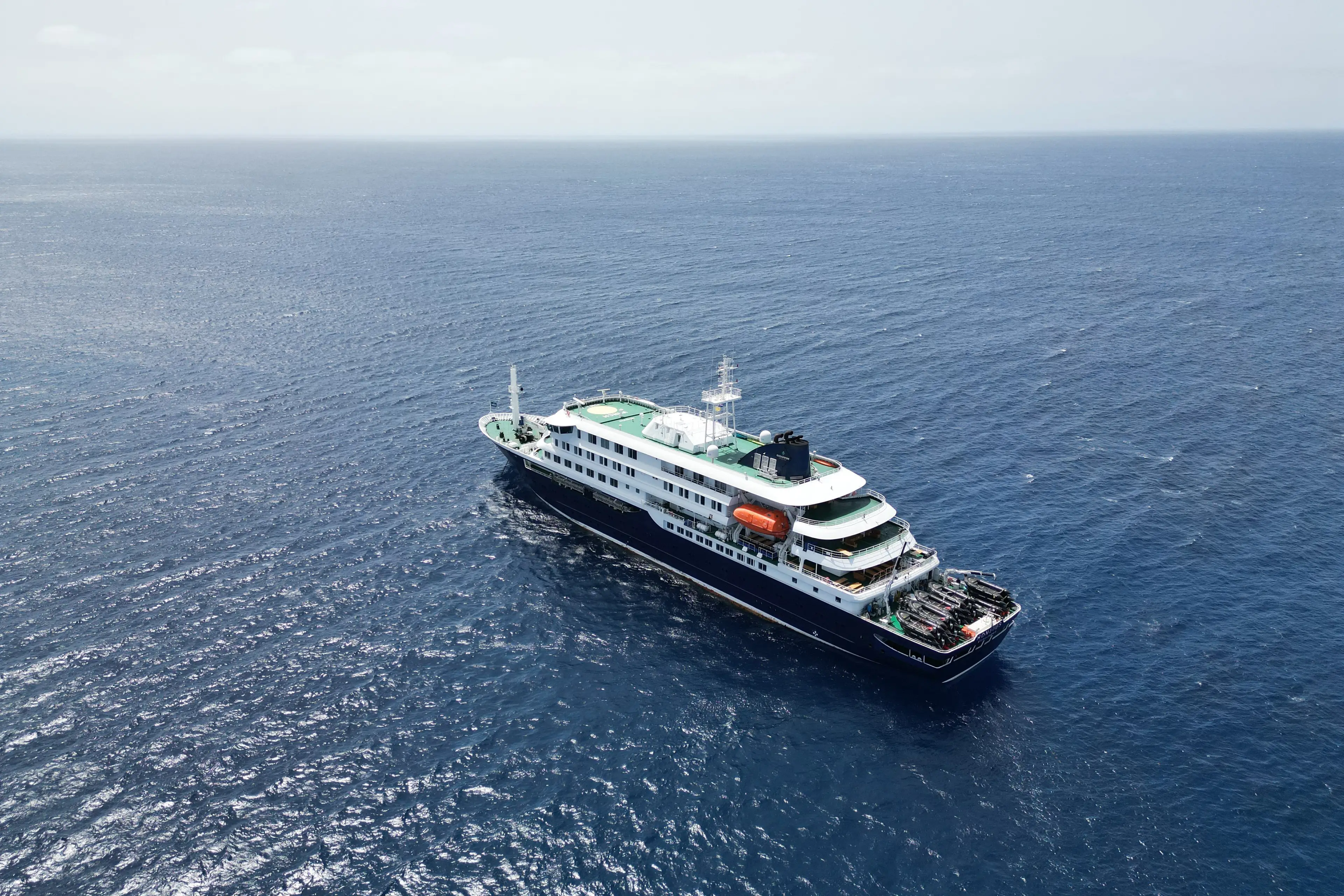
Three people have died, all of whom were passengers on the Dutch ship, which was headed to Cape Verde from Argentina - two of the fatalities were confirmed to have had the virus.
On Sunday (10 May), after the ship docked in Tenerife, the disembarkation process took place, in which nearly 150 passengers and crewmembers were escorted to shore and subsequently repatriated back to their home countries, where they are isolating.
Twenty British nationals, together with a German who is a UK resident and a Japanese passenger, were taken to Arrowe Park Hospital on the Wirral, where they’re undergoing medical tests.
Arrowe Park will house the group for three days in total before they are sent home to continue isolating for a further 42 days.
If this isn’t an option, they will be placed in other accommodation to see out the isolation period.
The symptoms of hantavirus
Hantavirus can cause two life-threatening syndromes, according to the WHO: hantavirus pulmonary syndrome (HPS) and hemorrhagic fever with renal syndrome (HFRS).
The early symptoms of HPS, which attacks the lungs, start one to eight weeks after infection, and include:
- Fatigue
- Fever
- Muscles aches
- Headaches
- Dizziness
- Chills
- Nausea and vomiting
- Diarrhoea
Later symptoms include:
- Coughing
- Shortness of breath
- Tightness in the chest
Early symptoms of HFRS, which affects the kidneys, start one to two weeks after infection, and include:
- Intense headaches
- Back pain
- Abdominal pain
- Fever/chills
- Nausea
- Blurred vision
Later symptoms include:
- Low blood pressure
- Internal bleeding
- Acute kidney failure
Topics: Cruise Ship, Travel, Health, World News, UK News, News
 Madison Burgess