Women issued warning over relationship red flags hidden in banking apps

Warning: This article contains references to domestic abuse, financial abuse and coercive control which some readers may find triggering.
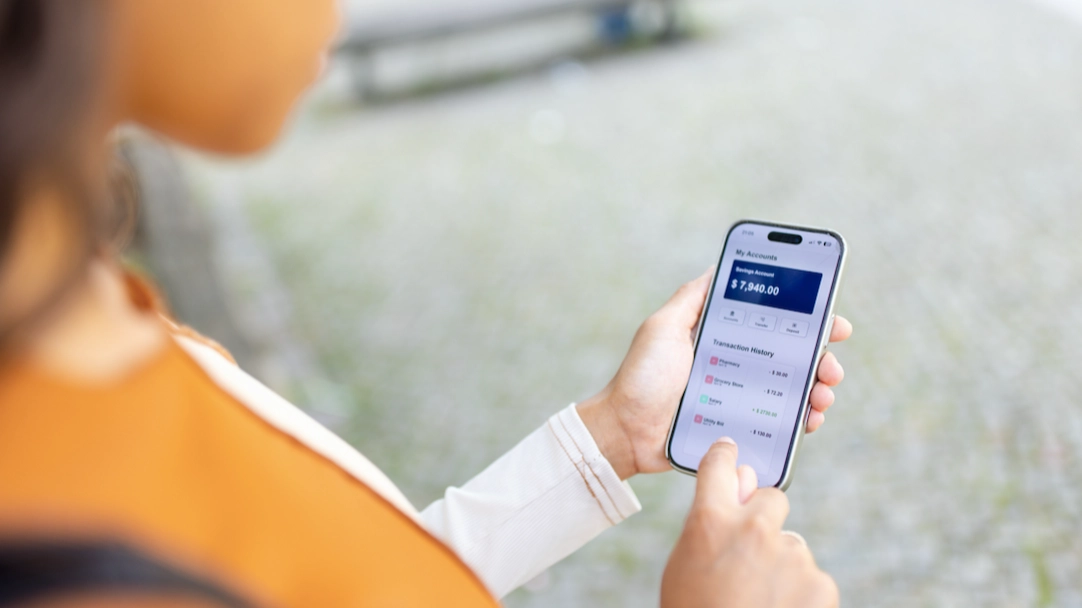
Sharing banking details, questioning purchases and keeping tabs on a partner’s spending might seem like ordinary relationship behaviours, but experts are now issuing a warning that they could be signs of financial abuse hiding in everyday banking apps.
New research from charity Surviving Economic Abuse has revealed the extent to which digital financial products are being misused to control young women and teenage girls, with almost 700,000 people aged 16 to 24 having experienced economic abuse in this way.
What does economic abuse look like?
This can include partners controlling mobile payment accounts, withholding online banking passwords, monitoring transactions or pressuring women into taking on debt. The report also found that the abuse can begin surprisingly early, with 56 per cent of survivors saying it started within the first six months of a relationship, while 11 per cent experienced it within the first month.
Julia Rodgers, family law attorney and founder and CEO of HelloPrenup, explains to Tyla how seemingly harmless
Advert
and shares the relationship red flags women should be aware of.
“It can look like a partner who insists on having your banking app login ‘for transparency’ and then checks every transaction,” Rodgers explains regarding the signs to look for. “It can look like being set up as an authorised user on their account, or them as one on yours, so they can see and approve what you spend. Some partners change passwords or turn on two-factor authentication linked to their own phone, so you’re locked out of your own money. Others use payment apps to keep a running tally of who owes what and use it as leverage, or send money with strings attached and then hold it over you.
The warning signs are not limited to someone having access to a partner’s banking app. Financial abuse can also have long-lasting consequences when it comes to debt, particularly when one person is pressured into borrowing money on behalf of the relationship.

Rodgers says she has seen cases where victims are encouraged to take out loans, credit cards or buy-now-pay-later agreements in their own names under the pretence that the money is for both partners.
“The victim is left holding the debt and the damaged credit score long after the relationship ends,” she warns.
There are also several early behaviours women should be alert to, particularly when a partner starts asking for access to their finances or questioning how they spend their money.
According to Rodgers, this can include a partner asking for banking passwords, PINs or logins early in a relationship, particularly when it is presented as a test of trust. Wanting to combine finances or open a joint account very quickly can also be a warning sign.
Other behaviours include regularly borrowing money without clear plans to pay it back, asking a partner to put purchases on their credit card, questioning their spending or demanding to see receipts.
Rodgers also highlights how financial control can extend beyond banking, with some partners discouraging women from working, studying or taking a promotion. Becoming angry or sulking when a partner spends their own money on themselves, or pressuring them to take out credit for something they will supposedly share, can also indicate a wider pattern of control.
However, she stresses that context is important, as these behaviours may not always appear abusive in isolation.
“On its own, any one of these can look like ordinary relationship friction,” Rodgers explains. “The red flag is a pattern in which your financial choices increasingly require their approval.”

What you can do if you spot the signs
Recognising financial abuse can be difficult, especially for those who may still be learning what a healthy financial relationship looks like.
Rodgers explains that, unlike physical abuse, the damage is not always immediately visible. It can take the form of declined transactions, mounting debt or a damaged credit score, with some victims only realising the extent of the control when they try to leave the relationship.
If you are concerned, she advises speaking to someone you trust and keeping a record of what is happening, including dates, screenshots and bank statements somewhere your partner cannot access.
Banks also have specialist teams that can support customers experiencing financial abuse, while a family law solicitor can offer advice about shared money and debts. However, Rodgers warns against making sudden changes to passwords or opening new accounts without considering whether this could alert a controlling partner and escalate the situation.
She also stresses the importance of maintaining financial independence, including having a bank account and savings in your own name, keeping passwords and PINs private and regularly checking who has access to your accounts.
“Wanting your own account isn’t a sign you don’t trust your partner. It’s basic financial health, and a healthy partner will understand that,” she says.
Topics: Money, News, Domestic Abuse
 Greg Harris