'Mounjaro microdosing' explained as doctor issues serious health warning

An expert has warned against 'Mounjaro microdosing' after a rise in people taking smaller doses of the medication has been seen on social media.
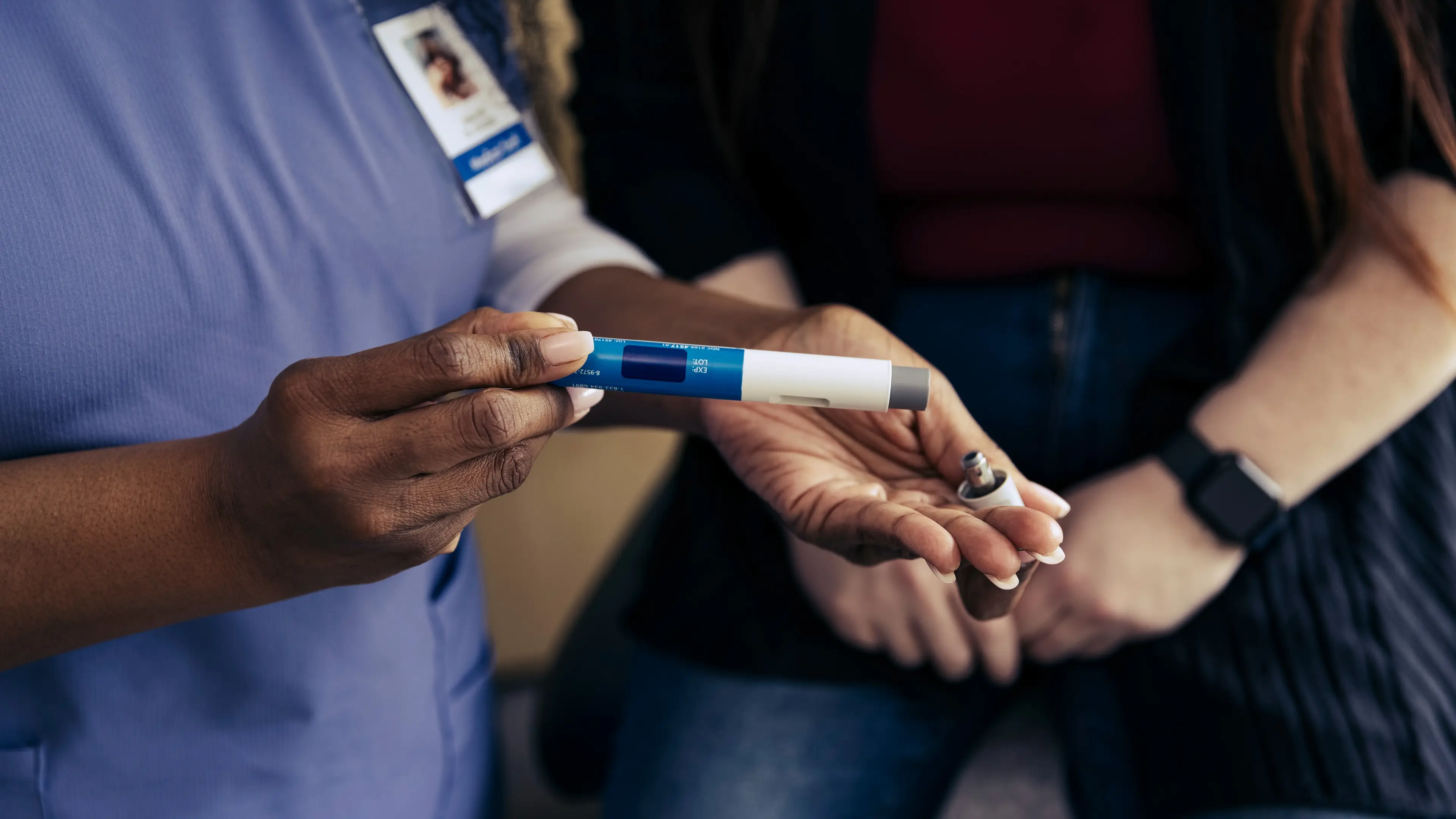
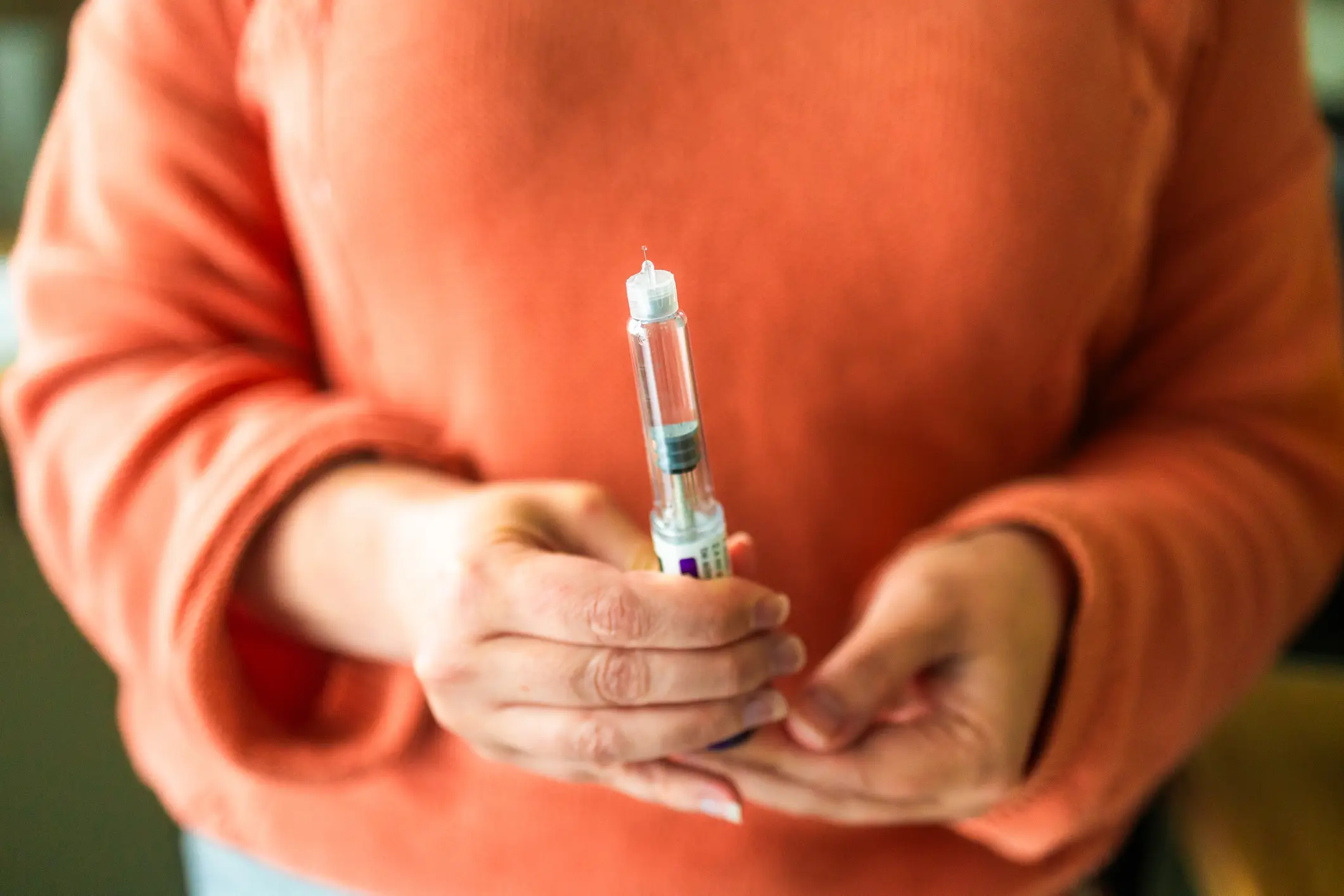
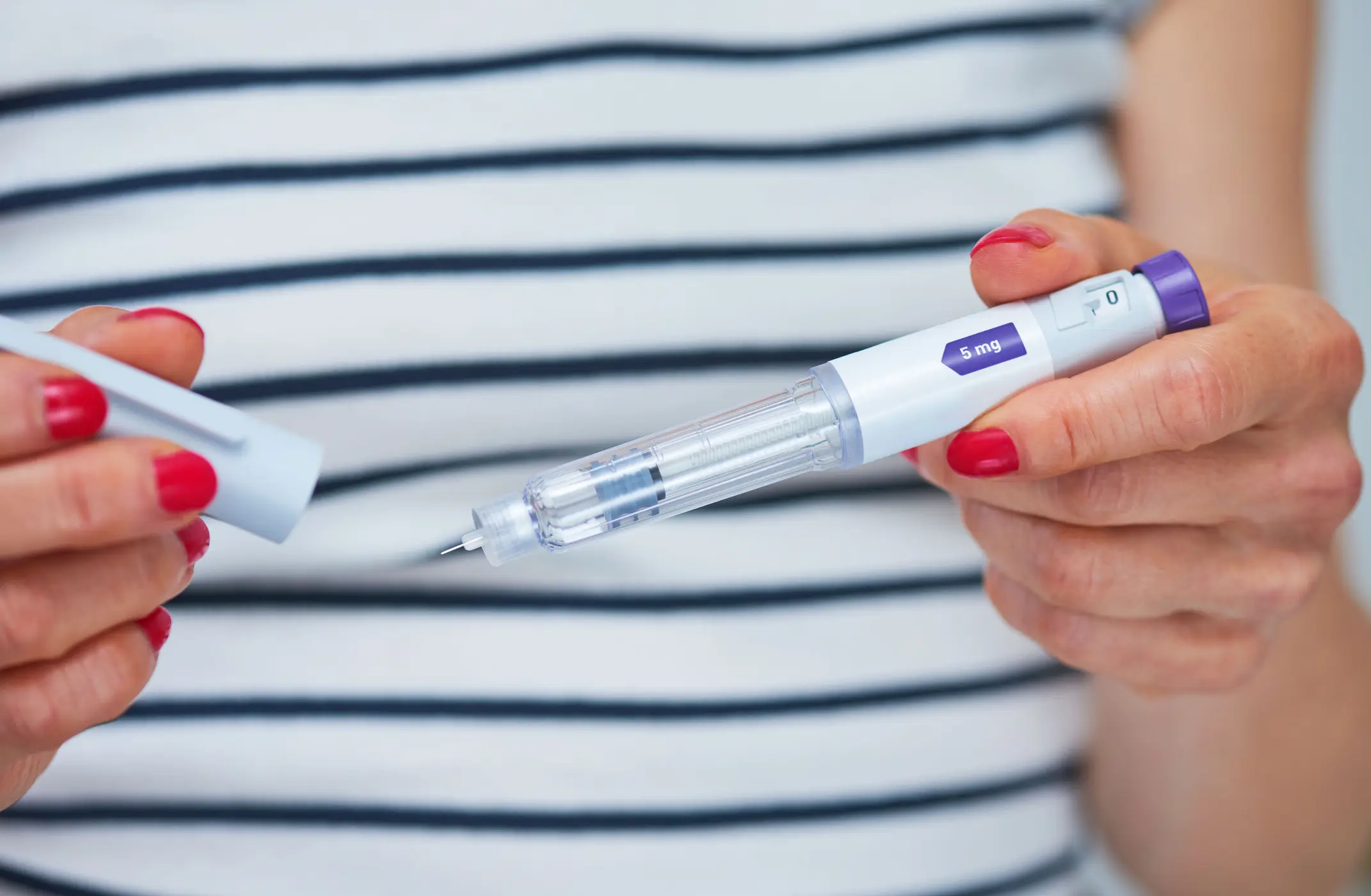
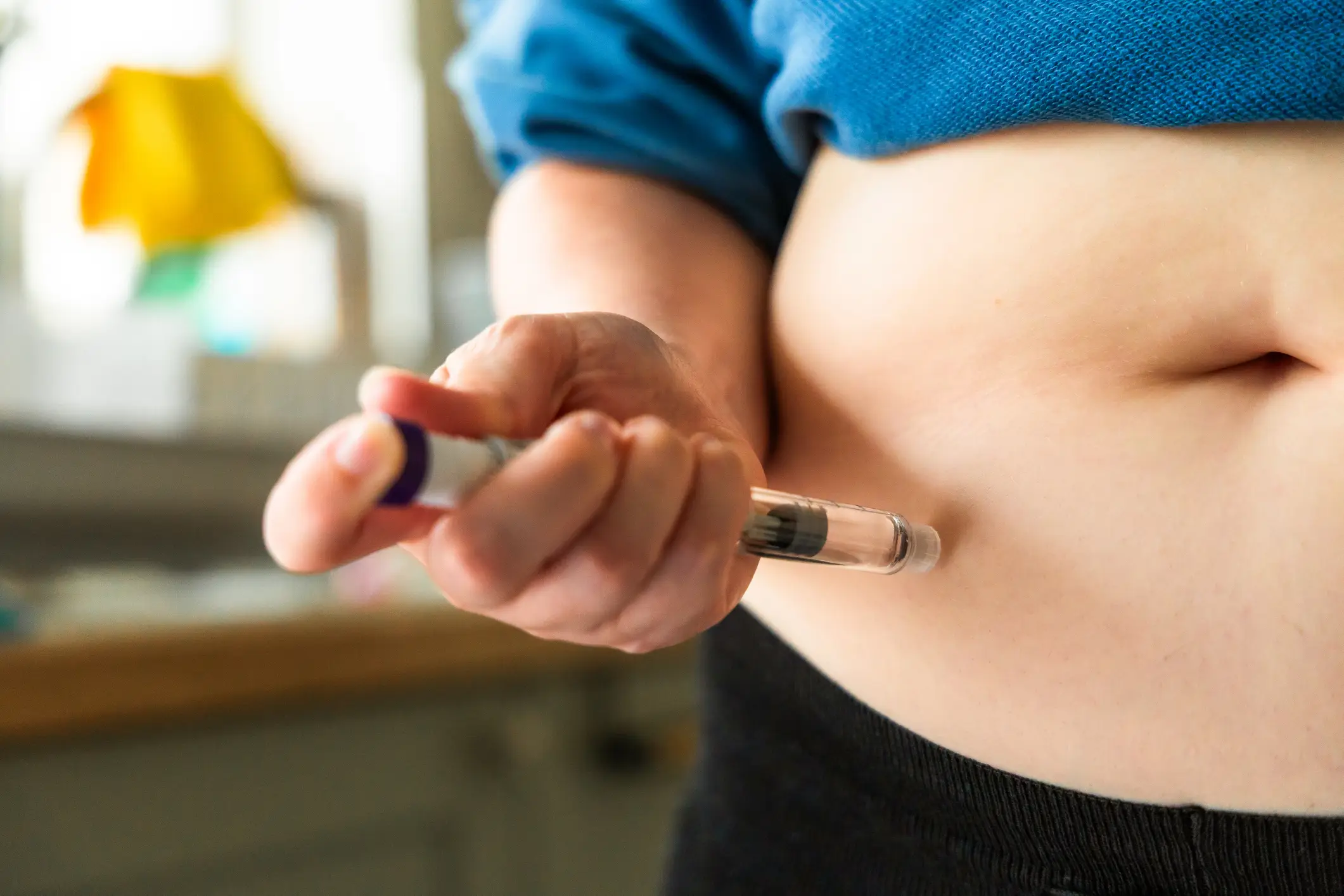
Mounjaro is a self-injectable pen used for weight loss. It contains tirzepatide, which works by regulating blood sugar and energy balance levels, helping to reduce appetite and prevent cravings.
Tirzepatide works on two different hormonal receptors: glucagon-like peptide-1 (GLP-1) and glucose-dependent insulinotropic polypeptide (GIP).
GLP-1 helps to regulate blood sugar levels, which in turn talks to the brain to make you feel less hungry and prevent cravings.
Advert
Back in September, the price of Mounjaro increased, and, in recent months, there has been a spike in people trying to make their pens last longer by taking smaller doses.
According to Dr Giuseppe Aragona, Medical Practitioner at Prescription Doctor, this type of behaviour can carry risks and should be avoided.
“It’s understandable that the festive period brings financial pressures, and that people want to be able to indulge in their favourite Christmas foods without feeling restricted," Dr Aragona told Tyla.
“That being said, it’s important to understand that the trend of microdosing GLP-1 medications is not proven to be a safe or effective solution, as the drugs are designed to be taken at specific doses, which has been supported by clinical evidence.
"By reducing a dose after weeks or months of administering the drug correctly, patients risk compromising both their safety and long-term health outcomes.”
Experts explain that GLP-1 medications have been tested at precise doses, meaning there's no evidence that taking a reduced dose will be as effective.
“The premise of stretching a medication by using less than prescribed may seem harmless - especially if weight loss influencers are promoting the method on their social platforms - but in reality it can lead to patients losing the stability they’ve built, and risks undoing months of hard work," explains Dr Aragona.
“Users who reduce their GLP-1 doses can experience a rapid return of their cravings, reduced blood-glucose control, and a decline in weight-management stability.
"These issues may be amplified during the temptation-heavy festive season, where increased calorie intake is common.”
Aside from potentially reducing effectiveness, there are also safety issues to consider.
For example, having smaller doses, altering injections or mixing doses can lead to confusion, which could end up resulting in inaccurate doses being administered.
“There are safer and more practical options than microdosing. For some, switching to a more affordable alternative medication or discussing a supervised temporary dose adjustment may be appropriate," Dr Aragona added.
"Other users may benefit from implementing short-term lifestyle strategies or seeking potential support with managing prescription costs.
“What’s crucial is that these decisions are made with professional guidance, and not through social media advice.”
Tyla has reached out to Mounjaro's manufacturer, Eli Lilly for comment.
 Lucy Devine