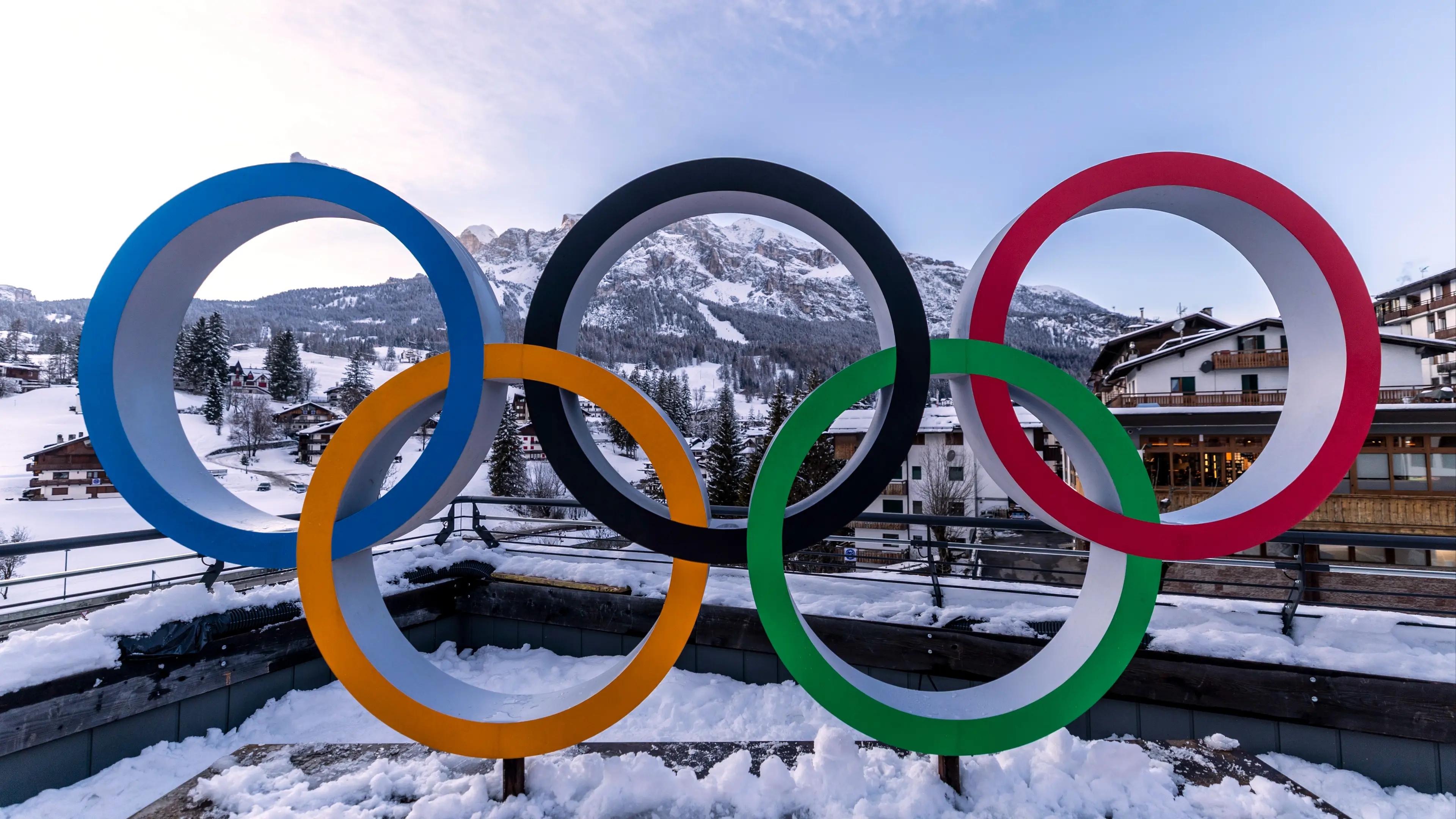
'Crotch-enlarging' scandal leads to major rule change in 2026 Winter Olympics

It's often debated whether size truly matters or not, but it seems in some sports it can be make-or-break.
With the Winter Olympics 2026 set to kick off this week, one sport is still reeling from a 'crotch-enlarging' scandal, which isn't a combination of words we thought we'd be writing today.
Competitors trying to claim a physical advantage is nothing new, but the competition in Milan and Cortina d'Ampezzo will introduce some, er, stiff new rules in light of some questionable behaviour in the past.
Uniforms and attire can benefit a competitor hugely, with there being strict regulations about what is and isn't allowed for many sports.
Advert
At last year's ski jumping world championships, Norway was accused of bending the rules, which state there should be a circumference of at least 2cm and no more than 4cm added to each uniform in comparison to the usual measurements of the body.
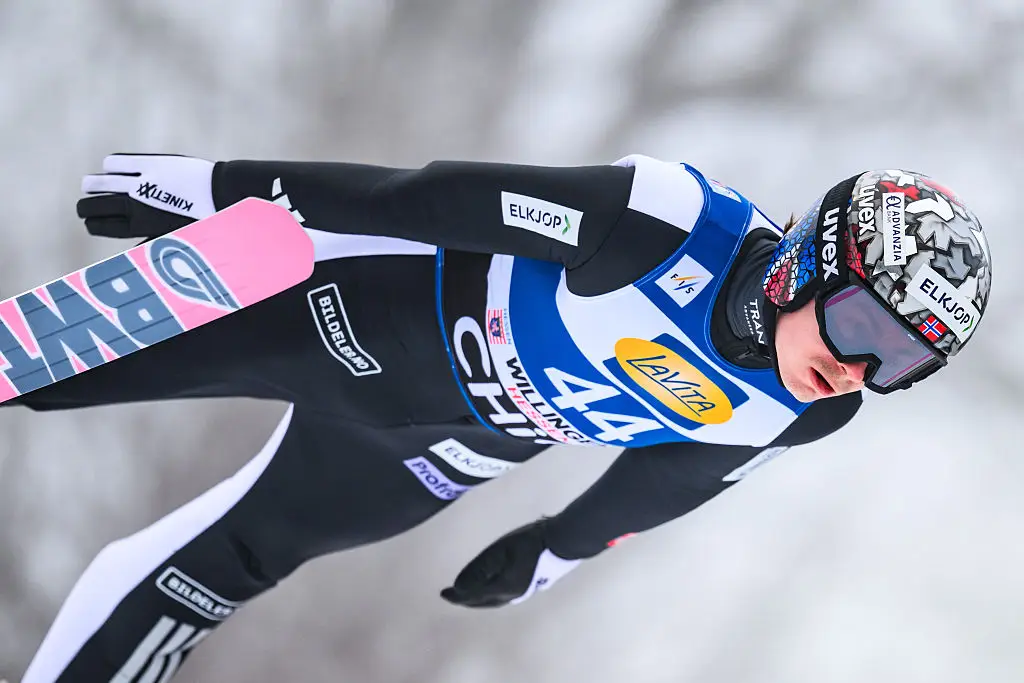
According to one study in Frontiers titled 'Influence of suit size and air permeability on performance in ski jumping', increasing the suit size by 2cm of additional circumference was found to increase drag by four percent and lift by five percent.
This doesn't sound like much, but those percentages could add whopping 5.6 metres to a jump.
When mere centimetres can be the difference between taking home a gold or silver medal, it's no surprise some teams will do what it takes to win.
The Norwegian team at the heart of the scandal were caught on camera making changes to the crotch area of two of their male jumpers.
Their antics caused Norway's head coach Magnus Brevik, assistant coach Thomas Lobben, and staff member Adrian Livelten to be banned for 18 months.
Skiers Marius Lindvik and Johann Andre Forfang both received a three-month suspension for the tampered kit.
A spokesperson for the international ski federation (FIS) Bruno Sassi told ABC News: “There have been disqualifications in the past, many. It’s part of the sport.
“But there had never been that kind of a brazen attempt to not only bend the rules, but downright do something… to cheat the system in a way that it is very different from simply having a suit that is a tad too long or a tad too loose.”
They were caught red-handed adding extra material to the crotch of the two competitors in order to help during take-off thanks to the increased surface area.
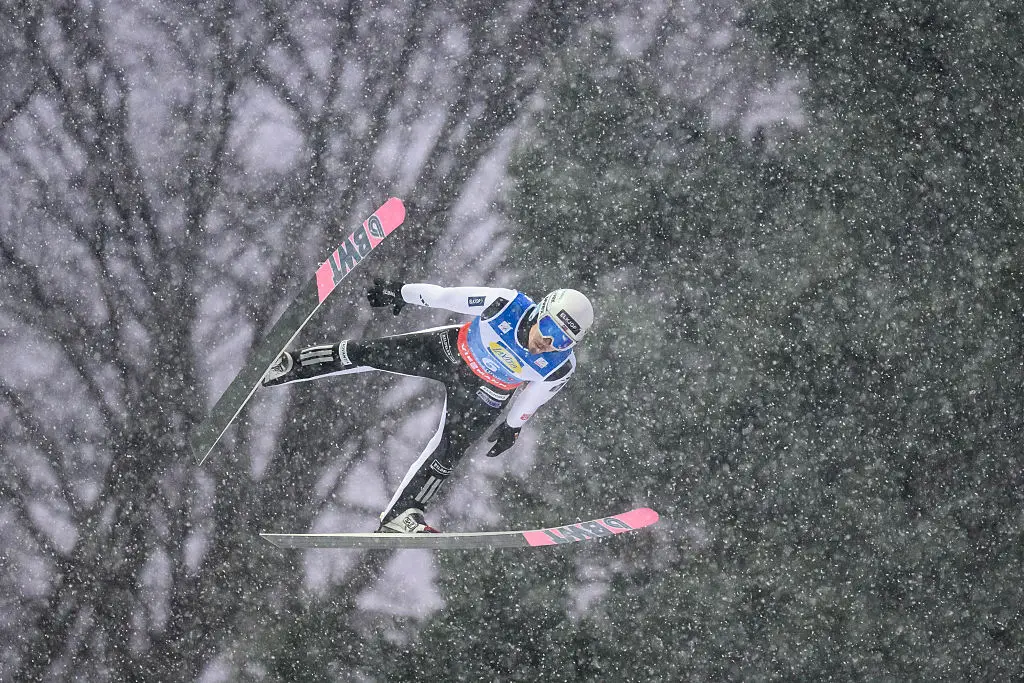
Race director Sandro Pertile said they had to 'destroy the suits' to prove what had been done, which included adding weight and lowering the crotch.
A remorseful head coach Brevik confessed: “We regret it like dogs, and I’m terribly sorry that this happened."
He added: “I don’t really have anything else to say other than that we got carried away in our bubble.”
Under the new rules, two members of the FIS, plus a doctor, will use 3D measurements to check the uniforms are accurate.
That's not all though, there's some impressive new tech being used too.
The suits must then go through a control checkpoint, at which point tamper-proof microchips will be attached.
These microchips mean that organisers will be able to scan the chips to see if they remain in place, or if any changes have been made in an attempt to cheat.
For anyone caught amending the outfits, a yellow and red card system will be in place for violations which could lead to disqualifications.
Topics: Sport, World News, Olympics
 Jen Thomas