
• News
  • Life
  • TV & Film
  • Beauty
  • Style
  • Home
  • News
    • Celebrity
    • Entertainment
    • Politics
    • Royal Family
  • Life
    • Animals
    • Food & Drink
    • Women's Health
    • Mental Health
    • Sex & Relationships
    • Travel
    • Real Life
  • TV & Film
    • True Crime
    • Documentaries
    • Netflix
    • BBC
    • ITV
    • Tyla Recommends
  • Beauty
    • Hair
    • Make-up
    • Skincare
  • Style
    • Home
    • Fashion
    • Shopping
  • Advertise
  • Terms
  • Privacy & Cookies
  • LADbible Group
  • LADbible
  • UNILAD
  • SPORTbible
  • GAMINGbible
  • UNILAD Tech
  • FOODbible
  • License Our Content
  • About Us & Contact
  • Jobs
  • Latest
  • Topics A-Z
  • Authors
Facebook
Instagram
X
Threads
TikTok
Submit Your Content
There’s actually a reason you slept so awfully last night and the night before

Home> News

Published 17:40 12 Nov 2024 GMT

There’s actually a reason you slept so awfully last night and the night before

If you've been struggling to get to sleep this week, there could be a very simple reason why

Lucy Devine

Lucy Devine

If you've been finding it difficult to get to sleep over the last couple of nights, you're not alone - and there could be a reason why.

Struggling to get to sleep can be so frustrating, and once you've spent the last couple of hours tossing and turning, it can be so difficult not to watch the clock.
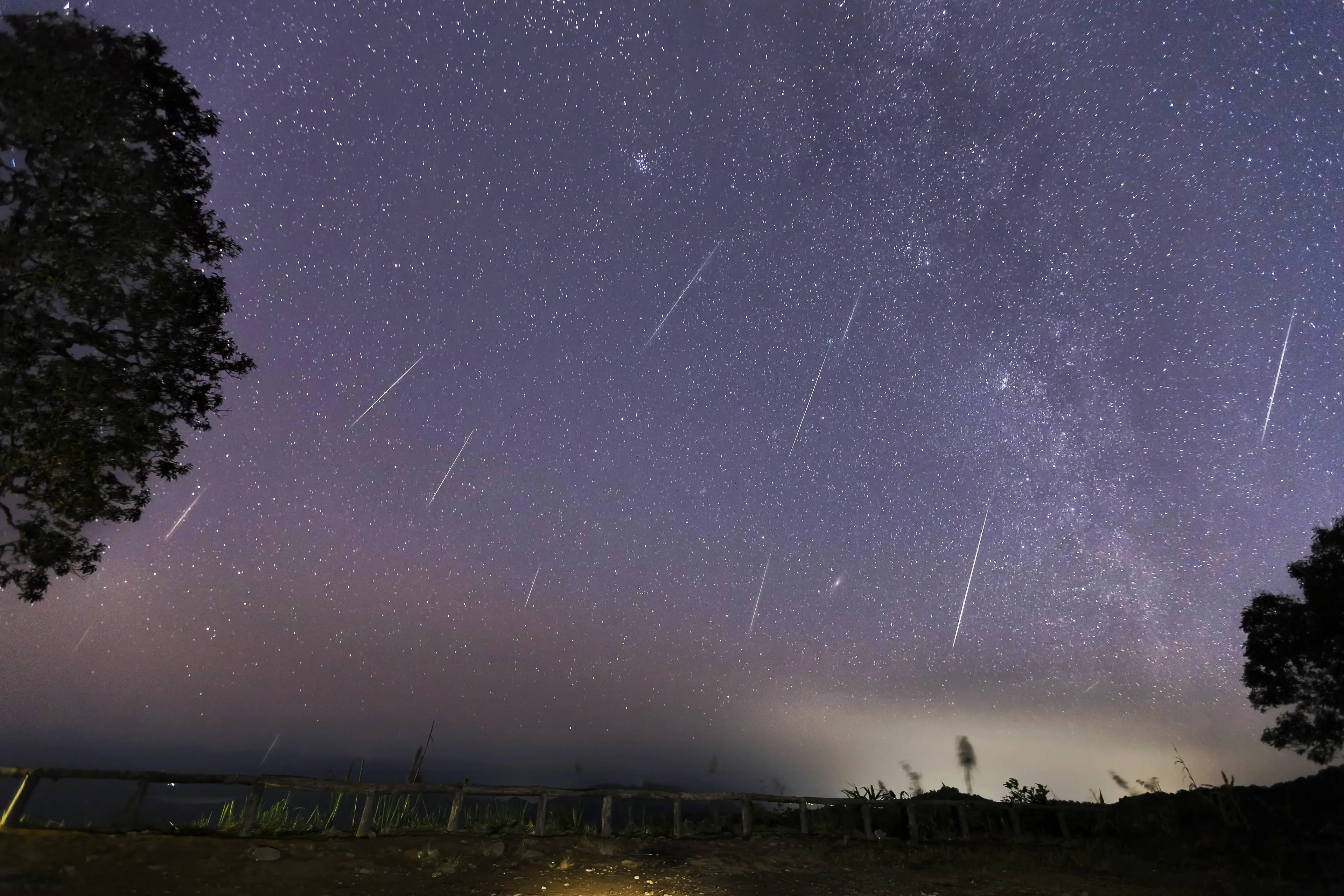
The meteor shower was visible on Monday (11 November) (Getty Stock Images)

While there are a number of factors that can inhibit our sleep - such as caffeine intake, activity levels, stress, and certain medications - sometimes, we struggle to sleep for no apparent reason at all.

Advert

And it's not just falling asleep that can be problematic. Sometimes, we can nod off easily enough, but we spend the night waking up multiple times.

If this perfectly describes you over the last couple of nights, we might have an explanation.

The Northern Taurid meteor shower has been lighting up the skies recently.

The showers are caused by debris like ice and dust from the comet as they pass through our solar system and heat up as they enter Earth's atmosphere, and then burn in dazzlingly bright bursts of light - which makes for quite the spectacle.
Have you been struggling to sleep the last few nights? (Getty Stock Images)

Although the Northern Taurids have been active since last month (13 October), and are set to stay active until early doors next month (2 December), they peaked on Monday (11 November), and they'll still be visible tonight, too (12 November).

So, what's all this got to do with sleep?

Well, Martin Seeley, sleep expert at MattressNextDay, explained that cosmic events, such as meteor showers and full moons, can disrupt our rest.

“The increased brightness of a full moon can further disrupt sleep by tricking the brain into thinking it's still daytime, reducing melatonin production," he told Tyla.

"Melatonin, often called the 'sleep hormone', is released by the pineal gland in response to darkness, promoting sleep and regulating sleep patterns, and lower melatonin levels lead to poorer sleep quality, with less time spent in restorative deep sleep.

"Poor sleep caused by low levels of melatonin can lead to raised levels of cortisol – the stress hormone – and create a vicious cycle of lack of sleep, increased stress, and further lack of sleep.

"Meteor showers are less likely to impact your sleep themselves, as they don’t produce as much light to affect your sleep pattern, but staying up late to observe them will disrupt your circadian rhythm. This can affect your natural sleep-wake cycle, which can take a few days to recover from, and get back to normal.”
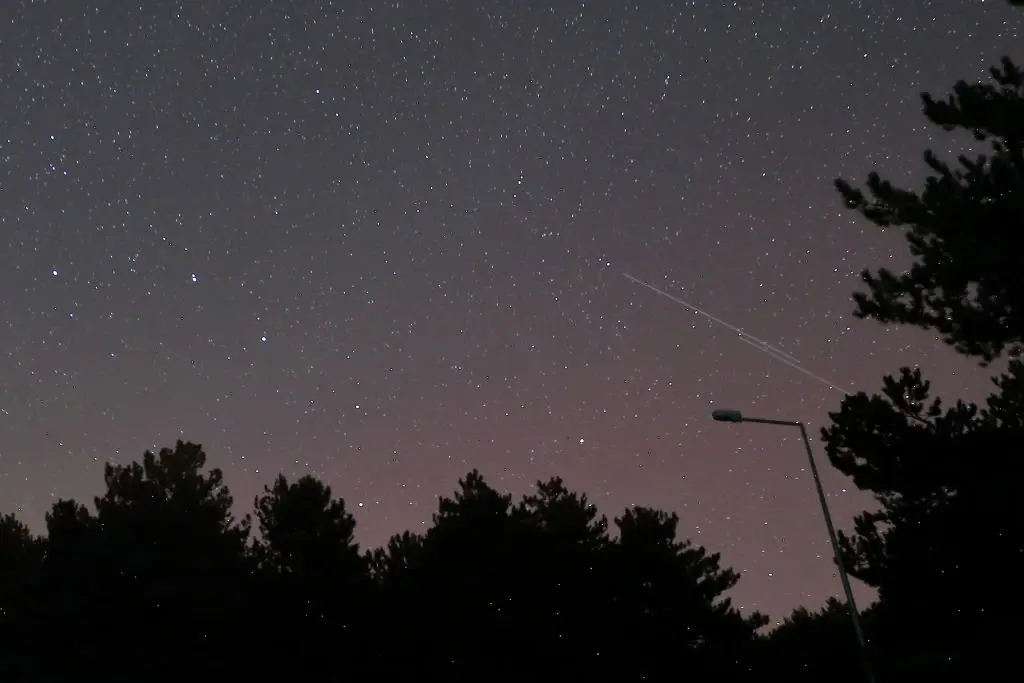
You should be able to view the meteor shower on Tuesday too (Getty Stock Image)

If you missed the meteor shower on Monday, don't worry - there's a chance you'll be able to catch it on Tuesday evening.

You won't need telescopes or binoculars, but there is something you can do, and it doesn't involve any tech.

Head outside before midnight and try to soak in as much of the sky as you can, allowing for around 30 minutes for your peepers to adjust to the dark.

Happy stargazing, and try to get some sleep!

Featured Image Credit: Getty Stock Images

Topics: Sleep, Space, UK News, Science, Health

Lucy Devine
Lucy Devine

Lucy is a journalist working for Tyla. After graduating with a master's degree in journalism, she has worked in both print and online and is particularly interested in fashion, food, health and women's issues. Northerner, coffee addict, says hun a lot.

X

@lucedevine

Advert

Advert

Advert

Choose your content:

15 mins ago
an hour ago
  • Andy Cheung/Getty Images
    15 mins ago

    Olympic figure skater isn't allowed to keep gold medal because it broke

    Team USA figure skater Alysa Liu celebrated her gold medal victory over the weekend

    News
  • Cheshire Police
    an hour ago

    British woman shot dead by dad after 'row about supporting Trump'

    Lucy Harrison, 23, was shot dead by her father following a disagreement about US President Donald Trump and gun rights

    News
  • Emmanuele Ciancaglini/Getty Images
    an hour ago

    Two skiers disqualified from Winter Olympics after using banned item

    The International Ski and Snowboard Federation (FIS) banned the substance because it 'can be a competitive advantage'

    News
  • FBI
    an hour ago

    Harrowing video connected to Nancy Guthrie’s disappearance released by FBI

    Nancy Guthrie, 84, was last seen at around 9.45pm on 31 January at her home just outside of Tucson, Arizona

    News
  • There's actually a very valid reason you slept so badly last night
  • There’s a reason why you didn’t sleep well last night
  • Sleep expert reveals why you might have woken up in the middle of the night last night
  • There’s a reason why you didn’t sleep well this week