How Australia's social media ban for under 16s will actually work as major loophole revealed

From next week (10 December), Australia will implement a world-first ban preventing children under 16 from using social media.
The Australian government has explained that this ban aims to reduce the pressures and risks children face on social media platforms, with such concerns stemming from design features that encourage excessive screen time while exposing young users to potentially harmful content.
A government study found that as many as 96% of children aged 10-15 used social media, with seven out of 10 exposed to harmful content ranging from misogynistic material and fight videos to content promoting eating disorders and suicide.
More than half reported being victims of cyberbullying, while one in seven experienced grooming-type behaviour from adults or older children.
Advert
Which social media platforms are affected?
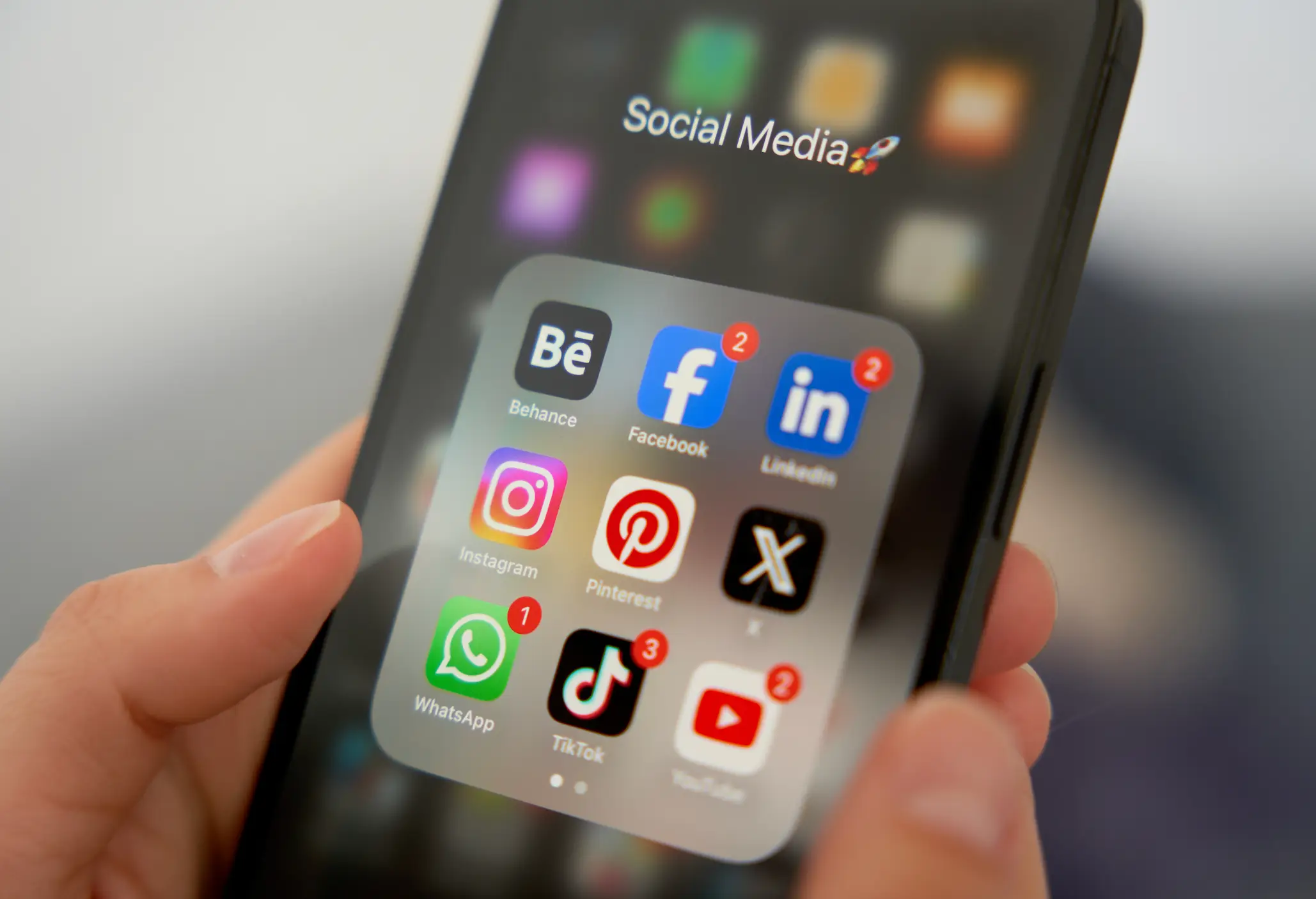
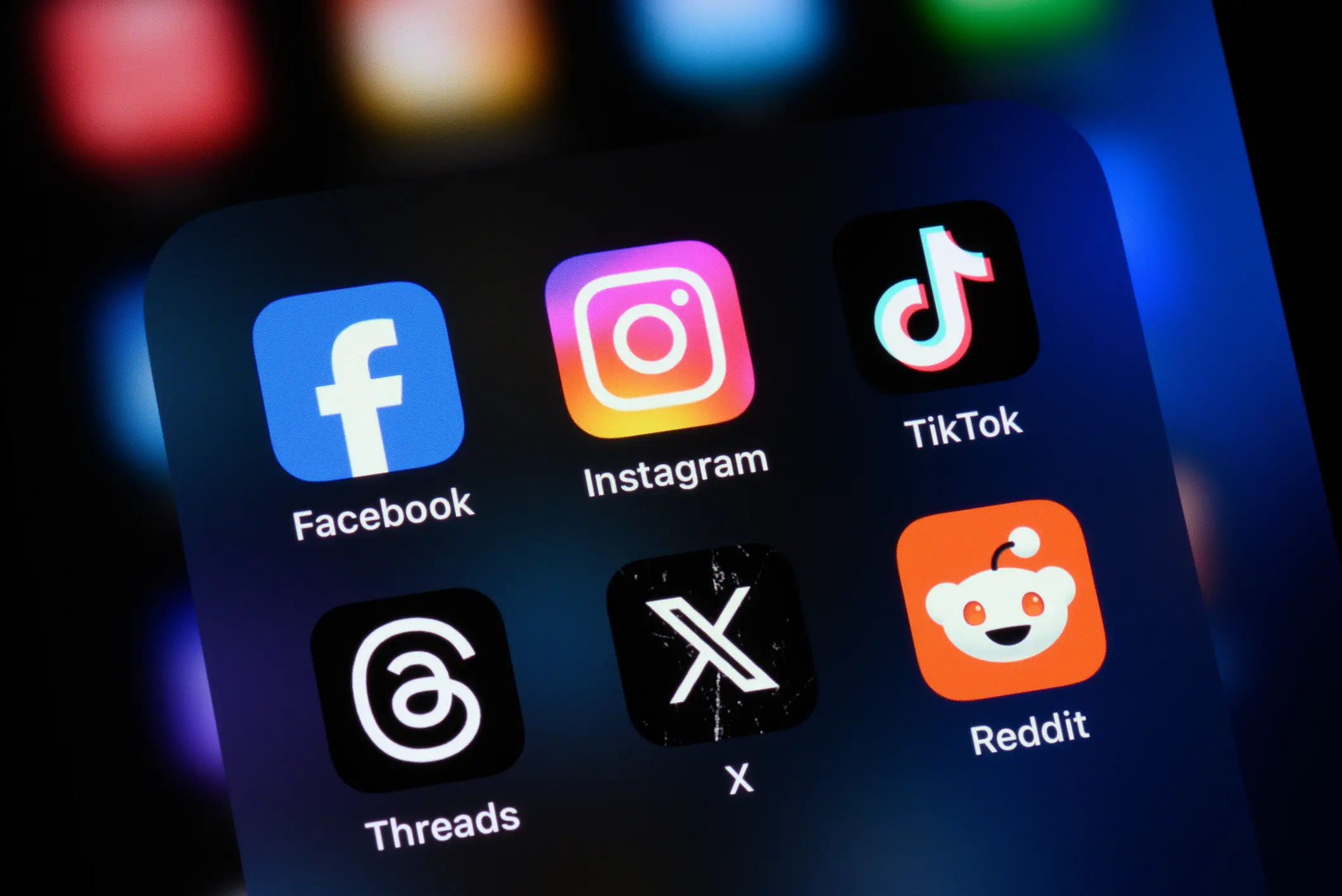
The ban targets ten major platforms: Facebook, Instagram, Snapchat, Threads, TikTok, X (formerly Twitter), YouTube, Reddit, Kick and Twitch.
Notably absent from the list are YouTube Kids, Google Classroom, and WhatsApp, which the government determined don't meet the criteria for social media platforms. Children can still watch YouTube videos without logging in, and gaming platforms like Roblox and Discord have recently introduced age checks to potentially avoid inclusion.
The government will continue reviewing which platforms should be included based on three criteria: whether enabling online social interaction is the platform's main purpose, whether it allows users to interact with others, and whether it allows users to post material.
How will the social media ban be enforced?
It is the above-mentioned social media companies that bear full responsibility for the enforcement of the ban, facing fines up to $49.5 million for serious or repeated violations. Children and parents won't be penalised if they manage to access these platforms.
Platforms must take 'reasonable steps' using age assurance technologies, though the government hasn't mandated specific methods. Options include government IDs, facial or voice recognition, and age inference, which estimates age based on online behaviour.
The government has encouraged multiple verification methods and explicitly forbids platforms from relying solely on users declaring their own age or parents vouching for their children.
Meta announced it will begin closing teen accounts from Thursday this week (4 December), offering government ID or video selfie verification for those mistakenly blocked. Snapchat users can verify their age using bank accounts, photo IDs, or selfies for age estimation.
Are there any loopholes?
Several potential workarounds exist, with many teens already reportedly creating new accounts with fake ages, though the government expects platforms to detect and remove these. Many are also exploring alternative social media apps not yet included in the ban.
Some teens, including influencers, have switched to joint accounts with their parents.
On top of all this, experts have also predicted a surge in VPN usage to hide users' locations, similar to what happened in the UK after implementing age control rules on adult sites.
However, industry experts suggest VPNs may be less effective for social media than for other restricted content, given that social platforms rely heavily on localisation, connections to friends, and regional context, meaning VPN use could significantly diminish the user experience.
The age verification technology itself has limitations. Facial assessment technology is least reliable for the exact demographic it needs to target, and some over-16s may be wrongly blocked, while some under-16s slip through. Additionally, not every 16 or 17-year-old has access to government identification documents.
Critics also point out significant gaps in the ban's scope. Dating websites, gaming platforms, and AI chatbots remain unrestricted, despite recent concerns about chatbots having inappropriate conversations with minors or encouraging self-harm.
Julie Dawson, the chief regulatory and policy officer at Yoti, a UK-based digital identity company, suggested that while platforms will have to pull up the drawbridge to under-16s, the castle won’t be completely impenetrable.
This is because the new legislation puts the onus solely on tech companies to take 'reasonable steps' to keep under-16s off their platforms, and there are no penalties for children, or their parents, if they use banned apps.
"(The government’s) not there to penalise those young people that are two months off their 16th birthday,” she said, adding that if she were a teen today, she’d likely be looking for security gaps.
"I’m sure I’d be one of those with my sleeves rolled up," she said.
Communications Minister Annika Wells has conceded that the ban may not be 'perfect'.
"It's going to look a bit untidy on the way through," she said earlier last month. "Big reforms always do."
Topics: Australia, Explained, Facebook, Instagram, Life, News, Parenting, Social Media, TikTok, Twitter, World News, Technology
 Rhiannon Ingle