Asteroid might be hurtling towards Earth’s moon - it could have major impact

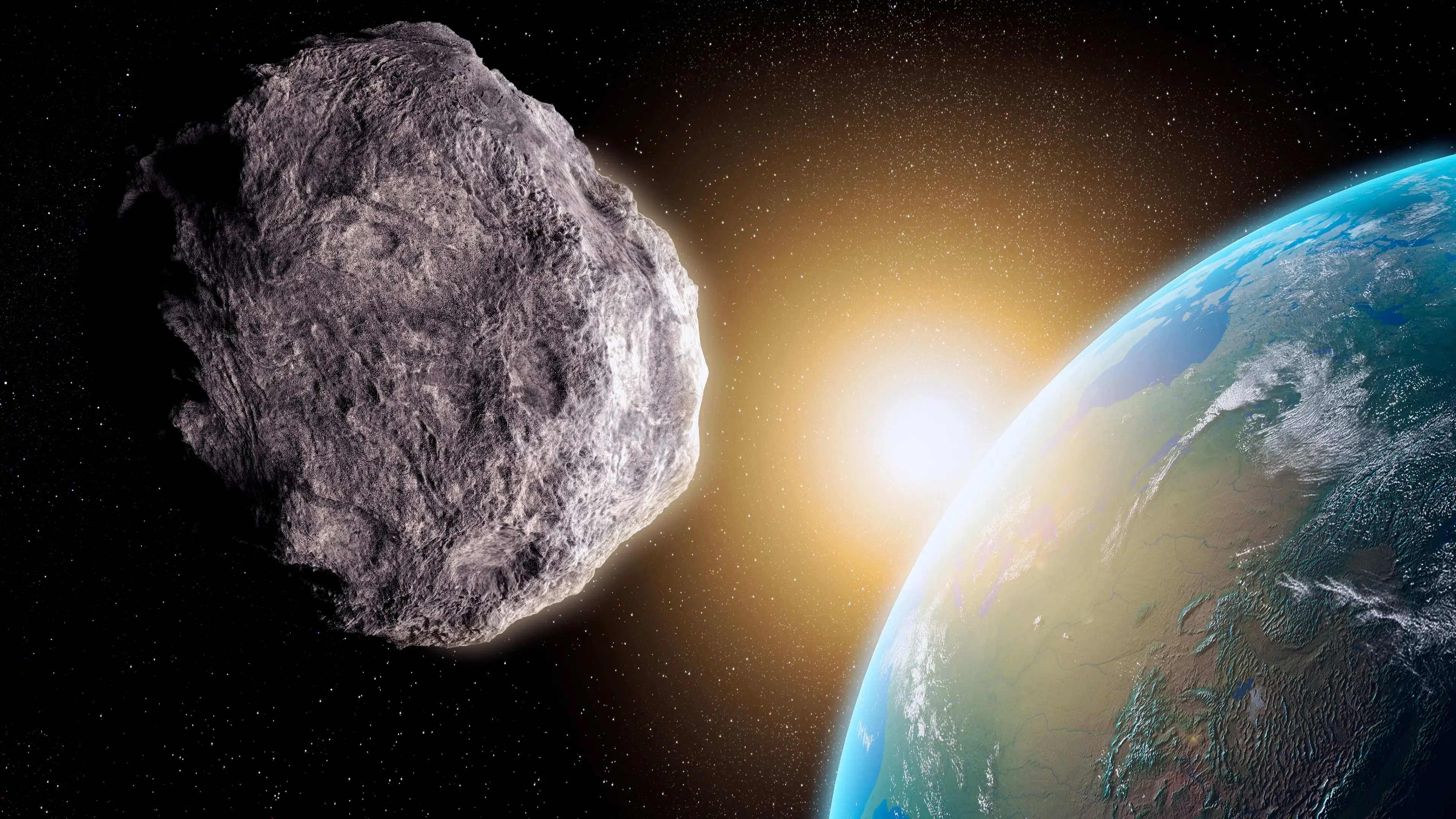
For the last couple of years, NASA has been observing an asteroid that could be hurtling towards the moon in a matter of years.
Scientists believe that Asteroid 2024 YR4 - which was discovered two years ago - has the potential of hitting the moon in 2032.
A new study, titled Observation Timelines for the Potential Lunar Impact of Asteroid 2024 YR4, has revealed what could happen if YR4 - reported to be the size of a building - does end up colliding with the moon.
According to Live Science, if the 200 foot rock does hit the moon, it would release energy equivalent of 6.5 million tons of TNT, making it the 'most energetic lunar impact event ever recorded in human history'.
Advert
It's expected that the impact would lead to a huge, bright flash on the surface of the moon, which would be visible to the naked eye on Earth.
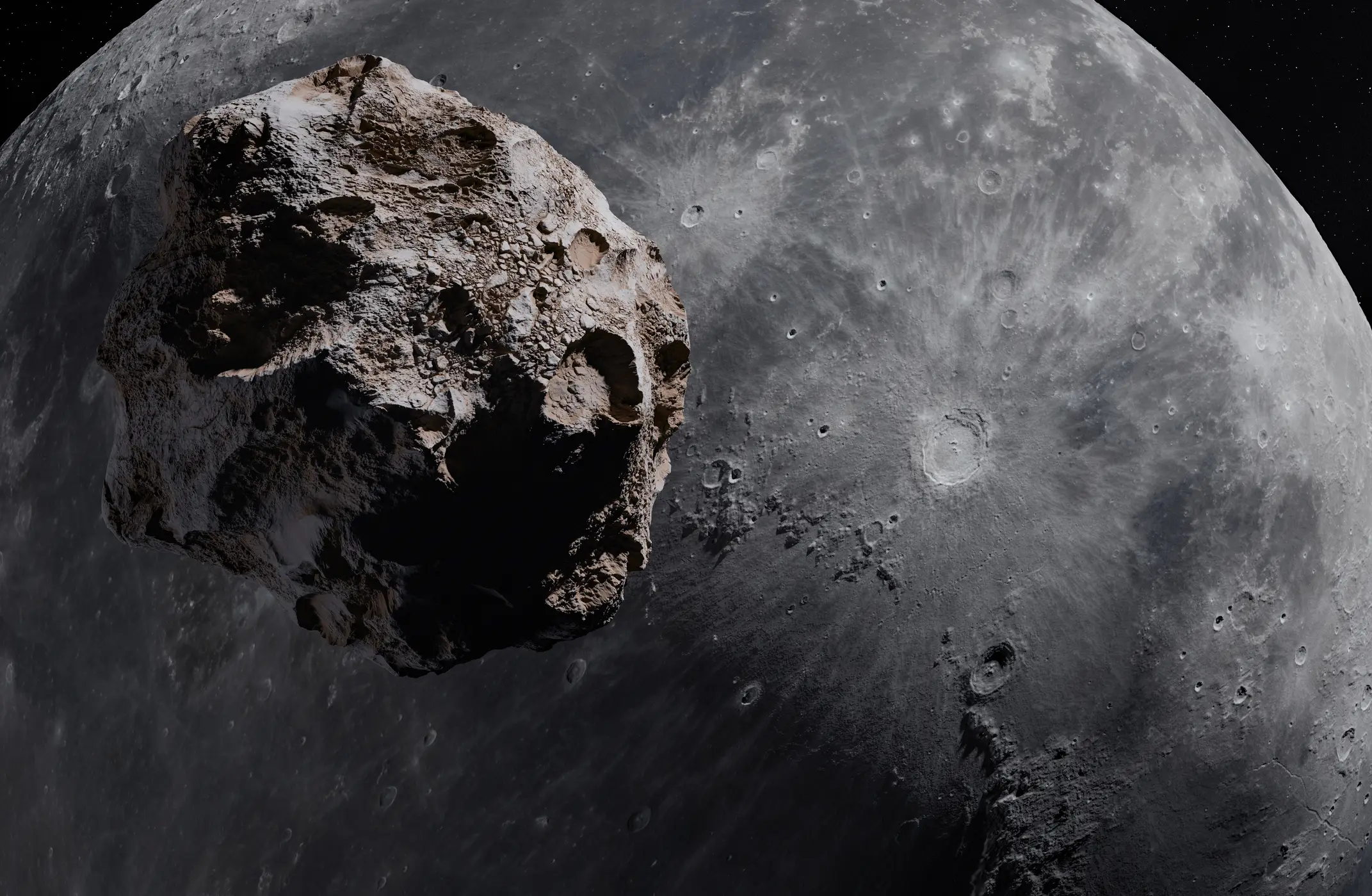
It would likely produce a shower of meteors - around 108kg - which would escape the moon's gravity and even hit Earth.
The study explains that the chances of the asteroid hitting the moon is currently around 4.3 percent, which would lead to a 1km crater on the surface.
"Despite the associated risk," the study explains.
"This scenario offers a rare and valuable scientific opportunity."
It is reported that the best place to see the impact should it occur would be from the Pacific hemisphere.
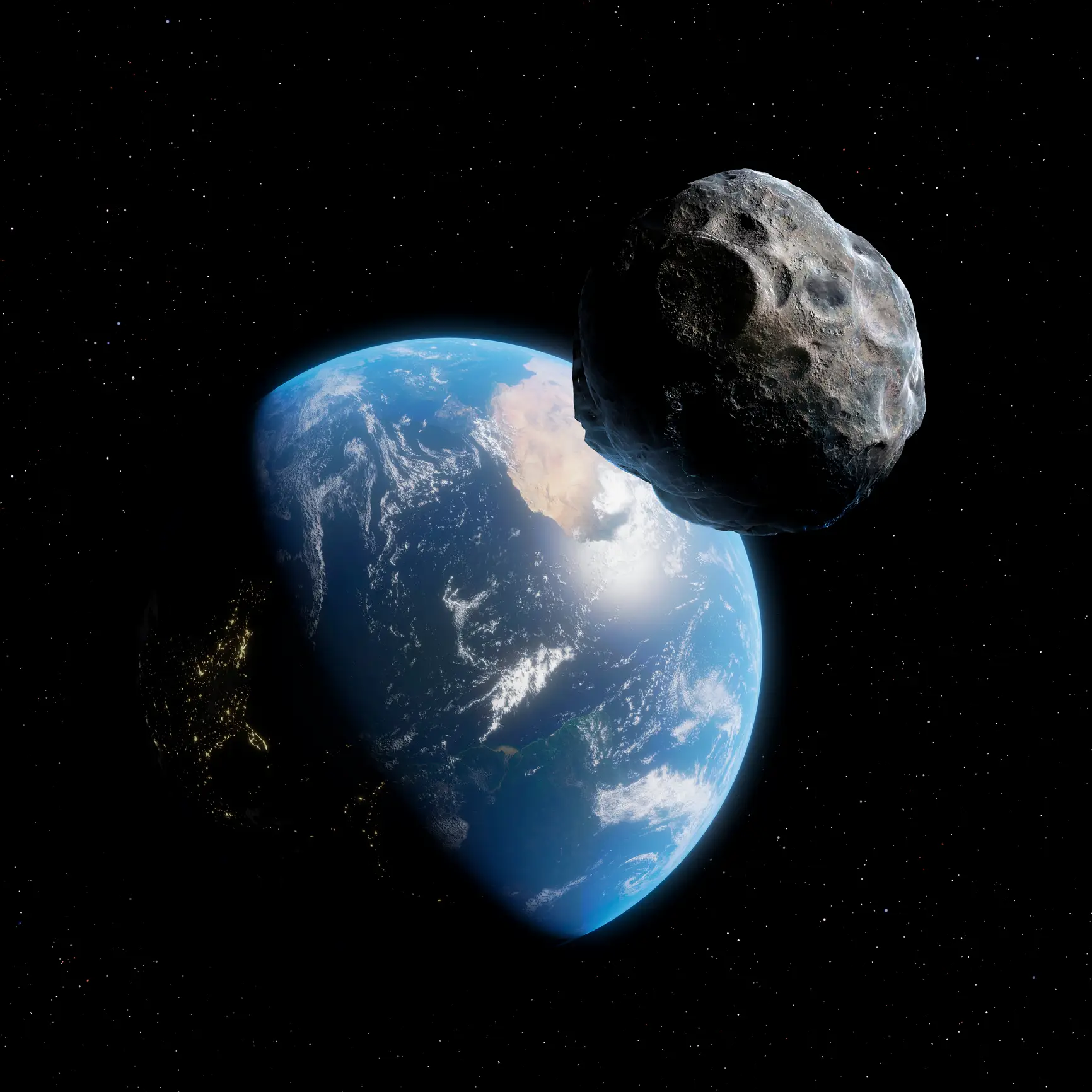
While it was first thought that the asteroid had the potential to hit Earth, this has now been ruled out.
The chances were slim, with Paul Chodas, director of NASA's Centre for Near Earth Object Studies, explaining: "We are not worried at all, because of this 99 percent chance it will miss.
"But it deserves attention."
Catalina Sky Survey engineer and asteroid hunter, David Rankin, also told Space.com at the time that 'people should absolutely not worry about this yet'.
"Impact probability is still very low, and the most likely outcome will be a close approaching rock that misses us," Rankin said.
The asteroid will now remain out of sight and unobservable for a number of years, however it is expected to pop back up in 2032, which is when it could hit the moon.
Scientists believe that it may be observable from 2028 however, which would give them more time to assess if and how it will collide with the lunar surface.
 Lucy Devine