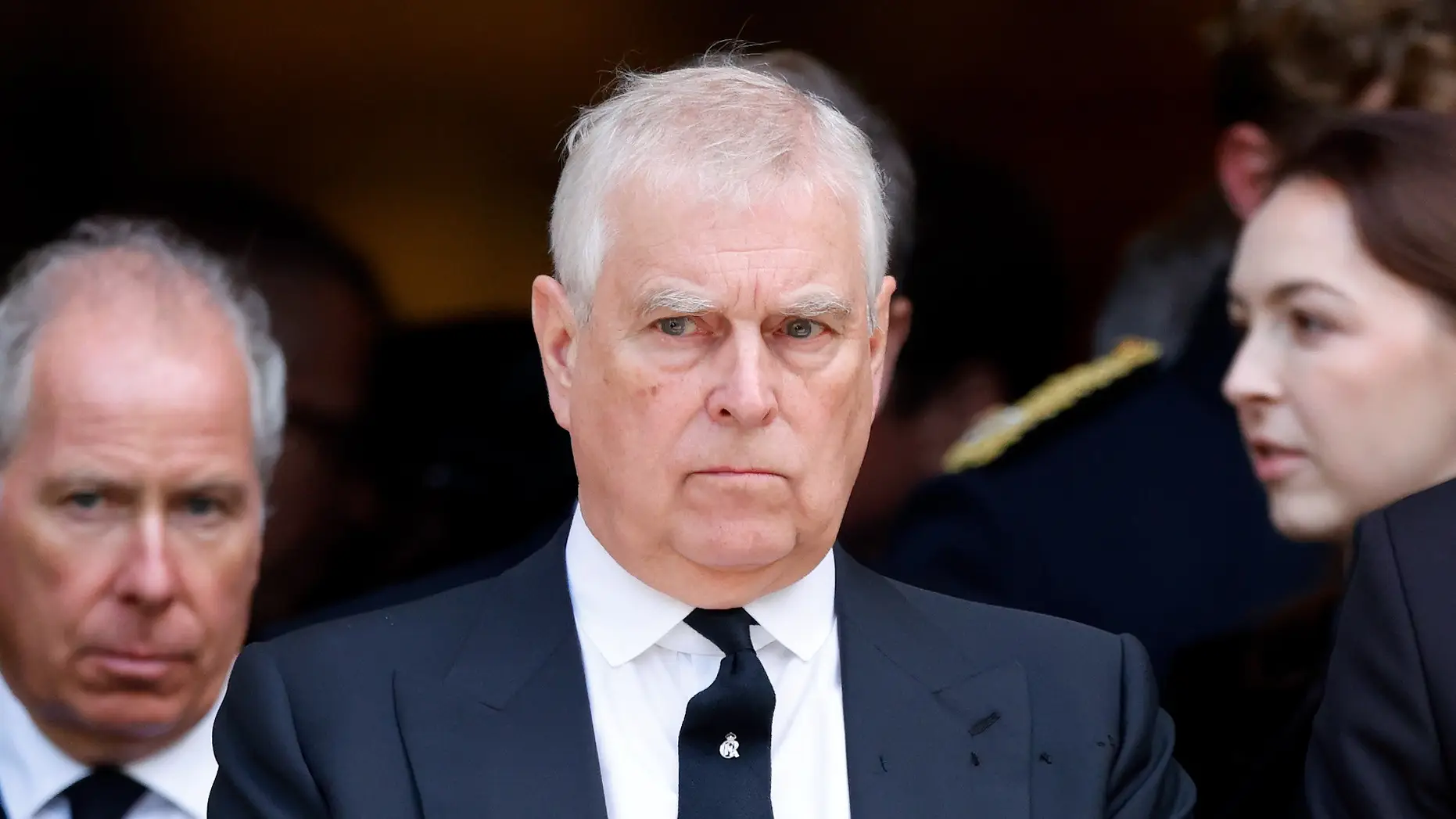
Andrew Mountbatten-Windsor facing pressure to give evidence on Epstein - here's what would happen if he did

The latest batch of the Epstein files was shared last Friday (30 January), which included more than three million documents relating to the disgraced paedophile financier.
Andrew Mountbatten-Windsor, formerly Prince Andrew, has faced allegations over his ties to Epstein, who died by suicide in 2019 while awaiting his sex-trafficking trial.
The former Duke of York has faced allegations, which he strenuously denies, that he sexually assaulted a teenage Virginia Giuffre after she was trafficked by Epstein.
He later paid millions to Giuffre, who died by suicide in April last year, a woman he claims never to have met, to settle a civil sexual assault claim in 2022.
Advert
Despite such denials, King Charles III stripped him of his remaining royal titles late last year.
Andrew, who appears hundreds of times in the latest document release, including in photos and email exchanges, is now facing pressure to give evidence on Epstein.
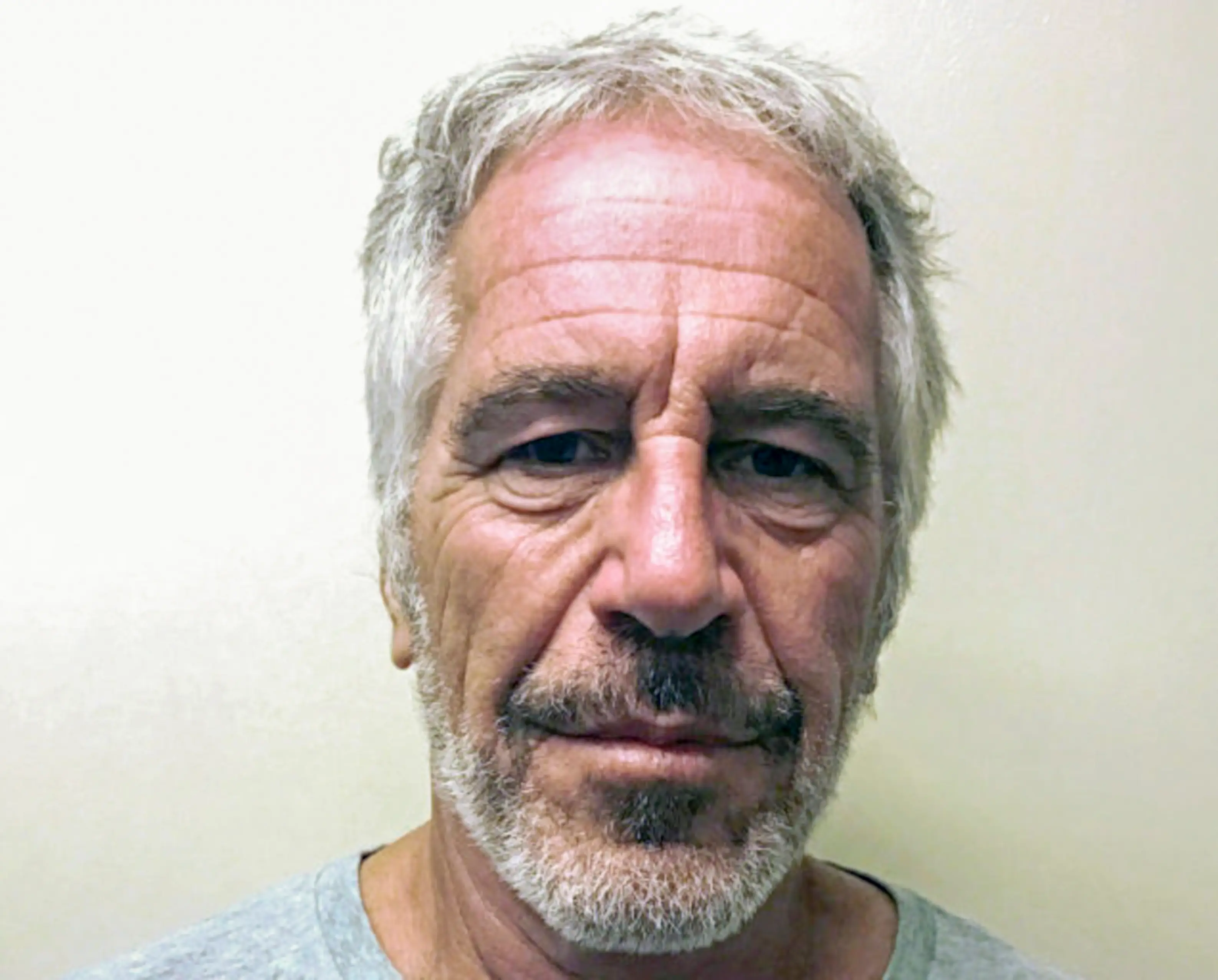
Mounting pressure
The BBC reports royal sources as saying: "Anyone who has information should consider helping any investigation."
"But that is ultimately a matter for Andrew Mountbatten-Windsor and his conscience," the source added.
Gloria Allred, a lawyer representing some of Epstein's victims, also pressured: "It's not too late and he does have information he could share."
"Why was he willing to speak to the BBC in a one-hour catastrophic television interview, but is not willing to speak to law enforcement?" she said, making reference to Andrew's infamous Newsnight interview with Emily Maitlis in 2019.
"He's not the one who should decide whether he knows anything that could help in the investigation."
A lawyer for some of Epstein's victims also told ITV News that Andrew should be extradited to testify before the US Congress about his links to the sex offender.
"The US Department of Justice needs to utilise the abilities they have... to enforce [Andrew's] testimony and potentially prosecute him in the states and extradite him," lawyer Spencer Kuvin said.
The lawyer also told the outlet that if Andrew wanted to help the victims, then he 'should absolutely offer himself to testify', if not, then his words are 'completely hollow and just frankly, a lie'.
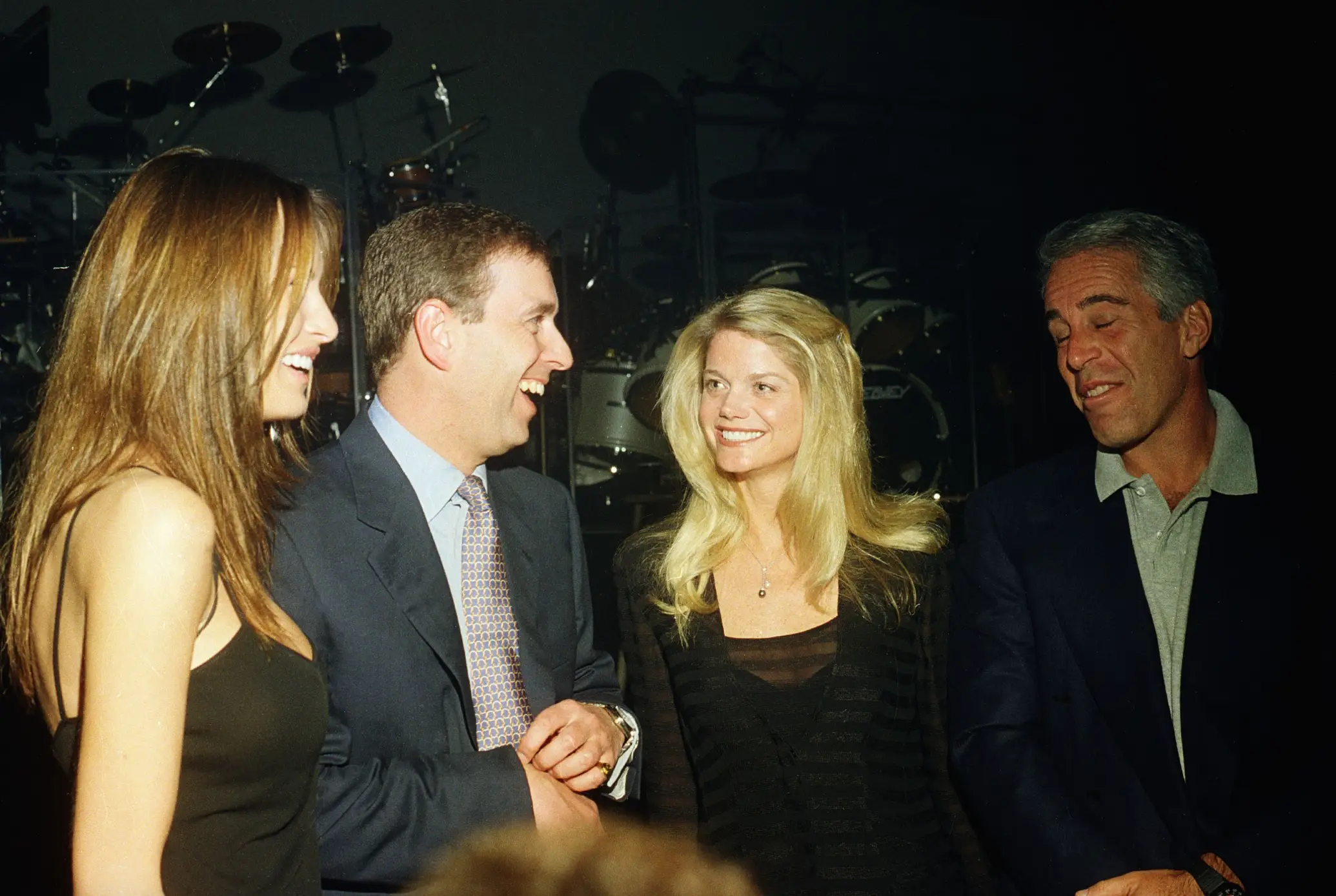
What would getting Andrew's testimony mean?
Andrew can voluntarily cooperate with either Congress or US investigators, but, as per i Paper, there are also calls from Democrats in Congress for the Trump administration to invoke an agreement with Britain.
This agreement is known as the Mutual Legal Assistance Treaty (MLAT) and gives each country the opportunity to request co-operation to secure testimony from witnesses abroad, if necessary, on a compulsory basis via means of a court order.
US investigators are up against a succession of legal obstacles which will make it unlikely that Andrew would testify about his links with Epstein, according to a senior legal expert.
Nick Vamos, the former head of extradition at the Crown Prosecution Service (CPS) lawyer told the i Paper it 'appeared highly likely that legal difficulties, in particular a refusal by US authorities to provide Mountbatten-Windsor with a guarantee that testimony he gave could not be used against him in any future prosecution, make it improbable that the ex-prince’s position will have changed'.
Vamos said a 2020 MLA request raised 'clearly incriminating matters' while making clear Andrew was not 'presently' the target of a criminal investigation.
The 2020 MLA document said Andrew 'may have been a witness and/or participant' in events linked to an ongoing investigation. It stated there was evidence the then Duke of York had 'engaged in sexual conduct involving one of Epstein’s victims'.
At the same time, the request stressed the former Duke was being treated as a witness, not a suspect. It added: "[The] US authorities have not, to date, gathered evidence that he has committed any crime under US law."
According to Vamos, the reasons the 2020 request did not result in testimony are likely unchanged as the request included undertakings from US authorities acknowledging Andrew's right to refuse to answer questions if there was a risk of self-incrimination in either the US or the UK.
Separately released US Department of Justice documents show that when the former prince’s lawyers sought a guarantee that any testimony would not be used against him, none was given.
Vamos said those caveats were unlikely to have shifted, leaving Andrew with de facto legal protection from voluntary testimony.
"It is likely that he declined to answer questions voluntarily in 2020 because there was no guarantee that anything he said would not be used against him in a future prosecution, whether in the US or UK. This is probably still the case," Vamos said, adding that self-incrimination rules on both sides of the Atlantic meant that even with a court order, his lawyers might have advised him to remain silent.
In those circumstances, Vamos said authorities in the US and UK would probably have seen the MLA process as 'pointless' adding: "Again, the position is unlikely to have changed."
Sir Keir Starmer's statement
When asked if Andrew should apologise and testify to the congressional Epstein investigation last week, UK Prime Minister Sir Keir Starmer also echoed: "Firstly, I always approach this question with the victims of Epstein’s in mind. Epstein’s victims have to be the first priority. Whether there should be an apology, that’s a matter for Andrew.
"But, yes, in terms of testifying, I’ve always said anybody who’s got information should be prepared to share that information in whatever form they’re asked to do that because you can’t be victim-centred if you’re not prepared to do that."
King Charles' statement
The official position from Buckingham Palace remains that the King and Queen's 'thoughts and utmost sympathies have been, and will remain with, the victims and survivors of any and all forms of abuse'.
Charles has also been urged to contact lawyers representing a woman who claims to have been sent to the UK for a sexual encounter with Andrew.
Lawyers representing the unnamed woman, a second accuser who alleges she was sent to the UK by Epstein, said any evidence Andrew would give in relation to the allegations would be 'irrelevant' – adding that a 'sincere and real apology' from the King would be the only way to 'maintain any level of credibility'.
Brad Edwards, from the US firm Edwards Henderson, previously told the BBC his client had spent the night with Andrew after being given a tour of Buckingham Palace.
In a statement issued after the allegations made by Edwards, Brittany Henderson, of the same law firm, told the Press Association: "Andrew’s power only existed because of his royal family.
"Andrew’s complicity and involvement with Epstein and Maxwell has been well known to us, to Andrew, and to the Palace for many years. Whether he comes to the United States to testify is irrelevant; we hardly need more people over here spinning grand stories.
"For the royal family to maintain any level of credibility in the eyes of the survivors of Jeffrey Epstein, the legal team for the King should contact me immediately in a good faith effort to learn what Andrew has done, meet whomever he has done it to, issue a sincere and real apology, and ensure that any victims of Andrew are fairly compensated for this wrongdoing."
Where does Andrew appear in the Epstein files?
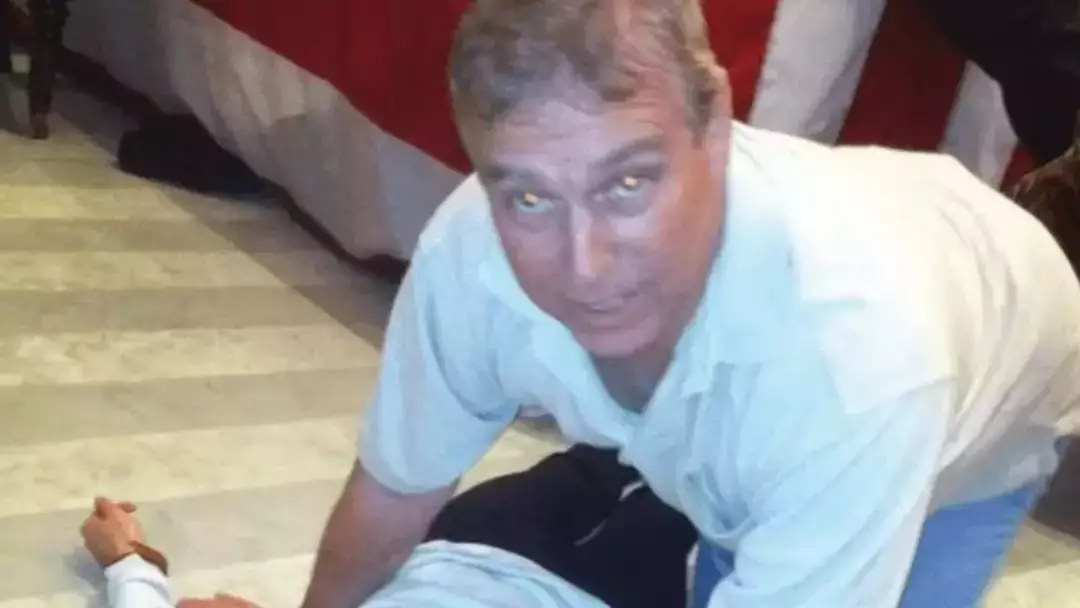
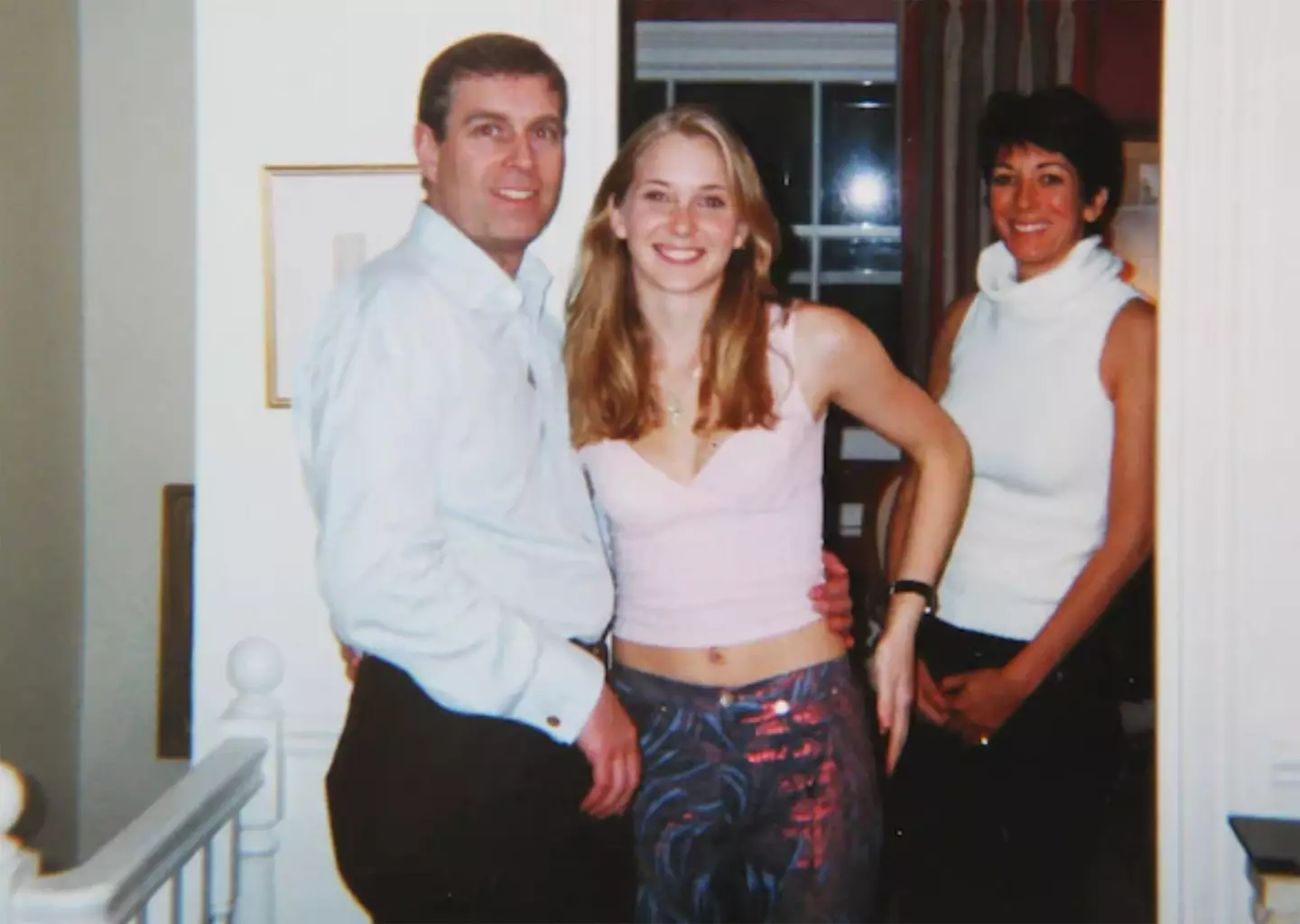
Photos appear to show Andrew crouched on all fours over an unidentified woman. The undated images have no caption, but appear to show the former duke touching the woman’s abdomen. It is not known where they were taken.
Elsewhere in the document release, an email exchange between Epstein and a contact who signs off as 'A' and 'HRH The Duke of York' discuss the latter meeting with a 'beautiful' Russian woman.
In 2010, the same contact - known as 'The Duke' - appears to invite Epstein to Buckingham Palace.
This conversation took place two years after Epstein pleaded guilty to soliciting a minor for prostitution, for which he served 13 months in a jail work-release programme.
In a different set of emails, British socialite Ghislaine Maxwell, who is currently serving a 20-year sentence behind bars, agreed that 'Andrew' should choose to spend time with 'Sarah and the kids' in an exclusive Spanish resort instead of visiting 'the Island' where there would be '5 stunning red heads'.
The exchange is between Maxwell and an address named 'The Invisible Man' in August 2002.
In September 2010, Epstein wrote that he was in London and 'The Duke' replied: "I am just departing Scotland should be down by 1800. I’ll ring you when I get down if you can give me a number to ring.
"Alternatively we could have dinner at Buckingham Palace and lots of privacy."
Another email shows Epstein was invited to Andrew’s 50th birthday party at St James’s Palace in 2010, but wrote back 'not able'.
Topics: Prince Andrew, Royal Family, UK News, US News, World News, Jeffrey Epstein, Crime, Explained, News, Politics
 Rhiannon Ingle