Child psychologist issues GTA warning to parents over concerning elements of the new game

A child psychologist and parenting expert has expressed her concerns over under-18s potentially getting their hands on the new Grand Theft Auto VI game, despite it being rated 18+.
Now, we all know that for children, it can be tempting to want what’s not allowed, and trying to sneak into the cinema to see a movie you’re not old enough for was thrilling. But for games like this, it’s important to adhere to the rules - as per Rockstar Intel, it’s been given a PEGI 18 rating in the UK and Europe, as well as a marker for violence, sex, drugs, and in-game purchases.
GTA is one of the best-selling action-adventure video games of all time, and with this being the first edition in over a decade - scheduled for release on Thursday (19 November) - everyone wants to get their hands on it.
But what about the children who want to play it?
Advert
Dr Sasha Hall warned Tyla that one of the main concerns for children is the ‘potential for desensitisation, where repeated exposure to graphic violence may gradually reduce a child’s emotional response to it’.

Considering the influence of this type of content
She explains: “There is also the risk of normalising behaviours such as killing, stealing and aggression, particularly when these activities are presented as entertaining or rewarded within a game.”
Dr Hall warnx that for some children, exposure to graphic content may also lead to anxiety, nightmares or distress, particularly if they are ‘not emotionally ready to process what they have seen’.
“Children are still developing their understanding of empathy, right and wrong and the consequences of their actions, so we need to consider how this type of content may influence that development," she explains.
“This does not mean that playing GTA will turn a child into a violent person, but equally, we should not assume that because something happens within a computer game, it cannot have an impact on a child.”
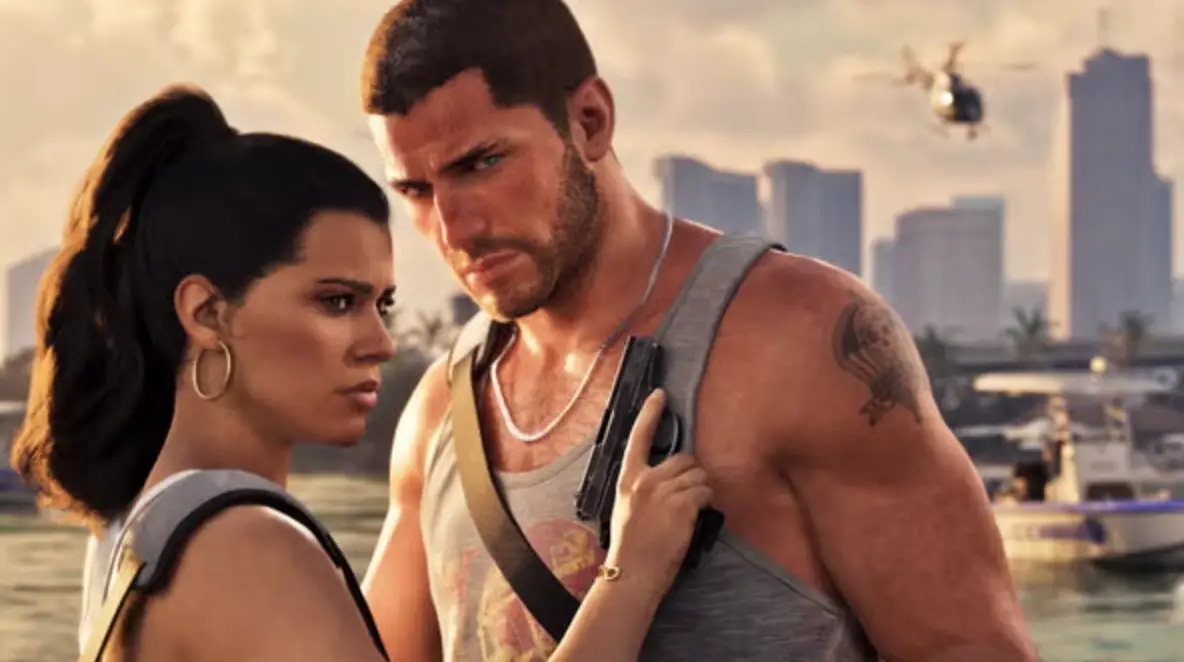
Can exposure to graphic content distort young people’s perceptions of society?
Whether graphic video games or movies can influence children’s minds and behaviours is something that’s been up for debate for a long time.
Dr Hall argues: “There is evidence that children learn behaviours and develop attitudes through observation and imitation, including through media.
“Research into violent video games has found some associations with aggressive thoughts and behaviours, although findings are mixed and there is no clear evidence that playing these games causes criminal behaviour.”
She warns: “Repeated exposure to criminal activity without realistic consequences may influence how some young people perceive the seriousness of violence and breaking the law, although this is not an inevitable outcome.
“It is a particular concern when we consider how women are represented. GTA has traditionally attracted a predominantly male audience, and in the wider context of conversations around misogyny and violence towards women, we need to consider the messages boys in particular may be receiving when women are sexually objectified or treated disrespectfully.
“Children do not form their attitudes solely through computer games, but repeated exposure to certain behaviours and representations may contribute to what they come to regard as normal or acceptable.”
'Parents should feel confident setting boundaries around age-restricted games'
Dr Hall also has an important message for parents of children who might already be asking to bend the rules and play the game.
She tells Tyla: “As both an Educational and Child Psychologist and a mother of two young children, including a boy, this is something I consider personally as well as professionally.
“It is important not to underestimate the pressure parents feel when so many children are playing games intended for adults. Parents do not want their children to feel excluded from friendships or to be the only one who cannot join in with what everyone else is talking about.”
She adds: “Equally, they want to protect them from content that may be inappropriate. It is a genuine dilemma, particularly when parents worry about the impact saying no might have on their child’s friendships. However, just because other children are playing a game does not mean it is appropriate for your own child.
“Parents should feel confident setting boundaries around age-restricted games, while also recognising their child’s disappointment and the social pressures they may be experiencing.”
Tyla has contacted Rockstar Games for comment.
Topics: Parenting, Life, Real Life, Entertainment
 Madison Burgess