What happens to your body if you sleep with the heating on all night as expert issues warning

As temperatures drop and the colder nights set in, many of us will be reaching for the thermostat before climbing into bed.
But while turning the heating on might feel like the perfect way to stay cosy, an expert has warned that keeping it running throughout the night could have some unwanted effects on your sleep and comfort.
Jeff Smith, co-founder of Sleep ZM, has shared some of the potential risks of sleeping in an overheated bedroom, from waking up feeling uncomfortable to worsening problems with dry skin.
It also turns out that piling on the pyjamas and blankets while leaving the heating on could be a combination worth reconsidering, especially if we get a bitterly cold winter.
Advert
Sure, you don't want to be shivering all night long, so finding the right balance is crucial to ensure a good night's sleep.
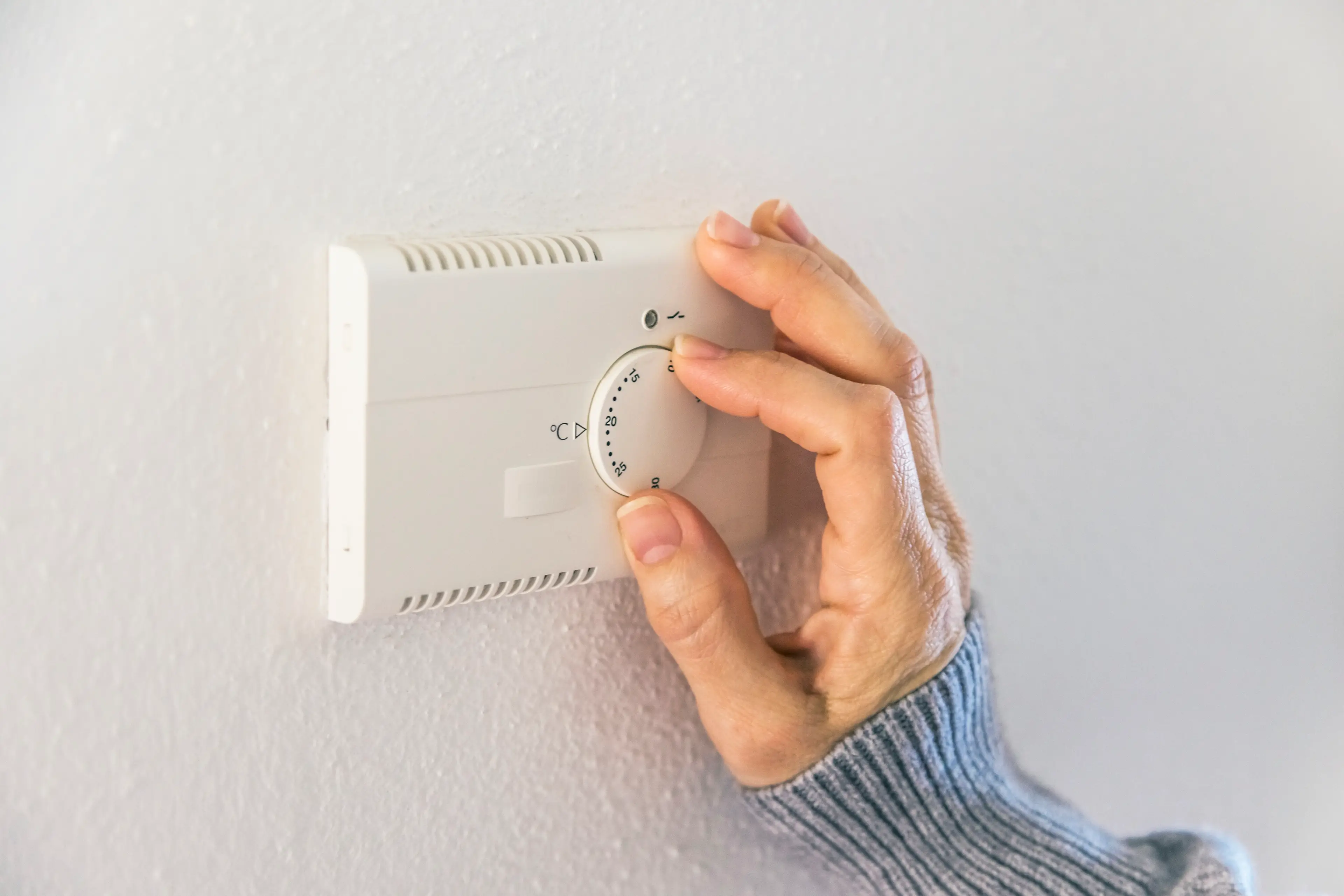
1. You could struggle to fall asleep
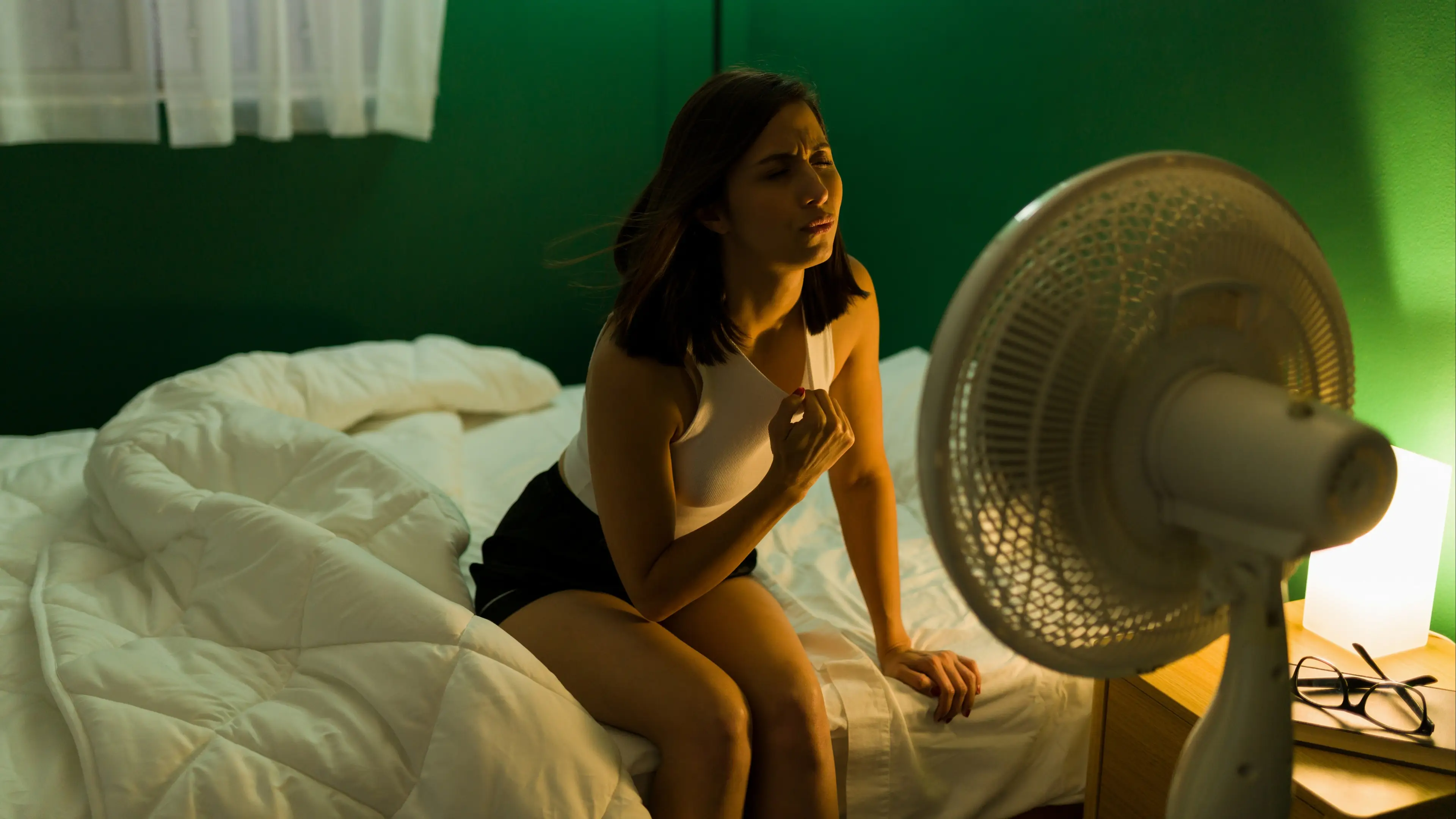
One of the biggest issues with keeping your bedroom too warm is that it can make it harder for your body to settle down for the night.
"Your core body temperature naturally drops as you get ready to sleep," Smith explains, meaning an overly warm bedroom can work against this process.
Combining a heated room with thick pyjamas, a heavy duvet and an extra blanket can make matters worse.
"You might feel comfortable when you first get into bed, but by around 3am you could find yourself overheating," Smith warns.
That can leave you tossing and turning, throwing off the covers or waking up feeling far less refreshed than you hoped.
2. Your skin and eyes could become irritated
Another potential downside is the effect a heated bedroom can have on the air around you.
Heating can reduce the relative humidity of indoor air, which may contribute to dryness and irritation.
Smith says this can leave you uncomfortable: "Warm air can contribute to dry eyes and irritated skin."
Those who experience eczema may also notice their symptoms becoming worse.
Heat and sweating can aggravate eczema for some people, so sleeping in a room that is too warm may make it harder to stay comfortable overnight.
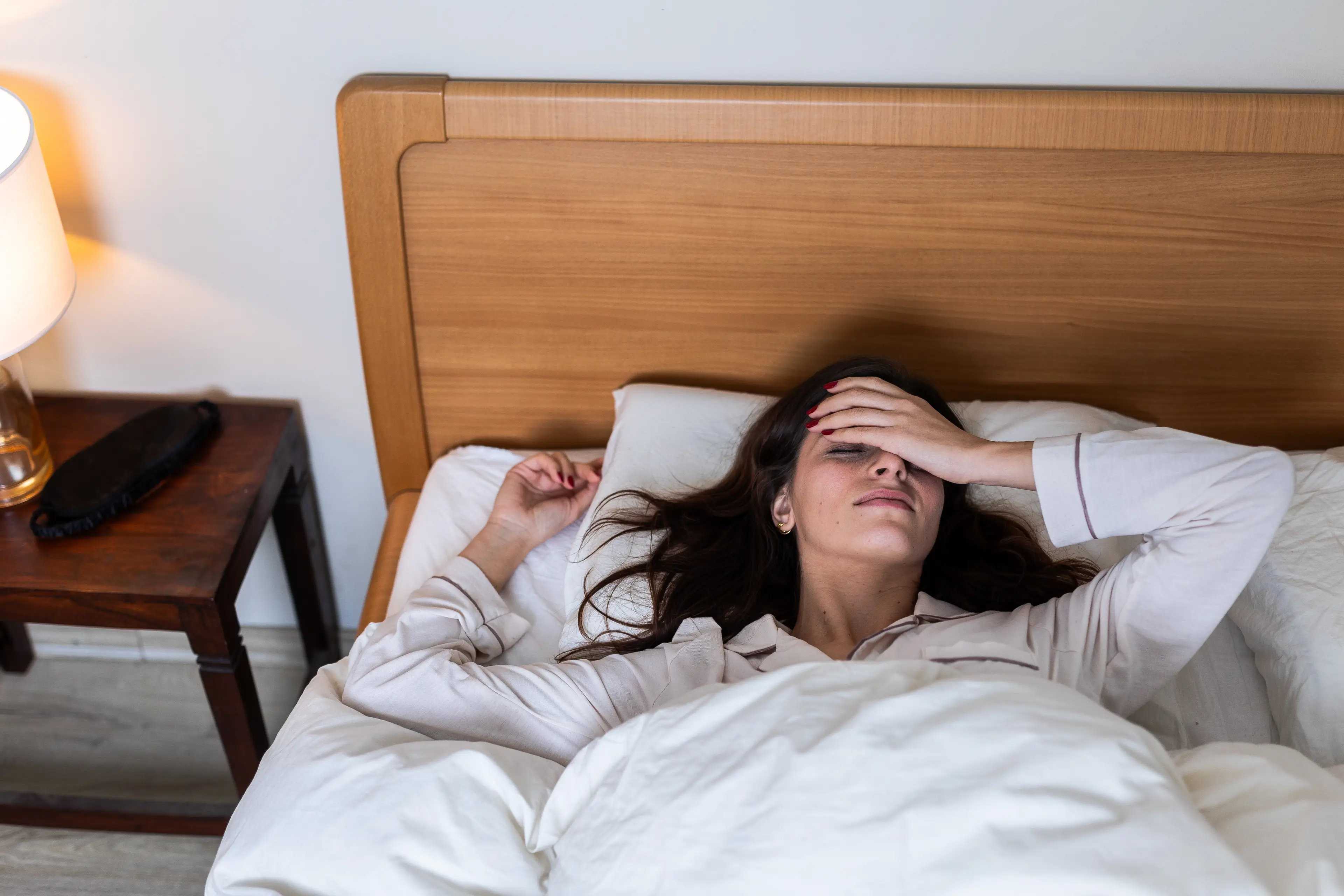
3. Your sleep could become disrupted
Even if you manage to drift off without any trouble, that does not necessarily mean the temperature is right for the rest of the night.
A bedroom that feels pleasant at bedtime can become uncomfortably hot once you are tucked beneath your duvet.
Smith explains that the combination of heating, thick nightwear and heavy bedding can cause people to overheat during the early hours.
When your body becomes too warm, you may find yourself waking up more often or struggling to get back to sleep.
Rather than automatically turning the heating up before bed, it may be worth considering how much warmth your bedding is already providing.
4. You could be creating conditions for damp and mould
It is not just your comfort that is worth thinking about when it comes to winter heating.
Smith also highlights the importance of keeping bedrooms properly ventilated, particularly when there is a difference between warm indoor air and colder surfaces.
"Condensation can form when warm, moist air meets cold surfaces," he explains.
If moisture builds up in areas with poor airflow, it can contribute to damp and mould, including in places you might not immediately notice, such as behind furniture.
This is why it is important not to push wardrobes and other large pieces of furniture tightly against cold external walls if doing so prevents air from circulating.
Damp and mould can affect people's health, particularly their airways, lungs, eyes and skin, so spotting and addressing moisture problems is important.
This can be incredibly dangerous for those with respiratory issues, like asthma.
5. Portable heaters can pose a fire risk
For anyone relying on a portable heater to keep their bedroom warm, there are also some important safety considerations.
Smith warns that portable heaters need to be used carefully and should not be treated as something to leave running unattended overnight.
They should be kept well away from bedding, curtains, clothes and other materials that could catch fire.
Electrical Safety First advises keeping portable heaters at least one metre away from combustible materials, and says they should be switched off before going to sleep.
You should also avoid using a heater to dry clothes, or placing items directly over or close to it.
6. Faulty appliances can create a carbon monoxide risk
There is another safety issue to be aware of if your home uses fuel-burning heating appliances.
Faulty or poorly maintained appliances can produce carbon monoxide, a poisonous gas that cannot be seen, smelled or tasted.
This is not a risk caused by ordinary central heating when a system is working properly, but it is an important reason to have fuel-burning appliances checked and to make sure you have working carbon monoxide alarms.
So, what temperature should your bedroom be?
You do not necessarily need to sleep in a freezing room to avoid overheating.
Around 18°C is often suggested as a useful starting point for a comfortable bedroom, although the ideal temperature can vary from person to person.
For babies, NHS guidance recommends a room temperature of 16–20°C, alongside appropriate sleepwear and bedding.
Smith's advice is to think about the whole sleep environment rather than relying on the thermostat alone.
Using a timer so the heating switches off before you go to sleep, choosing lighter layers that can be removed easily and keeping an eye on your room temperature can all help.
It is also worth making sure your bedroom is ventilated, moving wet laundry elsewhere where possible and leaving enough space around furniture for air to circulate.
Ultimately, staying warm during the colder months is important, but turning your bedroom into a sauna is unlikely to help you get a restful night's sleep.
 Jen Thomas