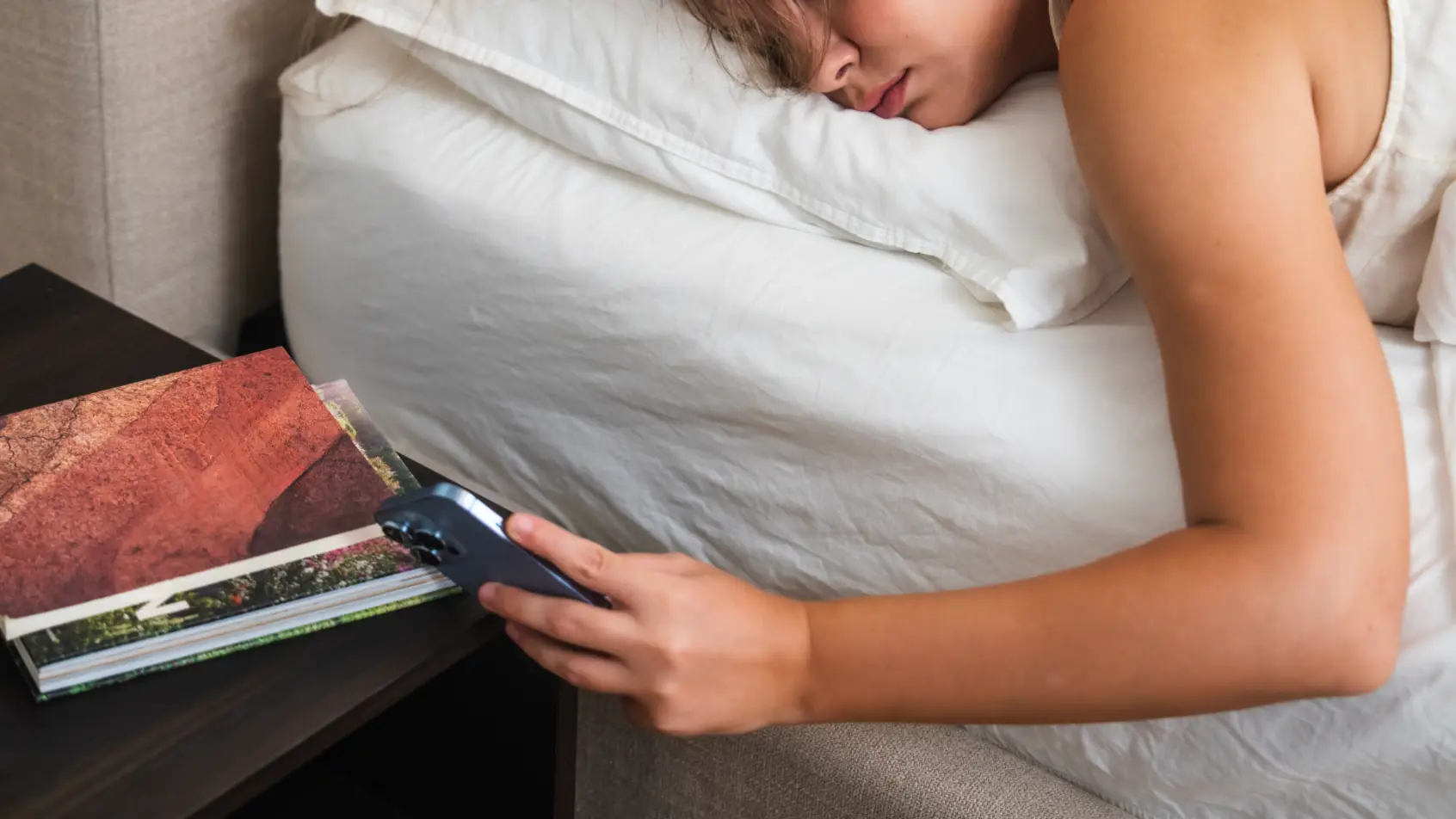
There’s a reason why you didn’t sleep well this week

There's not much better than waking up feeling refreshed and rested after a seamless eight-hour sleep.
However, it's clear that such a feat isn't as simple as just closing your eyes, nodding off and enjoying hours of disruption-free Z-catching as, for many of us, it's been a right pain sleeping well this past week.
But don't worry if you're one of those people, as there is actually a reason behind the phenomenon.
And the culprit? Well, it's all to do with the fact that we're still recovering from the chaos of the Christmas and New Year period, complete with indulgent eating and drinking as well as heaps of socialising following a much-needed break from our 9-5 routine.
Advert
Dr Deborah Lee, health and sleep expert from Doctor Fox, working alongside Comfybedss, exclusively told Tyla: "Our bodies may be struggling to sleep this week due to the post-Christmas celebrations.
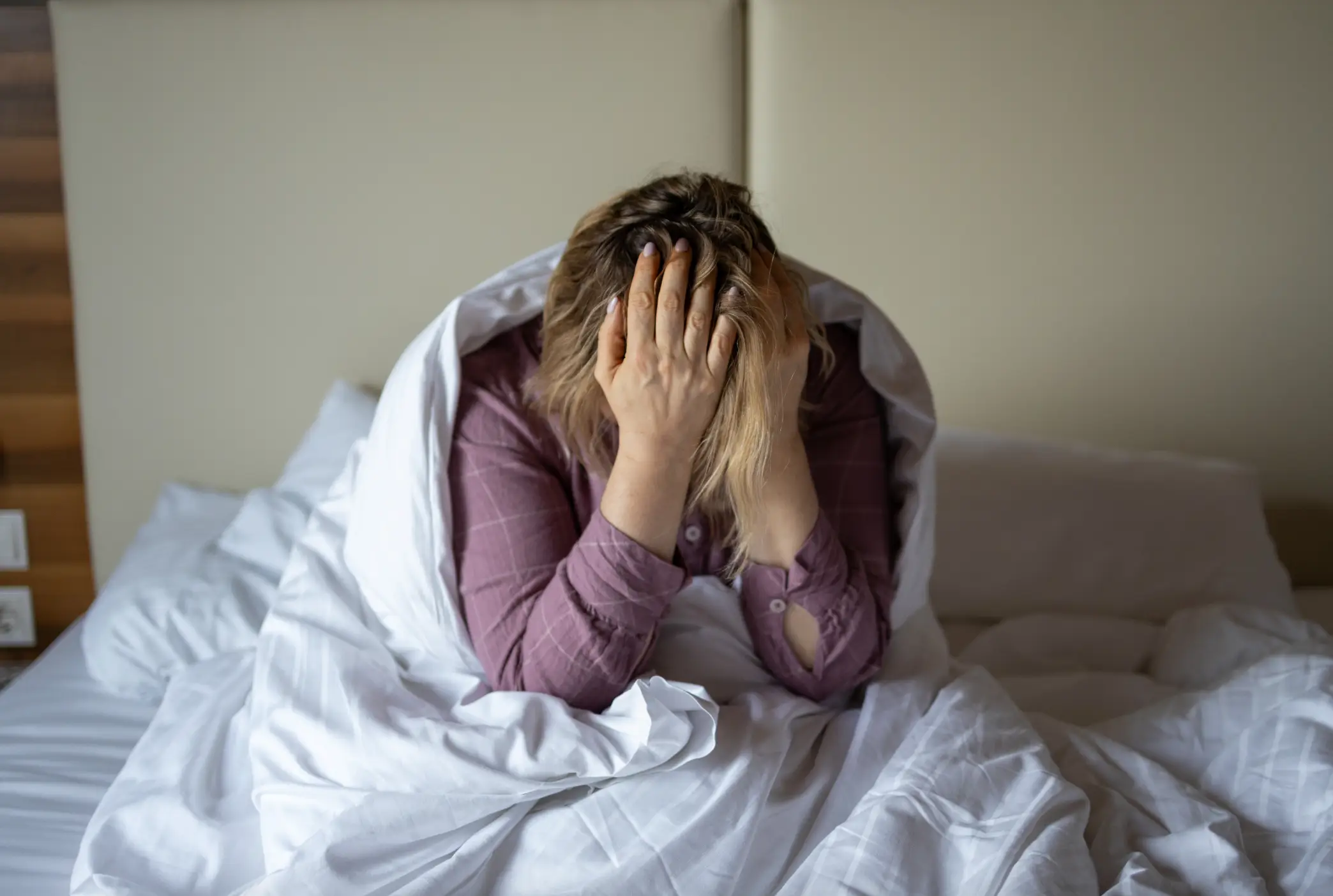
"Many people had a week-plus off work, which meant their body was out of routine and sync - perhaps waking up later than usual and going to bed after midnight."
According to the expert, this means that our body clock is out of sync and we’re currently in what she likes to call a 'buffer period'.
"This is essentially the week to get back into the flow of work, routines, sleep schedules and habits," Dr Lee notes.
If you’re finding yourself struggling to sleep, this is normal. The sleep guru suggests trying the following hacks to get sleep back on track this week and next:
- Get into bed 30 minutes earlier than your usual bedtime - this tricks your brain into thinking it’s later than it is
- Ban screentime earlier than usual - the artificial lighting from your screens tricks your brain into thinking it’s daylight, so stop screentime an hour before you start to wind down
- Eat earlier - your body is probably used to eating more calories over the Christmas break. Eat earlier, so it gives your stomach time to break down the food and fall asleep more easily
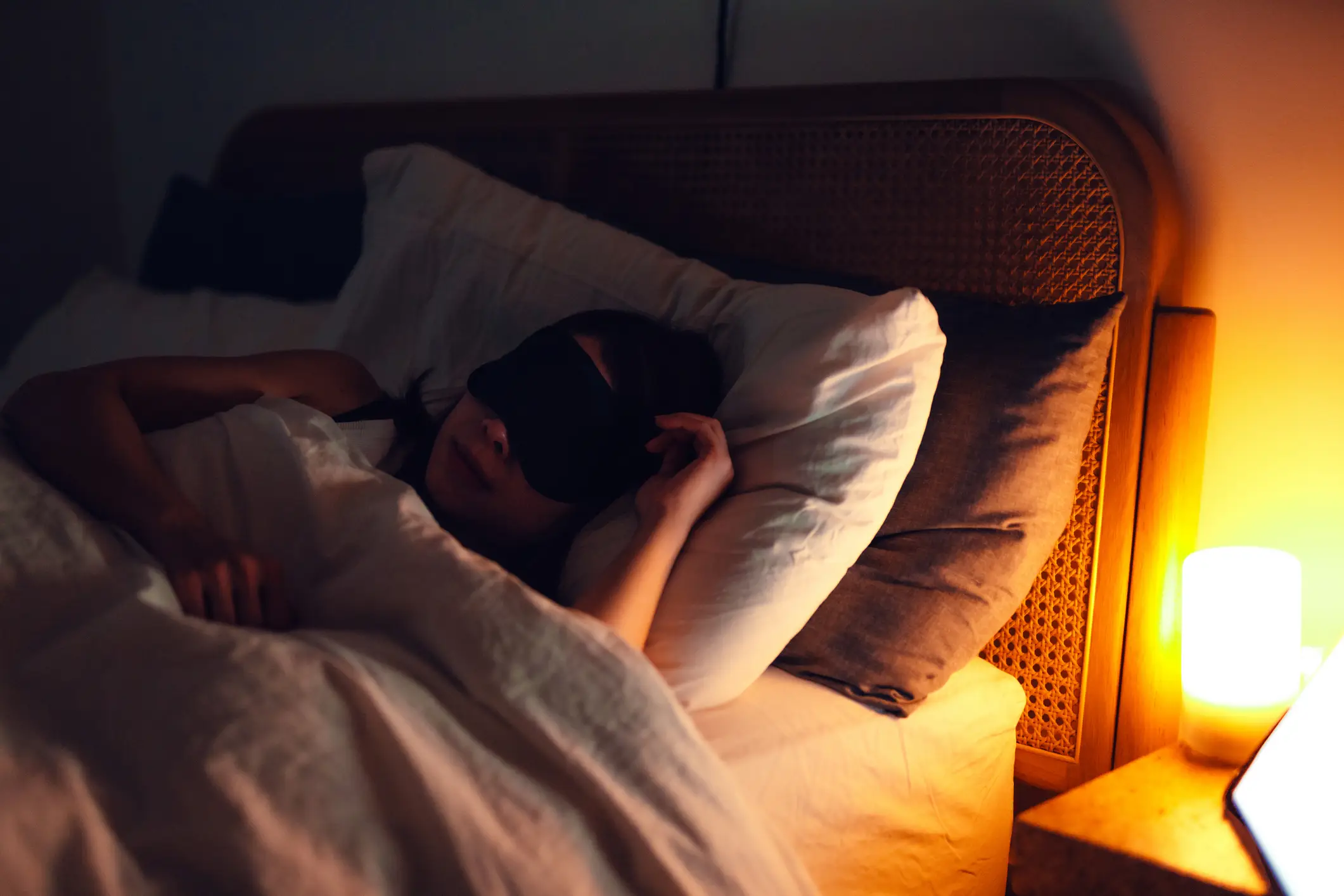
"As well as the post-Christmas 'buffer period', the weather may be affecting our sleep quality," Dr Lee points out: "A real drop in temperature and snow means homes may be colder.
"The ideal sleeping temperature is 16-18 degrees, so be sure to add extra blankets and/or increase heating temperatures if needed."
According to the expert, general hacks for better sleep include:
- Get up at the same time each morning - don't be tempted to lie in. Your body needs to reset your sleep-wake cycle, and this doesn't help
- Get outside and expose yourself to natural daylight as soon as possible - light falling on the back of the retina is the key to switching off melatonin production, and again is key to the sleep-wake cycle
- Get some exercise even though you are tired and the days are short and dark - but earlier in the day - not within 1-2 hours of bedtime. Regular physical exercise is needed to promote good sleep
- Gentle stretching for 10 minutes before getting into bed can improve sleep quality
Happy snoozing!
 Rhiannon Ingle