
New Year hasn’t actually started yet - here’s why

Many of us are still recovering from deadly New Year's hangovers and fatigue after having quite the blowout to kick off 2026 with.
However, while we're all frantically scribbling down our New Year resolutions and trying our hardest to stay away from those often annoyingly relentless 'New Year, New Me' posts on social media - it's worth noting that the 'New Year' hasn't actually started yet, according to nature.
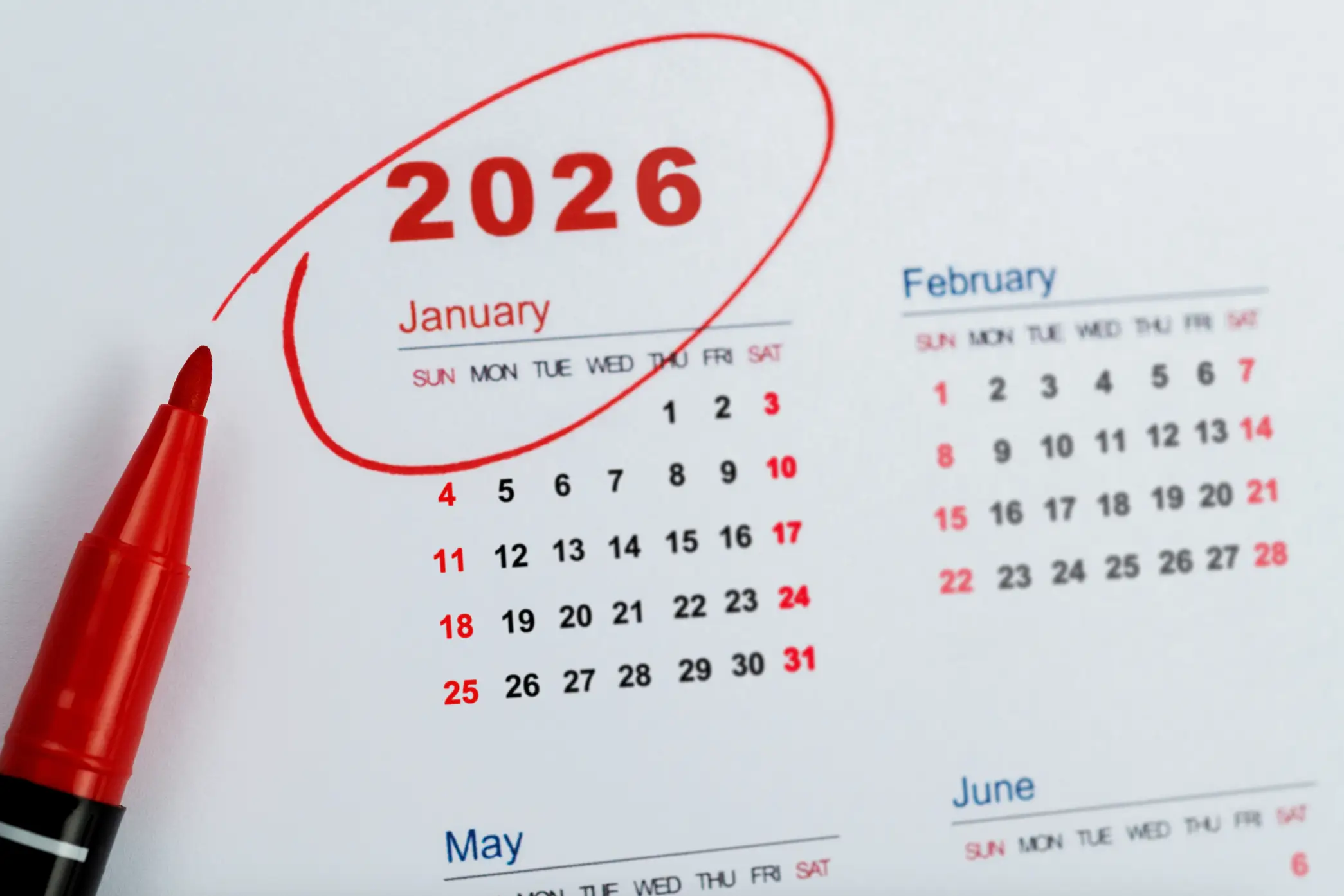
Yes, our calendars may tell us we're in the first month of 2026 and therefore bring about a certain feeling of 'new beginnings' or a 'fresh start', but the Spring Equinox would strongly disagree.
Think about it; we're still in the pits of the cold, dark winter with much of the UK even seeing snow over the weekend - not exactly the best time to sit down and set intentions for the next 365 days ahead.
Advert
Winter is meant for hibernation, after all, not unhealthy diet culture and manic gym sessions.
Making all your resolutions and setting all your intentions, therefore, makes the most sense from a biological perspective on the Spring, or Vernal, Equinox.
According to the BBC, the date of the spring equinox is determined entirely by Earth's tilt on its axis as it orbits the Sun, usually occurring twice a year in March and September.
This event, which will take place on March 20th, marks the astronomical start of spring in the Northern Hemisphere, when day and night are nearly equal in length, signalling natural renewal and longer daylight hours.
According to Ancient+Brave, the Spring Equinox has deep ties to ancient traditions, particularly through the celebration of Ostara, a Pagan festival that honours the goddess of spring and fertility.
"Ostara is a joyful occasion celebrating the renewal of life, as we move from the darkness of winter into the light and warmth of spring. It was a time for feasts, rituals, and the welcoming of new life - symbolised by blooming flowers, the birth of animals, and the stirring of the earth itself," they explain.
After catching light of the news, many rushed to social media to share their thoughts, with one person writing: "Nature > man-made holidays to uphold capitalism."
"This winter is for wintering," echoed a second, while a third chimed in: "Yep, spring is the New Year.. not winter I want to stay in my cosy nest."
A fourth chirped: "Hibernating hard right now."
Additionally, there's the Chinese New Year on February 17th, the Persian New Year on March 20th, and countless other countries' specified dates for the 'start' of the New Year!
Topics: Astrology, Explained, Life, Social Media, Weather, Environment
 Rhiannon Ingle