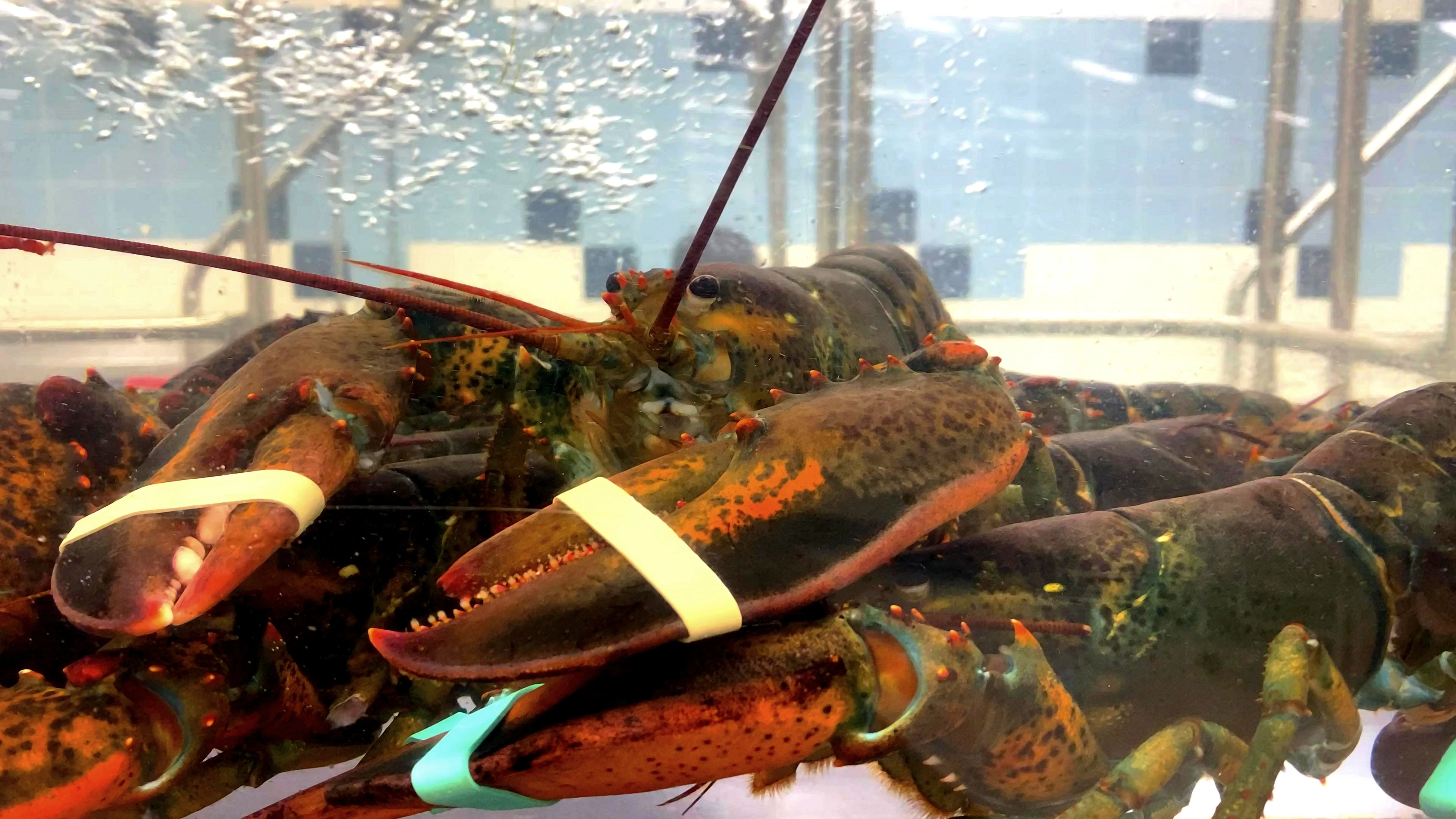
Sad reason scientists want to ban boiling lobsters alive

Warning: This article contains descriptions of animal cruelty that some readers may find upsetting
Scientists are calling for a ban to be put in place to prevent lobsters from being boiled alive.
Be warned, this might just make you very sad, after researchers have shared their latest findings about the crustaceans.
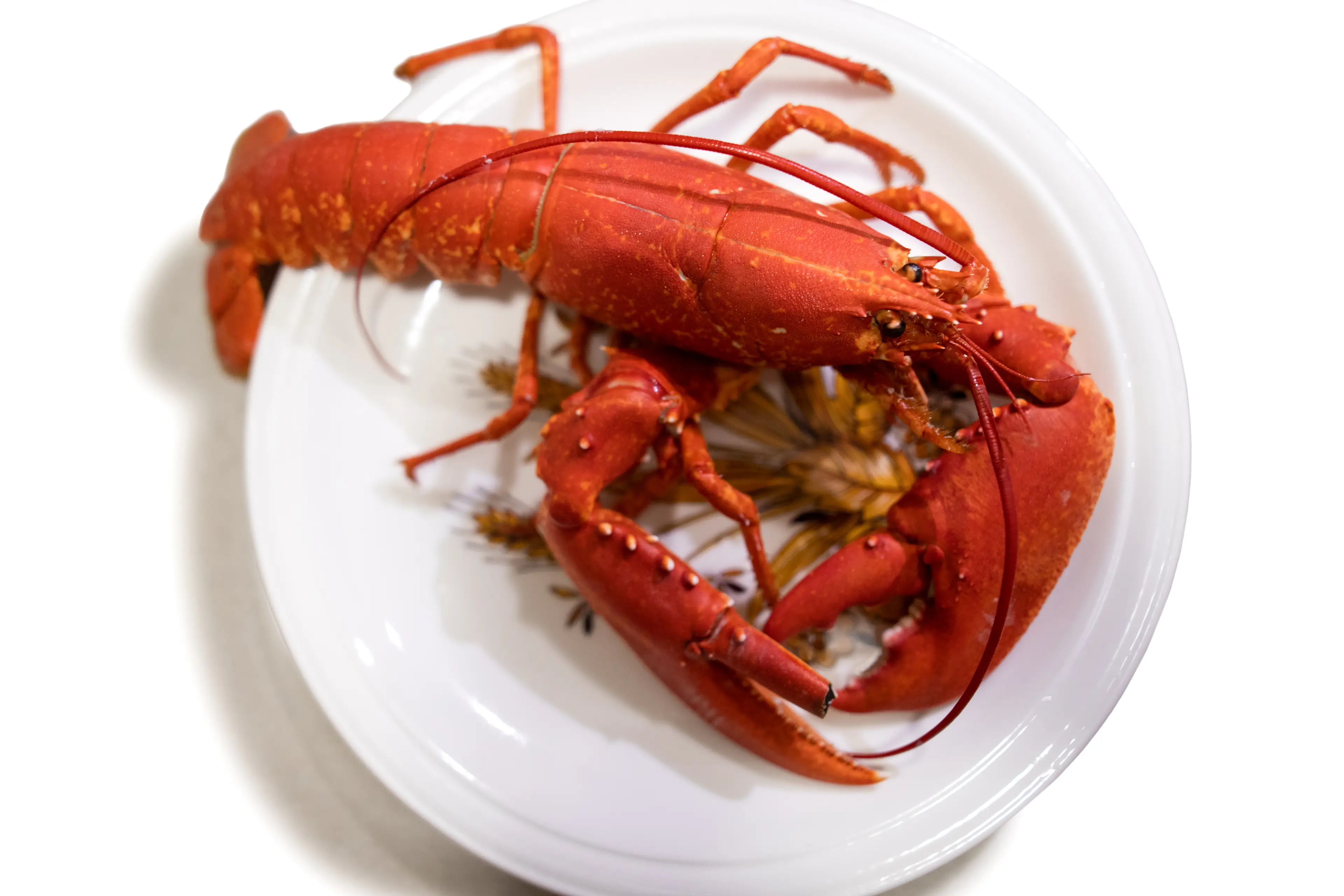
One of the traditional methods of cooking lobster involves boiling them alive first.
Advert
A ban on the practice has already been put in place in Norway, New Zealand, Austria and several Australian states.
UK law already regards them as sentient creatures, so the researchers are keen on the ban being extended here, too, following their upsetting findings.
The Conservative government introduced an act called the Animal Welfare (Sentience) Act 2022, which means crustaceans are 'capable of experiencing pain and suffering'.
According to the Daily Mail, one of the authors of the study, Professor Lynne Sneddon, an animal behaviour expert from the University of Gothenburg, said: "Based on scientific evidence, it is not humane to boil crustaceans alive and so I support the concept of banning live boiling."
"We should always seek to end the life of animals humanely, and we would never accept boiling a cow or chicken alive, so it is time to rethink the way we treat these animals."
Researchers looked into whether Norway lobsters, also known as langoustine (the main ingredient in scampi) experience pain the same way as humans or other creatures.
The scientists gave the lobsters common painkillers, lidocaine and aspirin, before giving them an electric shock.
They found that the lobsters which had been given the painkillers had a reduced reaction to the shock, suggesting it was correlated to pain rather than being a purely mechanical reaction.
The body has two different responses to harm.
Pain is regarded as the negative emotional experience we feel after sustaining damage, and the second type is nociception, which is where the body turns injury into action, for example, flinching or shying away.
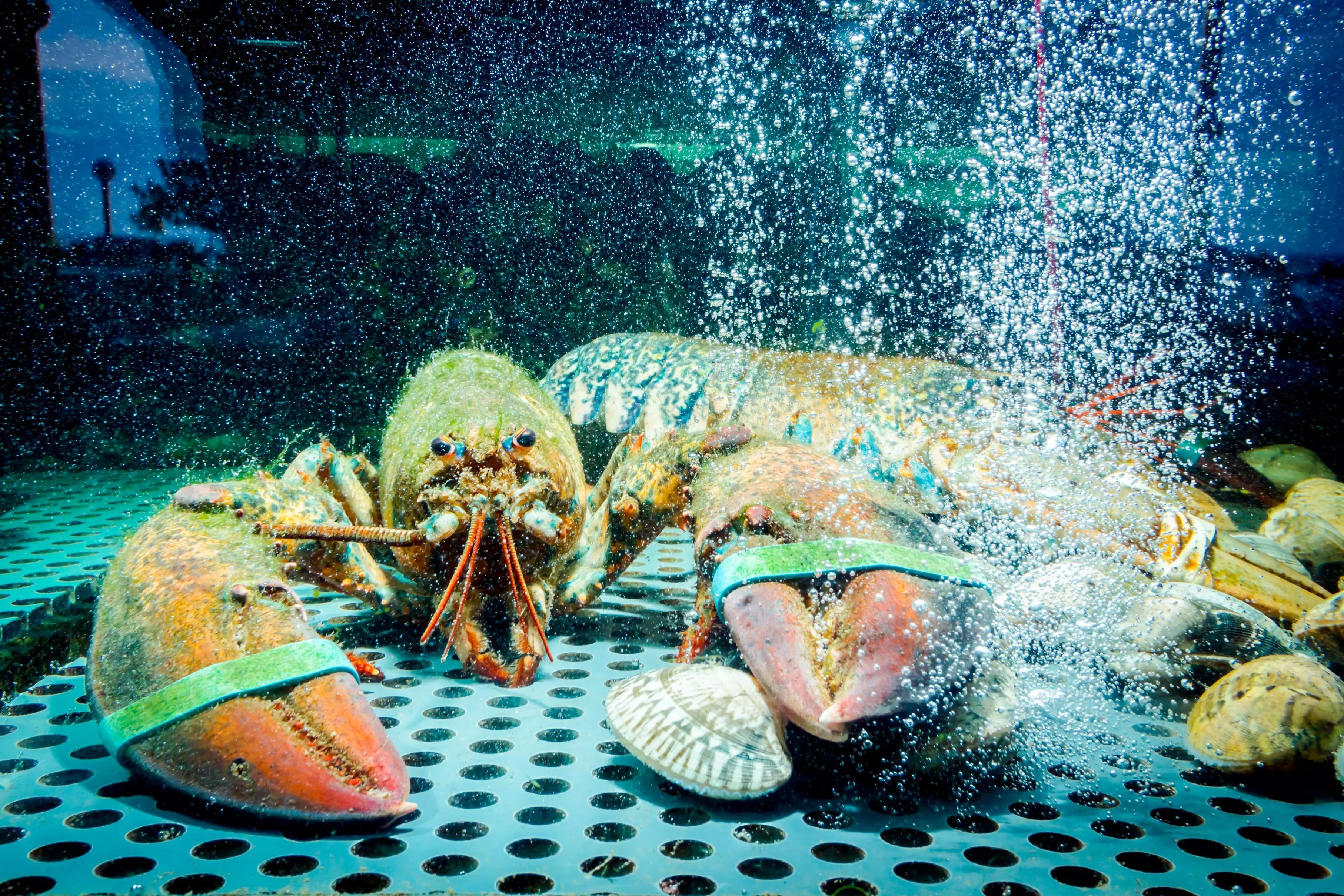
As cold-blooded creatures, it was also shown that they have a natural aversion to hot water and will take drastic steps to avoid heat if they can.
For a long time, scientists have been unsure whether this response was due to pain, or just nociception.
A similar example would be how your body reacts to drop something hot before you've even registered the pain.
The scientists found that during the electric shocks, the lobsters tried to escape by vigorously flapping their tails.
After they received the painkillers, they did not flap anymore.
Another author of the study, Eleftherios Kasiouras, said: "Responding to painkillers during potentially painful procedures means that what they experience is more than just simple reflexes.
'All that evidence supports that decapod crustaceans experience pain, and if you consider that they are considered sentient in the UK, boiling alive should be banned."
Topics: Food and Drink, Animals, UK News
 Jen Thomas