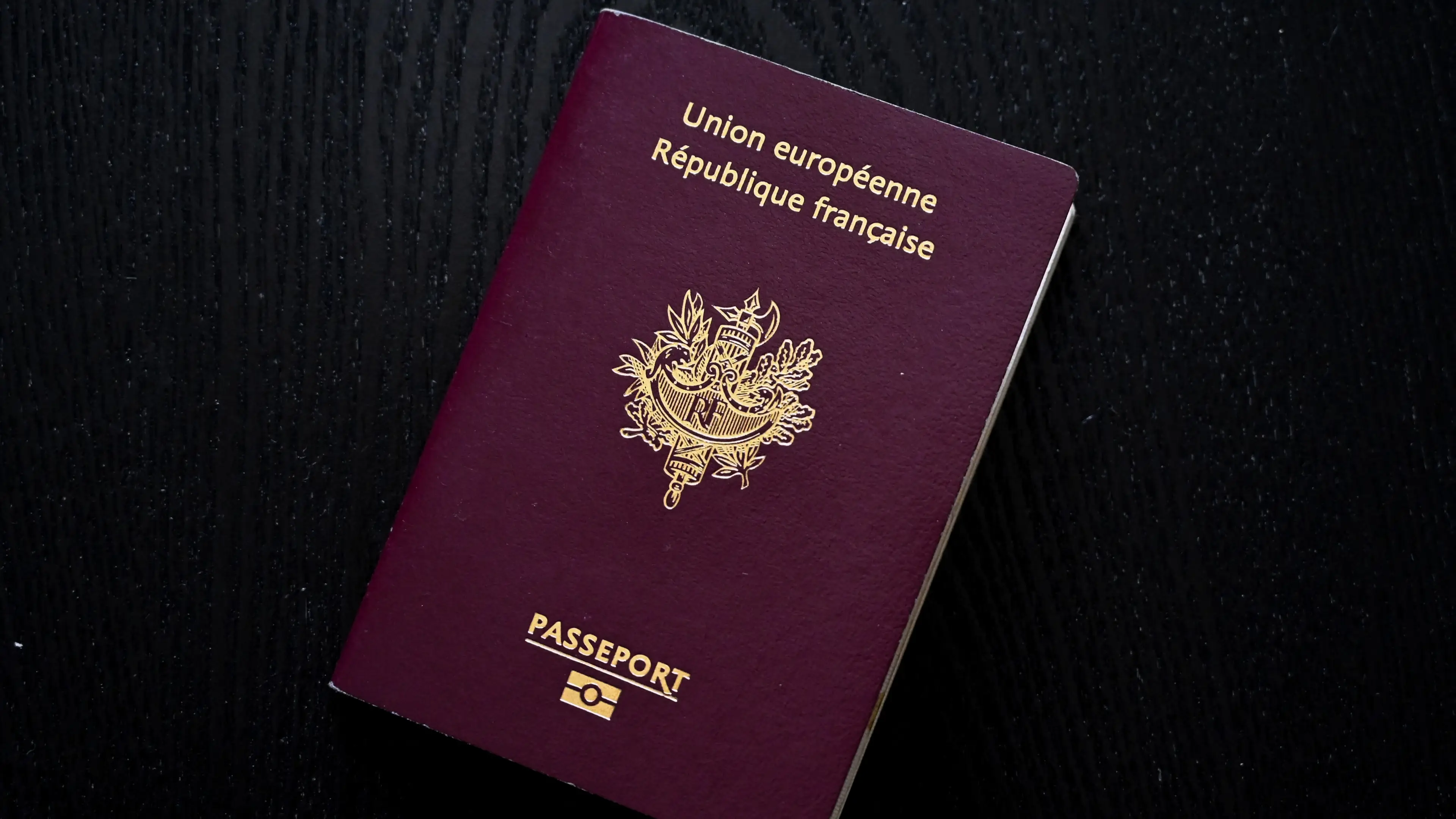
How to get a ‘second passport’ as demand is higher than ever before

As the world seems to be getting more and more politically divided, as well as the increase in travel bans, the idea of getting a 'second passport' has taken off worldwide.
The so-called 'second passport race' has surged due to people wanting more freedom and stability - and it's only getting more popular.
In the 2021 UK population census, it was revealed that 2.1 percent of England and Wales residents held multiple passports, which is around double the result of the 2011 census, in which 1.1 percent of the population self-declared as being dual citizens.
Across the pond, a similar picture is being painted as a YouGov poll of Americans unveiled that six percent self-declared as dual citizens, not to mention celebrities like George Clooney getting involved, who recently officially became a citizen of France, which hit a nerve with US President Donald Trump.
Advert

A November Gallup poll even found that a whopping one in five Americans would like to emigrate - but why are we seeing this trend?
Here's everything you need to know about the 'second passport' race.
What is dual citizenship and why do people want it?
Dual citizenship means being a legal citizen of two countries at the same time.
This allows you to enjoy the rights and responsibilities of both, such as being able to live, work and vote, depending of course on each country's specific laws.
Access to healthcare and travel freedom are also huge benefits, as well as having a safety net and 'backup' country you can move to.
CNN spoke with Dominic Volek, group head of private clients for Henley & Partners - a company assists high-net-worth individuals in attaining dual citizenship around the globe.
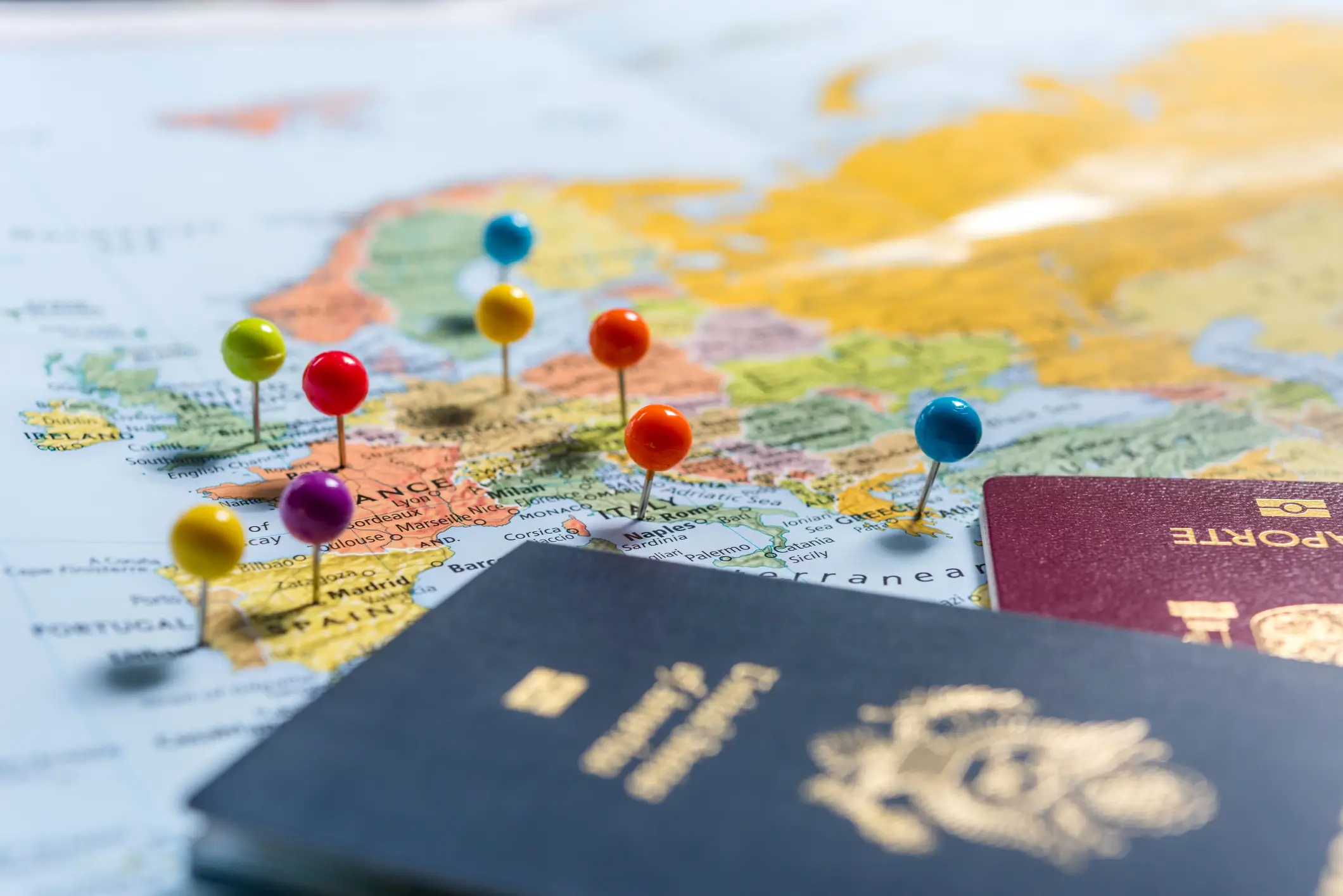
He revealed that American clients now represent 30 percent of the firm's business, explaining: "Three or four years ago we didn’t have a US office and now we have nine."
Many of the Americans joining the 'second passport race' are doing so as they're struggling with the economy or believe they're losing rights under Trump's presidency - for example, America's increasingly strict abortion laws and LGBTQ+ legislation.
Peter Spiro, a law professor at Temple University in Pennsylvania, told The Guardian: "The political instability in the US in recent years, along with Covid, has brought home to people that there might actually be a reason to live someplace else.
"It has really highlighted the insurance value of a second citizenship. That’s new for Americans - this idea of having a plan B."
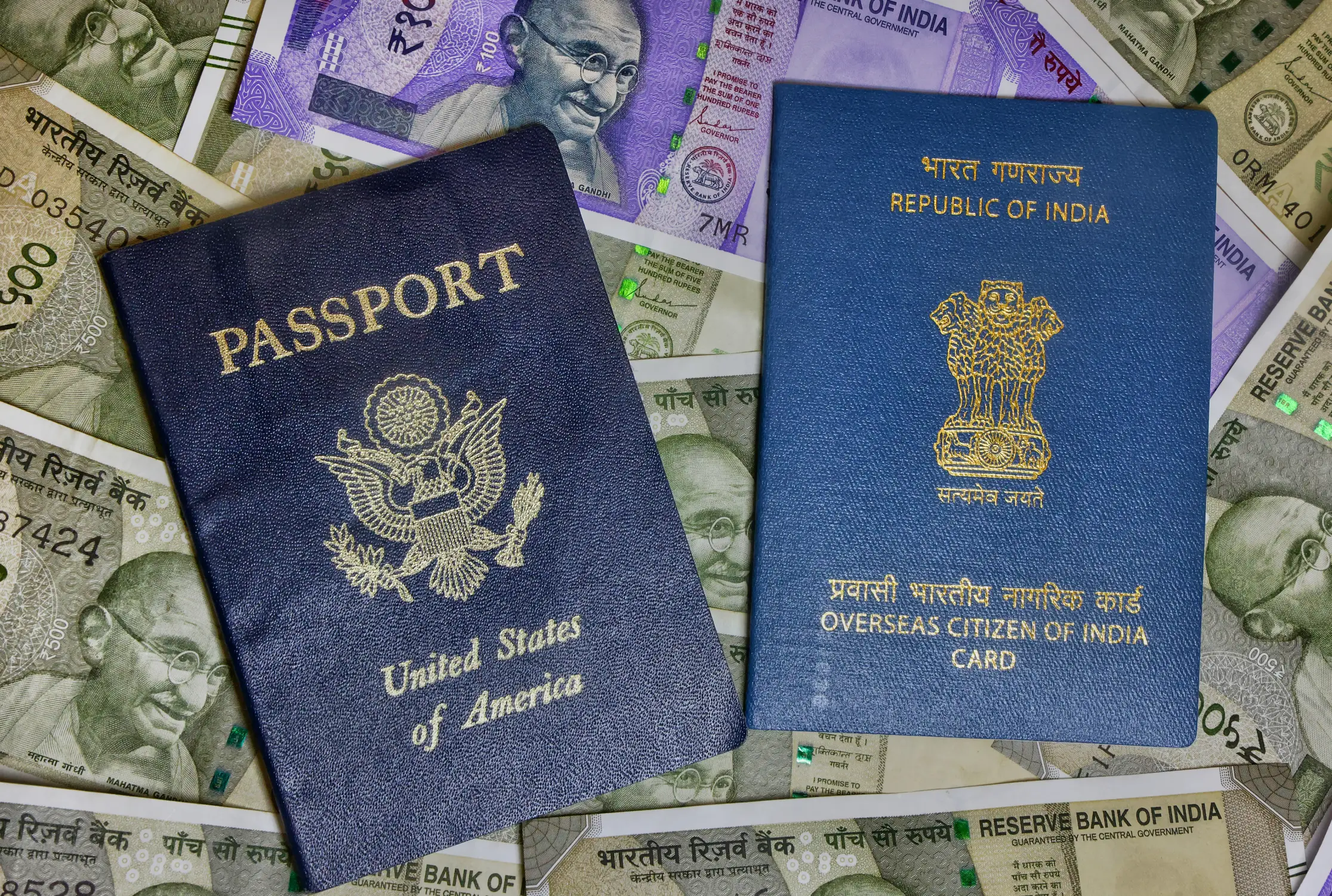
How to get dual citizenship or a 'second passport'
There are three key ways to become a dual citizen - descent, naturalisation or investment.
Descent
As reported by CNN, when it comes citizenship by descent, the clue is in the name.
It requires showing that your ancestors came from a particular country, with rules varying by nation on how many generations back can qualify and whether an ancestor naturalising in another country counts.
Naturalisation
Naturalisation is when you're not from the country, but you have legally lived there for a set period of time, which usually between five and 10-year mark.
However, this isn't as straightforward as it sounds as you have to apply and most of the time pay a hefty fee to do so, with no guarantee you'll get accepted.
For example, it currently costs £1,735 to naturalise in the UK.
Countries can require anything from criminal background checks to language proficiency, exams on history and culture, and even proof of good character.
Investment
Finally, a third option is investment, which is where someone can gain citizenship in exchange for a financial contribution or investment in the host country, such as donations or real estate purchases.
Topics: Travel, Politics, News, World News, Life, Real Life, US News
 Madison Burgess