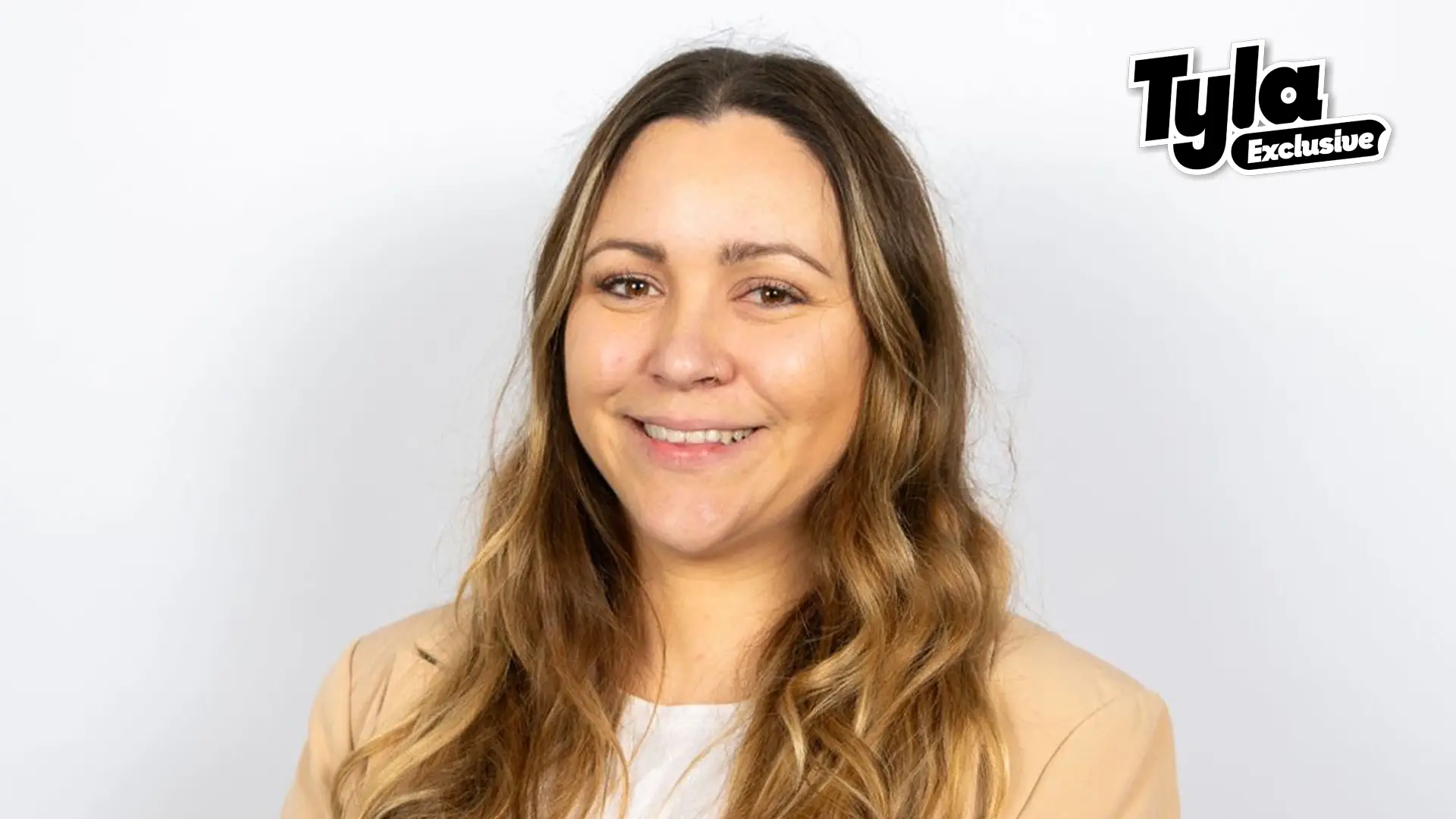
Woman spent seven days as a man on LinkedIn to see what would happen - now she has a surprising theory

A woman has revealed exactly what she learned when she decided to spend a week 'as a man' on LinkedIn.
Recruiter Jo Knowler carried out an experiment on the platform earlier this month and changed the pronouns on her profile from she/her to he/him.
Jo is one of many women testing the theory that 'becoming a man' on the platform could combat dwindling visibility.
Over the last 11 months, there's been growing discontent from LinkedIn users over an alleged 'change in algorithm' on the platform, with many noticing significant changes in their profile visibility.
Advert
There's even a Change.org petition urging for 'fair visibility for all' across the platform. It's filled with comments from those who, like many, rely on LinkedIn for their careers.
"Don’t try and reduce women’s voices by hiding what we say - we are here and we aren’t going anywhere," one person wrote.
For Jo, changing the pronouns on her profile didn't make much of an impact on her analytics, but in the process of conducting the experiment, she came to some insightful conclusions about what could be happening on the page.
"Last week I changed my LinkedIn pronouns to he/him, after seeing discussions about possible suppression of content by women. I decided to test it for myself by posting as consistently as possible for a week," Jo wrote.
"After seven days, I can’t find any noticeable change in my analytics. My posting cadence, tone, and topics have stayed roughly the same but of course, it’s not a perfect control test.
"Based on this short experiment, I suspect the issue might not be about who writes, but what they write. Perhaps posts on more female-centric topics see lower visibility, regardless of the author’s gender."
The reason why users have noticed the change is not entirely clear, but there are some compelling theories.
Many believe the alleged decrease in visibility is down to the content of posts, rather than who is posting them.
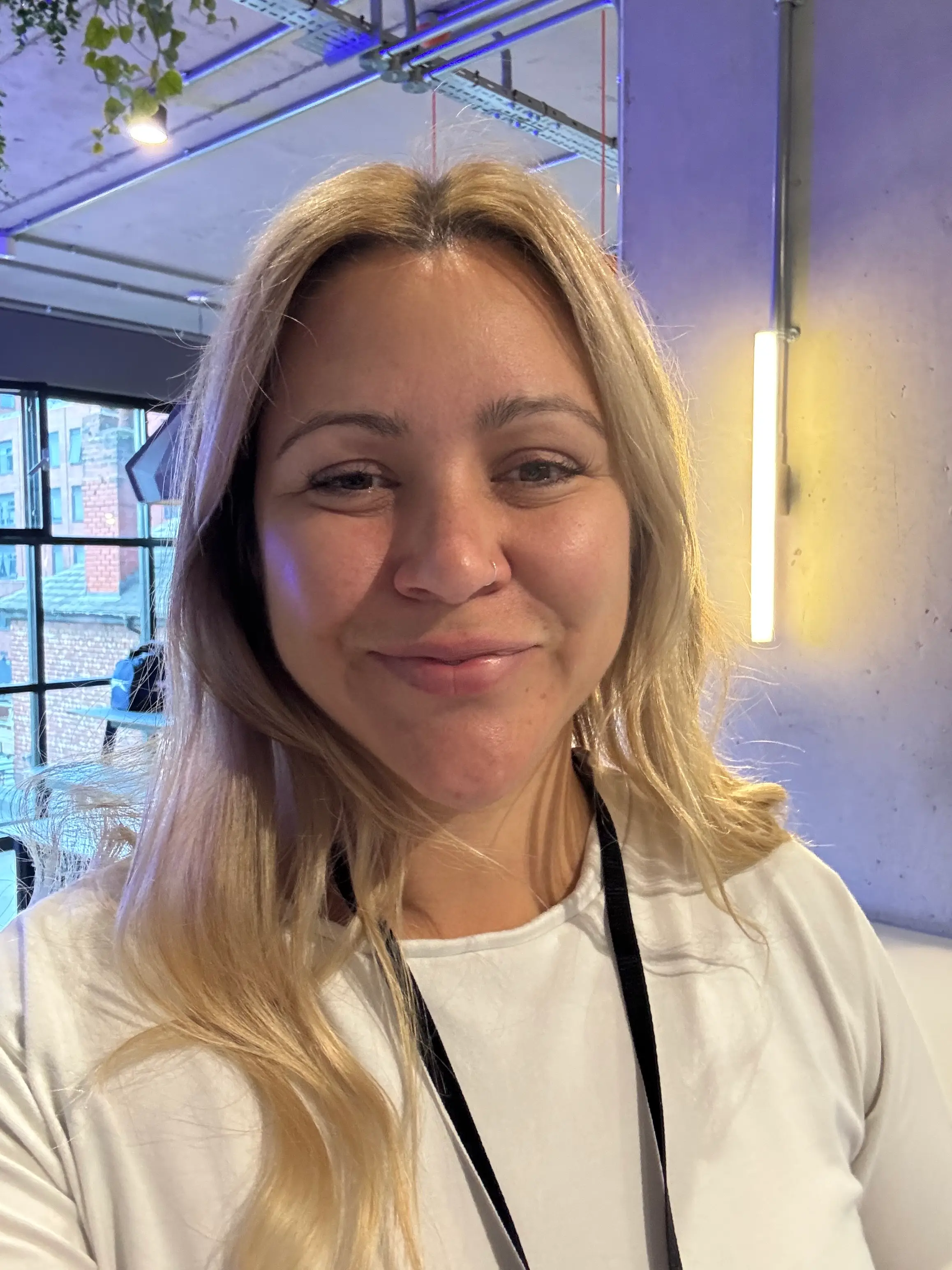
For example, Jo tells Tyla how she often posts about her son and juggling family life with work.
She said: "I've got a big following, so I never really questioned the engagement that I get, but I kept seeing more and more people being like, 'because I'm a woman, people aren't seeing my content'.
"... I tried to keep consistency of what I talked about and how often I post. I think the content I talk about is quite female-oriented because it is about being a mum and trying to do it all. I didn't see an impact, but then again that week I didn't talk about my son and nurseries, or anything like that."
Meanwhile, Deirdre O'Neill, co-founder of Hertility - who specialise in at-home fertility and hormone testing - has been sharing her experience with the platform for months, claiming that conversations about female health are being hidden.
She recently shared: "PROOF THAT WE ARE BEING SILENCED - yesterday I posted about LinkedIn deleting or suppressing Hertility content, today LinkedIn has DELETED it. You couldn’t write a better metaphor.
"Over 3,000 people reacted, over 300 reshared, and there were over 300 comments. ALL GONE.
"This is exactly the bias we’re fighting, and we’re not stopping. Keep talking. The algorithm can’t silence a movement."
Jo also wonders whether the rise in artificial intelligence could be impacting the algorithm.
There is a theory that men on LinkedIn who use certain 'business terms' could be becoming more visible on the platform.

One woman, Megan Cornish, decided to make some changes to her own LinkedIn profile after she read about what had been happening.
She told the Guardian how she first changed her gender to male, before asking ChatGPT to rewrite her profile in 'male-coded' language.
Megan then asked the AI bot to rewrite some of her older posts that hadn't achieved much engagement.
She said she found a 415 percent increase in reach just a week after the changes were made.
LinkedIn has acknowledged the theory, writing in a blog post: "Our algorithm and AI systems do not use demographic information (such as age, race, or gender) as a signal to determine the visibility of content, profile, or posts in the Feed. Our product and engineering teams have tested a number of these posts and comparisons, and while different posts did get different levels of engagement, we found that their distribution was not influenced by gender, pronouns, or any other demographic information."
Tyla has also reached out to LinkedIn for comment.
Topics: News, Real Life, Social Media, Women's Health, Jobs
 Lucy Devine