
Rare Stiff-Person Syndrome can be missed due to overlooked symptom

Canadian singer Céline Dion, famous for smash hits like 'My Heart Will Go On' and 'The Power of Love', has just announced her comeback years after being diagnosed with Stiff-Person Syndrome (SDS).
The 58-year-old 'Queen of Power Ballads' confirmed the exciting news on Instagram yesterday (30 March), sharing with her beloved fans that she will be performing a series of shows in Paris later this year in September.
"I'm so ready to do this," Dion said in the video. "I'm feeling good, I'm strong, I'm feeling excited, obviously, [and] of course, a little nervous."
"I'm doing great, managing my health, feeling good. I'm singing again, even doing a little bit of dancing," she assured fans.
Advert
Monday's announcement comes four years after the singer received her SPS diagnosis.
Dr Tony Banerjee, GP, Founder of HarleyDoc and Global CMO of NADclinic, has since exclusively told Tyla what you need to know about the incurable condition.


What is Stiff-Person syndrome?
Dr Banerjee explains that Stiff-Person Syndrome (SPS) is a rare neurological condition characterised by progressive muscle stiffness and painful spasms.
"It sits at the intersection of neurology and immunology, and is generally considered an autoimmune disorder, where the body mistakenly attacks parts of the nervous system," he outlines.
Most commonly, it affects the muscles of the trunk and abdomen initially, but over time, it can involve the limbs and significantly impair mobility and function.
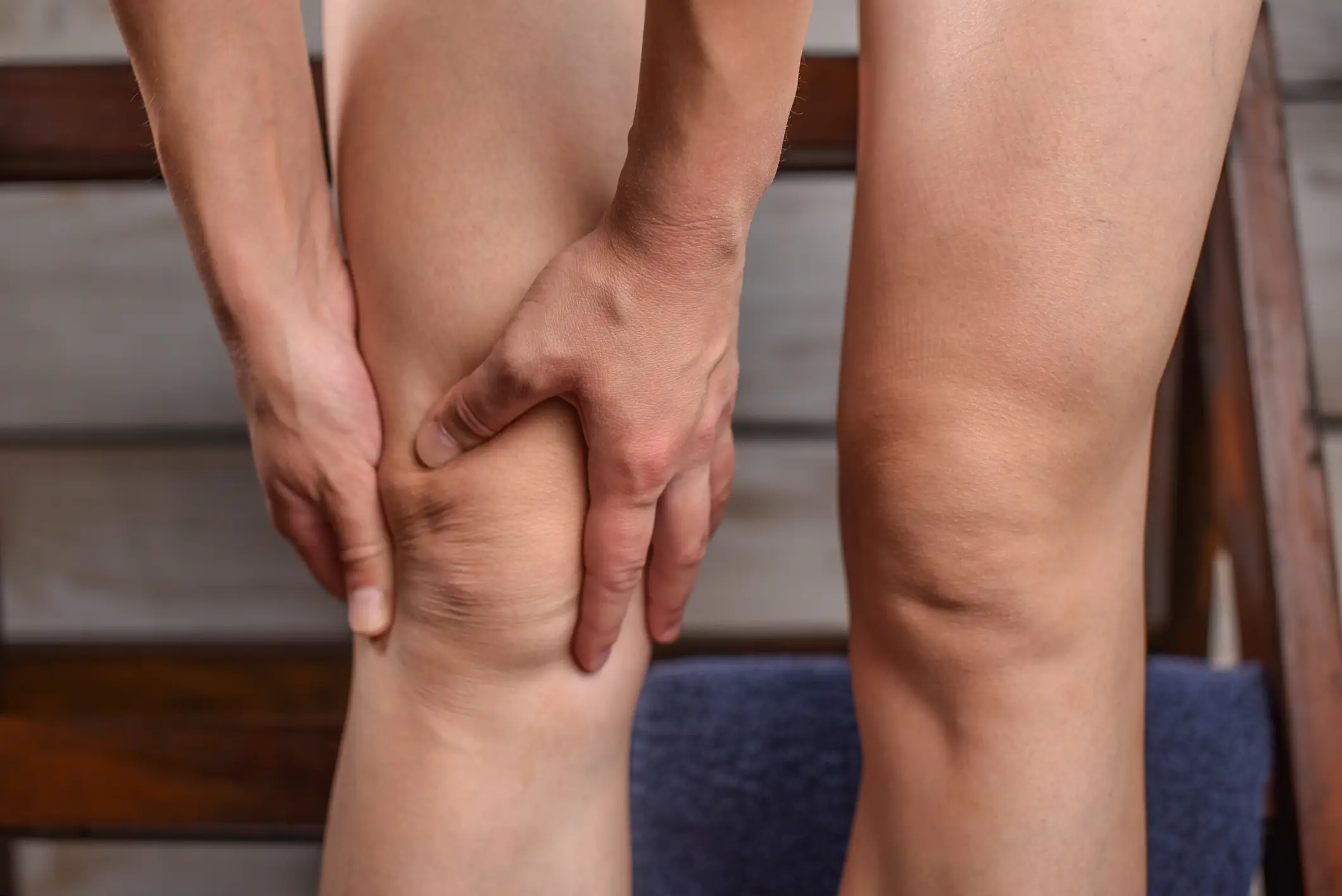
What are the symptoms of Stiff-Person Syndrome?
Early symptoms can be quite subtle and are often overlooked or misattributed, with a key one being gradual muscle stiffness, particularly in the lower back or abdomen
Typically, Dr Banerjee says patients may also notice:
• Painful muscle spasms, which can be triggered by noise, touch, or emotional stress
• An exaggerated startle response
• Increasing difficulty with movement, walking, or maintaining balance
"As the condition progresses, patients can develop a very characteristic, rigid posture and may become increasingly prone to falls," he adds.
How do you get Stiff-Person Syndrome?
The expert tells Tyla that the exact cause isn’t fully understood, but SPS is widely accepted to be an autoimmune condition.
Dr Banerjee says: "In many cases, patients have antibodies against an enzyme called glutamic acid decarboxylase (GAD), which plays a key role in producing GABA, an inhibitory neurotransmitter.
"When this pathway is disrupted, the nervous system becomes overactive, leading to stiffness and spasms."
The doctor adds that the disorder can occur in isolation but is sometimes associated with other autoimmune conditions, such as type 1 diabetes or thyroid disease.

Is there any cure for Stiff-Person Syndrome?
At present, there is no definitive cure for SPS.
However, there are treatments that can significantly improve symptoms and quality of life. These include:
• Muscle relaxants such as benzodiazepines
• Immunotherapies (e.g. intravenous immunoglobulin, steroids)
• In some cases, more advanced immunosuppressive treatments
Dr Banerjee notes that management is typically 'specialist-led', often involving neurologists with an interest in autoimmune disease.

Can Stiff-Person Syndrome be mistaken for another condition?
The short answer is yes, according to Dr Banerjee, which makes it one of the 'key clinical challenges'.
He outlines that early SPS is frequently misdiagnosed as:
• Multiple Sclerosis
• Parkinson’s Disease
• Chronic pain syndromes or mechanical back pain
• Functional Neurological Disorder
Because it is so rare and symptoms are non-specific early on, diagnosis is often delayed.

How rare is Stiff-Person Syndrome?
Dr Banerjee tells Tyla that SPS is extremely rare, affecting approximately one in a million people.
"To put that into context, most GPs will never encounter a confirmed case in their entire career," he says. "Even within neurology, it is considered an uncommon diagnosis."
He resolved: "Stiff-Person Syndrome is a powerful reminder that not all chronic pain or stiffness is mechanical or benign.
"When symptoms are progressive, atypical, or don’t respond to standard treatment, it’s important to step back and reconsider the diagnosis.
"Early specialist input can make a meaningful difference in outcomes for these patients."
Topics: Advice, Celebrity, Explained, Health, Tyla Exclusive, Music, Life
 Rhiannon Ingle