
Research reveals what really happens to your brain during sex

Sex can be pretty all-consuming on the mind, but that’s not all that happens to the brain when you’re deep in the throes of passion.
From the positions to the foreplay, slow burn intimacy during the day, or the spontaneous romp, the nitty gritty of what happens in the body when you climax is actually pretty fascinating.
With between 70 and 85 percent of men orgasming during sex, and women climaxing between 46 to 58 percent, there’s a lot of people in the world experiencing the euphoria that is the human orgasm.
It can feel like you’re elevated, on cloud nine, walking on sunshine and all that jazz.
Advert
But what happens to the brain during it?
According to a 2021 study, ‘sexual pleasure is a cognitive experience based on the reciprocal relationship between bodily physiology and nervous system function’.
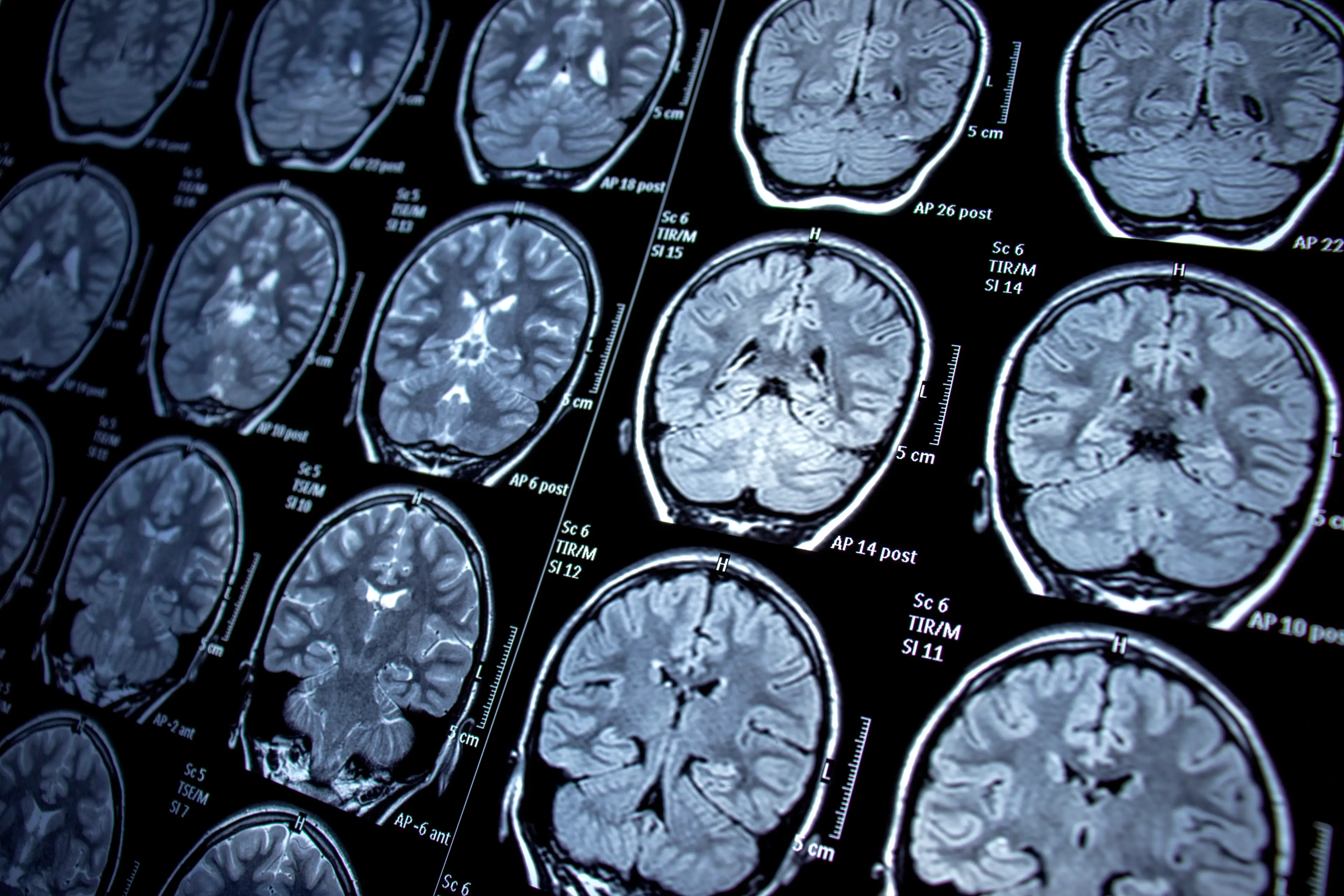
In short: we get off because our brain is in sync with our nerves.
It went on to share that ‘specific brain activity stimulates physiological responses in the genital system that in turn generates sensory nerve feedback to the brain, whose neurons generate pleasure'.
So, orgasms only happen due to this sensory feedback from the brain.
Science is so cool.
Your brain is struck with a dopamine hit
Just as lightning strikes a tree, your brain gets smacked with dopamine, the body’s rewards and motivation chemical.
As per Sachchidananda Maiti, a gynaecologist at Pall Mall, an orgasm will make you go through a cocktail of different reactions.
He told Metro: “Your brain floods with dopamine, oxytocin, and endorphins, the same chemicals linked to deep relaxation and happiness.”
You’ll also feel these things if you exercise, listen to music, consume specific drugs or eat chocolate.

Serotonin, the body’s happiness chemical, is also released when we orgasm, making for a good time.
You’re no longer logical
When you orgasm, your brain does such a strange thing: it turns off the logical part of your brain.
"The lateral orbitofrontal cortex becomes less active during sex. This is the part of the brain that is responsible for reason, decision making, and value judgments," clinical psychologist Daniel Sher told Insider.
"The deactivation of this part of the brain is also associated with decreases in fear and anxiety."
Because of this, fear and anxiety (which can stop arousal) disappears.
Your emotions are heightened
Passion, love, attraction, and pleasure - these are commonly felt during sex.
This is because sex impacts the amygdala part of the brain which controls your emotions, and also physical responses like increasing your heartbeat or breathing pattern.

“During orgasm, your brain coordinates a big celebration in its ‘pleasure, emotion, movement, and imagination’ regions, while the ‘worry and control’ section takes a break,” Sachchidananda said.
“This lets you really let go and enjoy the experience, whether you’re alone or with someone else.”
Women keep it going
While everyone will release oxytocin during sex, the brains of women are a little different.
"In women, oxytocin tends to continue to be released after orgasm, which may explain the motivation for post-coital cuddles," said Sher.
Topics: Sex and Relationships, Science
 Britt Jones