
Red flags that could mean you’re allergic to condoms

Some condoms are made up of latex, which is a material that can cause an allergy or sensitivity when used frequently.
Back in the 1980s and 1990s, when latex gloves were commonly used by healthcare workers - from doctors and nurses to dentists, veterinarians, and caregivers - they faced a widespread group allergy, with allergen rates as high as 10-17 per cent. Yikes!
The condoms you use may be made from latex, or synthetic materials like polyisoprene, polyurethane and nitrile - the material makeup will always be listed on the packaging.
According to Anaphylaxis UK, an estimated 1 to 6 out of every one hundred people could be allergic to latex, and there are two types of allergies: Type 1, which is immediate, and Type 4, which is delayed.
Advert
So what can you do if you’re allergic to it and still need to use condoms?
There are numerous latex alternatives available today, so you should be able to find a comfortable, convenient solution if you are experiencing discomfort.
But first, you need to know if you should steer clear in the first place, so here are three red flags to watch out for...
 I've actually always wanted one of these allergy tests done (Serhii Mazur / Getty Images)
Being diagnosed with other allergies
I hate to break it to you, but if you have ever been diagnosed with other types of allergies (I’m currently crying in psoriasis right now), then you are more likely to suffer from a latex allergy later on.
According to the experts at popular app Flo, people who have asthma, eczema, and hayfever should be especially careful.
The Great Ormond Street Hospital further notes that those with hay fever, especially those who come into regular contact with latex, such as through their job, have an even higher risk of becoming allergic.
 Some food sensitivities may mean you are likely to have a latex allergy (d3sign / Getty Images)
Food sensitivities
Who knew that sensitivities to food could be linked with a latex allergy? Not me. Apparently, this is because the foods are structurally similar to those in natural rubber latex.
The Allergy and Asthma Network explains: “Many foods have similar proteins to latex even if they don’t contain actual latex. When a person with a latex allergy eats food with these proteins, they may have an allergic reaction. The foods are called latex cross-reactive foods.”
Some notable foods to consider include potatoes, apples, avocados, carrots, celery, chestnuts, kiwis, bananas, melons, papayas, and tomatoes.
Well, I bet you didn't expect to hear today that a potato and a condom share similar proteins.
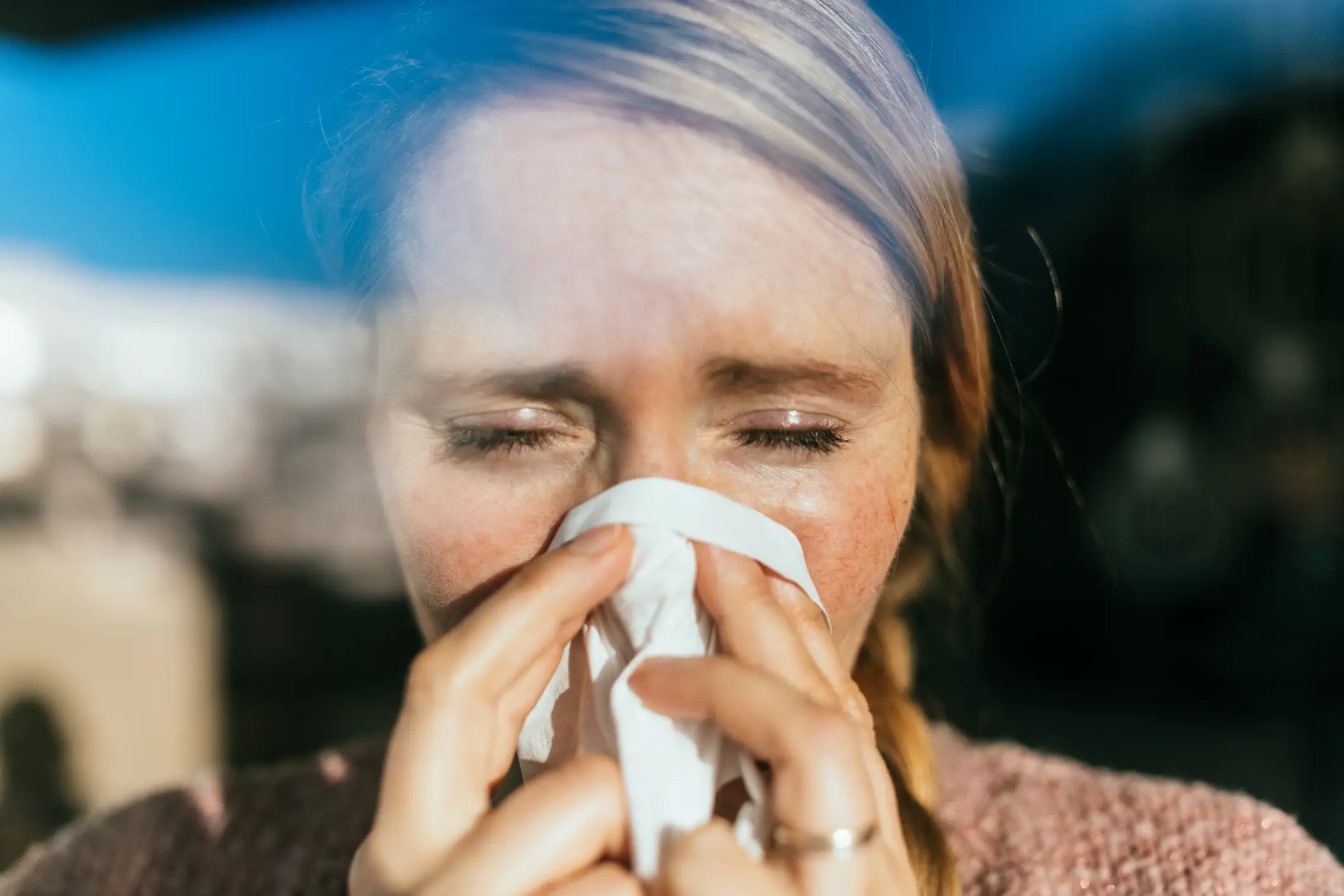 A runny nose can be a sign of a condom allergy (Guido Mieth / Getty Images)
Physical reactions
One of the biggest red flags that could mean you’re allergic to condoms is contact dermatitis, which is a rash on the surface of your skin.
This can be red, itchy and tender and is usually around your genitals or other places where your body may have been in contact with a condom, like hands, and occurs almost instantly after coming into contact with latex.
"Swelling, hives, and bumps could also be signs of a localized allergic reaction to condoms," Flo's experts warned. "In severe latex allergy cases, you might have a systemic allergic reaction to condoms involving your entire body, not just specific areas. Women tend to be more susceptible than men because the vaginal mucus membranes rapidly absorb latex proteins.
"Indications of a systemic allergic reaction to condoms include swelling, hives, and a red, itchy rash in areas that didn’t come into contact with latex.
"Watery eyes, sneezing, runny nose, congestion, scratchy throat, and a flushed face are additional systemic latex condom allergy symptoms."
The NHS recommends carrying an antihistamine to treat allergic reactions, such as itching and skin redness. However, for severe reactions, a healthcare professional may prescribe an adrenaline auto-injector, which must be carried at all times and administered by someone who knows how to use it.
Topics: Health, Sex and Relationships, Women's Health
 Lauren Lees