
Common medications that could be affecting your sex drive without you knowing

It can be alarming if your libido unexpectedly takes a nose dive, but there are some medications that can play havoc with your love life.
One minute, everything is great and you're feeling the heat regularly with your partner.
If you suddenly find you're struggling to get in the mood and are saying 'not tonight' more often than 'yes please', it can be easy to blame your hormones or emotions.
Worse, some people automatically assume it's a sign that something could be wrong within the relationship.
Advert
Before you fear the worst, blame yourself, or even call things quits, it might be worth taking a look inside your medicine cabinet to see if anything in there is wiping out your libido.
Gynaecologist Dr Maral Malekzadeh told Woman's World about six of the worst offenders when it comes to medication kissing goodbye to your sex life.

She said it's surprisingly common for medication to play havoc with our bedroom habits 'because female sexual desire is regulated by a complex interplay between oestrogen, testosterone, dopamine, serotonin, vascular blood flow and psychological context'.
Dr Malekzadeh advised: "Many medications alter one or more of these systems, and some medications also affect genital blood flow or contribute indirectly through fatigue, weight changes or mood shifts."
The expert said that for many women, even 'subtle neurochemical or hormonal shifts' can have a big impact on their feelings of desire, or their ability to reach orgasm.
Here are six of the medications that can cause problems in the bedroom...
Selective serotonin reuptake inhibitors (SSRIs)

SSRI medications are a type of antidepressant, often prescribed for things like depression, anxiety, OCD and panic disorders.
This includes medications like citalopram, escitalopram, fluoxetine and sertraline.
Dr Malekzadeh said these medications work by increasing serotonin levels.
While this is undoubtedly a benefit for the condition they are being prescribed for, she warns this can 'suppress dopamine and blunt sexual arousal, motivation and orgasm'.
According to Harvard Health, some 35 to 50 percent of people with untreated depression struggle with their libido, so it can be difficult to know whether it's the medication or the depression causing the issue.
Combination birth control
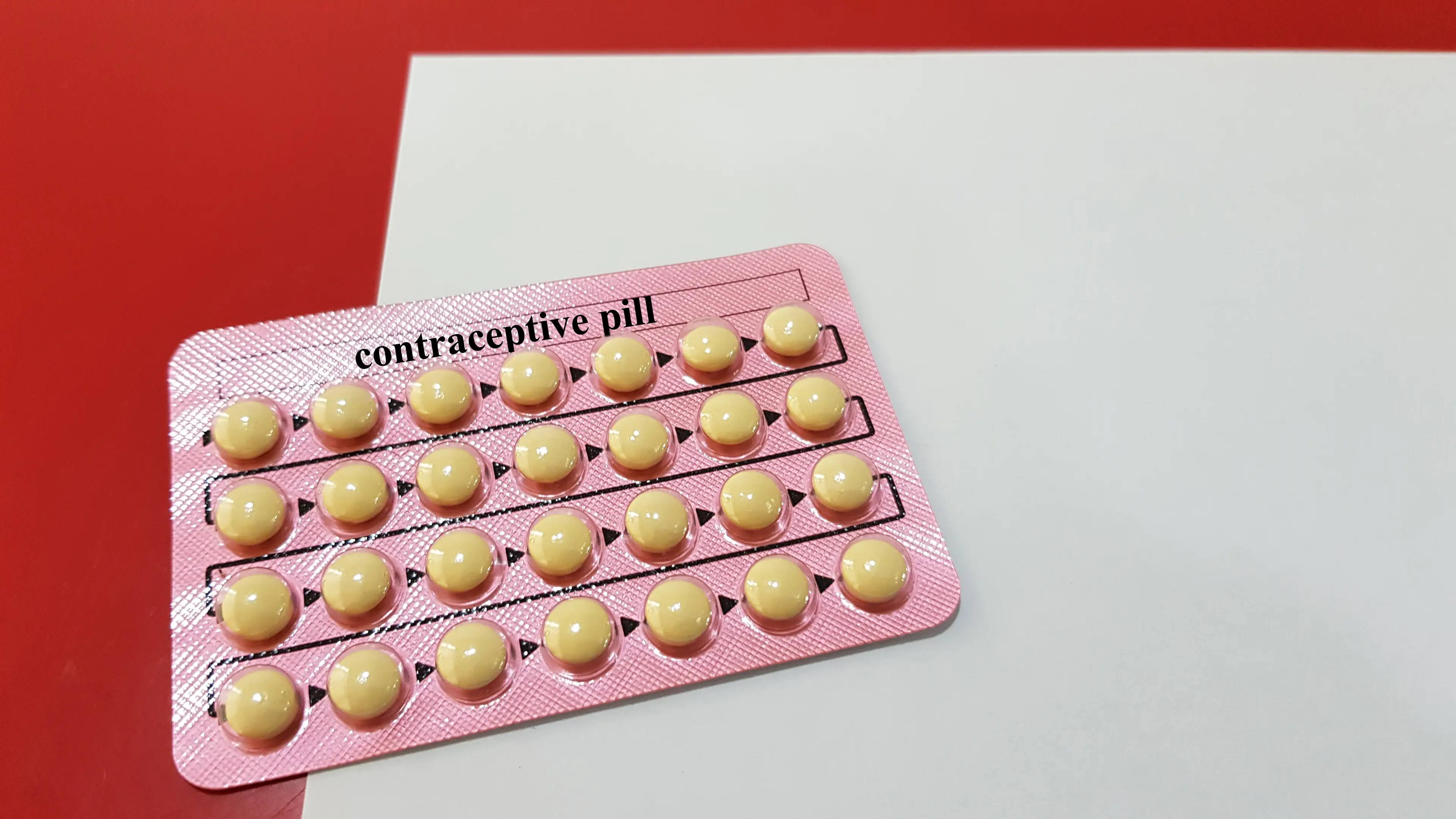
There's a certain irony in taking birth control to avoid pregnancy, only for said medication to then wipe out desire or libido.
The expert said these medications work to 'suppress ovulation and increase sex hormone-binding globulin, lowering bioavailable testosterone that contributes to desire'.
Many women find that supplementing with testosterone helps to boost their desire back to normal.
It's not always the case though, as WebMD reports some women find their libido rockets through the roof when they start taking the pill.
Beta blockers
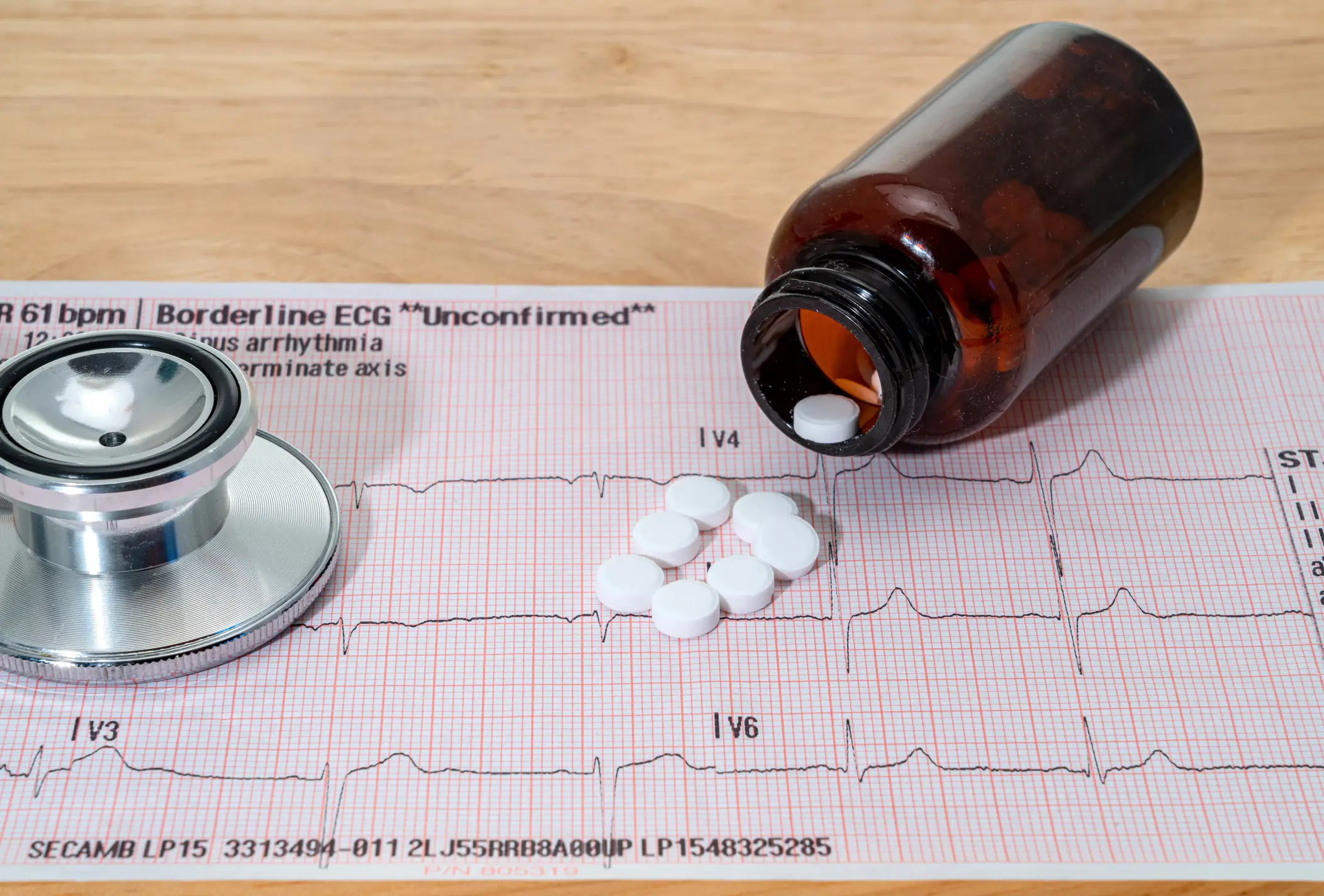
The gynaecologist explained: "Certain beta blockers used for high blood pressure and heart rhythm conditions reduce sympathetic nervous system activity and may decrease genital blood flow, impairing arousal."
According to the NHS, beta blockers can also slow down the heart by blocking hormones like adrenaline, so if you feel like you're just not as excited as before, this might be why.
For men, they can cause erectile dysfunction thanks to the reduced blood flow, but it can also mean women find it harder to reach climax, too.
Anti-androgen medications

Examples of anti-androgen medications are those given to treat polycystic ovary syndrome or acne.
Dr Malekzadeh said these types of medication work by lowering hormones called androgens, including testosterone.
Crucially, these hormones are key for your sex drive, so some women can find that their libido greatly reduces while taking them.
Chronic opioid use

Dr Malekzadeh warns that chronic use of opioid pain medications 'can disrupt signals between the brain and reproductive organs'.
This can result in the body producing less oestrogen and testosterone, which can in turn lead to reduced sexual desire in addition to vaginal dryness.
Opioids include medications like codeine, morphine, tramadol, and fentanyl.
According to the NHS, these medications can also cause erectile dysfunction in men and menstrual irregularities in women.
This usually happens if the medications are taken for six months or more.
Antipsychotics

The expert explains that one of the common side effects of antipsychotic medications is an increase in prolactin, a hormone that helps to produce breast milk.
If prolactin levels rise too high, it can reduce the production of oestrogen.
It's a fine balance to achieve, but like the other medications that lower oestrogen, it can reduce libido and cause dryness.
If any of these medications are causing issues for you, always speak to your doctor or consultant before reducing or stopping any treatment.
Topics: Health, Mental Health, Women's Health, Science, Sex and Relationships
 Jen Thomas