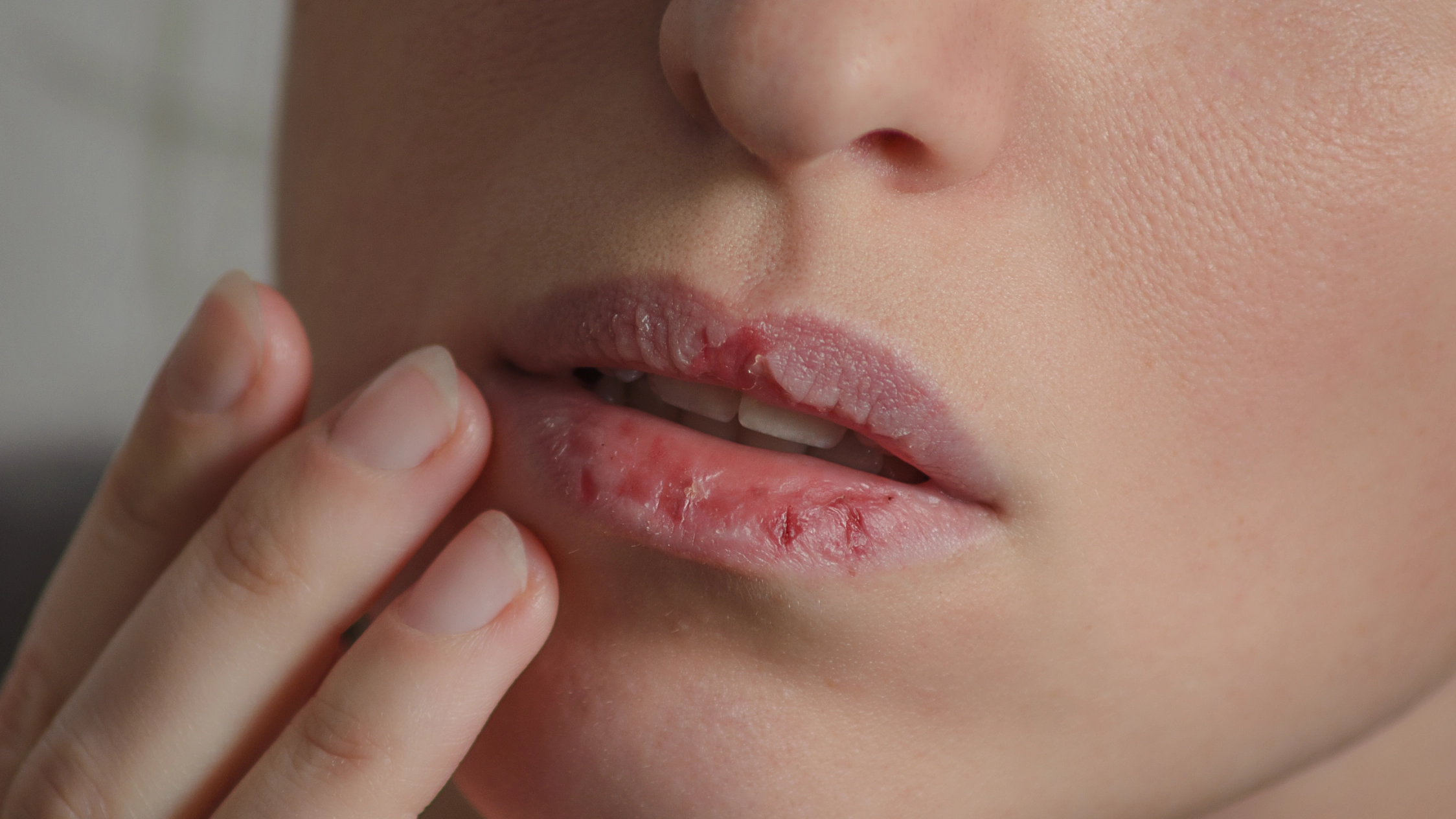
Unexpected health warning you might want to pay attention to if your lips are always cracked or dry

It feels almost unavoidable in these chilly winter months to go through copious amounts of lip balm all in the hopes of protecting your lips from drying out and cracking from the cold.
But an expert has now warned that having constantly cracked or dry lips may be a symptom of an unexpected health issue that you'll definitely want to pay attention to.
One TikToker bravely took to the social media platform to share her experiences and warned her viewers of what she was later diagnosed with in the hopes of raising awareness for fellow chapped-lipped girlies out there.
The creator, who goes by Pumpkin Head online, explained how she received a message from a dental hygienist who'd watched her videos and noticed how cracked her lips were.
Advert
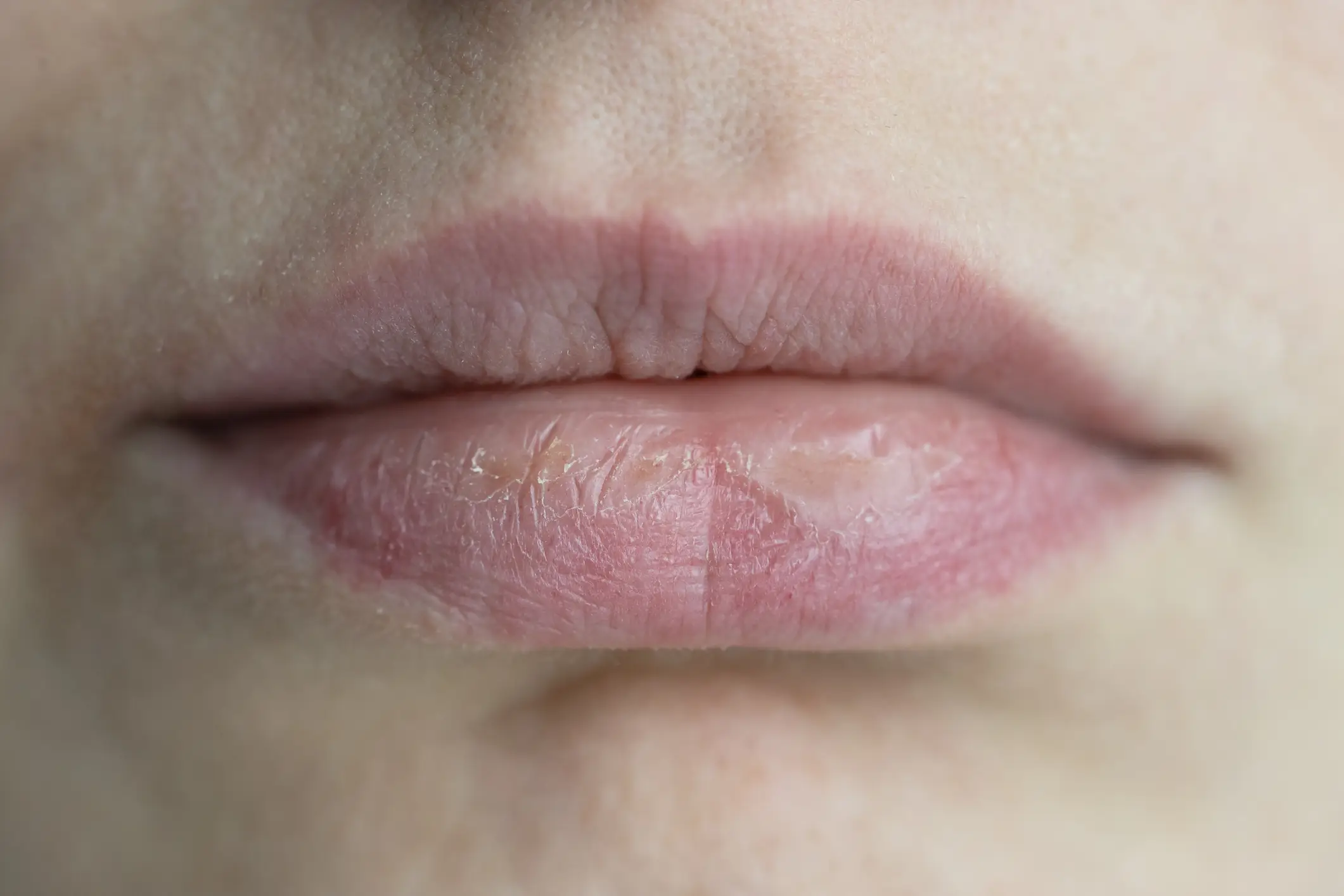
With the best intentions at heart, the hygienist warned the TikToker about a 'kind of fungus' that might be 'growing on [her] face' and recommended trying out anti-fungal cream instead of the usual lip hydration products she'd previously been using to no avail.
Pumpkin decided to give it a go and popped some athlete's foot cream onto her lips and found that the soreness and relentless flakiness she’d been dealing with for months cleared straight up, hence why she admitted the dental hygienist was '100 percent right'.
Pumpkin’s diagnosis was something called angular cheilitis.
What is angular cheilitis?
The NHS explains that angular cheilitis (stomatitis) is the cracking, crusting or soreness of the corners of your mouth, where the lips join at each side.
It is caused by infection with a yeast called Candida. Candida is often present in the mouth and, if it spreads to the corners of the mouth, it can cause the unpleasant condition.
It can also be caused by infection with the bacteria Staphylococcus aureus.
The chance of getting angular cheilitis may increase if you have some chronic bowel problems, if you are low in iron, vitamin B12 or folic acid, if you have a condition where you drool saliva at the corners of the mouth or if you wear dentures that do not adequately support the corners of the mouth.

What are the symptoms of angular cheilitis?
Some people will have no symptoms. However, you may notice:
• Cracking, crusting and/or redness of the corners of your mouth
• Sore corners of your mouth
• Bleeding from the corners of your mouth
• Creasing or folds at the corners of your mouth
• Persistent wetting of the corners of your mouth with saliva
"You might have it too," Pumpkin warned her dozens of thousands of TikTok followers, claiming fungal infections were worth looking into 'if your lips are never healing, like ever, or if you’re someone who’s more prone to having your lips be cracked or dry'.
An expert's take
Dr Conal Perrett, consultant dermatologist at The Devonshire Clinic, has shared his expertise on the matter.
He warned that 'social media has made fungal causes sound far more common than they are', meaning in clinical practice, they’re 'often over-suspected'.
"In the vast majority of cases, cracked lips are due to irritation, frequent lip licking, allergic reactions, sun damage, or underlying skin condition, not fungus," he told Metro.
When fungal infection is to blame, the doctor noted that there are usually other symptoms beyond dryness on its own.
"The most relevant fungal condition around the mouth is oral candidiasis, commonly known as thrush, but it rarely presents as isolated chapped lips. When Candida is involved, people usually notice white patches inside the mouth, redness at the corners of the lips, soreness, or a burning sensation, not just dry or flaky lips," he explained.
"Another condition, angular cheilitis [the same one Pumpkin had] can involve yeast, but it typically causes painful cracks at the corners of the mouth and is often linked to moisture, dentures, or nutritional deficiencies."
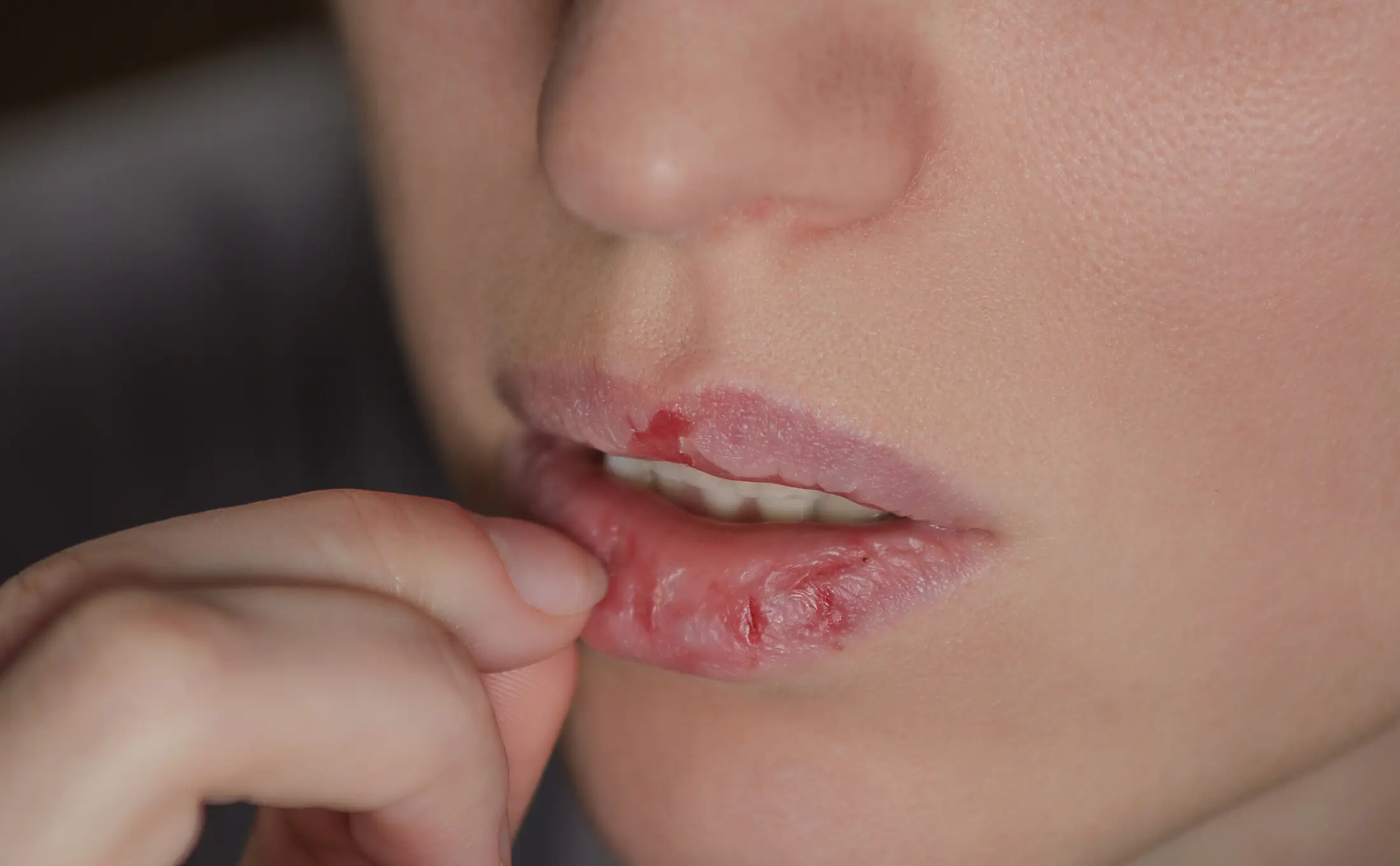
Dr Perett says that dry lips alone rarely mean a fungal infection, but that, coupled with these additional symptoms, may be worth going to your GP for.
- Associated redness
- Inflammation
- Soreness
- White plaques in the mouth
- Cracking at the corners of the lips
The only way to know for sure if persistent issues are caused by a fungal issue is to see a healthcare professional for an official diagnosis.
The expert also made sure to warn against DIY remedies as 'treating the wrong cause often makes symptoms linger'.
"Using anti-fungal treatments without a clear diagnosis can delay proper treatment and worsen irritation, particularly if the underlying issue is inflammatory or allergic rather than infectious," Dr Perett said.
"A clinician can usually tell the difference between fungal, inflammatory, and allergic causes with a simple examination, and in some cases a quick swab. That clarity allows treatment to be targeted, effective, and far less frustrating for patients."

How to best deal with dry or cracked lips
Dr Perett laid out a handful of tips on dealing with pesky chapped smackers, telling the outlet:
- Don't over complicate it: "Use a bland, fragrance-free emollient such as petroleum jelly regularly throughout the day to protect the lip barrier and lock in moisture."
- Stay clear of 'tingly' lip products: "Flavoured, fragranced, mentholated or essential-oil lip balms can irritate the lips further and slow healing."
- Avoid licking and picking: "Lip licking, biting or peeling dry skin worsens cracking, as saliva breaks down the delicate surface of the lips."
- Protect from the elements: "Cold weather, wind and sun exposure all contribute to dryness, so a simple lip product with SPF can help prevent further damage."
- Have patience: "Once the irritation is removed, lips can take a couple of weeks to recover. Frequent reapplication of a gentle product is key."
- Know when to get advice: "If lips haven’t improved after two to three weeks, or if there’s pain, redness, swelling or cracking at the corners of the mouth, it’s important to seek medical advice to rule out eczema, allergy or infection."
 Rhiannon Ingle