
‘Sunny side up’ babies explained - they’re not as cheerful as they sound

Pregnancy isn’t usually a sunny experience, unless your baby is ‘sunny side up’. But despite how it sounds, it’s not a great thing.
Sometimes, giving birth can be one terrible experience, and there are a range of factors that make this true. From emergency positions to the body needing to be induced- anything can happen in the labour room.
However, once you’re at the point of pushing, you tend to think that’s it. But it’s just the beginning for some.
At this point, you can experience things like perineal tears, an emergency episiotomy (ouch), forceps, and horrible back pain. Maybe even a caesarean section for those who really need to have medical intervention.
Advert
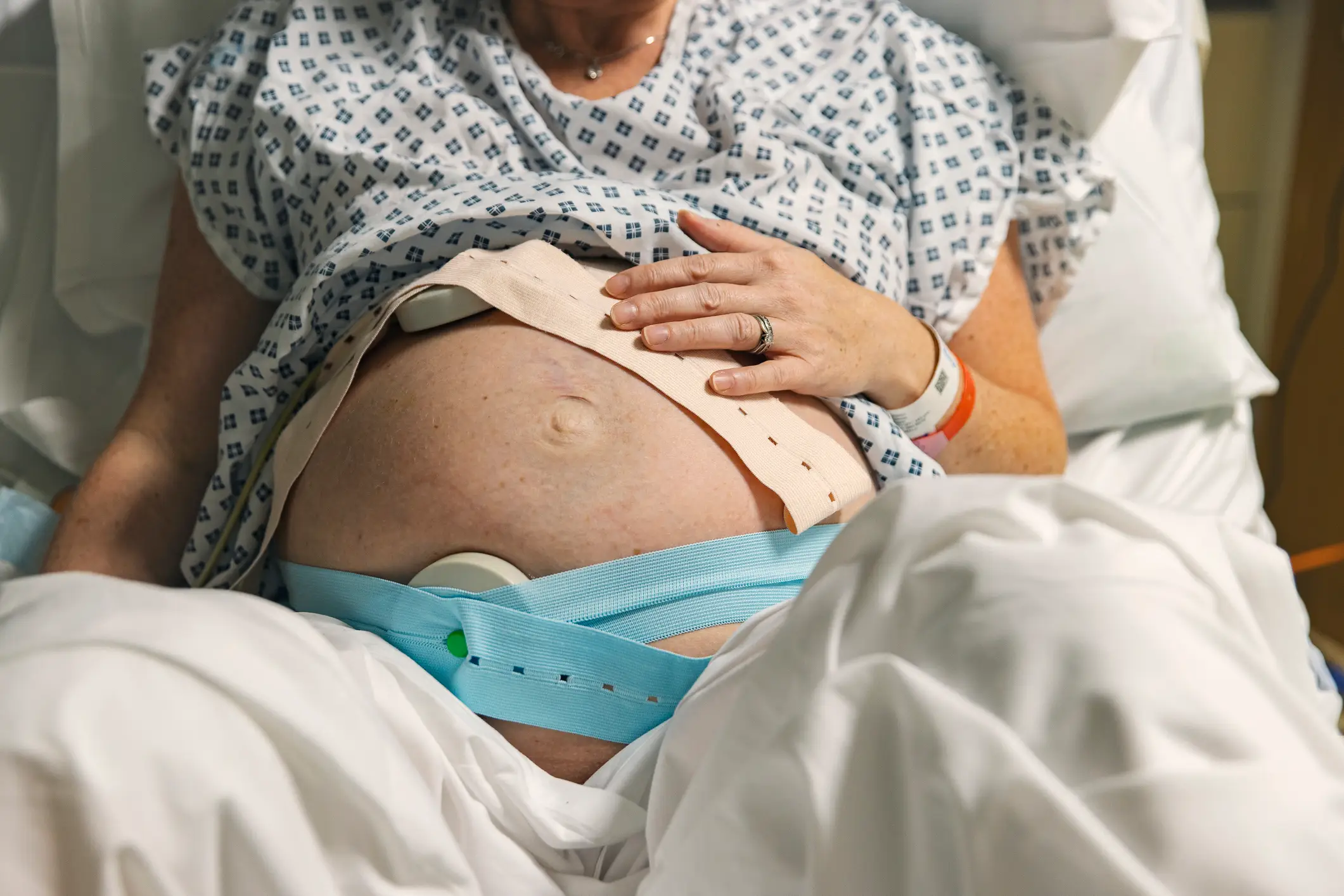
But when you have a sunny side up baby, this is unfortunately one of those times that can include those things too.
Thankfully, a Springer Nature Link study found that only between five to eight per cent of births recorded happen this way, otherwise, it might stop people from wanting to do it again.
Sunny side up, also known as the occiput posterior position, or posterior position, occurs when the baby is born with their head down in the birthing position but their face is upright towards the sky, as their skull (occipital) is at the back of the mother’s pelvis.
Usually, it is preferred that a baby is born in the anterior position, with their face at the back of the pelvis as heads measure bigger from the back, making a sunny side up birth a little more challenging if it’s happening vaginally.
In an anterior position, it’s easier for the baby to tuck their chin, so birthing them is a bit better for the mum. During a sunny side up delivery, it’s easy for the head to get wedged behind the pelvic bone, which can bring about any of the following, per Healthline:

- Back labour pain
- Prolonged labour and delivery
- Bad perineal tearing
- Increased risk for forceps or vacuum
- Increased need for a caesarean
- A start and stop labour
- A less engaged during the big push
- A longer neonatal stay for the baby
Online, people have detailed their experience with this birthing issue, but many have positive things to say.
One Redditor wrote: “Mine was delivered sunny side up and we had no idea until she came out. I pushed about 10 times (total of ~30 min). The first thing I heard was the doctor say, ‘Oh sunny side up!; They said I probably would have pushed her out in a couple of pushes if she was facing the right way.”
Another wrote: “My baby was sunny side up. No one told me until I was already in labor 5cm dilated. My L&D nurse put a peanut ball between my legs in a side lying position and my baby actually turned around before I delivered him.”
So, it could be okay.
 Britt Jones