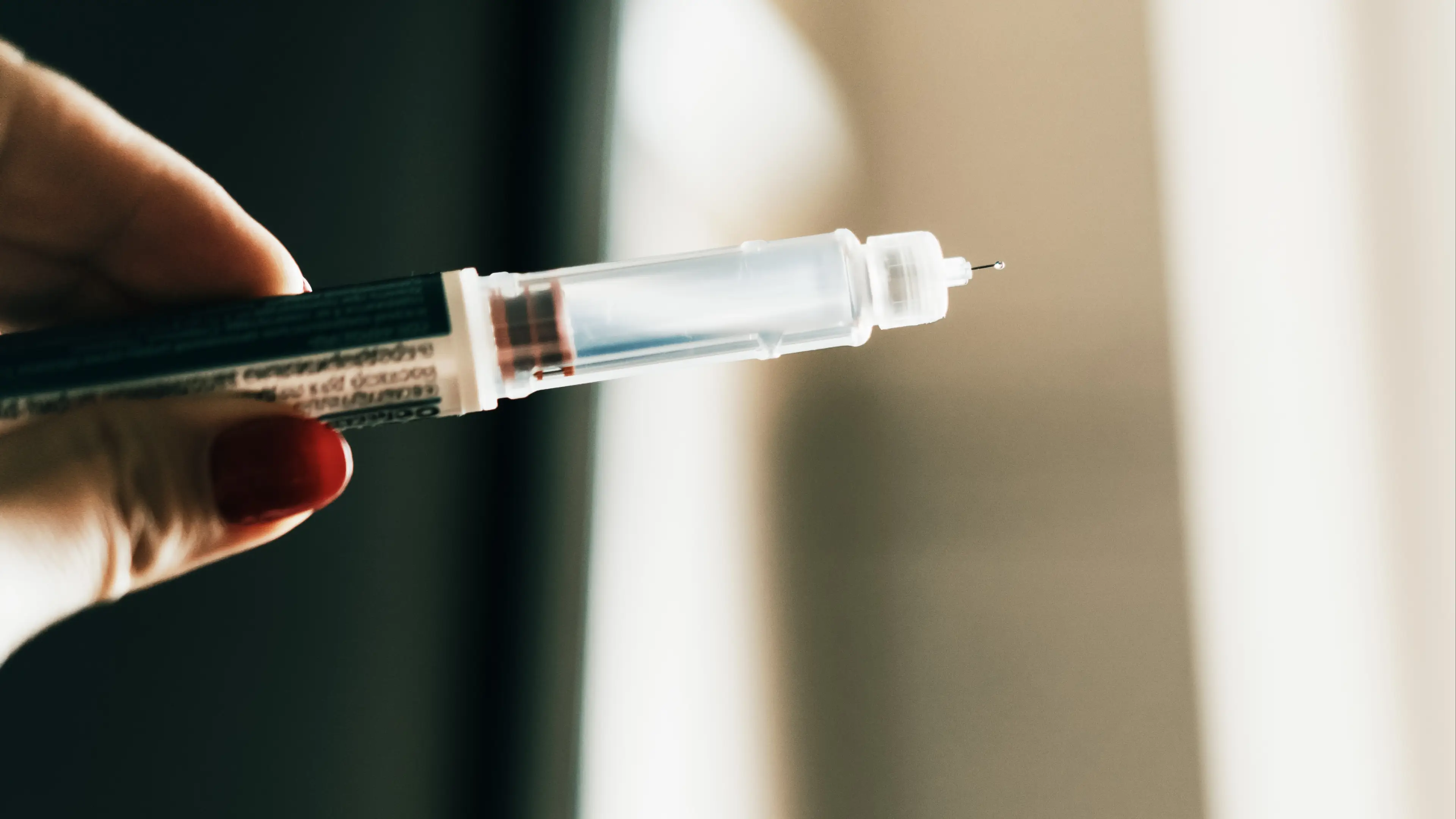
Peptide injection warning issued after they become latest ‘looksmaxxing’ trend

It feels like there's a new Gen Z term we need to add to our ever-expanding social media lingo dictionaries, with the latest being none other than 'lookmaxxing'.
Now, in case you haven't come across such a term before, 'looksmaxxing' is a chronically-online lifestyle trend with a sole focus on 'maximising' your physical attractiveness through various methods.
Such methods can range from a vigorous skincare and fitness routine to extreme interventions like surgery and, in some cases, even substance abuse.
Used a lot by 'manosphere' influencers and those who identify as being part of 'incel' subcultures, 'looksmaxxing' involves optimising your physical features to improve a perceived 'sexual market value' and, in short, achieve the ultimate beauty 'glow-up'.
Advert
Plenty of health experts have already raised alarm over the dangers of the trend, but the latest warning is all to do with the rising popularity of peptide injections, which are peddled as being the 'sworn-by' route into achieving physical perfection.

What are peptide injections?
Dr Memee Ahmad, co-founder and medical director SkinCouture, exclusively told Tyla: "Peptides are short chains of amino acids that act as signalling molecules, instructing cells to carry out specific biological functions. "Injecting them delivers these signals directly into the bloodstream, bypassing the gut where they would otherwise be more likely to be broken down."
She explained that some peptides are MHRA licensed with 'robust trial data behind them', adding: "Many others being sold online are not licensed for human use in the UK at all."
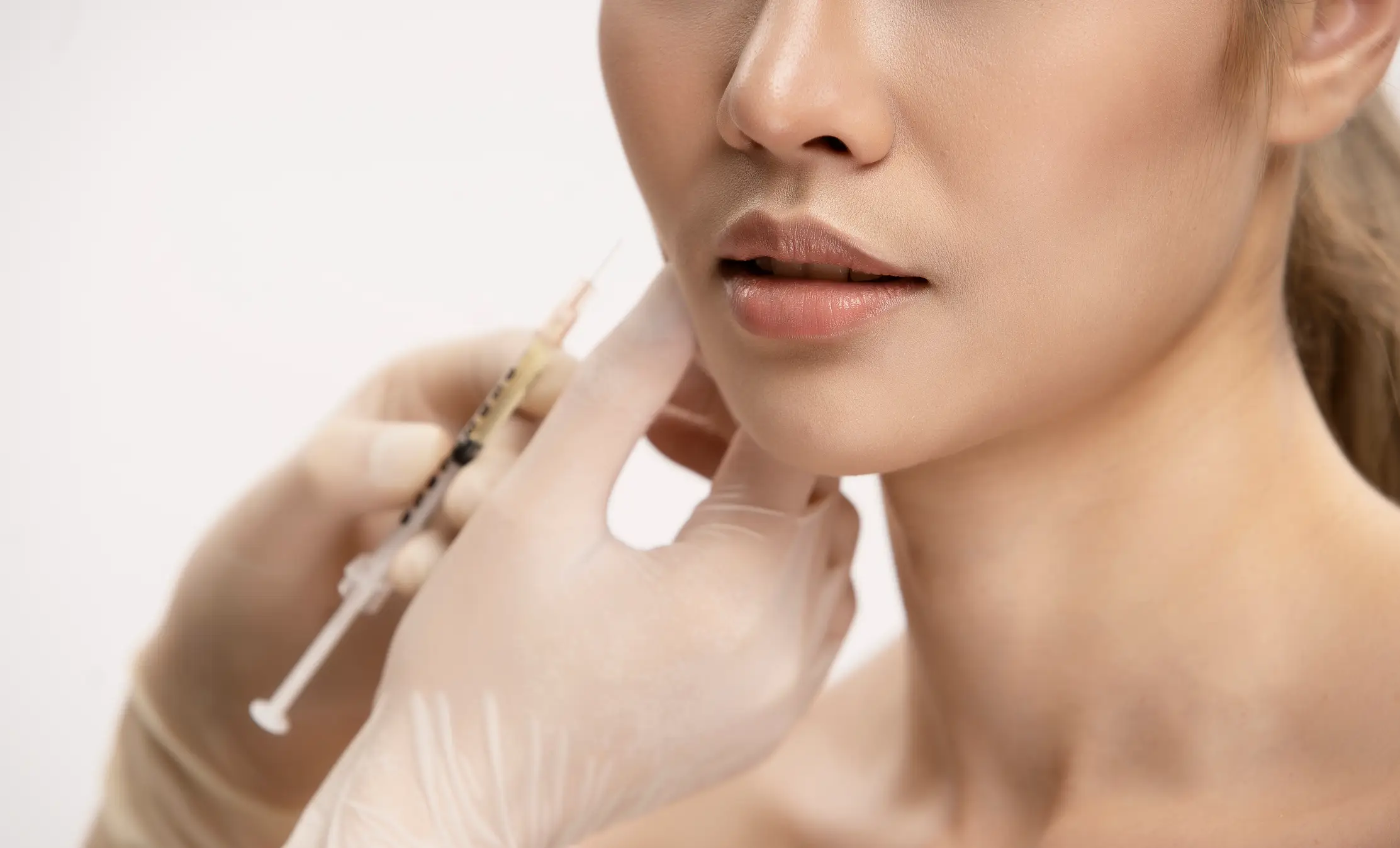
How do peptide injections work?
The expert explained that peptides bind to receptors and trigger a cellular response.
"Depending on the peptide, that might mean stimulating collagen, releasing growth hormone, reducing inflammation or supporting tissue repair," Dr Ahmad said.
"Biologically plausible does not mean clinically proven, and most of what is being self-administered at home is based on animal studies, not human trials."
What are they used for?
The doctor outlined that peptides have several uses.
They may be used for skin rejuvenation, fat loss, muscle recovery, sleep improvement, hair growth, and general longevity.
"The appeal is optimisation and control," Dr Ahmad noted. "What gets lost is that most people using them recreationally have no baseline bloods, no medical oversight, no verified product sterility, and no plan if something goes wrong."
Why are they trending?
Dr Ahmad says the popularity of peptides is down to 'two things colliding'.
"GLP-1 drugs have normalised self-injection," she explains. "And longevity culture has created enormous appetite for anything that promises to slow ageing.
"Peptides fit that narrative perfectly because the mechanism sounds scientific and the marketing is sophisticated."
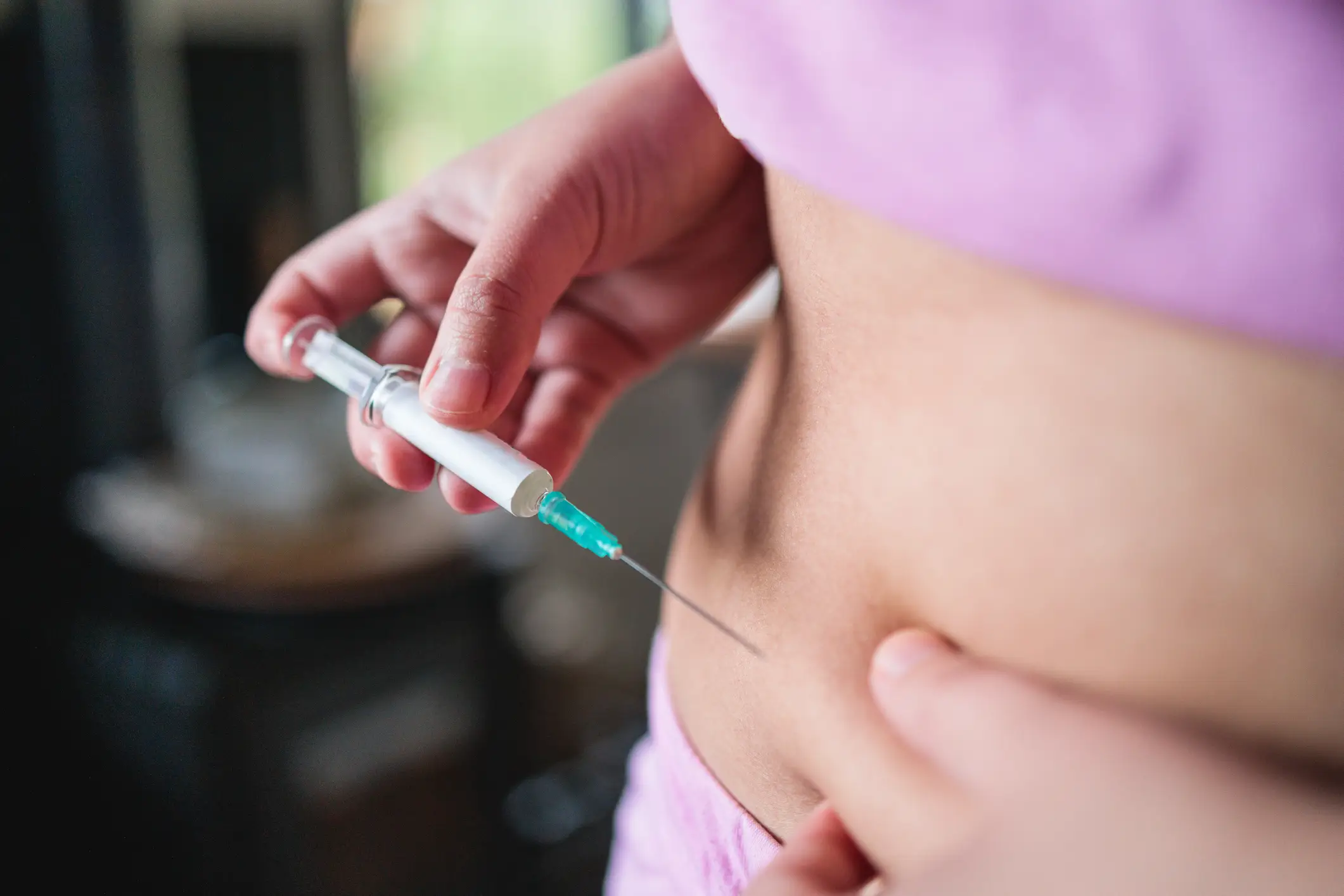
Are peptide injections safe?
"The deeper concern is what is actually being sold," she continued. "The majority of online suppliers operate as 'research chemical' retailers, a classification that deliberately sidesteps medicines regulation.
"There is no guaranteed sterility, no batch verification, no assurance the label matches what is in the vial."
Dr Ahmad noted that another risk that 'no one is talking about' is that certain compounds 'have pro-angiogenic properties that raise genuine oncological concerns'.
"Angiogenesis drives tissue repair, which is the appeal. It also drives tumour progression and metastasis," she warned. "The evidence is not uniform across every peptide, but without cancer screening, proper cycling, and medical oversight, someone with an undetected malignancy could be accelerating it. The same pathway that heals a tendon can feed a tumour."
She also highlighted that not every peptide even needs to be injected to be effective.
"In regenerative aesthetics we use evidence to guide delivery method, not trend culture," the doctor concluded. "Injecting something that works perfectly well on the surface of the skin, from an unverified supplier, is an unnecessary risk."
Topics: Beauty, Health, Life, Skincare, Social Media, Tyla Exclusive
 Rhiannon Ingle