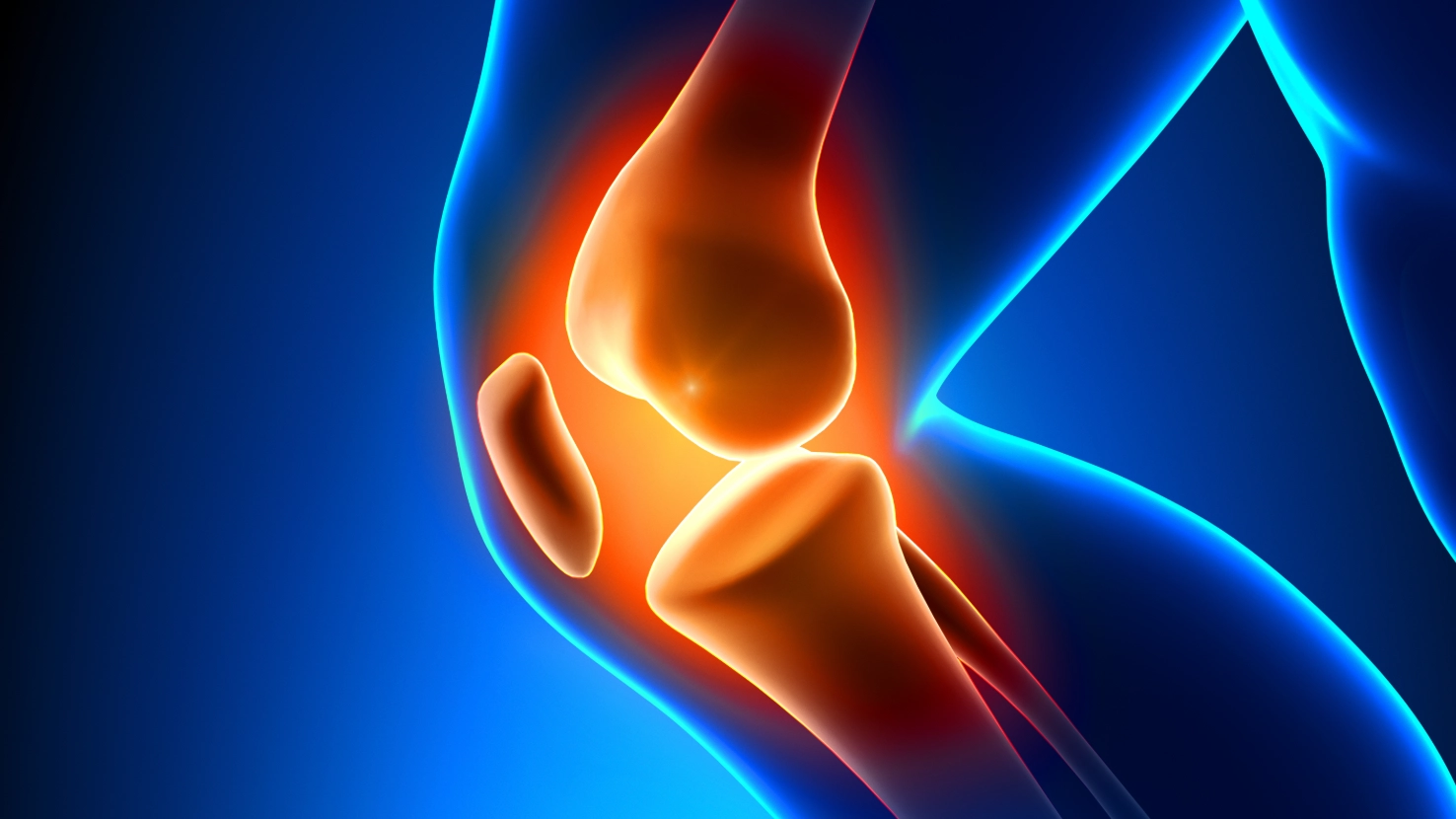
Doctor has message for anyone who has ‘clicking knees’

My clicking kneeds gang, listen up, as a doctor has just issued a very important message to us.
Such a problem is clearly not reserved just for the elderly or injured; I must admit, despite being in my 20s, I, too, frequently find my knees creaking and clicking all over the shop.
Despite, for the most part, being fairly active and leading a healthy lifestyle, many Millennials and Gen Z still experience this problematic, and somewhat embarrassing, symptom.
But what on earth are you actually meant to do about it? Well, according to Dr Amir Khan, the answer is pretty straightforward.
Advert
A listener asked the medical expert on his No Appointments Necessary podcast show if any foods or exercises can help after noticing that they have 'clicking knees'.
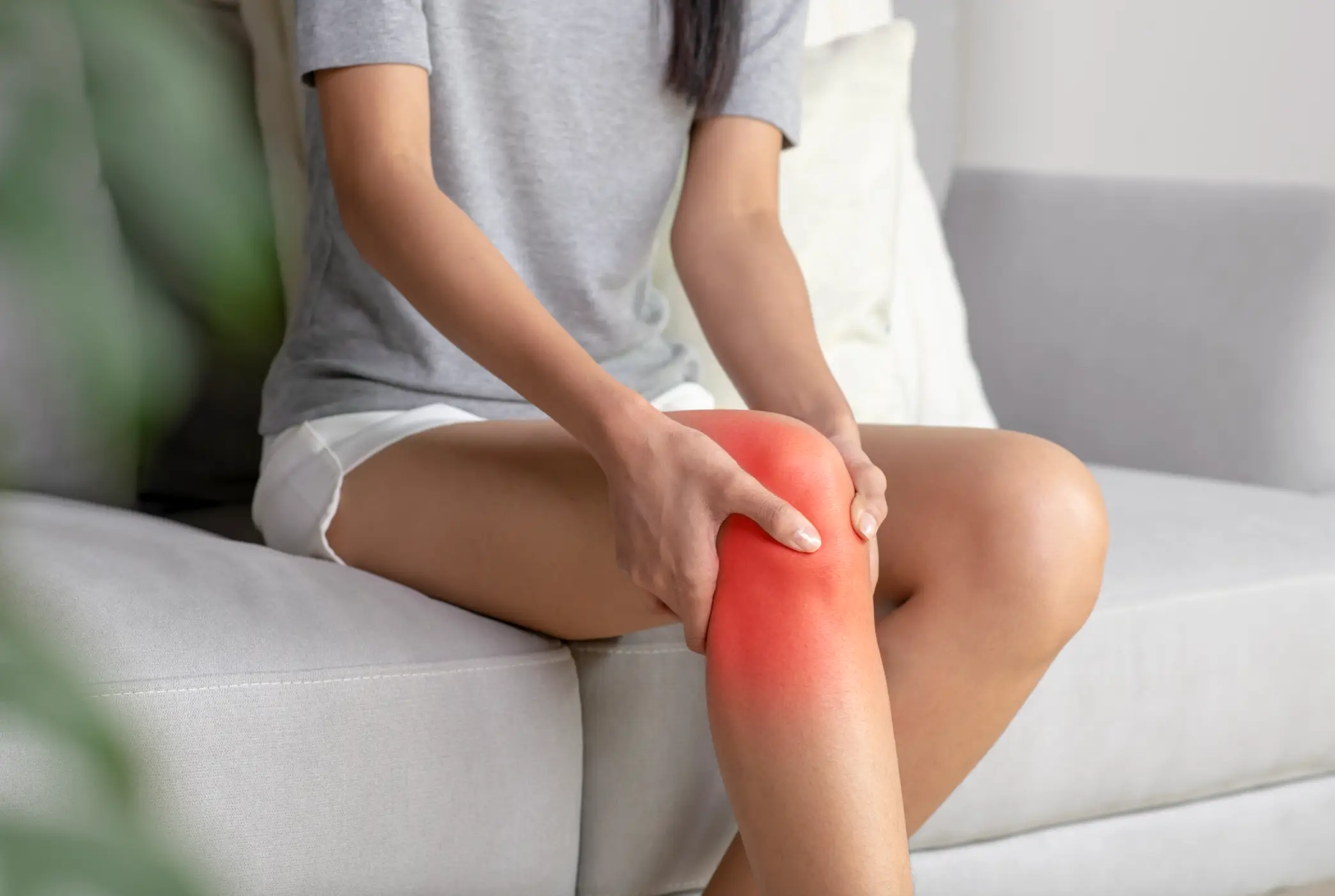
The practising GP assured that, although most cases might sound pretty unsettling, it's actually rarely a cause for concern - so long as you don't have pain accompanying the symptom.
"If it's not painful or sore, chances are it's just fluid moving around your knee as you bend down or move," he said. "Sometimes, though, you can get something called crepitus in your knee."
Dr Khan then helpfully demonstrated a super simple test to feel what's going on by placing a hand over the kneecap and extending your leg.
He did, however, refer to a health condition called osteoarthritis.
"Osteoarthritis is a condition that causes joints to become painful and stiff. It's the most common type of arthritis in the UK," the NHS notes.
The main symptoms of osteoarthritis also include:
- swelling
- tenderness
- grating or crackling sound when moving the affected joints
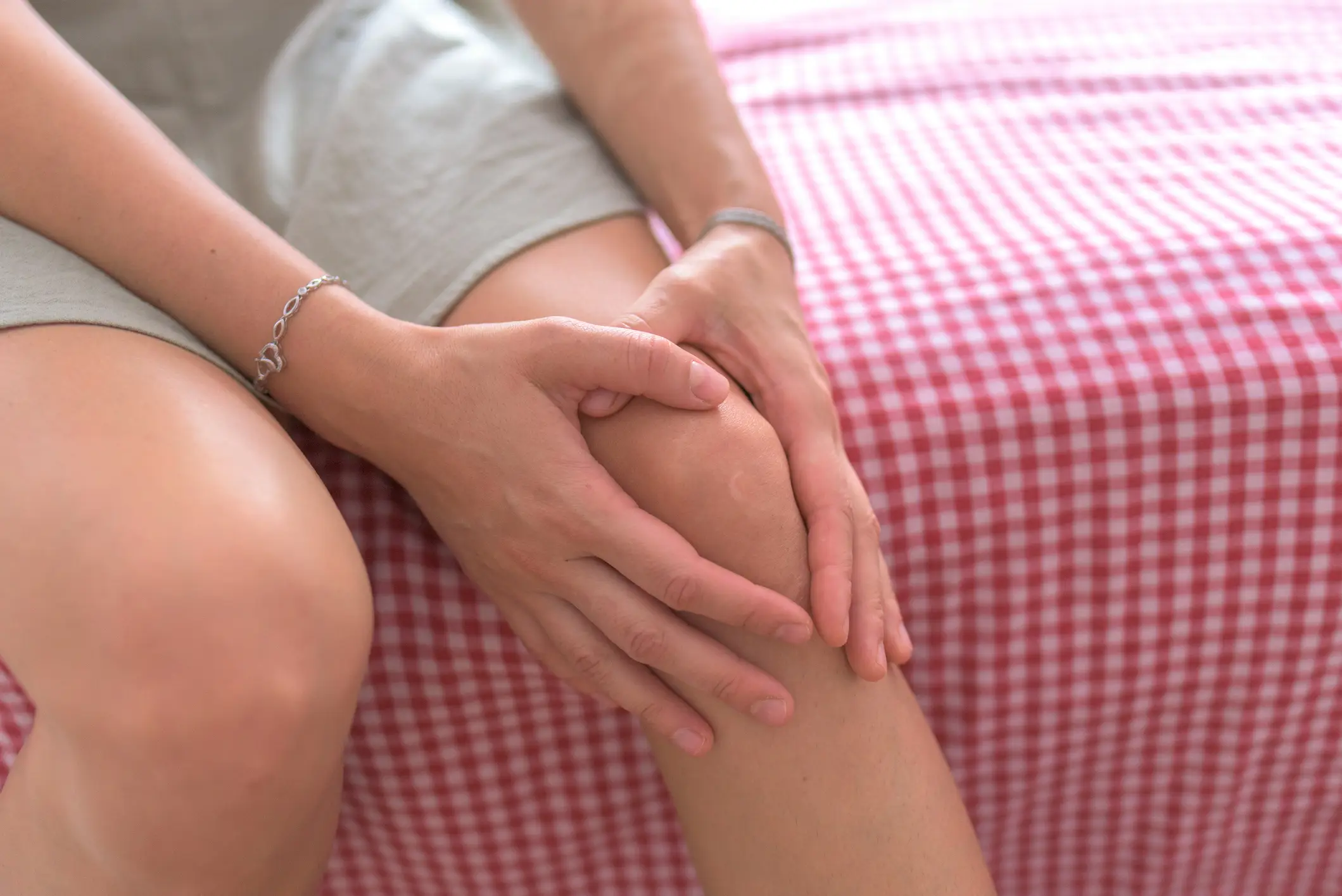
The severity of osteoarthritis symptoms can vary greatly from person to person and between different affected joints.
According to the doc, the best way to manage the condition, if this is what causes the 'clicking', is to 'keep moving'.
"Movement stimulates fluid and cushioning into that joint," Dr Khan carried on. "Keep walking, keep running, doing whatever exercise you're doing. Keep a healthy weight as well because it keeps the pressure off the joint."
He added that osteoarthritis occurs due to 'wear and tear of the joint', adding that 'it happens to all of us'.
Experts warn that you should see your GP if you have persistent osteoarthritis symptoms so they can confirm the diagnosis and prescribe any necessary treatment.
You can find out more about osteoarthritis on the official NHS website here.
 Rhiannon Ingle