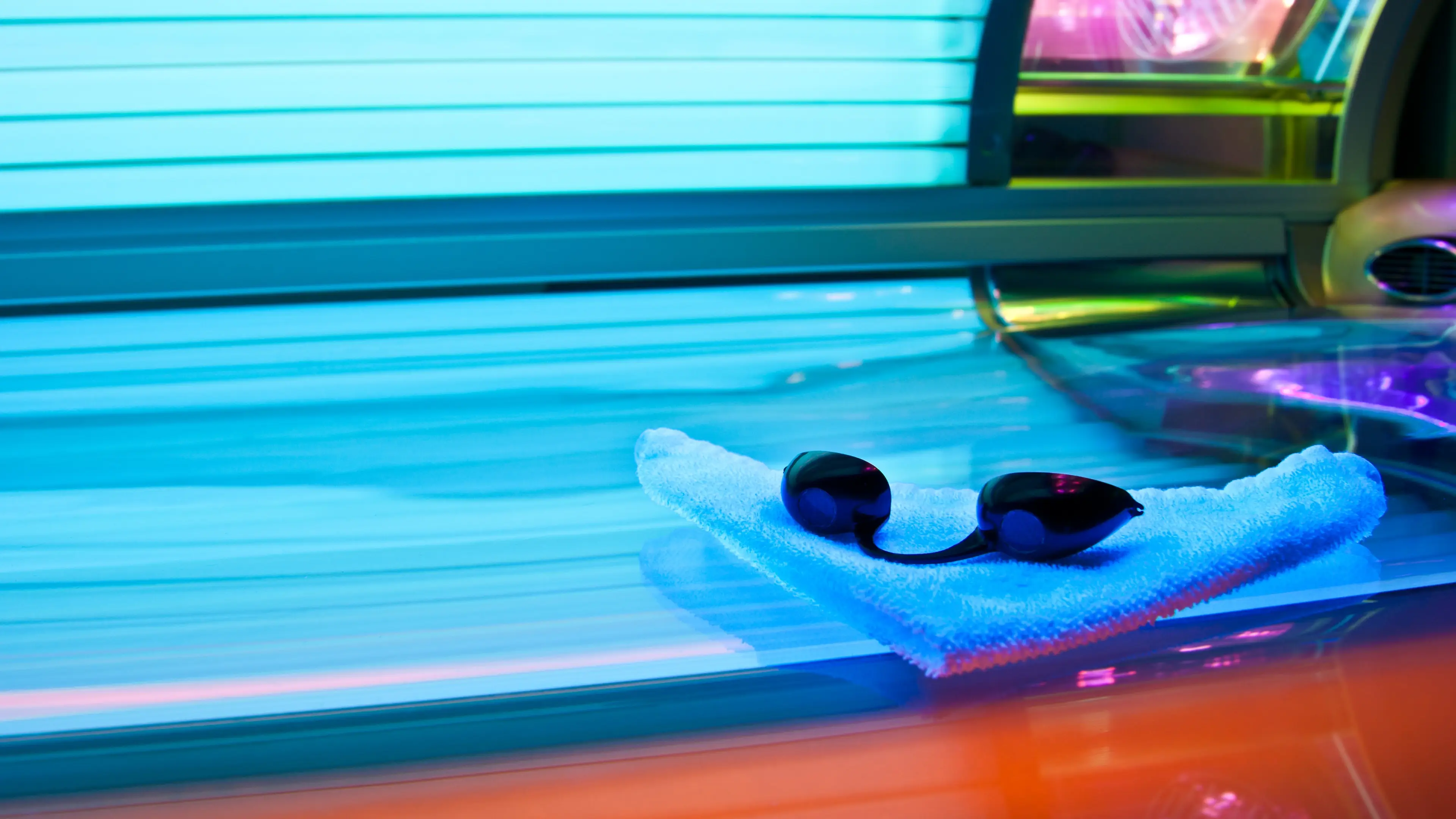
Disturbing warning you might want to listen to if you use tanning beds

Anyone who uses tanning beds has been warned that their habit could dramatically increase the risk of damaging their DNA, according to new research.
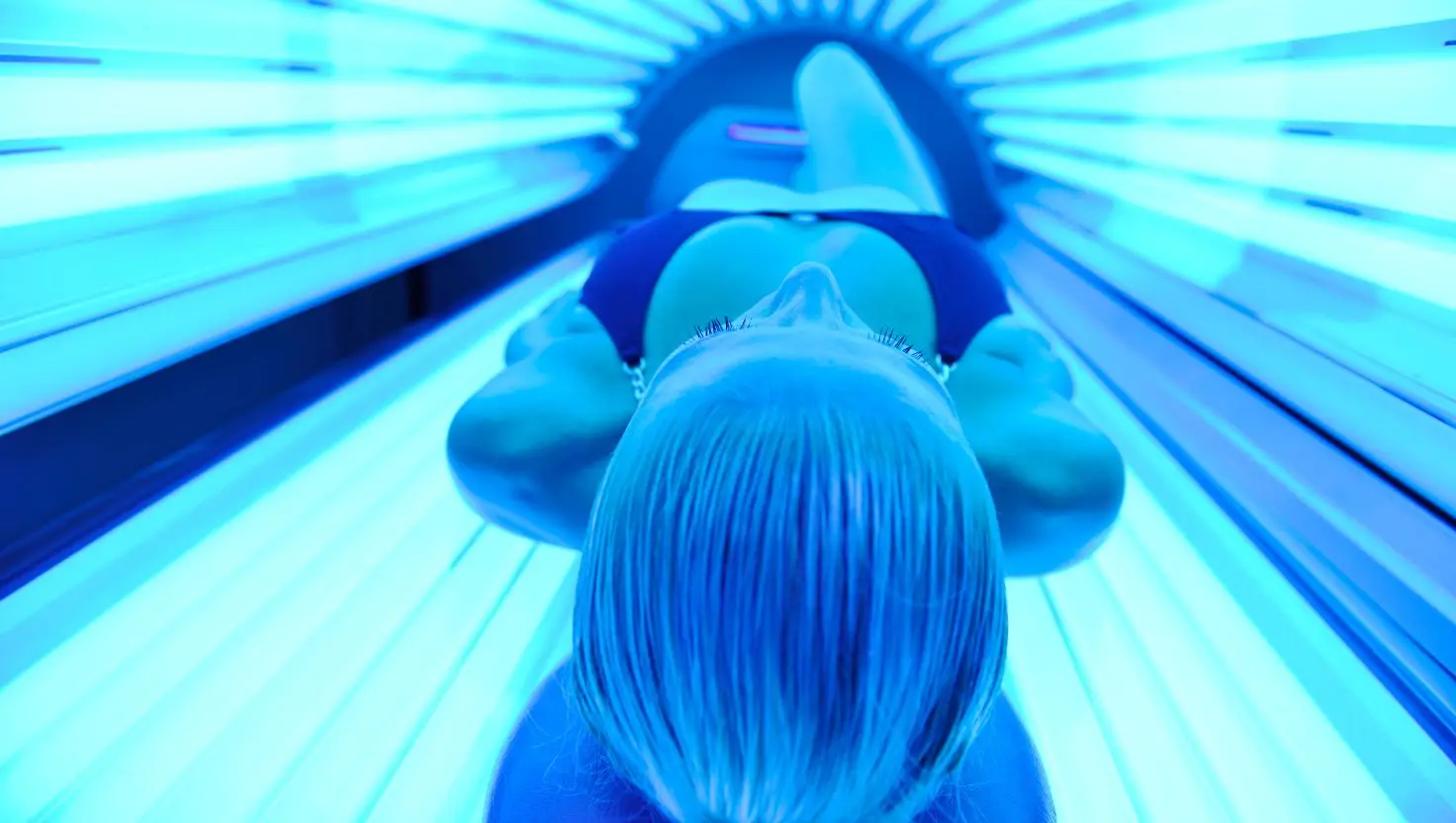
Whether you’re chasing a golden glow or are using them to manage various skin conditions, sunbeds are known to cause major health issues.
Eye damage, premature aging, sunburn, and a depleted immune system are all side effects of using tanning beds.
According to new research, the UV tubes also triples the risk of developing melanoma, the deadliest form of skin cancer.
Advert
Symptoms of melanoma include changes to a mole, freckle or normal patch of skin, according to Cancer Research UK.
Early detection (stage 1) carries a 100 percent chance of surviving for five years or more after diagnosis. 75 in 100 of those with stage 3 melanoma skin cancer are likely to survive for the same period.
For the first time, American scientists have suggested that solariums can cause melanoma-linked DNA damage across nearly the entire skin surface.
The results of the study, published in the journal Science Advances, showed that tanning bed users often have double the number of skin mutations compared to those who have never used them.
The new research also ‘irrefutably’ proves that booths help mutate skin cells far beyond the reach of ordinary sunlight, as per the researchers.
These findings were concluded after experts compared the medical records of around 3,000 tanning bed users with 3,000 age-matches controls with no history of indoor tanning.
After further study, which included sequencing over 180 skin biopsies, the researchers concluded that melanoma was diagnosed in 5.1 percent of tanning bed users.
Meanwhile, only 2.1 percent of non-users were informed they had the skin cancer.
The findings discovered that tanning bed users were more likely to develop melanoma on usually sun-shielded areas of the body, such as the lower back and buttocks.
The study, led by Dr Pedram Gerami, a professor of skin cancer research at Northwestern University Feinberg School of Medicine, also highlighted how people are often unaware of the dangers of tanning when they are young.
Heidi Tarr, a 49-year-old woman from Chicago, took part in the study after admitting she’d go on the beds two or three times a week when she was in high school.
In the UK, you must be 18 or over to use sunbeds in any commercial setting, due to the Sunbeds Regulation Act 2010.
In America, there is no blanket federal law about how old you must be to use tanning suites.
In over 30 states, including California and Texas, you must be over 18.
In Alabama, its illegal for those under 15 to use, while Georgia and North Dakota prohibit under-14s from using them.
In her thirties, Tarr was diagnosed with melanoma, and has undergone more than 15 biopsies since.
“The biopsies can be painful, but the mental anxiety is worse. You’re always waiting for the call that it’s melanoma again,” she admitted.
Following Tarr’s participation and the study results in general, Dr Gerami wants tanning beds to be restricted for over-18 to use in the US, and for them to carry similar warnings to those on cigarettes.
“When you buy a pack of cigarettes, it says this may result in lung cancer. We should have similar campaign with tanning bed usage.
“The World Health Organisation has deemed tanning beds to be the same level of carcinogen as smoking and asbestos. It’s a class one carcinogen.”
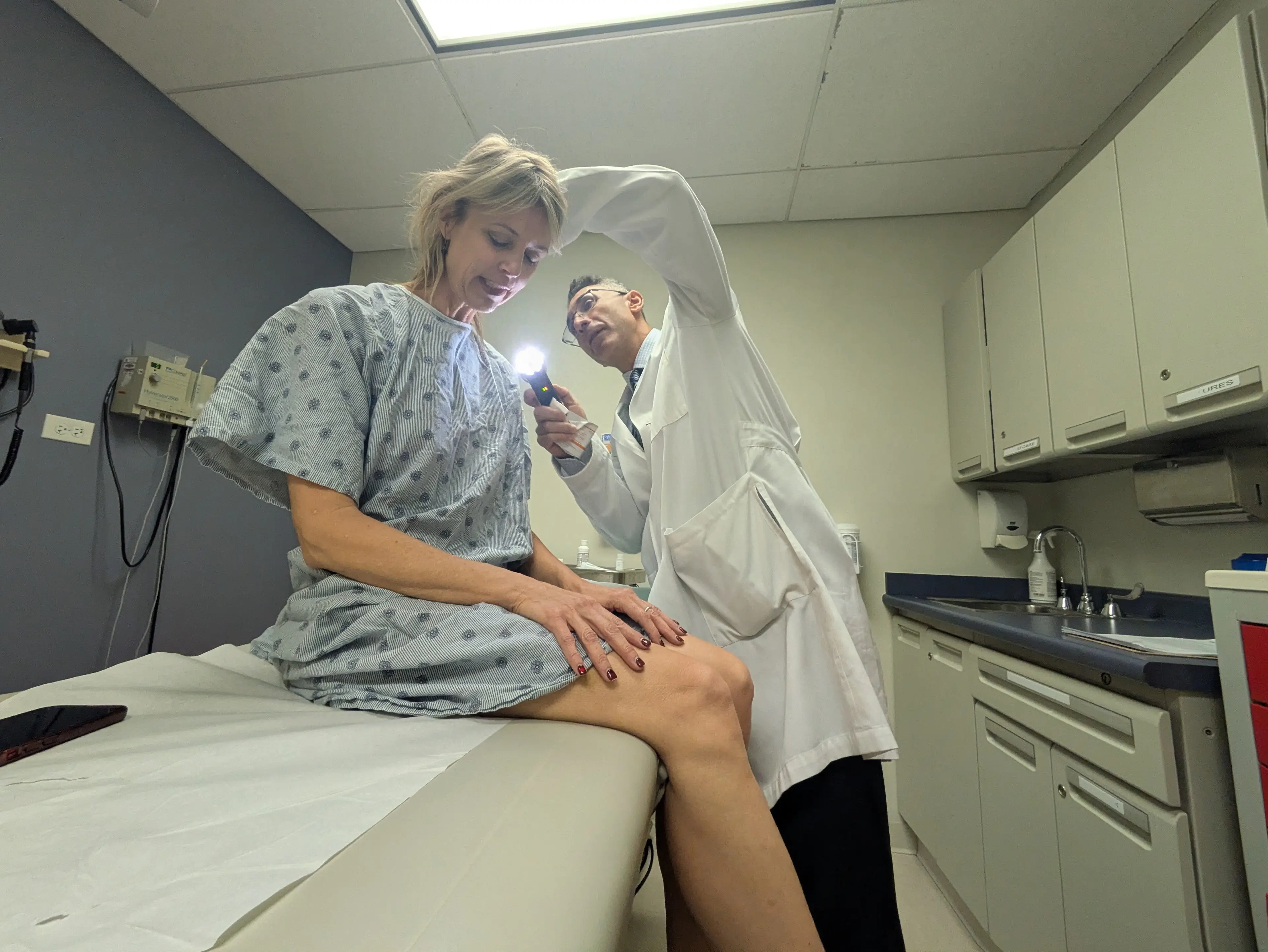
He added that anyone who frequently used tanning beds earlier in life should have a total-body skin examination by a dermatologist.
 Ella Scott