What you need to know about veganism in childhood as risks revealed

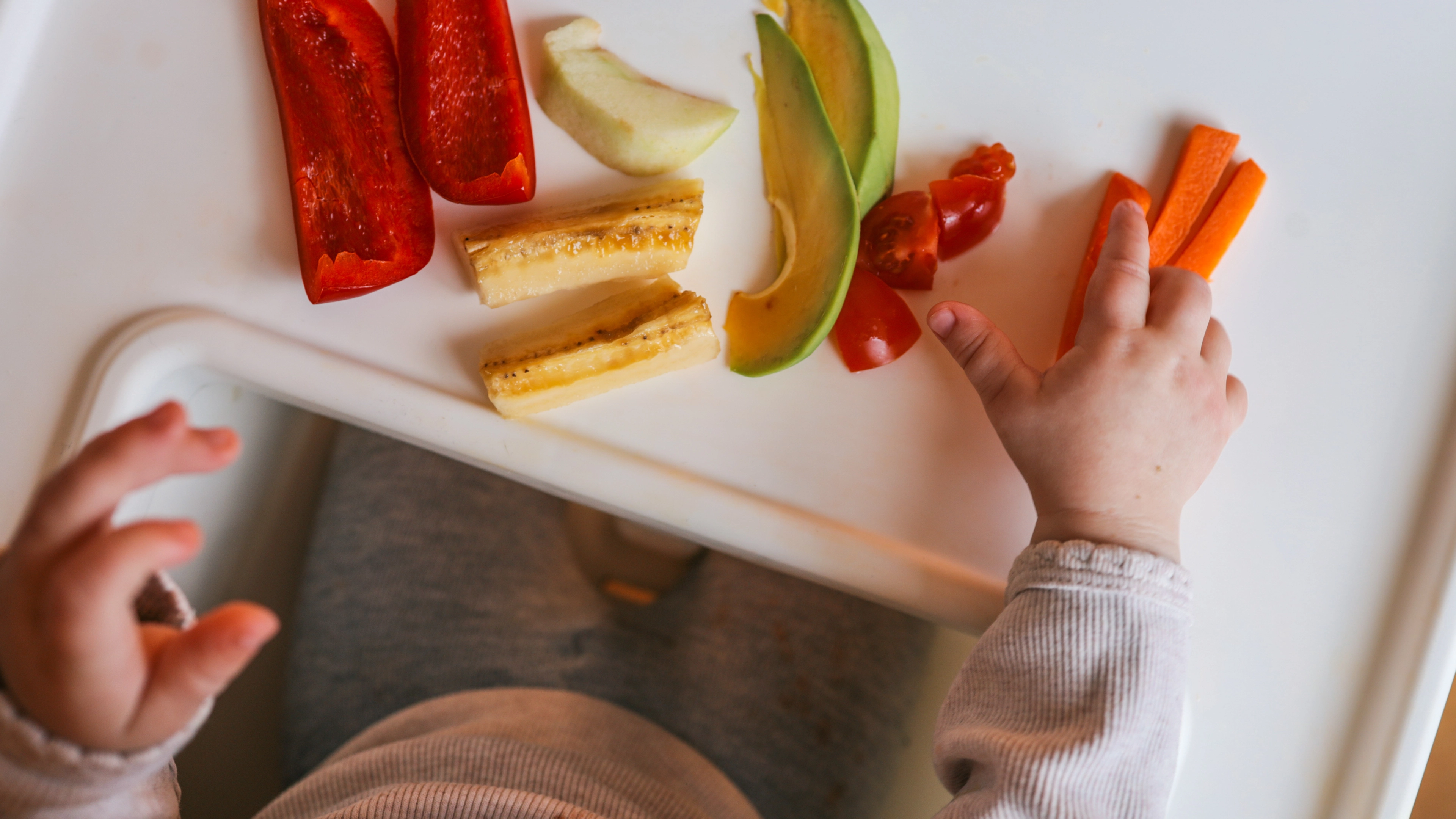
With more people turning towards a vegan diet, attention has started to turn to the risks and benefits of living plant-based and whether it is a safe option for growing children.
A recent survey by The Vegan Society has that around three percent of the UK population are now vegan, with reasons such as health, ethics and the environment all playing a part.
Despite the benefits of a vegan diet, there are concerns about the suitability of children eating solely plant-based and whether there are any implications in doing so.
According to the BBC, there are 10 things you need to know if you're thinking of adopting a vegan diet for your kids.
Advert
What are the health benefits?
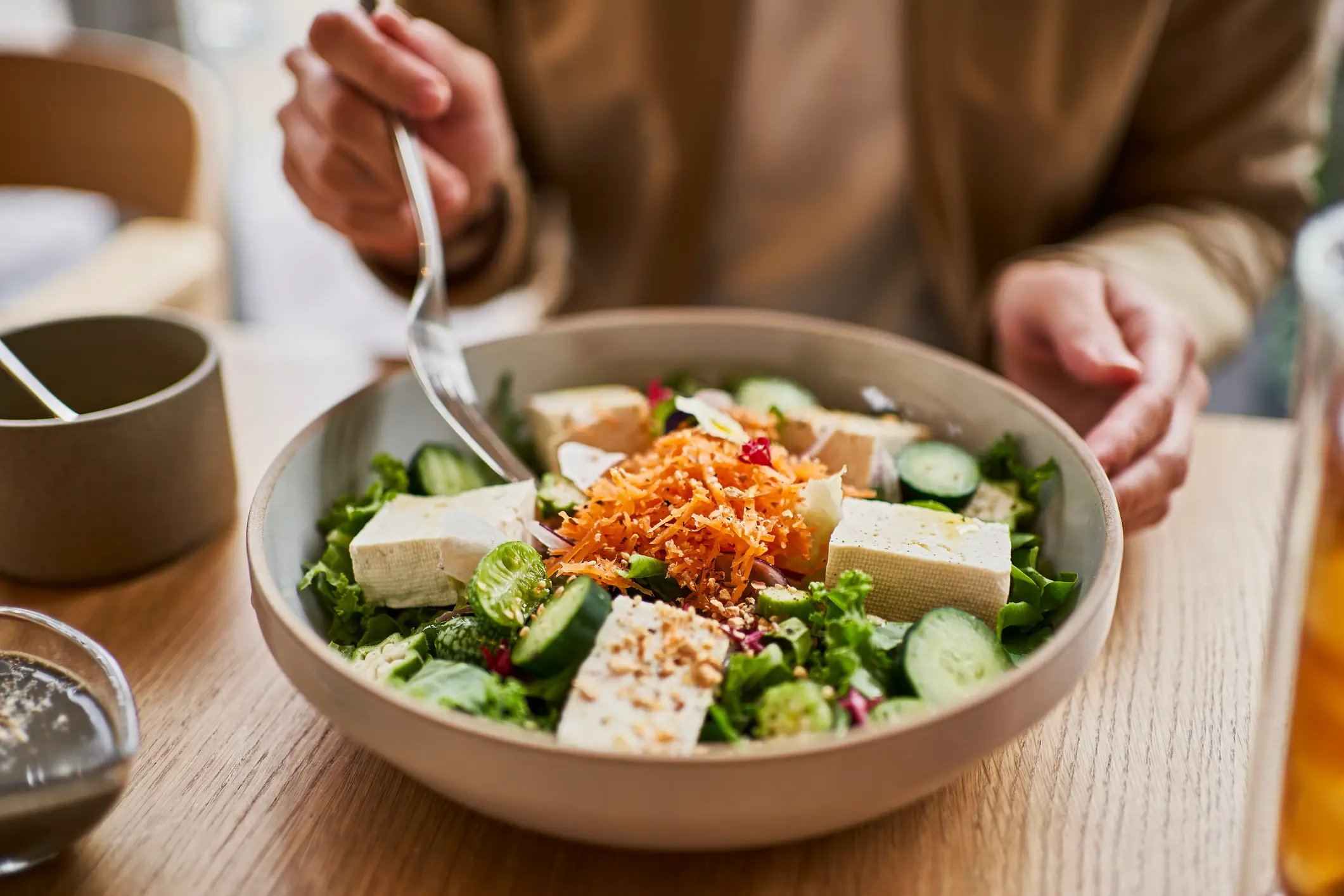
There are multiple health benefits to eating a plant-based diet, including reducing your risk of heart disease, stroke and diabetes, as well as boosting your immune system.
"The biggest benefits we see relate to cardiovascular health, so the health of your heart and all of your vascular system," Federica Amati, a nutritional scientist at Imperial College London and head nutritionist at ZOE told the BBC.
"People who follow vegan diets have decreased LDL cholesterol, less blockages in their arteries, and reduced risk of heart attack and strokes. They also tend to be leaner, lighter and have a lower risk of developing obesity."
Beware of the B12 deficiency
Many vegans are not getting enough vitamin B12, which is found in animal products such as meat, dairy and eggs.
B12 is used in the body to make and support healthy nerve cells, as well as red blood cells.
Symptoms of B12 deficiency can include shortness of breath, headaches, heart palpitations, problems with your vision and issues with memory.
It can also cause symptoms that affect the brain and nervous system, including numbness, muscle weakness, psychological problems, issues with balance, pins and needles, and incontinence.
Sources of omega-3
Fatty acids are often associated with oily fish, however, another type of omega-3, called alpha-linolenic acid (ALA), is found in chia and flax seeds and in leafy greens.
Meanwhile, certain nuts and soybeans are also an alternative source.
However, it is EPA (eicosapentaenoic acid) and DHA (docosahexaenoic acid) - which is found only in fish - that have been linked to a reduction in the risk of heart disease.
Severe deficiencies in children are rare
There have been some reports of serious deficiencies in children, although these are rare. For example, in 2016, a vegan child living in Milan was found to have dangerously low levels of calcium.
Meanwhile, a 19-month-old was taken into care after being severely malnourished after her Australian parents gave her a 'completely inadequate' vegan diet.
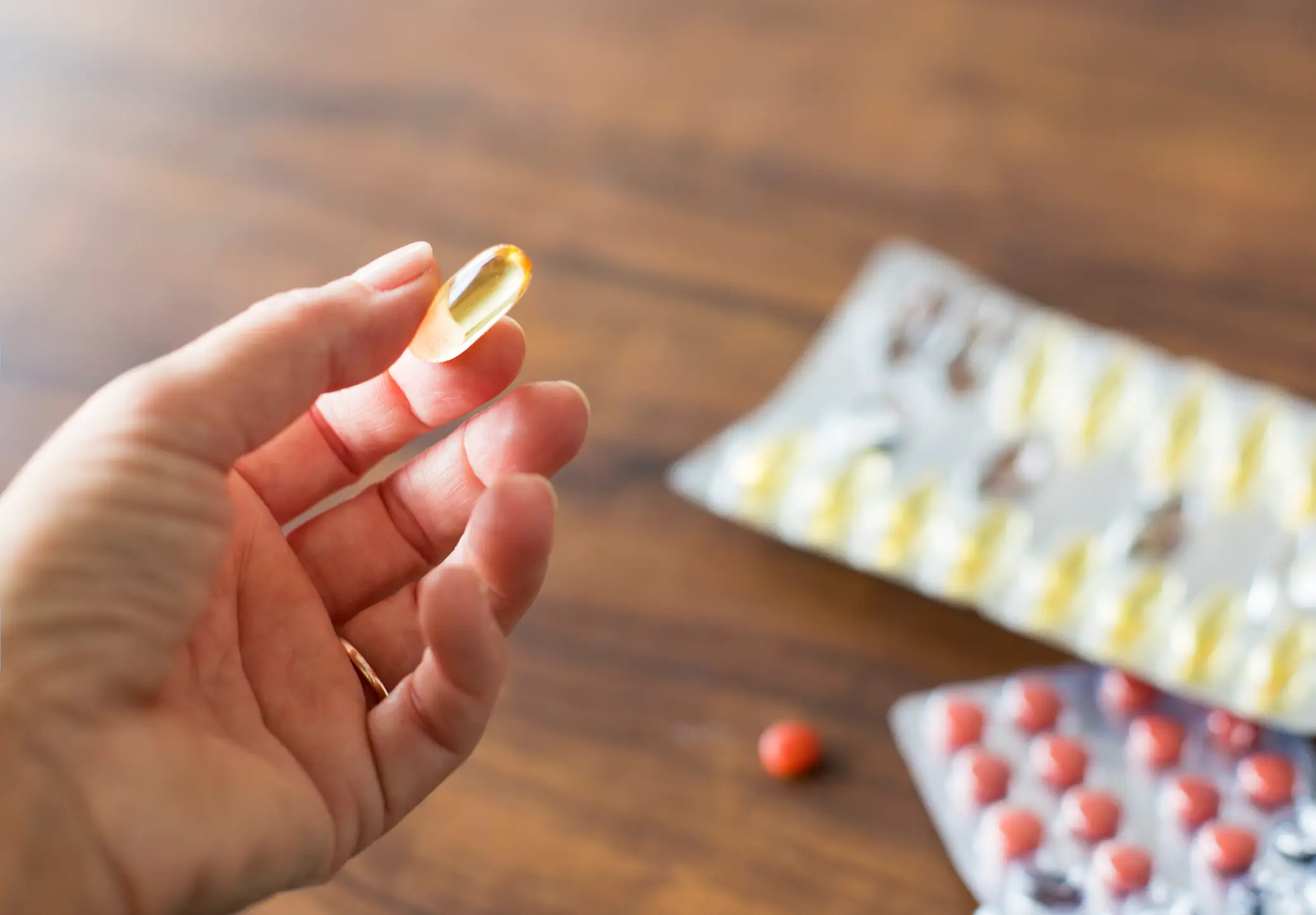
It's important to note that these cases are rare and that many deficiencies can be successfully supplemented with careful planning and monitoring.
Planning is crucial
A study from 2021 revealed that vegan children had lower calcium levels and were more at risk of deficiencies in iron, vitamin D and B12.
However, the children on a plant-based diet had lower cholesterol levels and reduced inflammation.
The study has highlighted the need for careful planning when it comes to supplementing a vegan diet in children.
Vegan children might be shorter
The study, conducted by Malgorzata Desmond, a clinical dietician and honorary research fellow at University College London, revealed that vegan children were on average between 3-4cm shorter, although still a normal height.
"They have a tendency to be slightly smaller and lighter, but we don't know if those vegan children are going to catch up when they're teenagers," said Desmond.
Added to this, the study revealed that vegan children had a six percent lower bone mineral density.
The reason why isn't totally clear, with Desmond adding: "I think it's a combination of factors.
"I don't think it's as easily solved as taking a calcium pill, because it could be due to the quality of plant protein, which is less growth promoting than animal protein."
A vegan diet is believed to be safe for kids
Experts generally agree that a vegan diet for children is safe, as long as it is conducted responsibly and monitored.
Tom Sanders, from King's College London, told BBC: "We showed years ago that kids could be brought up in on vegan diet, providing you avoided the known pitfalls."
Some foods are fortified with vitamins
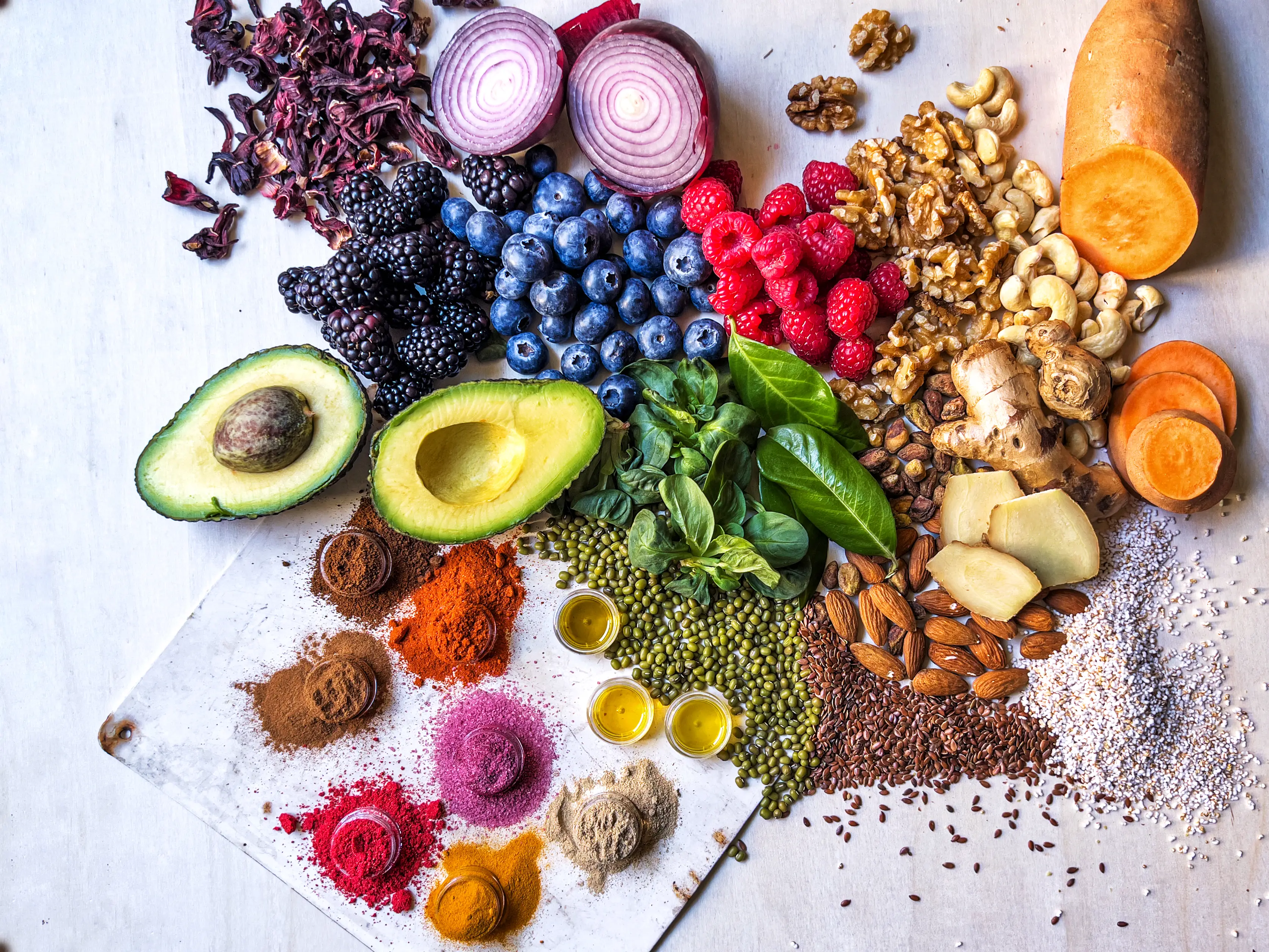
When looking to add important nutrients, the likes of fortified cereals and plant-based milks and yoghurts are a good starting point to boost calcium, B12 and vitamin D.
For increasing iron levels, legumes like chickpeas, lentils and beans, as well as leafy greens and dried fruits, taken alongside foods rich in vitamin C, are a good option.
Avoid ultra-processed
A vegan diet can be unhealthy if a person is only eating processed vegan meats and cheeses, for example.
While there are lots of foods out there marketed at being vegan, it's best to try and get a wide-ranging, balanced plant-based diet where possible.
Do your research
Knowledge is key, and the experts have emphasised the need to be equipped with research regarding the important nutrients that could be missed in a vegan diet.
Speaking with an expert, such as a nutritionist, and monitoring your child is also advised.
Topics: Food and Drink, News, Parenting, Health
 Lucy Devine