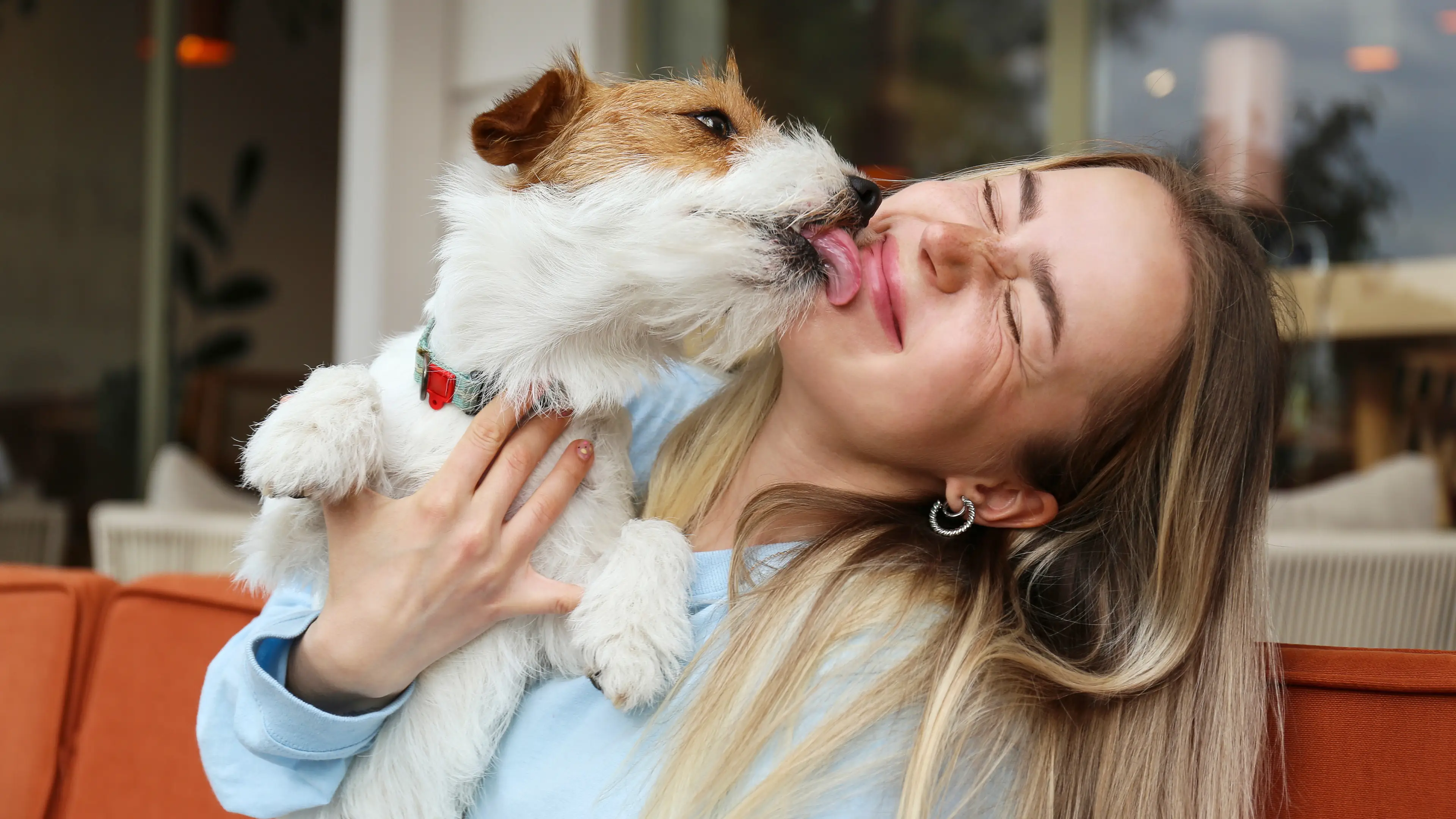
Expert issues stark warning to anyone letting their dog kiss them

If you let your dog lick your face, there’s something you’re going to want to know.
Sometimes, people like to have man’s best friend a little closer than they would any other animal. And when it comes to dogs, they really are part of the family, but how close is too close?
We all know someone who kisses their pooch and even allows their dog to kiss them back. However, letting your dog lick your face could come with some scary hidden dangers.
If you didn’t already know, dogs’ mouths are pretty dirty as they can hold microorganisms that are low risk to pass on to humans, but not impossible.
Advert
Dr Aimee Warner, a veterinarian at Waggel, spoke to the Daily Record about why you need to stop kissing your pet, even if they are super adorable.
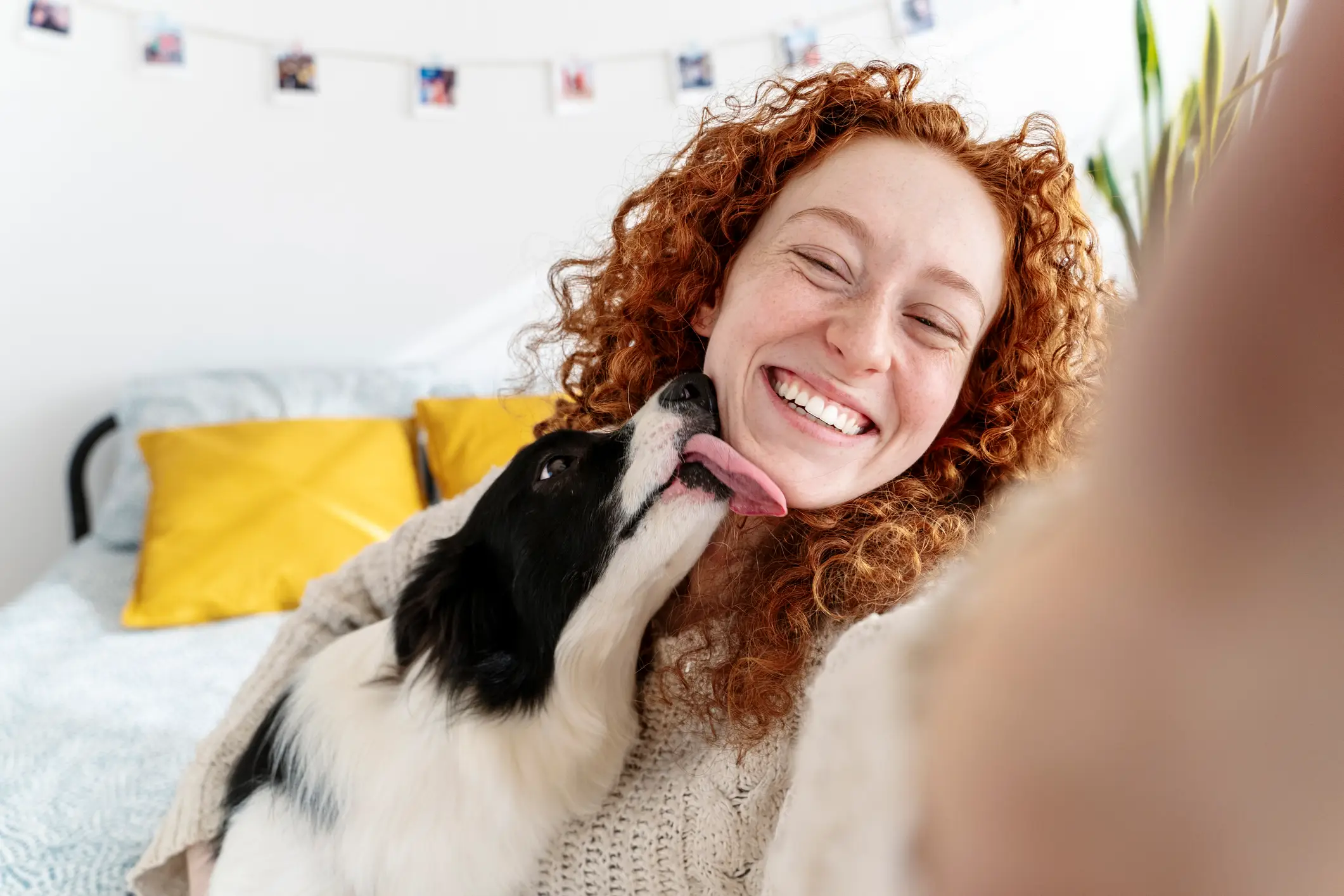
"Whilst we all love to show affection with our pets, it's important to understand what might be transferred during those face licks," she said. "Dogs' mouths harbour numerous bacteria, including Capnocytophaga canimorsus, which can cause serious infections in humans in rare cases."
Capnocytophaga infections are extremely rare, with Scandinavian countries reporting that 0.5 to 0.7 people out of every million are affected each year.
In the US, the disease is not generally tracked; however, as of 2018, approximately 500 cases of Capnocytophaga infection had been reported.
According to the expert, individuals with weakened immune systems are at a higher risk of contracting Capnocytophaga and are more likely to develop a serious illness due to the bacteria.
Those who are elderly, without a spleen, or have liver disease or who consume alcohol excessively might also face an increased risk.
For those who do end up developing it, it could be deadly.
The initial symptoms of Capnocytophaga include redness, soreness around a wound site or sore, followed by fever, diarrhoea, vomiting, and headaches.
When Capnocytophaga enters the bloodstream and it’s not treated, it can ultimately lead to sepsis, gangrene, kidney failure, or even a heart attack.
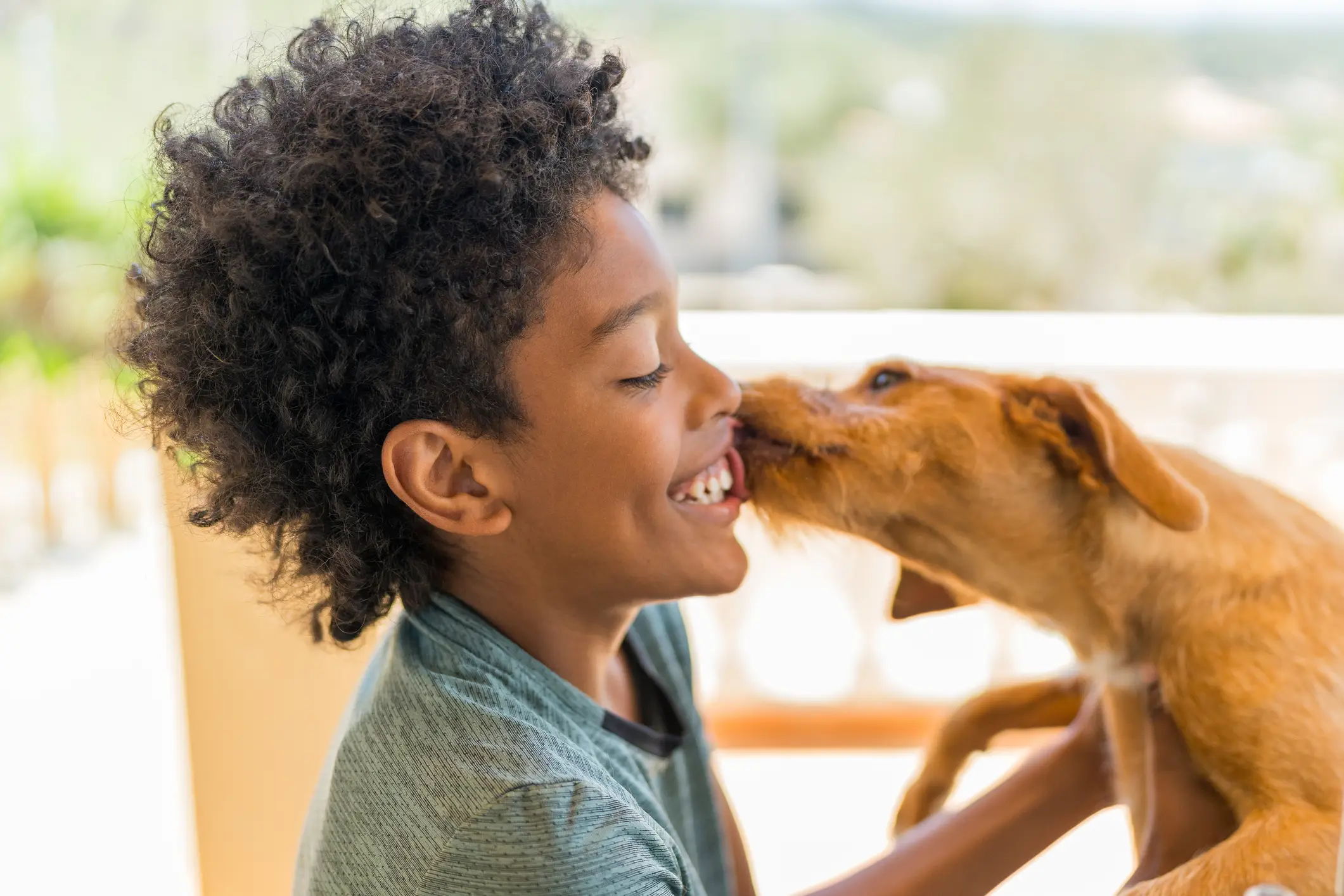
For this reason, Dr Warner says you should redirect the dog to lick other less sensitive areas, like your hands.
You should also wash your face and hands after touching your pets and keep your pets up to date with their vaccinations and dental check-ups.
"The bond we share with our dogs is built on love, loyalty, and daily connection," Dr Warner added. "We don't need to shy away from that closeness, but we do need to understand the health implications that come with it.
"With some awareness and simple hygiene, we can continue enjoying our pets' affection safely and confidently."
 Britt Jones