
Women are taking cough medicine to get pregnant as experts explain if bizarre fertility hack works

If you're trying to get pregnant, you'll probably have heard just about every supposed fertility hack going.
From 'fertility juices' to lying with your legs in the air after sex, the internet has no shortage of advice for hopeful parents-to-be.
But one particularly bizarre trend has been making the rounds on TikTok lately, with an increasing number of women taking cough medicine in the hope that it will aid conception.
Videos claiming that the trick has helped women get pregnant have been racking up attention online, with some users crediting medicines containing the expectorant guaifenesin for their positive pregnancy tests.
Advert
One user, @lauren.theearleybaker, recently told her viewers, 'Cough medicine - and before you come for me, yes, I know it's anecdotal; however, the first time I tried it, I had a cold, but I got pregnant.
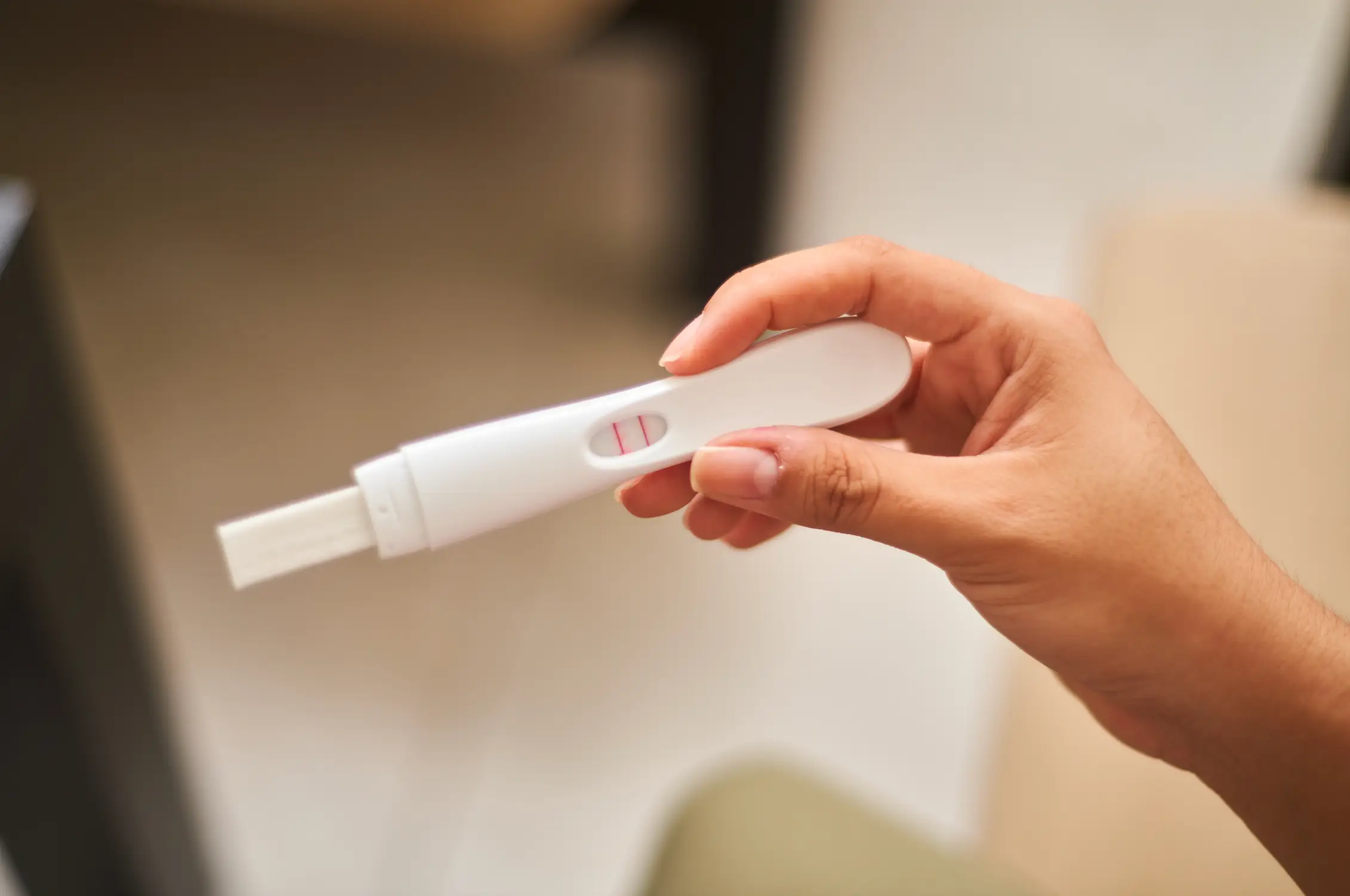
"Sadly, it ended in a miscarriage, but the second time of trying it was very, very intentional, and I've got my little rainbow baby."
Another user, @cecemariee, added: "Second, the cough medicine. Tried for 3 months, no results; the month me and him took Benadryl mucus cough syrup during ovulation, we got the positive test. Our babygirl is due in June!"
The online conversation has since caught the attention of a number of healthcare experts, who've been forced to speak out over whether this handy 'hack' actually works.
Unfortunately, however, the short answer to this vital question is no.
According to experts at Access Fertility, there's no solid evidence that taking cough medicine increases your chances of getting pregnant.
"This myth about cough medicine helping you get pregnant comes from a belief that the ingredient that thins the mucus causing the cough can help to increase your fertility by thinning the cervical mucus," their in-house experts explained. "This then makes it easier for the sperm to get to the egg.

"There’s (obviously) no scientific proof for this, so we can breathe a sigh of relief that we don’t need to go guzzling disgusting, expensive cough syrup."
The ingredient the team referred to is guaifenesin, an expectorant which has long been understood to thin the mucus in the airways when a person is suffering from a cold, making phlegm easier to cough up.
The theory behind the fertility hack is that it could have a similar effect on cervical mucus, the fluid produced around the cervix which changes throughout the menstrual cycle, and that ovulation, with rising oestrogen, causes cervical mucus to become wetter, thinner and more slippery. The theory suggests that this creates a more sperm-friendly environment and helps sperm travel through the cervix towards the egg.
Just because there's a lack of support for the suggestion doesn't mean experts are saying that cervical mucus doesn't matter at all.
It's just that changing cervical mucus is not the same thing as increasing fertility.

The Merck Manual agrees, pointing to the lack of evidence that medications used to thin cervical mucus improve fertility.
There is even some newer research looking specifically at guaifenesin during ovulation-induction treatment, with a 2026 randomised controlled trial involving women taking clomiphene finding differences in cervical mucus and other reproductive measures.
The study concluded, however, that the effects of guaifenesin on cervical mucus, the uterine lining and pregnancy outcomes remained unclear.
Then there's the issue that taking a medicine simply because you're trying to conceive isn't exactly harmless.
UK medicine information says there is limited information on guaifenesin use during pregnancy, and some guaifenesin products are specifically not recommended during pregnancy.
So, while the TikTok theory has a surprisingly interesting scientific backstory, it seems largely anecdotal, meaning there's currently no reason to raid the medicine cabinet in the hope of getting pregnant.
Topics: Health, Women's Health
 Rhianna Benson