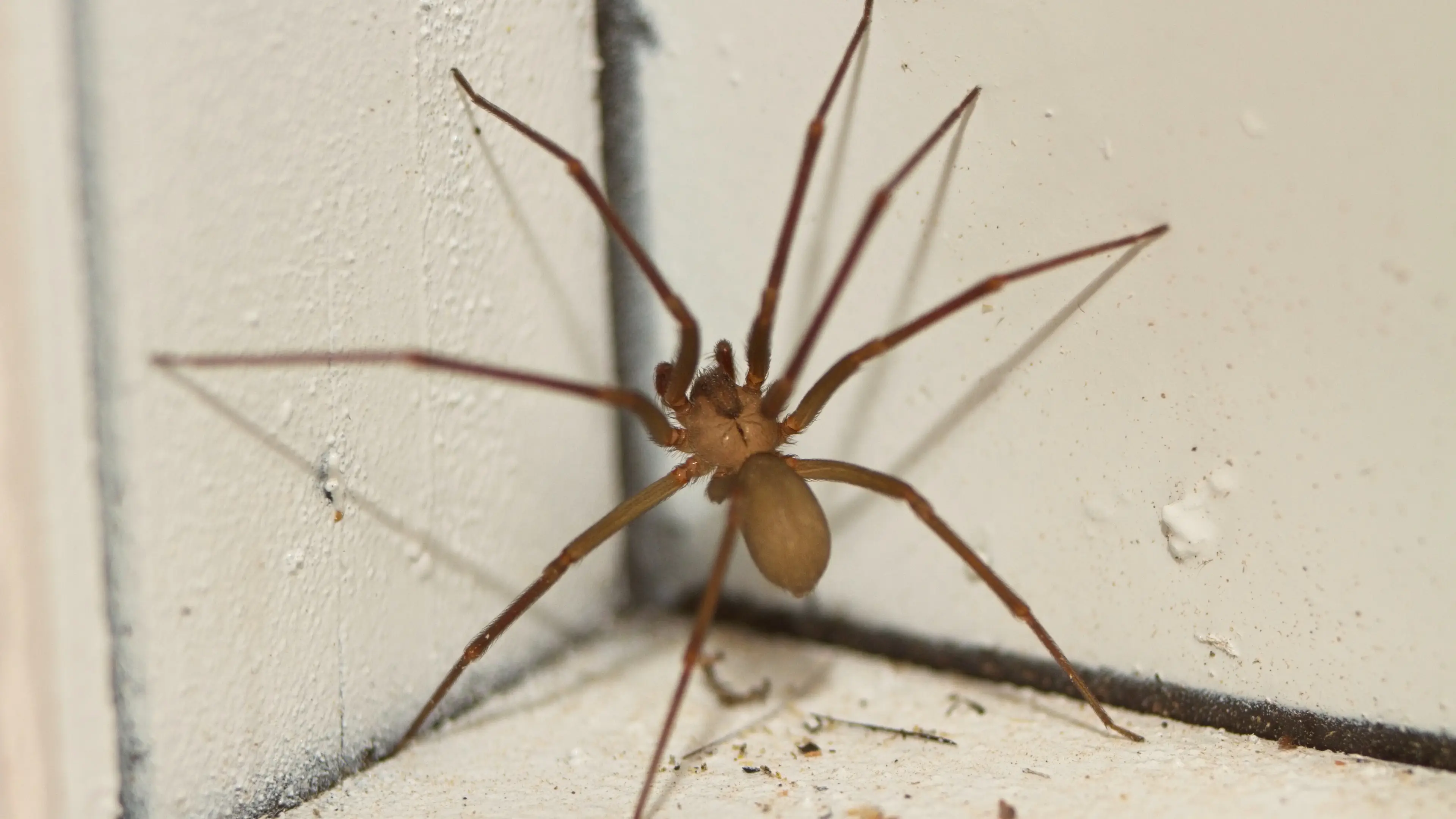
Family discover they’ve been living with 2,000 spiders - and scientists are stumped over one detail

A family found out they had been living with a civilisation of spiders have left scientists scratching their heads over one thing.
Hypothetically, what would you do if you found out your home was also housing 2,000 eight-legged creatures?
For me, I’d burn the whole place down or at least move out immediately and seek shelter at a bus stop.
But if you don’t know, it can’t harm you, right?
Advert
Oddly, this is the exact thing that’s left scientists stumped.
The family from Lenexa, Kansas, US, ultimately discovered they had 2,055 brown recluse spiders within their property and 400 of them being venomous kinds after noticing spiders milling about every now and then.
It took five years for them to figure out they were the dangerous species, and pest control was ultimately called.
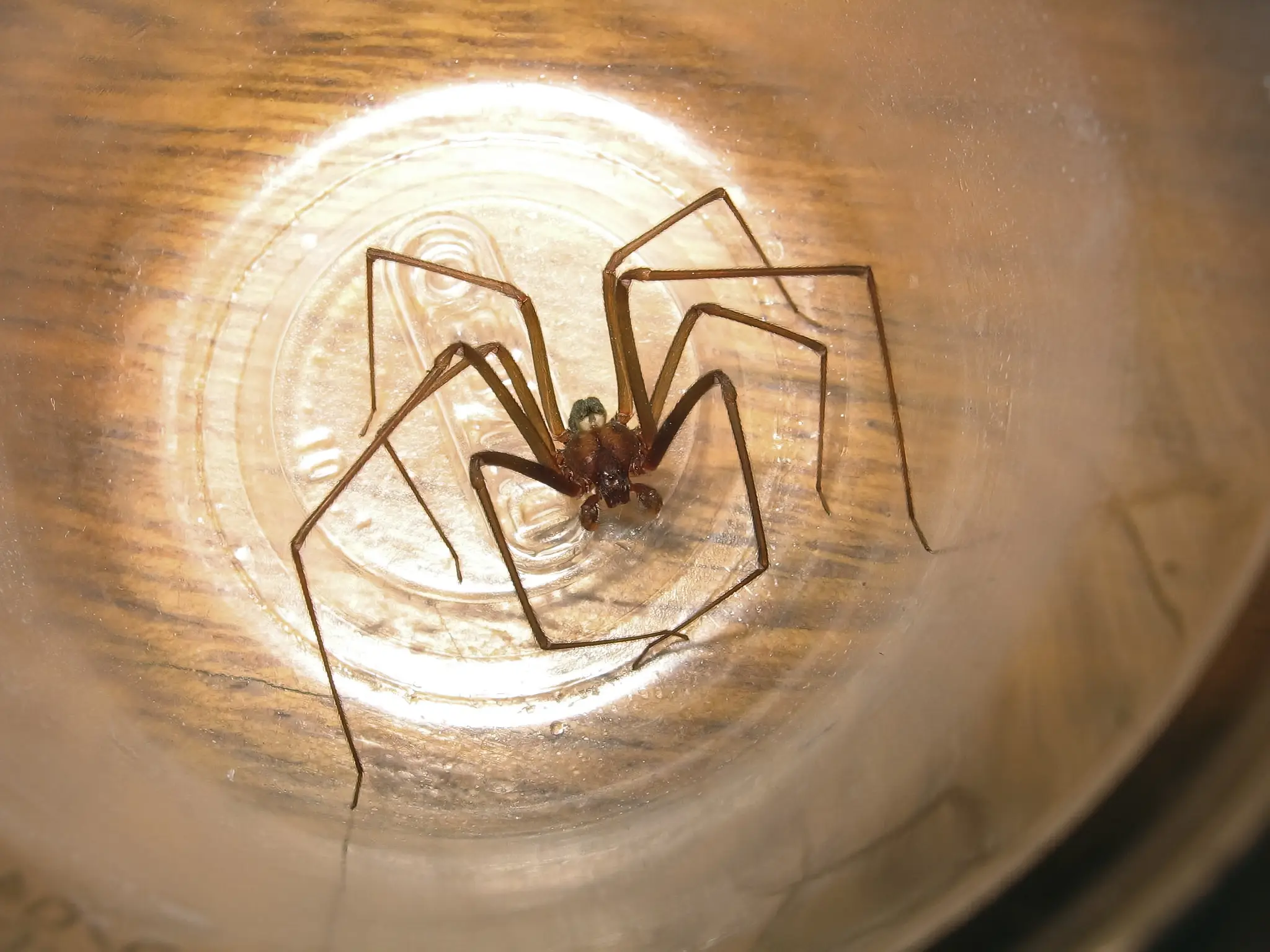
However, nobody could have expected just how many were hiding there.
Brown recluse spiders are actually masterminds of hiding in homes, as they typically curl up into corners and hide inside of furniture where you’re unlikely to see.
Just a few weeks ago, I saw a woman in the UK breaking down her divan bed and hoovering hundreds of spiders out of her room because of this exact issue.
However, brown recluse spiders pack a nasty bite, so how did they go unnoticed for so long?
Well, scientists studying the case noticed that no one in the home was ever bitten.
Brown recluse spiders are venomous; however, the bites typically only cause blistering or swelling for around a week - though in some severe cases it can take months to heal.
It can cause terrible infections to the site which requires hospital treatment, but it’s not often it happens.
It took scientists three months to finally get rid of them all, and that included working through the night with two people available to catch as many as possible.
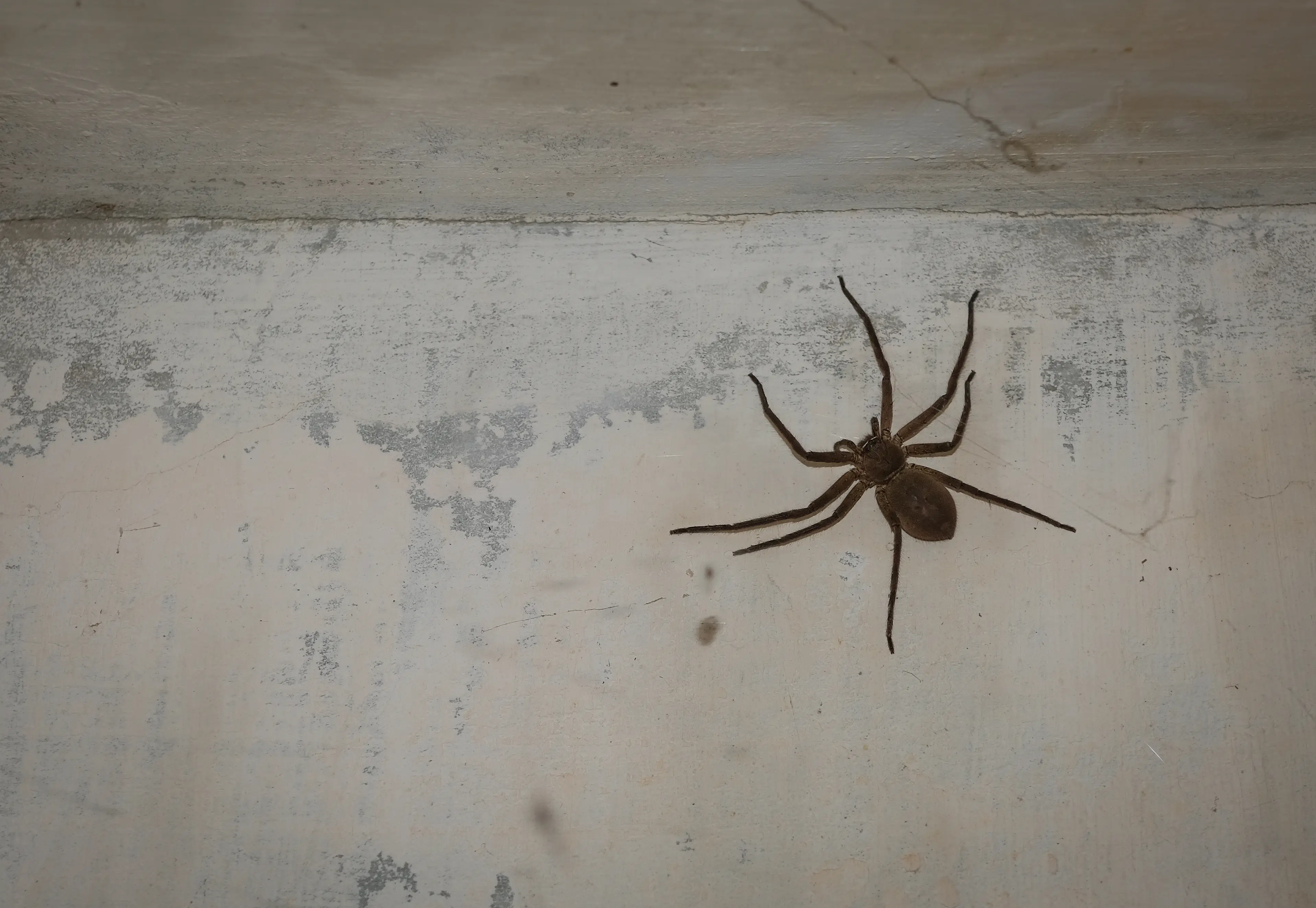
Most were captured alive and released elsewhere, some were killed to prevent them from escaping.
After six months 2,055 spiders had been collected, with most of them being noted as being small.
Thankfully, brown recluse spiders don’t typically become venomous until they are 5mm in length.
The study of the case was ultimately published in the Journal of Medical Entomology and believe that 488 of the spiders could have been venomous.
"Despite a conservative estimate of 400 envenomation-capable brown recluses in the Kansas home (≈20 percent of the total recluses captured), no envenomations of the occupants occurred," the study said.
 Britt Jones