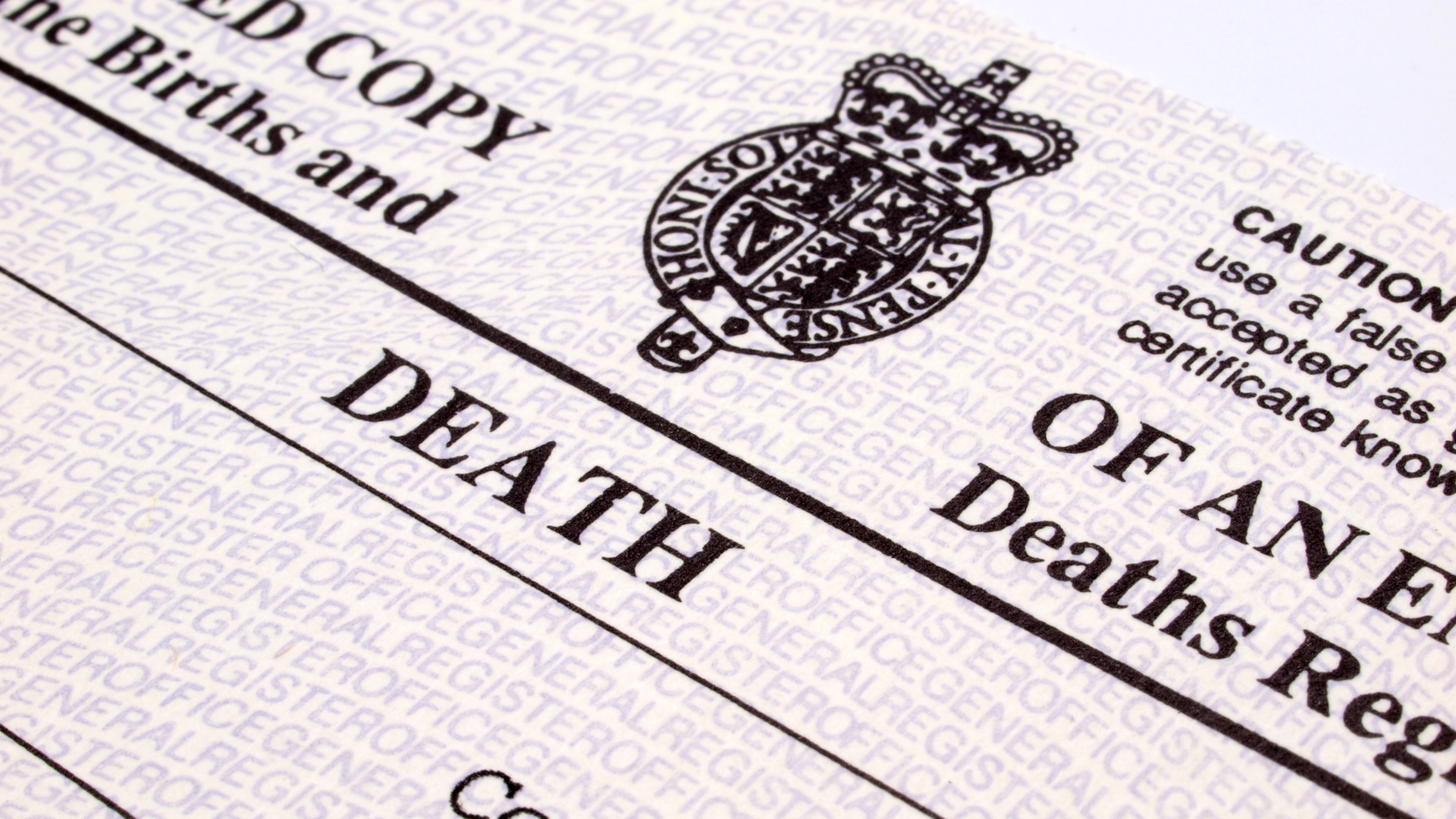
What medical professionals have to put on death certificates after an assisted death

Warning: This article contains discussion of suicide which some readers may find distressing.
The controversial topic of assisted dying has been sparking conversation recently as a few cases from around the world have made the headlines.
German entertainers Alice and Ellen Kessler, more commonly known as the Kessler twins, died by assisted suicide at the age of 89 on Monday (17 November).
The newspaper Bild reported that the twins left the world together using this method, which is permitted under certain conditions in Germany, as they 'no longer wanted to live'.
Advert
Meanwhile, a 25-year-old Australian woman battling a 'debilitating' disease has opened up on why she wants to go ahead with voluntary assisted dying.
Annaliese Holland was diagnosed with Autoimmune Autonomic Ganglionopathy, a neurological disorder whereby the nerves responsible for heart rate, blood pressure, digestion and urination become damaged, at 18-years-old.
By 22, she was tragically informed her condition was terminal and in the last three years, she has battled multi-organ failure and has survived sepsis 25 times, as well as fractured her spine in four places, split her sternum, and almost crushed her heart and lungs.
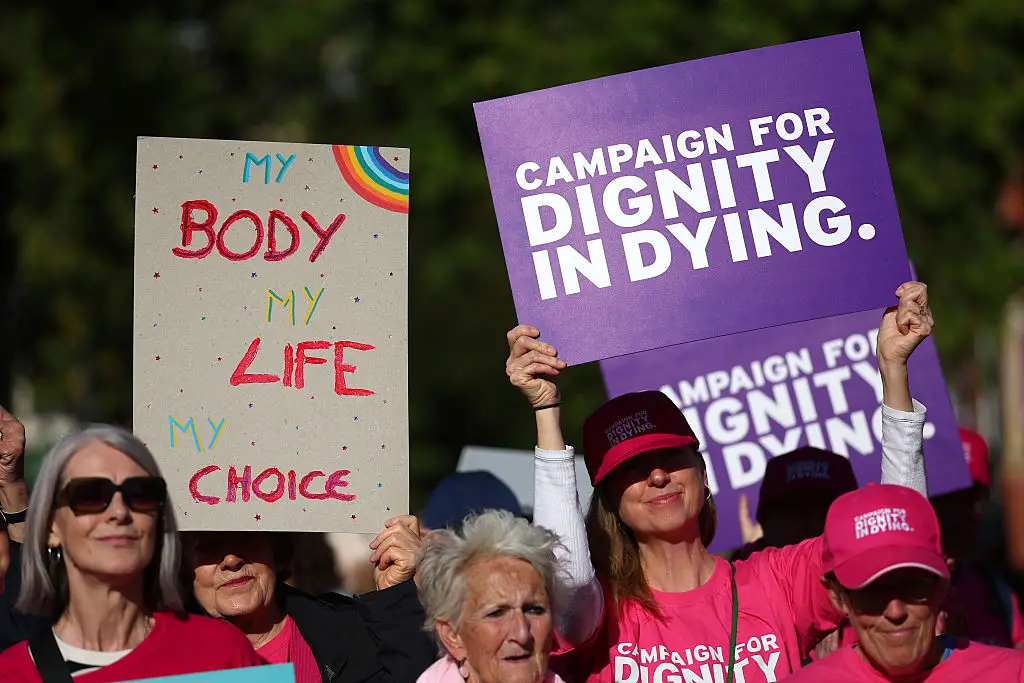
Holland has since informed her family that she wants to 'die on my own terms' with medical aid in dying.
Voluntary assisted dying, also known as 'euthanasia', allows patients in Australia battling terminal conditions to choose medical assistance to end their life - however, there are strict rules around it.
The regulations are different in each country, with everywhere in the world having their own stance on the controversial topic.
As for the UK, last year MPs voted on whether or not to pass a law allowing 'adults who are terminally ill, subject to safeguards and protections, to request and be provided with assistance to end their own life'.
As per the BBC, it received 314 votes in favour to 291 and was passed to the House of Lords for further consideration, where it is currently in the committee stage.
The conversation has led to people asking a flurry of ethical and practical questions - how exactly does it happen and who would be allowed to go ahead with it?
One of the queries that has popped up is what would go on someone's death certificate if they went ahead with an assisted death?
Like everything else, this will, of course, vary around the world.

As per Dignity in Dying, assisted dying is legal in 10 states and one federal district in America - Oregon was the first state to allow it in 1997, and is now the blueprint for a safe and effective law.
To end your life via assisted dying, you must be over 18, be mentally competent and have a terminal illness that will lead to your death within six months.
The Oregon Health Authority Center for Health Statistics recommends that physicians record the underlying terminal disease as the cause of death and mark the manner of death 'natural'.
This is intended to both 'balance the confidentiality of patients and their families', while also ensuring that the complete information is there for statistical purposes.
The centre monitors everything by regularly matching the names of persons for whom a Death with Dignity Act (DWDA) prescription is written with death certificates.
The Attending Physician is then also required to complete a follow-up form with information about whether the death resulted from ingesting the medications, or from the underlying disease.
If you’ve been affected by any of these issues and want to speak to someone in confidence, please don’t suffer alone. Call Samaritans for free on their anonymous 24-hour phone line on 116 123 or contact Harmless by visiting their website https://harmless.org.uk.
Topics: Mental Health, News, World News, US News, Life, Real Life, UK News
 Madison Burgess