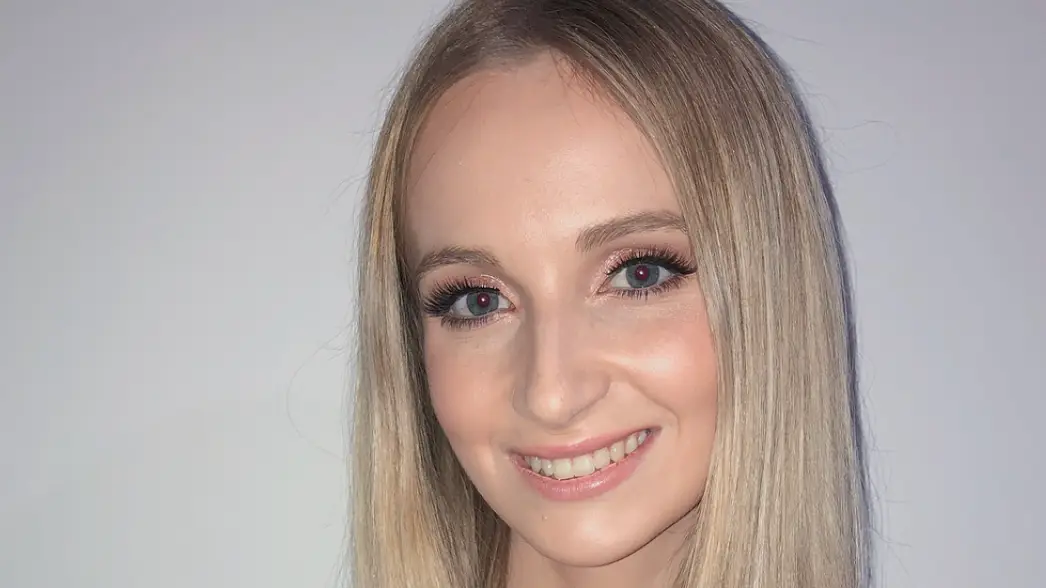
Assisted dying laws in Australia as 25-year-old woman with rare disease plans to end life

Warning: This article contains discussions of assisted dying which some readers may find upsetting
Australia’s assisted dying regulations have been revealed after a 25-year-old woman with a 'debilitating' rare disease explained why she wants to die.
Assisted suicide, or assisted dying, has become a major topic of discussion of late, particularly as the UK works toward its own bill which could see the practice legalised.
Annaliese Holland, from Adelaide in South Australia, has spent most of her life in and out of hospital.
Advert
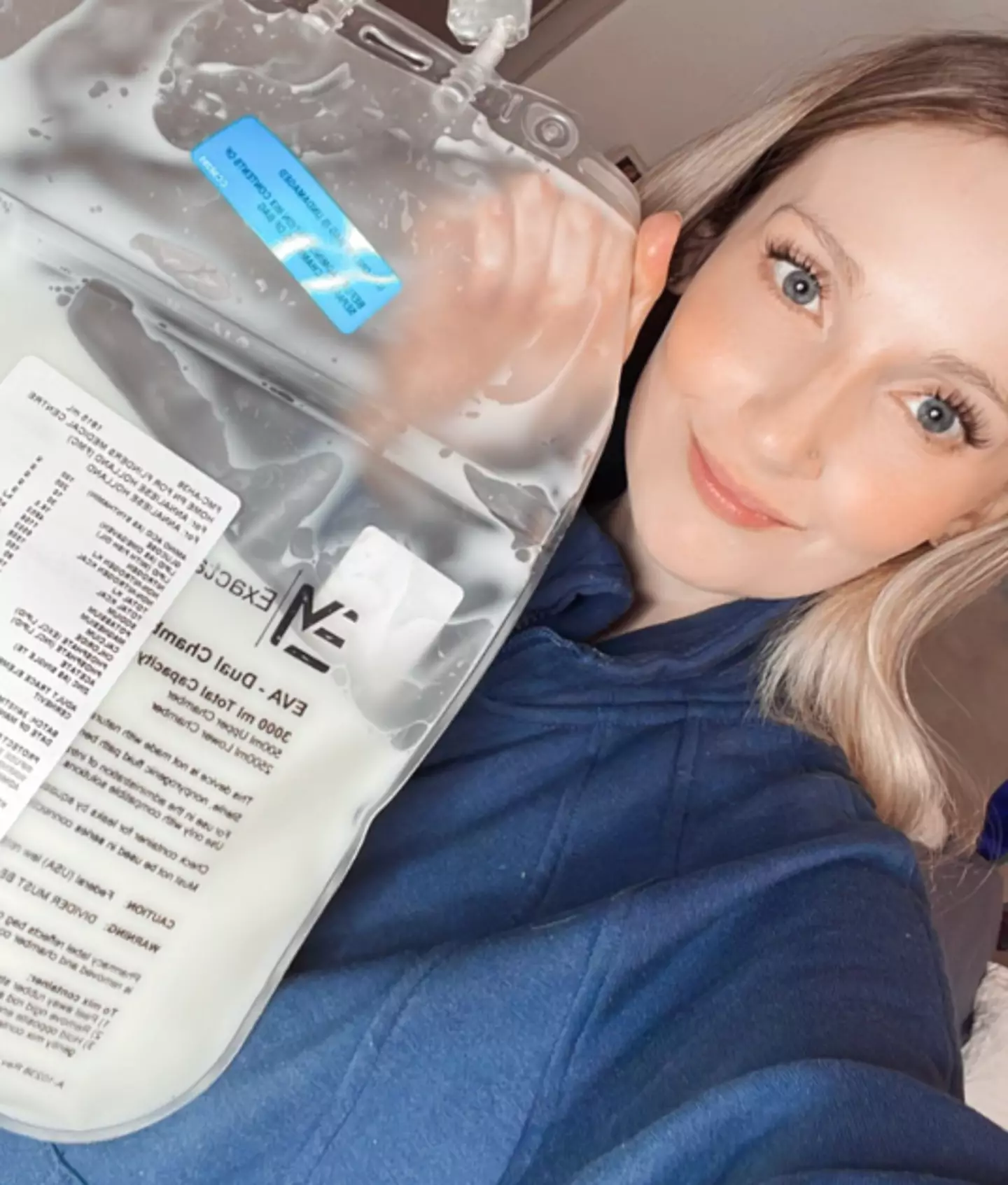
She has terminal autoimmune autonomic ganglionopathy, a rare neurological disorder that damages the nerves responsible for heart rate, blood pressure, digestion and urination.
She now lives with multi-organ failure and has survived sepsis 25 times.
On top of that, the heavy medication load has left her with severe osteoporosis. And that's not all, as Annaliese has also fractured her spine in four places, split her sternum and has come close to crushing her heart and lungs.

"My bowel acts as if it’s blocked, but there’s nothing actually blocking it. It’s just the nerves don’t work so, as gross as this is, my stools would back up so much that I would throw it up or drain out my tummy," she told news.com.au.
On top of experiencing nausea and vomiting daily, long-term steroid use has also caused bone tissue to die, turning her teeth black before they began to fall out.
She said: "I missed out on formals, graduations, my 18th, 21st [birthdays], they were all in hospitals, being really sick.
"All my friends they’re having babies, getting engaged, and married. Everyone’s life is moving, and I’m just stuck. I’m not living. I’m surviving every day, which is tough."
Australia's laws on voluntary assisted dying
Voluntary assisted dying (VAD) is when a health worker helps a terminally ill adult to end their life.
It is different to euthanasia, as the person looking to end their life has to administer the medication that will end their lives themselves.
It's not actually legal in all of Australia, and is only an option for people in Western Australia, Tasmania, South Australia, Queensland, New South Wales, and the Australian Capital Territory (ACT).
The Northern Territory is currently working on a bill to legalise VAD, but under the current laws doctors can be jailed for murder, manslaughter or assisted suicide for the practice.
VAD is different to assisted suicide, since it it is still a crime in all of Australia to help someone take their own life.
You can be sent to prison for helping someone to die by suicide even if this is what they wanted - it could lead to you being charged with murder or manslaughter.
VAD is the exception as the assistance is provided by an authorised health practitioner.
The eligibility requirements are different for each state. In South Australia, where Annaliese is from, you must:
- be 18 or over
- be an Australian citizen or a permanent resident who's lived in the country for more than 12 months
- have the capacity to make the decision to end your life
- have an incurable condition, with doctors estimating you only have six months to live (12 months for neurodegenerative conditions)
- are experiencing intolerable suffering because of the condition
- are making the decision to end your life freely and without pressure from others
Two doctors have to agree you meet the criteria for you to be able to access VAD.
If you're physically incapable of administering the life-ending medication yourself, you can apply to have the doctor do it, but a witness has to be present to make sure everything's above board.
Just three weeks after meeting psychologists and completing the assessment process, Annaliese was approved for voluntary assisted dying (VAD), something she has called her 'safety blanket', which has lifted a weight she had carried for years.
.png)
"I think it’s so weird to be happy, but I was so happy when I found out I was approved, I was crying," Annaliese said.
"For me, I don’t want to have to wake up every day with anxiety about the pain that I know is ahead for me.
"The pain of starving to death when they can’t feed me anymore, or the horror of sepsis. Knowing I can go when the time is right is just a huge relief."
The Aussie concluded: "It’s one of the bravest things you could ever do, to say I want VAD. It’s not giving up. You’ve had enough, and you fought bloody hard."
For advice, support, and more information, you can contact the nurse-led specialist team at Compassion in Dying via their helpline 0800 999 2434. You can also email them at [email protected].
Additionally, if you're experiencing distressing thoughts and feelings, the Campaign Against Living Miserably (CALM) is there to support you. They're open from 5pm–midnight, 365 days a year. Their national number is 0800 58 58 58 and they also have a webchat service if you're not comfortable talking on the phone.
 Britt Jones