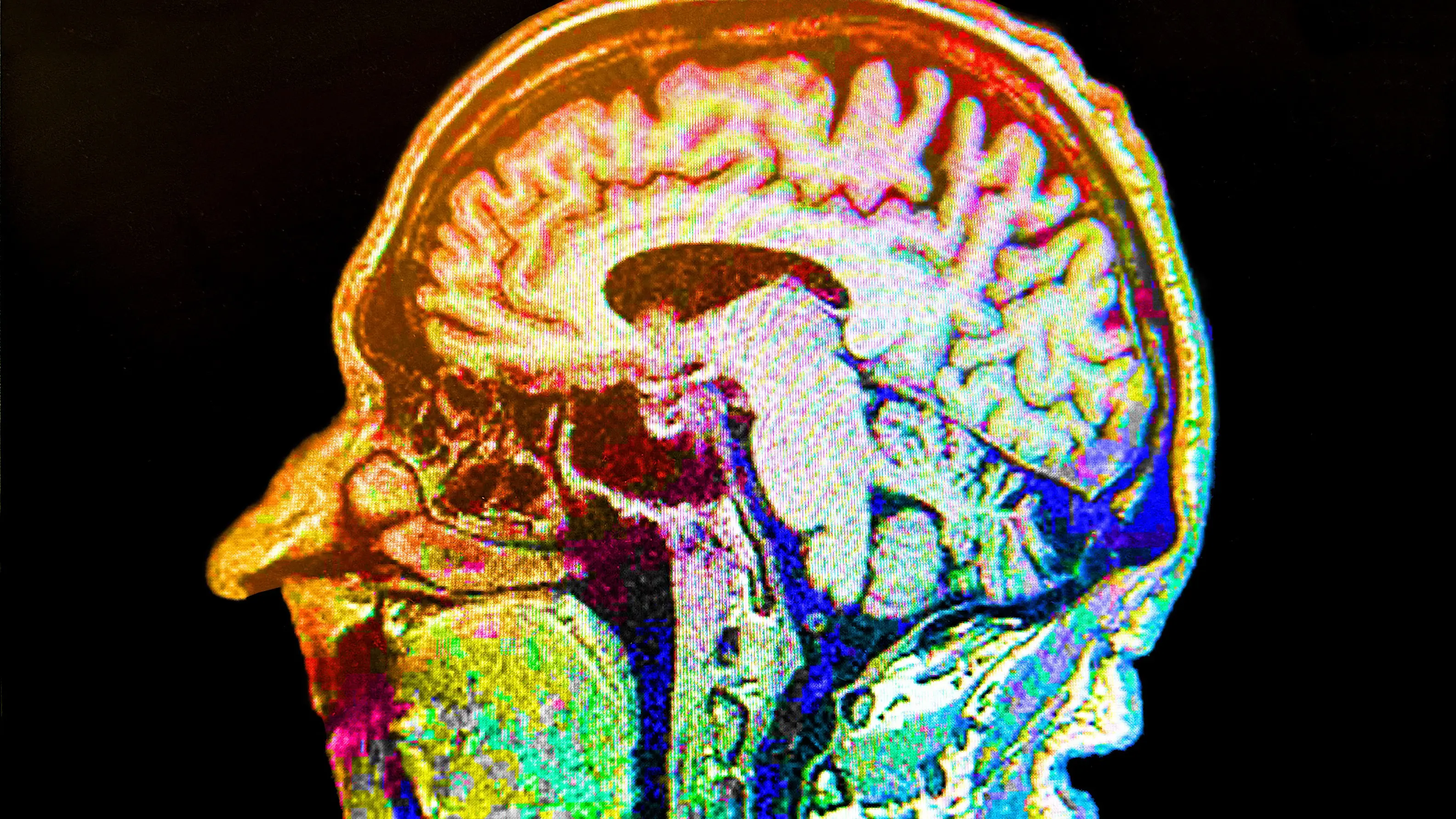
Experts reveal the most overlooked early warning signs of Alzheimer's

Experts have explained the most overlooked early warning signs of Alzheimer's.
The Alzheimer's Society explains that the 'main difference' between Alzheimer’s and dementia is that 'Alzheimer’s is a disease in the brain, whereas dementia is a collection of symptoms'. Alzheimer’s 'causes cognitive decline, eventually leading to dementia'.
According to the society, there are currently estimated to be 982,000 people with dementia in the UK, but more than a third of people with the condition do not have a diagnosis, and such a number is expected to rise to a staggering 1.4 million by 2040.
Medical professionals at Kenneth K. Wogensen, MD highlight the importance of recognising 'subtle symptoms' of the disease, noting that 'catching Alzheimer’s early can help patients and families plan ahead, try treatments that may slow the disease, and get vital support'.
Advert
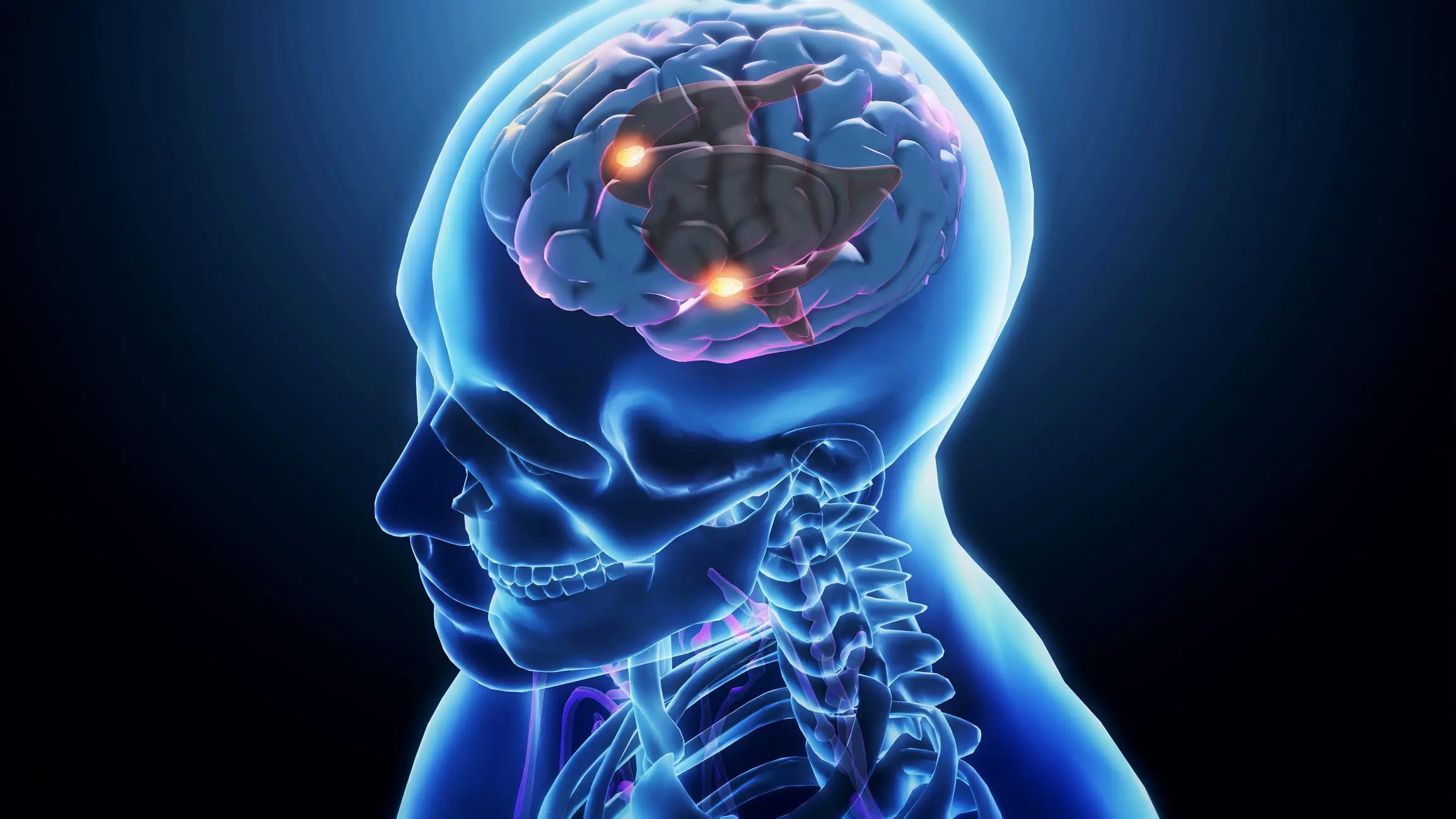
Small memory lapses
The experts listed seven main symptoms, with the first being small memory slip-ups.
Look, it's simply a fact of being human that you'll walk into a room and forget what you went in there for or misplace your keys for hours, only to realise they were in your pocket the whole time every now and then.
But people in the early stages of Alzheimer’s may forget important things more often, like recent conversations, events, or appointments.
"They might repeat themselves or ask the same question several times, even after getting an answer. It’s not just forgetting - it’s not remembering later," Kenneth K Wogensen, MD writes.
Loss of interest in favourite activities
This can be particularly distressing for loved ones as they watch someone they care for gradually pull away from hobbies, work, or social events they used to enjoy.
The experts outline: "They might seem tired, depressed, or just not themselves. This isn’t the same as being a little bored; it’s a more profound change in motivation or energy that doesn’t go away."
Confusion over times or places
A common symptom of early Alzheimer’s is losing track of dates or seasons.
Such individuals may forget where they are or how they got there, with the experts pointing out: "It’s one thing to forget what day it is and remember later, but it’s another to feel lost in a familiar place or not understand what time of day it is."
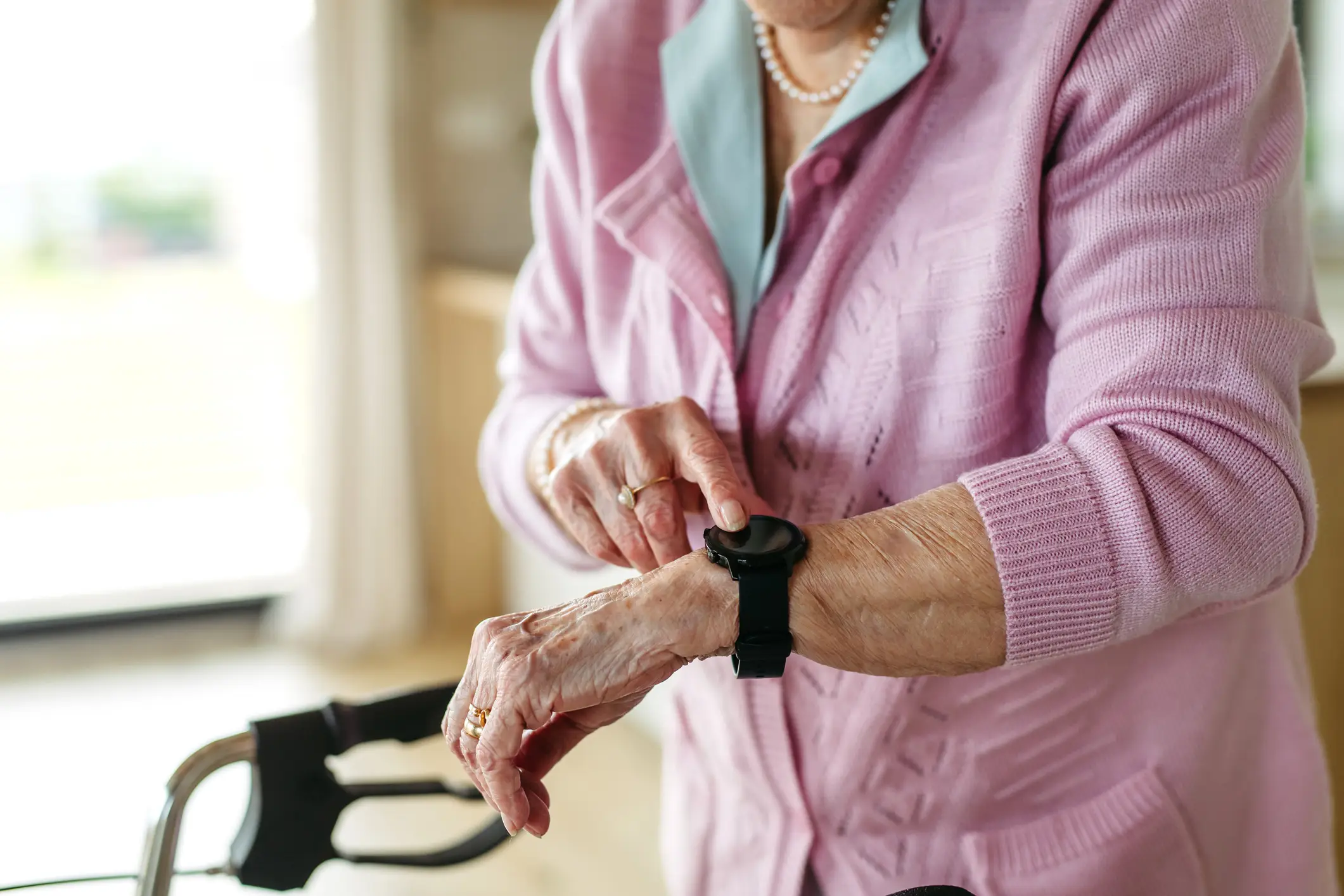
Trouble with everyday tasks
Someone can go through their entire life easily juggling everyday tasks like paying bills, following a recipe or driving to your local supermarket.
But, with Alzheimer's, such tasks can become extremely confusing.
The experts add: "Early on, these tasks may take longer or require more steps than before. You may also notice that the person is avoiding such activities altogether."
Trouble finding the right words
Another subtle symptom is an increased difficulty in finding simple words.
This can manifest in a number of ways, including pausing a lot during a sentence or calling everyday items by the wrong name (for example, calling a 'watch' a 'hand clock').
"Someone with early-stage Alzheimer’s disease may also have a hard time following or joining conversations, especially in noisy settings," Kenneth K Wogensen, MD, adds.
Poor judgment
Additionally, a person with early Alzheimer’s might make decisions that seem out of character.
Examples include giving away large amounts of money to telemarketers, wearing clothes that don’t fit the weather or no longer maintaining their usual grooming standards.
"Poor judgment can often put people at risk," the experts warn.

Changes in mood or personality
And last on the list is mood or personality changes.
Kenneth K Wogensen, MD, writes: "A person might become anxious, suspicious, confused, or easily upset, especially in unfamiliar situations. You might notice more fear, frustration, or irritation than usual.
"These changes aren’t just emotional, they’re part of how the disease affects the brain."
Many people who have family members with the disease have previously taken to social media to attest to exactly that.
Taking to the 'AskReddit' thread on Reddit, one person asked: "What early signs of Alzheimer’s tend to surprise people the most?"
Needless to say, it prompted a whole bunch of responses, with a second Redditor writing: "This was years before any official diagnosis. Dad is an avid tea drinker, but he would always remove the tea bag before adding milk.
"One time, I am at his place, and he offers me tea. He then pours milk in before taking the tea bag out. Not a big deal, but I am curious so I ask him why he's done it this way, he looks puzzled and says he's always done it this way.
"There were quite a few instances of him changing the way he does things but not realising it's different to how he used to do things."

They added in an edit: "Saw other comments about not reading anymore. Dad has a huge collection of books, but he hasn't touched any of them in 5+ years. I've offered to help him sort through them and donate or sell some, but he doesn't want to part with any of the,m so I guess I'll have to deal with it after he's gone."
Another shared: "My grandma gave up on reading, and would sit and watch the neighbourhood out of her window. She would tell me stories about how all the families and their kids at the neighbouring houses were in feuds. It was a quiet area. Most people were at work and school, so none of it was happening. As a kid, I thought she turned crazy."
And a final Reddit user commented: "My mum was an avid reader and then started to show signs at around 75. About a year later, I brought her some books. She wasn’t interested, and I never saw her read again."
It's important to note that such signs don’t always mean it’s Alzheimer’s, as other conditions like depression, thyroid problems, or medication side effects can cause similar symptoms.
Regardless, it is essential to find out what’s going on so you can get to the bottom of it.
You can find out more about Alzheimer’s on the official NHS website here.
If you've been affected by dementia or Alzheimer's and would like to speak with someone in confidence, contact the Alzheimer’s Society via 0333 150 3456 or visit their website for more information.
Topics: Explained, Health, Life, Reddit, Social Media, Mental Health
 Rhiannon Ingle