The difference between the term sapphic and lesbian explained and why it’s being used more widely

The language used to describe our identities, sexuality and relationships evolves and if you’ve noticed the word sapphic popping up more frequently lately, whether on social media, in dating profiles or across LGBTQ+ conversations, you’re not alone.
While the term lesbian has long been used to describe women who are attracted to women for many, many years, sapphic offers a slightly broader way of expressing attraction, identity and connection between women. Netflix’s new drama The Body has been widely described as a sapphic show, while others have called it a lesbian show.
The two terms are often used interchangeably, but they don't necessarily mean the exact same thing.
So, what exactly does sapphic mean, how does it differ from lesbian, and why are more people embracing the term?
Advert
What does sapphic mean?
Sapphic is an umbrella term used to describe women who are attracted to women, as well as some non-binary people who experience attraction to women. For some, it’s also a label they choose to use as part of their identity, offering a way to describe their sexuality without necessarily adopting a more specific term.
Where does the word sapphic come from?
The word has its roots in the ancient Greek poet Sappho, who lived on the island of Lesbos around the 6th century BC. Her poetry, which is often interpreted as expressing romantic and sexual desire for women, inspired both the term sapphic and, eventually, lesbian – a word derived from the name of the island. While sapphic originally referred to Sappho's style of poetry, it has since evolved to describe romantic and sexual attraction between women.

Sapphic can also describe lesbians, bisexual women, pansexual women, non-binary people, and other women who are attracted to women.
One person on Instagram explained: “I love the term sapphic because it includes both bisexuals and lesbians :) Like if there's a combination of bisexuals and lesbians together, it can be called sapphic instead of just calling bisexuals lesbians too whenever they're dsting [sic] women since that can sometimes feel like bi erasure to me personally.”
Another person shared: “Not every sapphic is a lesbian, but lesbians are sapphics. Speaking as a lesbian, it's a good term to expand the definition out a bit as our language around queerness continues to evolve.”

Is Sapphic replacing lesbian?
Not exactly. There are a number of reasons why some people are gravitating towards the term sapphic. For one, its broader definition can feel more inclusive, particularly for those who don't necessarily identify with the label lesbian. The latter has also become increasingly caught up in wider debates around gender identity, with some lesbian spaces and communities facing criticism over attempts to police who can and cannot use the label.
There are also concerns around how the word lesbian is treated online. Because of its association with adult content, some users have raised concerns that social media algorithms may restrict or suppress posts containing the term, making it harder for LGBTQ+ people to find and share community-led content.
Others point to the way lesbian identity is frequently sexualised and fetishised in adult material, arguing that this can shape how the term is perceived – particularly by heterosexual men – rather than reflecting the lived experiences of women who identify as lesbian.

Where is sapphic being used now?
One reason the word sapphic is becoming more familiar is its growing presence in mainstream pop culture. From television dramas to online fandoms, the term is increasingly being used to describe stories, characters and relationships that explore romantic and sexual connections between women. The term is also moving beyond LGBTQ+ spaces online and in real life and into general entertainment coverage.
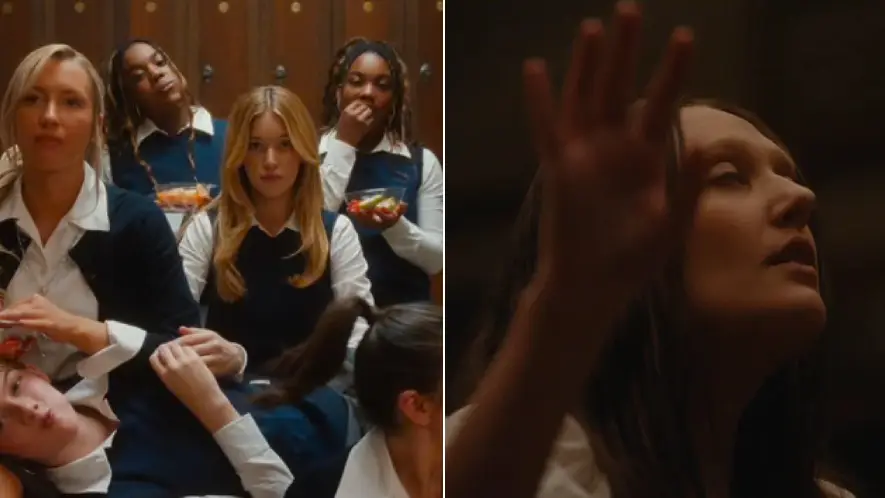
Netflix's The Body is one recent example. Released on 11 November 2026, the psychological thriller and coming-of-age series centres on a slow-burn romance between two best friends, Anya (Kristina Bogic) and Elise (Sara Boustany), at a Catholic school in 2004.
It's also a term that's making its way into some of television's biggest franchises. The upcoming fifth season of Netflix's Bridgerton is set to put a sapphic love story centre stage, following Francesca Bridgerton (Hannah Dodd) and Michaela Stirling (Masali Baduza) as their relationship develops. The season will mark the show's first to centre on a same-sex couple, with showrunner Jess Brownell describing it as a season about sapphic romance and, above all, yearning.
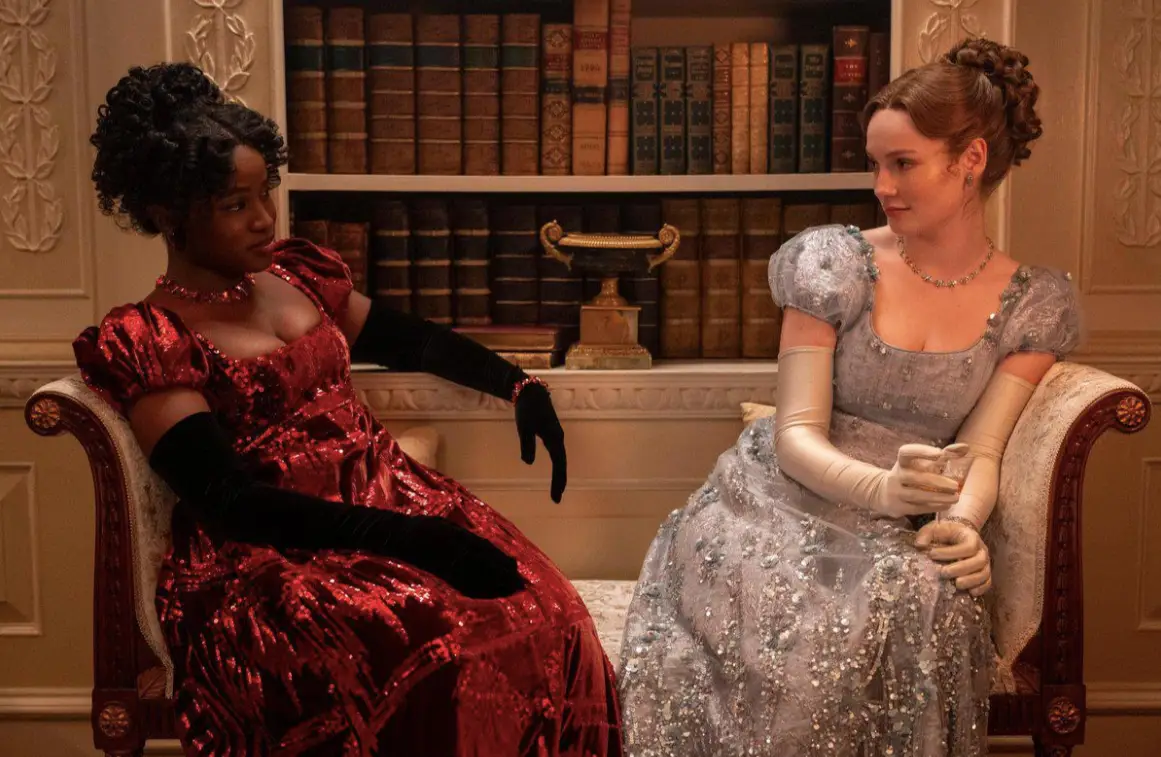
“It feels groundbreaking,” Bridgerton showrunner Jess Bronwell told Tudum. "Obviously, there are a lot of great shows that have depicted queer love. We’re not the first by any means. But to make an entire Bridgerton season about a sapphic relationship feels huge.”
Topics: Netflix, Sex and Relationships, TV And Film
 Greg Harris