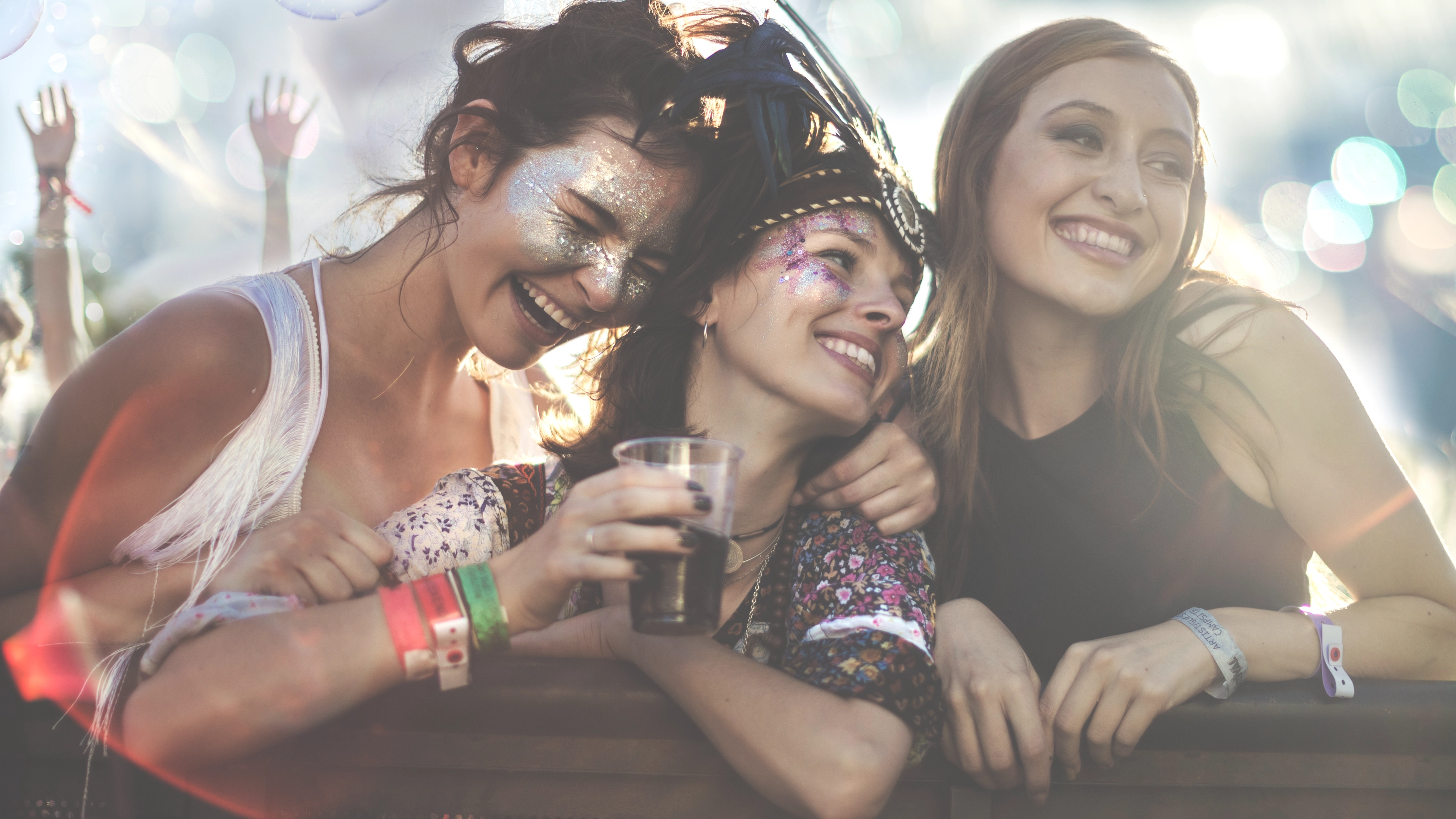
Who’s looking out for women at festivals?

A festival can feel like the most magical place in the world. Hanging out with your mates in a field, listening to your favourite band, drink in hand, in the glorious sunshine (or just as often in the UK, the rain). But these same elements which make a festival feel so liberating can also make them dangerous places - especially for women.
A recent study from Durham University found that festivals can be very unsafe spaces for women, where cases of sexual harassment and assault have become ‘normal’ experiences. This follows another YouGov study in 2018 which found that nearly half of female festival-goers under 40 had experienced sexual harassment - which can be anything from unwanted attention and groping to violent sexual acts.
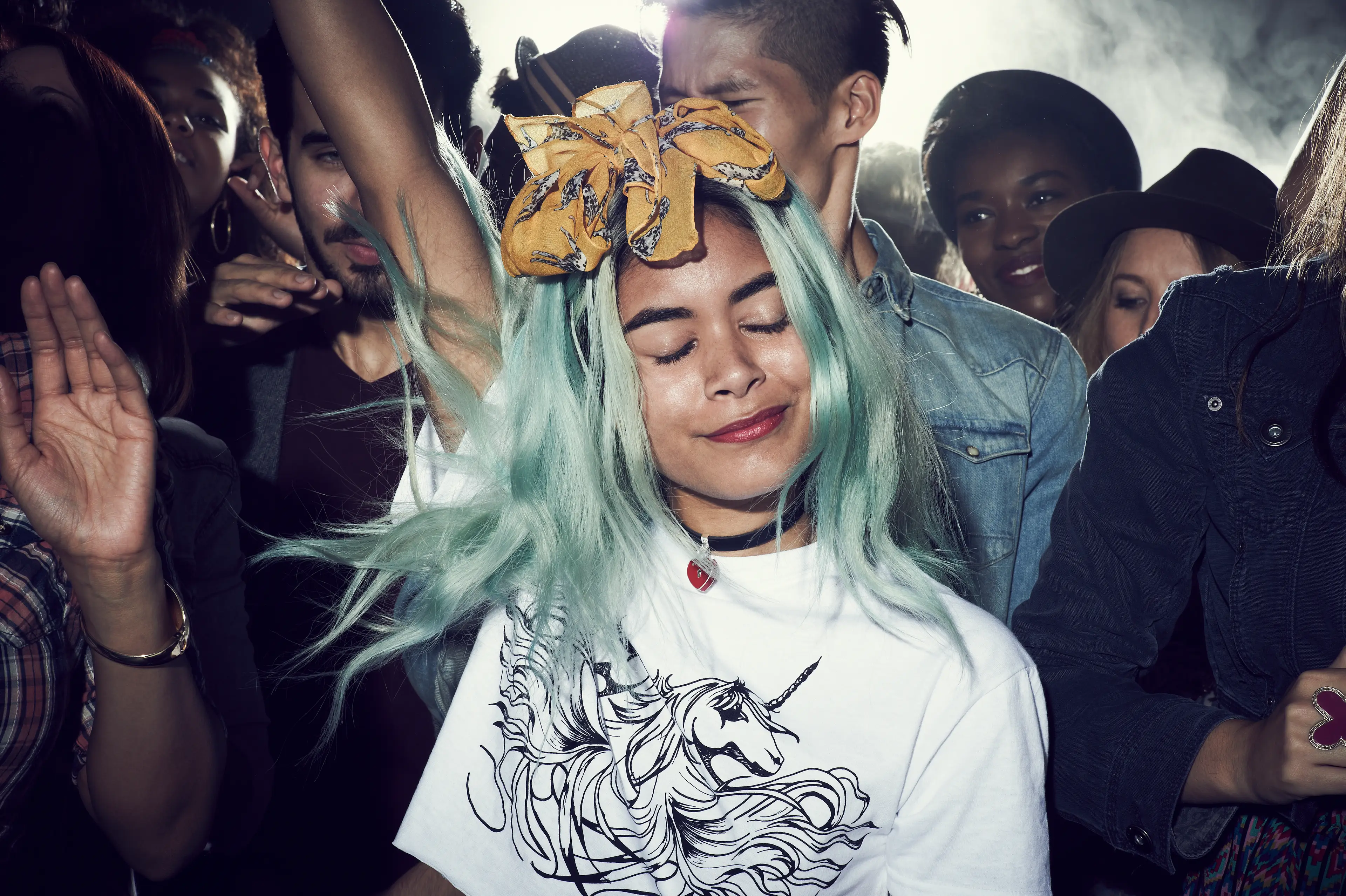
Many of the women interviewed in the Durham study said that they had adapted their behaviour to avoid unwanted sexual attention. This included things like going with male friends, moderating their alcohol intake and some had even stopped going to festivals altogether. Campaigners argue it shouldn’t be down to women to change their behaviour, but many have accepted this as the norm. Clearly, more needs to be done to protect women in the festival environment.
So, how are festivals responding? In 2022, Safer Spaces At Festivals was set up to tackle sexual violence, harassment and assault at festivals, aiming to create a culture of respect. They encourage all organisers to come up with clear policies including prevention strategies, a process for responding to allegations and staff training. More than 100 UK festivals – including Reading and Leeds, Field Day, Parklife and Kendal Calling, have signed up to the campaign in the hope of creating more inclusive and diverse spaces.
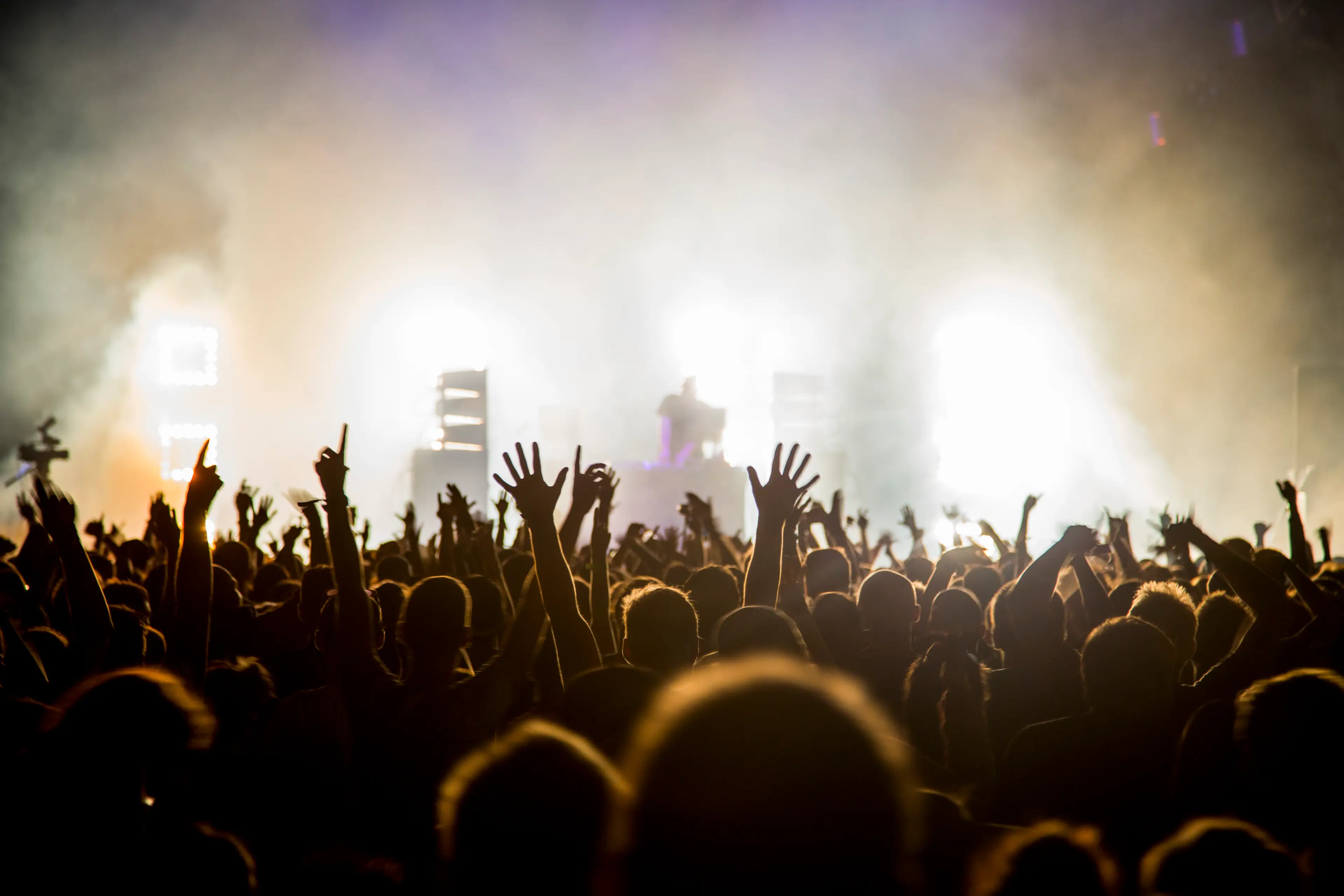
Other festivals have set up their own campaigns and responses. In 2016, Glastonbury opened its first women, non-binary and trans only space called The Sistxrhood. Speaking to NME, producer and curator, Alice Holland said: “We’re open to women, non-binary and trans friends, and the freedom that comes from being in a space where you’re extremely unlikely to be f*cked with, and are very likely to be welcomed into an environment where you feel amazing, means that attendees can relax more.” She said that the response from men has been wholly positive, enthusiastic even, save for a few ‘entitled’ men.
Progress is happening, but it’s slow. And, there’s still a lot of work to be done to get to a place where women can feel safe, where they don’t need to take steps to avoid sexual harassment and where we don’t need women-only spaces at festivals.
While change from organisers is necessary and important, it’s up to all of us to call out problematic behaviour when we see it. No one should put themselves in a situation where they feel unsafe but for those who want to stand up and be allies, Safer Spaces for Festivals has pulled together the five Ds of bystander intervention:
- Distract - take an indirect approach to deescalate the situation and interrupt what is happening
- Direct - directly intervene in the situation
- Delegate - Get help from someone else to intervene
- Document - document the situation as it is happening
- Delay - after the incident, check in with the person who was harm
To read more about making festivals safer visit Safer Spaces for Festivals.
LADbible Group is proud to be supporting the Say Maaate to a Mate campaign being led by the Mayor of London. To find out more visit Say Maaate to a Mate | London City Hall
 The Tyla Team